Caleb Wright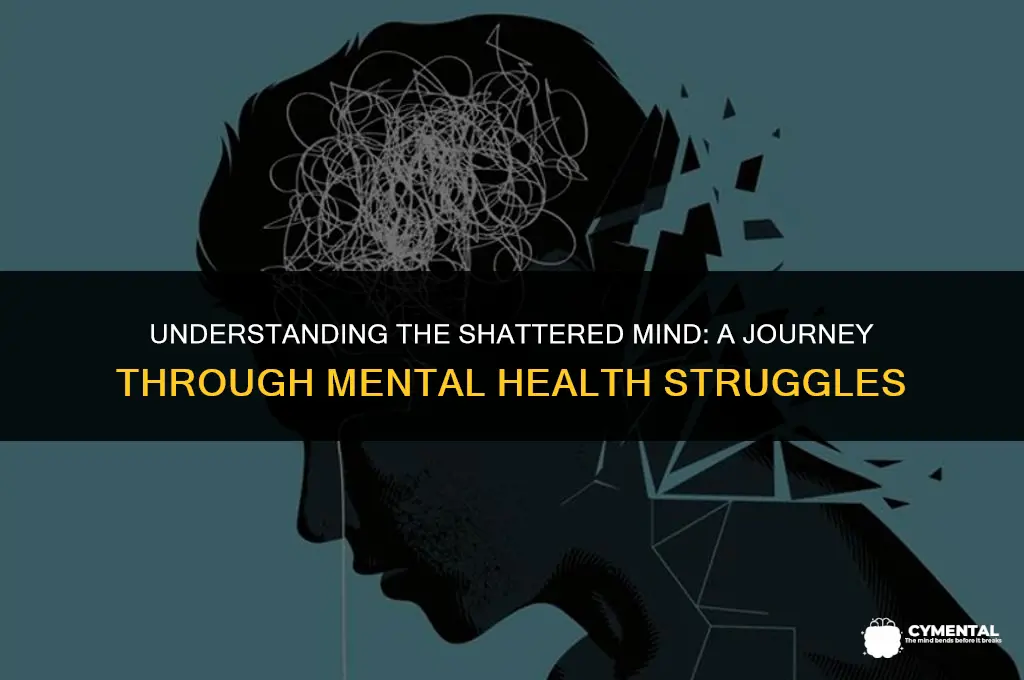
The concept of being mentally broken is a complex and sensitive topic that delves into the realm of psychological well-being and mental health. It often refers to a state where an individual's emotional and psychological resilience has been significantly compromised, making it difficult for them to cope with the challenges of daily life. This condition can manifest in various ways, including persistent feelings of sadness, anxiety, or hopelessness, as well as more severe symptoms such as suicidal thoughts or self-harm. Understanding how someone becomes mentally broken involves exploring a multitude of factors, including genetic predispositions, environmental stressors, traumatic experiences, and social influences. It is crucial to approach this topic with empathy and a commitment to supporting those who may be struggling, by promoting awareness, reducing stigma, and advocating for accessible mental health resources.
Explore related products


What You'll Learn
- Trauma and Abuse: Experiencing or witnessing traumatic events can lead to severe psychological distress
- Chronic Stress: Prolonged exposure to stress can overwhelm the mind, leading to anxiety and depression
- Social Isolation: Lack of social connections and support can exacerbate feelings of loneliness and despair
- Chemical Imbalances: Neurotransmitter imbalances in the brain can contribute to mental health disorders
- Genetic Predisposition: Family history of mental illness can increase an individual's vulnerability to psychological issues

Trauma and Abuse: Experiencing or witnessing traumatic events can lead to severe psychological distress
Trauma and abuse can have profound and lasting effects on an individual's mental health. When someone experiences or witnesses a traumatic event, their brain's normal functioning is disrupted, leading to a cascade of psychological distress. This distress can manifest in various ways, including anxiety, depression, post-traumatic stress disorder (PTSD), and even dissociative disorders. The severity of the impact depends on factors such as the nature and duration of the trauma, the individual's resilience, and the availability of support systems.
One of the most insidious aspects of trauma and abuse is the way they can alter a person's perception of themselves and the world around them. Victims may develop a sense of helplessness, worthlessness, or guilt, which can be extremely difficult to overcome. They may also struggle with trust issues, finding it hard to form healthy relationships or to believe that others have their best interests at heart. In some cases, the trauma can be so overwhelming that it leads to a complete breakdown of the individual's sense of self, resulting in a condition known as complex PTSD.
It's important to note that trauma and abuse can affect anyone, regardless of age, gender, or socioeconomic status. Children who experience abuse or neglect are particularly vulnerable, as their brains are still developing and they may not have the cognitive or emotional resources to cope with the trauma. However, even adults who have experienced trauma in their past can be deeply affected, especially if the trauma was severe or prolonged.
One of the challenges in addressing trauma and abuse is that they often leave invisible scars. Unlike physical injuries, which can be seen and treated, the effects of trauma and abuse are often hidden from view. This can make it difficult for victims to seek help, as they may not even realize that they are suffering from a treatable condition. Additionally, the stigma surrounding mental health issues can prevent people from reaching out for support, fearing that they will be judged or ostracized.
Fortunately, there are effective treatments available for those who have experienced trauma and abuse. Cognitive-behavioral therapy (CBT), eye movement desensitization and reprocessing (EMDR), and trauma-focused cognitive-behavioral therapy (TF-CBT) are all evidence-based approaches that can help individuals process their trauma and develop coping strategies. Medications such as antidepressants and anti-anxiety drugs can also be helpful in managing symptoms. However, it's important to note that recovery from trauma and abuse is a complex and often lengthy process, requiring patience, support, and a willingness to confront difficult emotions and memories.
In conclusion, trauma and abuse can have a devastating impact on an individual's mental health, leading to severe psychological distress and altering their perception of themselves and the world. However, with the right treatment and support, it is possible for victims to heal and reclaim their lives. By raising awareness about the effects of trauma and abuse and promoting access to mental health services, we can help to break the cycle of suffering and create a more compassionate and supportive society.
Understanding Self-Admission to Mental Health Facilities: A Guide
You may want to see also
Chronic Stress: Prolonged exposure to stress can overwhelm the mind, leading to anxiety and depression
Chronic stress is a pervasive issue that can silently erode mental health over time. Prolonged exposure to stressors, whether they are environmental, social, or psychological, can lead to a state of constant alertness that taxes the mind and body. This relentless pressure can manifest as anxiety and depression, two of the most common mental health disorders worldwide.
One of the insidious aspects of chronic stress is its ability to become normalized over time. Individuals may not even realize they are under chronic stress until it reaches a breaking point. This normalization can lead to a lack of self-care and an inability to recognize the signs of mental health decline. It's crucial to identify the sources of chronic stress and develop strategies to mitigate its impact.
The physiological effects of chronic stress are well-documented. It can lead to a weakened immune system, increased inflammation, and a host of other health problems. But the mental toll is equally severe. Chronic stress can impair cognitive function, disrupt sleep patterns, and lead to a sense of hopelessness and helplessness. These factors can contribute to the development of anxiety and depression, which can further exacerbate the stress response, creating a vicious cycle.
Breaking the cycle of chronic stress requires a multifaceted approach. It involves identifying and addressing the root causes of stress, practicing stress management techniques such as mindfulness and meditation, and seeking professional help when necessary. Lifestyle changes, such as regular exercise, a healthy diet, and adequate sleep, can also play a significant role in reducing stress levels and improving mental health.
In conclusion, chronic stress is a serious issue that can have profound effects on mental health. By understanding the signs and symptoms of chronic stress and taking proactive steps to manage it, individuals can reduce their risk of developing anxiety and depression and improve their overall well-being.
Compassionate Conversations: How to Ask About Someone's Mental Health
You may want to see also
Social Isolation: Lack of social connections and support can exacerbate feelings of loneliness and despair
Social isolation can be a significant contributing factor to mental health issues, particularly in exacerbating feelings of loneliness and despair. When individuals lack social connections and support, they may experience a profound sense of disconnection from others, which can lead to a downward spiral of negative emotions and psychological distress.
One of the primary ways social isolation impacts mental health is by disrupting the natural human need for social interaction and belonging. Humans are inherently social creatures, and when we are deprived of meaningful relationships and social engagement, our mental well-being can suffer. This lack of social connection can lead to increased feelings of loneliness, which in turn can contribute to depression, anxiety, and other mental health issues.
Furthermore, social isolation can also limit access to emotional support and practical assistance, which are crucial for coping with life's challenges. When individuals are isolated, they may feel as though they have no one to turn to for help or guidance, which can exacerbate feelings of helplessness and hopelessness. This can be particularly detrimental during times of crisis or stress, when social support is most needed.
In addition to its direct impact on mental health, social isolation can also have indirect effects by influencing behaviors and lifestyle choices. For example, individuals who are socially isolated may be more likely to engage in unhealthy behaviors such as excessive drinking, smoking, or overeating, as a way to cope with their negative emotions. These behaviors can further contribute to mental health issues and create a cycle of poor health and well-being.
Breaking the cycle of social isolation requires a multifaceted approach that addresses both the emotional and practical aspects of building and maintaining social connections. This may involve seeking out social activities and groups, volunteering, or participating in community events. Additionally, technology can play a role in connecting individuals with others, through online support groups or social media platforms. However, it is important to note that virtual connections should not replace face-to-face interactions entirely, as in-person social engagement is essential for maintaining mental health.
In conclusion, social isolation is a significant risk factor for mental health issues, particularly in exacerbating feelings of loneliness and despair. Addressing social isolation requires a comprehensive approach that includes building social connections, seeking emotional support, and adopting healthy coping mechanisms. By taking steps to combat social isolation, individuals can improve their mental well-being and lead more fulfilling lives.
Exploring the Link Between Short-Term Memory Loss and Mental Competency
You may want to see also
Chemical Imbalances: Neurotransmitter imbalances in the brain can contribute to mental health disorders
Neurotransmitter imbalances in the brain can significantly contribute to various mental health disorders. These chemical messengers play a crucial role in regulating mood, behavior, and cognitive functions. When their levels are disrupted, it can lead to a range of psychological issues.
For instance, serotonin is a neurotransmitter that helps regulate sleep, appetite, and mood. Low levels of serotonin have been linked to depression, anxiety, and obsessive-compulsive disorder (OCD). On the other hand, an excess of serotonin can cause serotonin syndrome, which is characterized by symptoms such as agitation, confusion, and rapid heart rate.
Dopamine is another key neurotransmitter that plays a role in reward, motivation, and movement. Imbalances in dopamine levels can contribute to disorders such as Parkinson's disease, schizophrenia, and attention deficit hyperactivity disorder (ADHD). For example, in Parkinson's disease, the loss of dopamine-producing neurons leads to motor symptoms such as tremors and difficulty with movement.
GABA (gamma-aminobutyric acid) is an inhibitory neurotransmitter that helps calm the brain and reduce anxiety. Low levels of GABA have been associated with anxiety disorders, insomnia, and epilepsy. Conversely, high levels of GABA can lead to drowsiness and impaired cognitive function.
Glutamate is an excitatory neurotransmitter that is involved in learning and memory. Excessive glutamate activity can cause excitotoxicity, which is a process that can lead to cell damage and death. This has been implicated in the development of neurodegenerative diseases such as Alzheimer's and Huntington's disease.
Understanding the role of neurotransmitter imbalances in mental health disorders is crucial for developing effective treatment strategies. Medications such as selective serotonin reuptake inhibitors (SSRIs) and antipsychotics work by targeting specific neurotransmitter systems to restore balance. Additionally, lifestyle factors such as diet, exercise, and stress management can also influence neurotransmitter levels and contribute to overall mental well-being.
Breaking the Silence: The Social Toll of Mental Illness Stigma
You may want to see also
Genetic Predisposition: Family history of mental illness can increase an individual's vulnerability to psychological issues
Individuals with a family history of mental illness may be more susceptible to developing psychological issues themselves. This genetic predisposition can manifest in various ways, influencing both the likelihood of developing a mental health condition and the severity of its symptoms. For example, studies have shown that having a first-degree relative with schizophrenia increases one's risk of developing the disorder by up to 10%. Similarly, a family history of depression can significantly raise the likelihood of experiencing depressive episodes.
The genetic link to mental illness is complex and not fully understood. While certain genes have been identified that may contribute to the development of specific mental health conditions, the interplay between genetics and environmental factors is also crucial. Stress, trauma, and lifestyle choices can all interact with genetic predispositions to influence mental health outcomes. Therefore, while a family history of mental illness can increase vulnerability, it does not guarantee the development of psychological issues.
Understanding one's genetic predisposition can be a valuable tool in managing mental health. Genetic testing, while not definitive, can provide insights into potential risks and help individuals and healthcare providers develop personalized treatment plans. Additionally, awareness of family mental health history can encourage proactive measures, such as early intervention and lifestyle modifications, to mitigate potential risks.
It is important to note that the stigma surrounding mental illness and genetic predisposition can be a significant barrier to seeking help and support. Society must work to reduce this stigma and promote a more compassionate and understanding approach to mental health. By doing so, individuals with a family history of mental illness can feel more comfortable seeking the resources and support they need to manage their mental health effectively.
The Psychological Toll of Capital Punishment: A Deep Dive
You may want to see also
Frequently asked questions
The term "mentally broken" is not a clinical diagnosis but is often used colloquially to describe someone who is experiencing severe emotional distress or psychological turmoil. It may refer to individuals who are struggling with mental health issues such as depression, anxiety, or trauma, which can significantly impact their daily functioning and well-being.
Signs that someone might be mentally broken include persistent feelings of sadness or hopelessness, extreme anxiety or fear, withdrawal from social activities, changes in appetite or sleep patterns, difficulty concentrating or making decisions, and thoughts of self-harm or suicide. It's important to note that these symptoms can vary widely from person to person and may not always be outwardly visible.
Yes, it is possible for someone who is mentally broken to still function in society, although it may be challenging. Many individuals with mental health issues learn to cope with their symptoms and manage their daily lives effectively. However, it often requires a combination of professional treatment, support from loved ones, and personal resilience.
Seeking help for mental health issues is crucial and can be done in several ways. Individuals can start by talking to their primary care doctor, who can refer them to a mental health professional such as a therapist or psychiatrist. They can also contact mental health hotlines or online resources for support and guidance. Additionally, reaching out to friends and family for emotional support can be an important first step in the healing process.
Recovery from mental health issues is possible, but it is often a long and complex process. With appropriate treatment and support, many individuals can learn to manage their symptoms and lead fulfilling lives. However, it's important to recognize that recovery may not always mean a complete absence of symptoms, but rather the ability to cope with them effectively and maintain a good quality of life.