Noah Parker
Mental strength is a vital attribute that enables individuals to navigate life's challenges with resilience and fortitude. It encompasses the ability to maintain a positive mindset, manage emotions effectively, and persevere through adversity. Someone who is mentally strong possesses a robust sense of self-awareness, recognizing their own limitations and strengths, and is proactive in seeking personal growth and self-improvement. They are adept at setting realistic goals, maintaining focus, and adapting to change. Furthermore, mentally strong individuals are empathetic and able to build strong relationships, while also being assertive and setting healthy boundaries. They are not deterred by failure, viewing it as an opportunity for learning and growth, and they maintain a balanced perspective on life, avoiding extremes of optimism or pessimism.
Explore related products
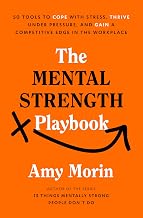


What You'll Learn
- Resilience: Ability to recover quickly from difficulties and setbacks, maintaining a positive outlook
- Self-awareness: Understanding personal emotions, strengths, and weaknesses to make informed decisions
- Emotional regulation: Managing emotions effectively, avoiding impulsive reactions and maintaining balance
- Motivation: Possessing a strong drive to achieve goals, overcoming obstacles and staying focused
- Adaptability: Flexibility in adjusting to new situations, embracing change and learning from experiences

Resilience: Ability to recover quickly from difficulties and setbacks, maintaining a positive outlook
Resilience is a critical component of mental strength, enabling individuals to bounce back from adversity with a positive outlook. This ability is not innate but can be cultivated through deliberate practices and mindset shifts. One effective strategy is to reframe challenges as opportunities for growth rather than insurmountable obstacles. By adopting a growth mindset, individuals can view setbacks as temporary and surmountable, which fosters a sense of control and optimism.
Another key aspect of resilience is the development of strong social connections. Having a supportive network of friends, family, and colleagues can provide emotional support and practical assistance during difficult times. This social support system can help individuals feel less isolated and more capable of handling stress. Additionally, engaging in regular physical activity and maintaining a healthy diet can significantly enhance resilience by improving overall well-being and reducing the negative impact of stress on the body.
Cognitive-behavioral techniques can also be instrumental in building resilience. These techniques involve identifying and challenging negative thought patterns, replacing them with more constructive and realistic ones. For example, instead of catastrophizing a setback, an individual can practice reframing it as a learning experience. Mindfulness practices, such as meditation and deep breathing exercises, can further aid in managing stress and promoting a positive outlook by increasing awareness and reducing reactivity to challenging situations.
In conclusion, resilience is a multifaceted trait that can be developed through a combination of mindset shifts, social support, physical health, and cognitive-behavioral techniques. By actively cultivating these elements, individuals can enhance their ability to recover quickly from difficulties and maintain a positive outlook, thereby strengthening their mental resilience.
The Impact of Social Media on Mental Health: A Comprehensive Guide
You may want to see also
Explore related products



Self-awareness: Understanding personal emotions, strengths, and weaknesses to make informed decisions
Self-awareness is a critical component of mental strength, as it allows individuals to understand their personal emotions, strengths, and weaknesses, which in turn enables them to make informed decisions. This process involves introspection and a willingness to confront one's own biases and limitations. By developing self-awareness, individuals can better navigate complex situations and make choices that align with their values and goals.
One way to cultivate self-awareness is through mindfulness practices, such as meditation and journaling. These activities encourage individuals to pay attention to their thoughts and feelings without judgment, allowing them to gain a deeper understanding of their inner workings. Additionally, seeking feedback from trusted friends, family members, or colleagues can provide valuable insights into one's strengths and weaknesses.
Another important aspect of self-awareness is emotional regulation. This involves recognizing and managing one's emotions in a healthy and constructive manner. By understanding their emotional triggers and responses, individuals can develop strategies to cope with stress, anxiety, and other challenging emotions. This, in turn, can lead to improved decision-making and overall mental well-being.
Self-awareness also plays a crucial role in personal growth and development. By identifying areas for improvement, individuals can set realistic goals and work towards achieving them. This process requires a willingness to step outside of one's comfort zone and embrace new challenges, but the rewards can be significant. As individuals develop their self-awareness, they become better equipped to navigate life's complexities and make choices that lead to greater fulfillment and success.
In conclusion, self-awareness is a vital component of mental strength that enables individuals to understand their emotions, strengths, and weaknesses, and make informed decisions. By cultivating self-awareness through practices such as mindfulness, seeking feedback, and emotional regulation, individuals can develop the skills necessary to navigate life's challenges and achieve their goals.
Decoding Minds: The Art of Mental Evaluation in Everyday Life
You may want to see also
Explore related products


Emotional regulation: Managing emotions effectively, avoiding impulsive reactions and maintaining balance
Emotional regulation is a critical component of mental strength, enabling individuals to navigate life's challenges with resilience and poise. It involves the ability to recognize, understand, and manage one's emotions effectively, ensuring that they do not dictate behavior or decision-making processes. This skill is particularly important in high-pressure situations, where impulsive reactions can lead to negative consequences.
One effective strategy for emotional regulation is mindfulness, a practice that involves being fully present and aware of one's thoughts, feelings, and bodily sensations without judgment. By cultivating mindfulness, individuals can develop a greater awareness of their emotional states and learn to observe their emotions without becoming overwhelmed by them. This, in turn, allows them to respond to challenging situations in a more measured and thoughtful manner.
Another key aspect of emotional regulation is the ability to reframe negative emotions in a more positive light. This does not involve suppressing or denying one's feelings, but rather learning to reinterpret them in a way that is more constructive and empowering. For example, instead of viewing anxiety as a debilitating emotion, one might reframe it as a sign of excitement or anticipation. This shift in perspective can help to reduce the intensity of negative emotions and promote a more balanced emotional state.
In addition to mindfulness and reframing, emotional regulation also involves developing healthy coping mechanisms for dealing with stress and adversity. This might include engaging in physical activity, practicing relaxation techniques, or seeking support from friends and family. By having a range of coping strategies at their disposal, individuals can better manage their emotions and avoid impulsive reactions that might lead to further problems.
Ultimately, emotional regulation is a skill that can be developed and honed over time with practice and dedication. By learning to manage their emotions effectively, individuals can improve their mental strength and better navigate the challenges of everyday life. This, in turn, can lead to greater overall well-being and a more fulfilling and satisfying existence.
Journey to Recovery: Overcoming Mental Illness Through Resilience and Support
You may want to see also
Explore related products


Motivation: Possessing a strong drive to achieve goals, overcoming obstacles and staying focused
Motivation is the fuel that drives individuals to pursue their goals with unwavering determination. It is the internal force that propels people to overcome obstacles, persist through challenges, and maintain focus on their objectives. In the context of mental strength, motivation plays a crucial role in enabling individuals to harness their inner resources and push through adversity.
One key aspect of motivation is goal-setting. Establishing clear, achievable goals provides a sense of direction and purpose, which in turn fuels the drive to succeed. It is essential to set both short-term and long-term goals, as this helps to maintain momentum and motivation over time. Additionally, breaking down larger goals into smaller, manageable tasks can make the journey to success feel less daunting and more attainable.
Another important factor in maintaining motivation is the ability to overcome obstacles. This requires resilience, adaptability, and a growth mindset. When faced with setbacks or challenges, mentally strong individuals do not give up; instead, they view these obstacles as opportunities for growth and learning. They are able to pivot and adjust their approach as needed, and they remain committed to their goals even in the face of adversity.
Staying focused is also critical to maintaining motivation. This involves prioritizing tasks, minimizing distractions, and cultivating a sense of discipline. Mentally strong individuals are able to concentrate on their goals and avoid getting sidetracked by irrelevant activities or thoughts. They are able to maintain a clear vision of their objectives and stay committed to their plans, even when faced with competing demands or pressures.
In conclusion, motivation is a key component of mental strength. It enables individuals to set and achieve goals, overcome obstacles, and maintain focus on their objectives. By cultivating a strong sense of motivation, individuals can harness their inner resources and achieve success in their personal and professional lives.
Legal Recourse for Mental Damage: Understanding Your Rights and Options
You may want to see also
Explore related products


Adaptability: Flexibility in adjusting to new situations, embracing change and learning from experiences
The ability to adapt is a cornerstone of mental strength, enabling individuals to navigate the complexities of life with resilience and grace. This skill involves a willingness to embrace change, learn from experiences, and adjust one's approach in response to new situations. It requires a mindset that is open to growth and transformation, recognizing that challenges are opportunities for development rather than threats to one's ego or well-being.
One practical approach to cultivating adaptability is through the practice of mindfulness. By staying present and focused on the current moment, individuals can better respond to the demands of their environment without becoming overwhelmed by past experiences or future uncertainties. This mindfulness practice can be incorporated into daily routines through meditation, deep breathing exercises, or simply taking a few moments to pause and reflect before reacting to a situation.
Another key aspect of adaptability is the ability to reframe one's perspective. When faced with a setback or obstacle, mentally strong individuals can shift their focus from the problem to the potential solutions, viewing each challenge as a chance to learn and improve. This reframing technique can be applied in various contexts, from personal relationships to professional endeavors, and helps to foster a sense of control and agency in the face of adversity.
In addition to these strategies, it is essential for individuals to develop a support network that can provide guidance and encouragement during times of change. This network can consist of friends, family members, mentors, or colleagues who share similar values and goals. By surrounding oneself with positive influences, individuals can gain the confidence and motivation needed to adapt to new situations and overcome obstacles.
Ultimately, adaptability is a skill that can be developed and refined over time through practice, patience, and perseverance. By embracing change and learning from experiences, individuals can cultivate the mental strength needed to thrive in an ever-changing world.
Navigating Mental Health in the Workplace: Employer's Dilemma
You may want to see also
Frequently asked questions
Mentally strong individuals often exhibit traits such as resilience, self-awareness, and a growth mindset. They are able to handle stress effectively, remain calm under pressure, and maintain a positive outlook even in challenging situations.
Developing mental strength involves practicing self-discipline, setting realistic goals, and learning from failures. It also includes cultivating a support network, engaging in regular self-reflection, and adopting healthy coping mechanisms to manage stress and adversity.
One common misconception is that mental strength means never showing emotions or vulnerability. In reality, mentally strong people can express their feelings and seek help when needed. Another misconception is that mental strength is an innate trait, but it can actually be developed and improved over time through consistent effort and practice.