Noah Parker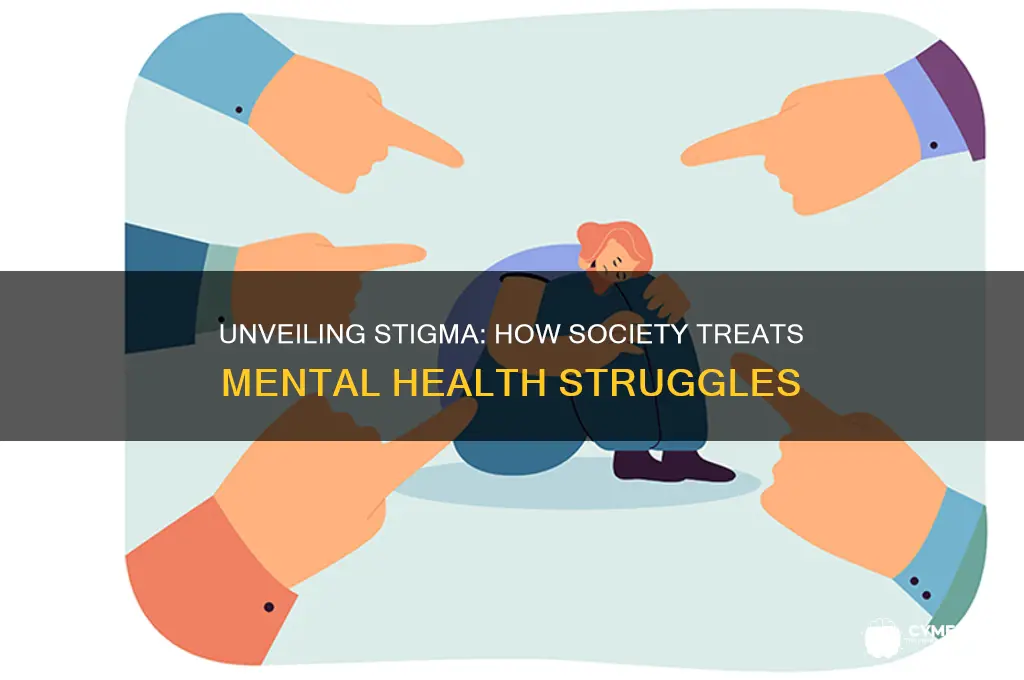
The treatment of individuals with mental health issues remains a critical and multifaceted issue, reflecting societal attitudes, healthcare policies, and cultural stigmas. Despite growing awareness and advocacy, many people with mental health conditions still face discrimination, inadequate access to care, and systemic barriers that hinder their recovery and well-being. In some communities, mental illness is met with misunderstanding, fear, or shame, leading to social isolation and reluctance to seek help. While advancements in therapy, medication, and support systems have improved outcomes for many, disparities persist, particularly for marginalized groups who often encounter additional challenges such as poverty, racism, or lack of insurance. Addressing these issues requires not only improved mental health services but also a shift in societal perceptions to foster empathy, inclusion, and equitable treatment for all.
Explore related products


What You'll Learn
- Stigma and Discrimination: Societal attitudes and biases affecting mental health patients' acceptance and treatment
- Access to Care: Barriers and availability of mental health services globally
- Therapeutic Approaches: Methods like therapy, medication, and holistic treatments for mental health
- Support Systems: Role of family, friends, and community in patient recovery
- Institutional Treatment: Conditions and practices in mental health facilities and hospitals

Stigma and Discrimination: Societal attitudes and biases affecting mental health patients' acceptance and treatment
Stigma and discrimination against individuals with mental health issues persist as pervasive barriers to acceptance and treatment, rooted in societal attitudes and biases that often go unchallenged. A 2021 study published in *The Lancet Psychiatry* revealed that 80% of people with mental health conditions report experiencing stigma, which directly correlates with delayed treatment-seeking behavior. This stigma manifests in various forms, from subtle microaggressions to overt discrimination in employment, housing, and healthcare. For instance, a person diagnosed with schizophrenia is often unfairly labeled as "dangerous," despite data showing that only 3-5% of violent acts are committed by individuals with severe mental illness. Such misconceptions not only isolate those affected but also perpetuate a cycle of fear and avoidance, hindering their integration into society.
To dismantle these biases, it’s instructive to examine the role of media and education in shaping public perception. Media portrayals of mental illness frequently rely on stereotypes—depicting characters as either violent or helpless—which reinforces harmful narratives. For example, a 2019 analysis of Hollywood films found that 60% of characters with mental health conditions were shown as unpredictable or criminal. Conversely, educational campaigns like the UK’s *Time to Change* initiative have demonstrated measurable success in reducing stigma by humanizing mental health struggles through personal stories. Schools and workplaces can adopt similar strategies by incorporating mental health literacy programs, such as teaching employees to recognize symptoms and respond empathetically. Practical steps include organizing workshops, sharing resources like the National Alliance on Mental Illness (NAMI) helpline, and fostering open dialogue to normalize discussions around mental health.
A comparative analysis of stigma across cultures highlights the influence of societal values on acceptance. In collectivist societies, where family honor is paramount, mental illness is often viewed as a private shame, leading to concealment and lack of treatment. For example, in some Asian communities, individuals with depression may be pressured to "save face" rather than seek help. In contrast, individualistic cultures may stigmatize mental health issues as a sign of personal weakness, as seen in the U.S., where phrases like "just toughen up" are commonly used. Addressing these cultural nuances requires tailored interventions, such as engaging community leaders to endorse mental health awareness or translating resources into local languages. A 2020 study in *JAMA Psychiatry* found that culturally adapted interventions reduced stigma by 30% in diverse populations, underscoring the importance of context-specific approaches.
Persuasively, it’s critical to recognize that stigma not only harms individuals but also imposes economic costs on society. The World Health Organization estimates that untreated mental health conditions cost the global economy $1 trillion annually in lost productivity. Employers can mitigate this by implementing policies that prioritize mental well-being, such as offering flexible work hours, providing access to counseling services, and training managers to identify signs of distress. For instance, companies like Unilever and Google have reported increased employee satisfaction and productivity after introducing mental health programs. Policymakers, too, must act by allocating resources to public awareness campaigns and enforcing anti-discrimination laws, such as the Americans with Disabilities Act (ADA), which protects individuals with mental health conditions from workplace discrimination.
In conclusion, combating stigma and discrimination requires a multifaceted approach that challenges societal attitudes, educates the public, and implements systemic changes. By adopting evidence-based strategies and fostering empathy, we can create an environment where individuals with mental health issues are accepted, supported, and empowered to seek treatment. The takeaway is clear: stigma is not inevitable—it is a product of ignorance and fear, and it can be unlearned. Through collective effort, we can transform the narrative and ensure that mental health is treated with the same urgency and compassion as physical health.
Rising Mental Health Challenges: Analyzing the Surge Since 2000
You may want to see also
Explore related products

$22.24 $34.99


$45 $45


Access to Care: Barriers and availability of mental health services globally
Globally, over 70% of people with mental health issues live in low-income countries, where fewer than 1 in 5 receive adequate treatment. This stark disparity highlights a critical issue: access to mental health care is not just uneven—it’s often nonexistent for billions. While high-income nations like the United States and Germany boast specialized clinics and telehealth options, many African and Asian countries have fewer than one psychiatrist per 100,000 people. This gap isn’t merely about resources; it’s a reflection of systemic neglect, cultural stigma, and policy failures that leave vulnerable populations stranded.
Consider the barriers: cost, geography, and cultural misconceptions form a trifecta of obstacles. In rural India, for instance, traveling to the nearest mental health facility can take an entire day, assuming one exists within a 100-kilometer radius. Even in urban areas, out-of-pocket expenses for therapy sessions or medication can consume up to 50% of a family’s monthly income. Meanwhile, in the United States, despite its wealth, nearly 11% of individuals with mental health needs report unmet treatment due to insurance gaps or provider shortages. These challenges are compounded by stigma—in many cultures, mental illness is seen as a personal failing or spiritual curse, deterring individuals from seeking help altogether.
To address these barriers, innovative solutions are emerging, though they remain fragmented. Telepsychiatry, for example, has bridged gaps in countries like Australia and Canada, where remote consultations reach underserved communities. In Nigeria, community health workers are being trained to identify and manage mild to moderate mental health conditions, bypassing the need for specialists. However, such initiatives are often pilot programs lacking scalability or government backing. A more systemic approach is needed—one that integrates mental health into primary care, subsidizes treatment costs, and educates communities to dismantle stigma.
The takeaway is clear: improving access to mental health care requires a multi-pronged strategy. Governments must prioritize funding and infrastructure, while international organizations should advocate for mental health as a human right. Individuals can contribute by supporting local initiatives and challenging stigmatizing narratives. Without concerted effort, the global mental health crisis will only deepen, leaving millions to suffer in silence. The question isn’t whether we can afford to act—it’s whether we can afford not to.
Opioids and Mental Health: Unraveling the Devastating Psychological Impact
You may want to see also
Explore related products





Therapeutic Approaches: Methods like therapy, medication, and holistic treatments for mental health
Mental health treatment is not one-size-fits-all. Therapeutic approaches vary widely, tailored to individual needs, conditions, and preferences. Among the most common methods are therapy, medication, and holistic treatments, each offering distinct benefits and considerations. Understanding these options empowers individuals to make informed decisions about their care.
Therapy: The Power of Conversation
Psychotherapy, or talk therapy, is a cornerstone of mental health treatment. Cognitive Behavioral Therapy (CBT), for instance, helps individuals identify and change negative thought patterns, often in 12 to 20 sessions. Dialectical Behavior Therapy (DBT) focuses on emotional regulation and is particularly effective for borderline personality disorder. For children and adolescents, play therapy uses creative activities to express emotions, while family therapy addresses relational dynamics affecting mental health. The key to success lies in consistency and finding a therapist who aligns with the individual’s communication style and goals.
Medication: Balancing Chemistry
Psychiatric medications can stabilize symptoms, often in conjunction with therapy. Antidepressants like selective serotonin reuptake inhibitors (SSRIs) are commonly prescribed for depression and anxiety, with dosages starting as low as 10 mg/day for adults. Mood stabilizers such as lithium are used for bipolar disorder, requiring regular blood tests to monitor levels. Stimulants like methylphenidate treat ADHD, typically starting at 5–10 mg/day for children and adjusted based on response. While medication can be life-changing, side effects like weight gain, drowsiness, or emotional numbing must be weighed against benefits. Always consult a psychiatrist for personalized dosing and monitoring.
Holistic Treatments: Beyond the Conventional
Holistic approaches address mental health through physical, emotional, and spiritual well-being. Mindfulness-based stress reduction (MBSR) teaches meditation and body awareness, reducing symptoms of anxiety and depression. Yoga and tai chi improve mood by combining movement with breath control. Nutritional interventions, such as increasing omega-3 fatty acids or reducing sugar intake, can support brain health. Acupuncture and herbal remedies like St. John’s wort are explored by some, though scientific evidence varies. These methods are often used alongside traditional treatments, offering a comprehensive approach to healing.
Integrating Approaches: A Personalized Path
Combining therapy, medication, and holistic treatments can maximize outcomes. For example, a person with major depression might take an SSRI, attend weekly CBT sessions, and practice daily mindfulness. However, integration requires careful planning. Herbal supplements can interact with medications, and overloading on treatments may lead to burnout. Start with one or two methods, assess progress, and adjust as needed. Collaboration between healthcare providers ensures a cohesive treatment plan.
Practical Tips for Success
Track symptoms daily to measure progress and identify triggers. Communicate openly with providers about side effects or concerns. For holistic practices, start small—try a 5-minute meditation or a short walk daily. If medication is prescribed, take it as directed and allow 4–6 weeks for noticeable effects. Remember, mental health is a journey, and finding the right therapeutic mix takes time and patience.
Understanding the Prevalence of Mental Health Issues in Society
You may want to see also
Explore related products


$14.15 $20

$12.14 $19.99


Support Systems: Role of family, friends, and community in patient recovery
The presence of a strong support system can significantly influence the recovery journey of individuals facing mental health challenges. Family, friends, and community members often serve as the first line of defense, offering emotional, practical, and sometimes even financial assistance. For instance, a study published in the *Journal of Psychiatric Research* highlights that patients with bipolar disorder who received consistent family support experienced fewer relapses and shorter hospital stays compared to those without such backing. This underscores the tangible impact of a supportive network on mental health outcomes.
Consider the role of family as a cornerstone of recovery. Families can provide a stable environment, help monitor medication adherence, and offer reassurance during episodes of distress. For example, parents of adolescents with depression can implement structured routines, encourage open communication, and collaborate with therapists to create a unified treatment plan. However, it’s crucial for families to balance support with autonomy, as over-involvement can sometimes lead to dependency or resentment. Practical tips include attending family therapy sessions, educating themselves about the specific mental health condition, and setting realistic expectations for recovery timelines.
Friends, on the other hand, bring a unique dynamic to the support system. They often provide a sense of normalcy, companionship, and distraction from the challenges of mental illness. A peer support group, for instance, can foster a sense of belonging and reduce feelings of isolation. However, friends must be mindful of their boundaries and avoid enabling harmful behaviors. Encouraging activities like shared hobbies, regular check-ins, and active listening can strengthen these relationships. For example, a friend of someone with anxiety might suggest short walks or mindfulness exercises as a way to cope together.
Communities play a broader yet equally vital role in mental health recovery. Local organizations, religious groups, and online forums can offer resources, education, and a sense of collective understanding. For instance, community-based programs like peer-led workshops or art therapy sessions have been shown to improve self-esteem and reduce symptoms in individuals with schizophrenia. Communities can also advocate for policy changes, such as increased funding for mental health services or the destigmatization of mental illness through public awareness campaigns. Practical steps for community involvement include volunteering at mental health organizations, participating in fundraising events, and promoting inclusive language in everyday conversations.
In conclusion, the interplay of family, friends, and community forms a multifaceted support system that can profoundly impact mental health recovery. Each component brings distinct strengths—family provides stability, friends offer companionship, and communities foster belonging. By understanding and leveraging these roles, individuals can create a robust network that complements professional treatment. The key lies in fostering open communication, setting realistic expectations, and actively engaging with available resources. Together, these elements can transform the recovery journey from a solitary struggle into a collective effort toward healing.
Police Response to Mental Health Crises: Frequency and Challenges
You may want to see also
Explore related products


Institutional Treatment: Conditions and practices in mental health facilities and hospitals
The conditions within mental health facilities and hospitals often reflect a complex interplay of therapeutic intent and systemic limitations. Patients admitted to these institutions are typically placed in environments designed to minimize self-harm and stabilize acute symptoms, which can include sparse, lockable rooms and limited access to personal items. For instance, sharps (like pens or utensils) are frequently restricted to prevent injury, while daily schedules are rigidly structured around medication administration, therapy sessions, and group activities. While such measures prioritize safety, they can also create an atmosphere that feels dehumanizing or punitive, particularly for individuals who respond better to less restrictive settings.
Consider the role of pharmacotherapy in institutional treatment, where antipsychotics like olanzapine (dosage: 5–20 mg/day) or mood stabilizers such as lithium (target serum level: 0.8–1.0 mEq/L) are commonly prescribed. These medications are often administered under direct observation to ensure compliance, a practice that, while clinically necessary for some, can erode trust between patients and staff. The reliance on medication as a primary intervention raises ethical questions, especially when combined with physical restraints or seclusion—practices still employed in up to 30% of U.S. psychiatric facilities, according to a 2021 study. Such methods, though intended to manage aggression or agitation, can exacerbate trauma in patients with histories of abuse or neglect.
Contrast this with the growing adoption of recovery-oriented models, which emphasize patient autonomy and holistic care. Facilities implementing these approaches often incorporate peer support specialists—individuals with lived experience of mental illness—into treatment teams. For example, the "Open Dialogue" model, pioneered in Finland, reduces hospitalization rates by engaging patients and their support networks in collaborative decision-making. Similarly, some U.S. hospitals now offer "trauma-informed care," which avoids triggering practices like forced treatment by prioritizing consent and emotional safety. These innovations highlight the potential for institutional treatment to evolve beyond control-focused paradigms.
However, disparities in care quality persist, particularly in underfunded or overcrowded facilities. A 2020 WHO report noted that low-income countries allocate less than 1% of their health budgets to mental health, resulting in institutions where staff-to-patient ratios can exceed 1:25. In such environments, individualized care becomes nearly impossible, and patients may spend hours in isolation or without meaningful therapeutic engagement. Even in well-resourced settings, the stigma surrounding mental illness can lead to neglect, as evidenced by a 2019 U.K. inquiry revealing that 1,200 psychiatric inpatients died prematurely due to inadequate physical healthcare.
To improve institutional treatment, stakeholders must address these systemic issues while adopting evidence-based practices. For instance, facilities could implement sensory rooms as alternatives to seclusion, providing patients with calming tools like weighted blankets or noise-canceling headphones. Staff training in de-escalation techniques and cultural competency can reduce the need for coercive measures, particularly for marginalized groups such as racial minorities or LGBTQ+ individuals. Ultimately, the goal should be to create environments that balance safety with dignity, recognizing that healing requires more than symptom management—it demands humanity.
Rising Mental Health Challenges: Uncovering the Surge in Global Struggles
You may want to see also
Frequently asked questions
People with mental health issues are treated through a combination of therapy, medication, and support services tailored to their specific needs. Healthcare providers aim to create individualized treatment plans that address symptoms, improve functioning, and enhance overall well-being.
Employers are legally required to provide reasonable accommodations for employees with mental health issues under laws like the Americans with Disabilities Act (ADA). However, stigma and lack of awareness can still lead to discrimination or unequal treatment in some workplaces.
Societal treatment varies widely. While there is growing awareness and acceptance, stigma and misconceptions persist. Many face judgment, exclusion, or lack of understanding, though advocacy efforts are working to promote empathy and support.
Therapy, such as cognitive-behavioral therapy (CBT) or dialectical behavior therapy (DBT), is a cornerstone of treatment. It helps individuals develop coping strategies, address underlying issues, and improve their mental health over time.
In emergencies, individuals may be hospitalized for stabilization if they pose a risk to themselves or others. Treatment focuses on immediate safety, medication management, and connecting them to long-term care resources.