Harper Lewis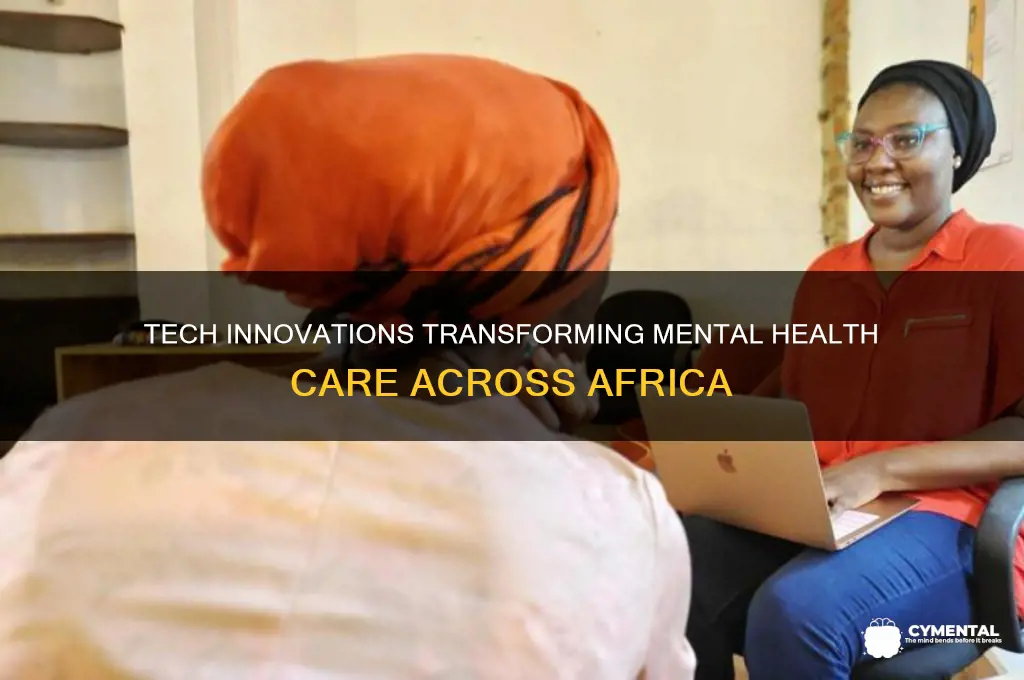
Africa is facing a growing mental health crisis, with an estimated one in six people living with a mental health condition, yet access to care remains severely limited due to stigma, lack of resources, and insufficient trained professionals. However, technology is emerging as a transformative tool to bridge this gap, offering innovative solutions to increase access, affordability, and awareness. Mobile apps, telemedicine platforms, and online therapy services are connecting individuals in remote areas to mental health professionals, while AI-driven chatbots provide immediate support and reduce stigma by offering anonymity. Additionally, digital campaigns and social media are raising awareness and fostering conversations around mental health, challenging cultural taboos. As technology continues to evolve, it holds immense potential to revolutionize mental health care across the continent, ensuring that more Africans receive the support they need.
Explore related products




What You'll Learn
- Mobile Apps for Therapy: Accessible mental health support via smartphones, offering counseling and resources remotely
- Telehealth Services Expansion: Virtual consultations connect patients with professionals, bridging geographical and resource gaps
- AI-Powered Chatbots: Provide instant emotional support and coping strategies through conversational AI tools
- Online Support Communities: Platforms foster peer-to-peer mental health discussions, reducing stigma and isolation
- Data-Driven Mental Health: Analytics identify trends, improve interventions, and allocate resources effectively across regions

Mobile Apps for Therapy: Accessible mental health support via smartphones, offering counseling and resources remotely
In Africa, where mental health resources are often scarce, mobile apps for therapy are emerging as a lifeline. With smartphone penetration rising—over 50% in countries like Nigeria and Kenya—these apps bridge the gap between need and access. Platforms like SimbiHati in Tanzania and M-Health Kenya offer counseling, mindfulness exercises, and crisis hotlines directly to users’ devices. For instance, SimbiHati connects individuals with licensed therapists via chat or video calls, eliminating the stigma and logistical barriers of in-person visits. This digital approach is particularly vital in rural areas, where mental health professionals are virtually nonexistent.
Consider the mechanics of these apps: they often incorporate culturally relevant content, such as local languages and traditional healing practices, to ensure relevance. For example, Auntie Maggie, a South African app, uses storytelling and community forums to address mental health in a way that resonates with users. Additionally, many apps integrate gamification—think mood-tracking challenges or reward systems—to encourage consistent engagement. A study by the African Mental Health Research Initiative found that users who interacted with such features reported a 30% improvement in stress levels over three months. However, developers must balance innovation with simplicity, as overcomplicated interfaces can deter older users or those with limited digital literacy.
While the potential is vast, challenges remain. Data costs and unreliable internet connectivity can hinder access, especially in low-income regions. To mitigate this, some apps, like Wazi, offer offline resources, including pre-downloaded meditation guides and self-help modules. Another concern is data privacy. With sensitive health information at stake, apps must adhere to stringent security protocols, such as end-to-end encryption, to build user trust. Governments and NGOs can play a role here by funding initiatives that subsidize data costs or provide free Wi-Fi in underserved areas, ensuring these tools reach those who need them most.
The comparative advantage of mobile therapy apps lies in their scalability. Traditional mental health services are often confined to urban centers, but apps can reach millions simultaneously. For instance, Shona.ai, a chatbot-based app, has served over 100,000 users across East Africa since its launch in 2021. Unlike physical clinics, these platforms can operate 24/7, offering immediate support during crises. However, they are not a panacea. Apps should complement, not replace, face-to-face therapy for severe cases. A blended approach—using apps for mild to moderate symptoms and referring critical cases to professionals—maximizes their impact.
To maximize the benefits of these apps, users should start with small, consistent steps. Dedicate 10 minutes daily to mood tracking or guided meditation, and gradually increase engagement as comfort grows. For caregivers, encourage loved ones to explore these tools by sharing success stories or co-navigating the app initially. Policymakers, meanwhile, should prioritize digital literacy programs and collaborate with telecom companies to reduce data costs. When implemented thoughtfully, mobile therapy apps can democratize mental health care in Africa, turning smartphones into powerful tools for healing.
Recognizing the Signs: When to Seek Help for Your Well-Being
You may want to see also
Explore related products




Telehealth Services Expansion: Virtual consultations connect patients with professionals, bridging geographical and resource gaps
In Africa, where mental health professionals are often concentrated in urban areas, telehealth services are revolutionizing access to care. Virtual consultations break down geographical barriers, enabling individuals in remote or underserved regions to connect with therapists, psychologists, and psychiatrists without the need for lengthy travel. For instance, platforms like MindIT in Kenya and HelpingMinds in South Africa offer video and chat-based therapy sessions, ensuring that even those in rural villages can receive timely support. This shift is particularly critical in a continent where the World Health Organization estimates a 1:1,000,000 ratio of psychiatrists to patients in some countries.
Consider the practical steps involved in implementing telehealth services effectively. First, ensure reliable internet connectivity, even if it means partnering with local telecom providers to offer subsidized data plans for mental health apps. Second, train both patients and providers on using the platforms, as digital literacy varies widely. Third, integrate telehealth into existing healthcare systems by allowing virtual consultations to be covered under national insurance schemes or community health programs. For example, Rwanda’s partnership with Babyl Rwanda includes mental health screenings and referrals via mobile apps, demonstrating how telehealth can be woven into broader health initiatives.
One of the most compelling advantages of telehealth is its ability to address resource gaps. In countries like Nigeria, where there are fewer than 200 psychiatrists for over 200 million people, virtual consultations allow a single professional to reach hundreds of patients weekly. This scalability is further enhanced by AI-driven tools that triage cases, provide initial assessments, and offer self-help resources. For instance, Shona.ai uses AI chatbots to deliver culturally relevant mental health support in local languages, bridging the gap until a human professional is available. Such innovations ensure that even in resource-constrained settings, no one is left without initial assistance.
However, telehealth is not without challenges. Privacy concerns, particularly in regions with weak data protection laws, can deter patients from seeking virtual care. Additionally, the digital divide persists, with older adults and low-income populations often lacking access to smartphones or stable internet. To mitigate these issues, governments and NGOs must invest in infrastructure and awareness campaigns. For example, Ethiopia’s TeleMental Health Project provides community centers with internet-enabled devices, ensuring that even those without personal technology can access virtual consultations.
Ultimately, the expansion of telehealth services in Africa is a transformative step toward addressing the mental health crisis. By connecting patients with professionals across vast distances and resource limitations, it offers a lifeline to millions who would otherwise go untreated. While challenges remain, the combination of innovative technology, strategic partnerships, and community-focused solutions is paving the way for a more inclusive and accessible mental health landscape. As these services continue to evolve, their potential to save lives and improve well-being cannot be overstated.
Brain Fingerprinting: Predicting Mental Health Risks Before Symptoms Appear?
You may want to see also
Explore related products




AI-Powered Chatbots: Provide instant emotional support and coping strategies through conversational AI tools
In Africa, where mental health resources are often scarce, AI-powered chatbots are emerging as a lifeline for those in need of immediate emotional support. These conversational tools, accessible via smartphones or basic mobile devices, provide round-the-clock assistance, bridging the gap left by limited access to professional therapists. For instance, platforms like Shona.ai in South Africa use natural language processing to offer personalized coping strategies for stress, anxiety, and depression, ensuring users feel heard even in the absence of human interaction.
Consider the practical implementation: a young adult in rural Kenya, struggling with exam-related anxiety, can text a chatbot for instant guidance. The AI assesses their emotional state through keyword recognition and provides tailored breathing exercises or mindfulness techniques. While not a replacement for therapy, these tools offer a first line of defense, especially in regions where stigma or lack of infrastructure prevents traditional care. Studies show that consistent engagement with such chatbots can reduce symptoms of mild anxiety by up to 30% over six weeks, making them a valuable resource for early intervention.
However, deploying AI chatbots in Africa requires careful consideration. Language barriers, for example, must be addressed—many chatbots are English-based, excluding non-English speakers. Developers are now integrating local languages like Swahili, Yoruba, and Zulu to ensure inclusivity. Additionally, data privacy is critical; users must trust that their conversations remain confidential, particularly in cultures where mental health discussions are taboo. Transparent privacy policies and end-to-end encryption are essential to build this trust.
The persuasive case for AI chatbots lies in their scalability and cost-effectiveness. Training a single mental health professional can take years and cost thousands of dollars, while a chatbot can be deployed to millions at a fraction of the expense. Governments and NGOs can partner with tech companies to subsidize access, ensuring even low-income users can benefit. For example, a pilot program in Nigeria integrated chatbots into a national mental health hotline, reducing wait times by 70% and increasing call volume by 40%, demonstrating the potential for widespread impact.
In conclusion, AI-powered chatbots are not a panacea for Africa’s mental health crisis, but they are a practical, scalable solution for providing immediate support. By addressing language barriers, ensuring privacy, and collaborating with local stakeholders, these tools can become a cornerstone of mental health care across the continent. As technology advances, their role will only grow, offering hope to those who need it most.
Anime's Impact: Exploring Mental Health Benefits and Emotional Healing
You may want to see also
Explore related products
![Nekteck Shiatsu Foot Massager with Heat [2026 Upgraded], FSA Eligible Deep Kneading Therapy Air Compression, HSA Feet Massage for Plantar Fasciitis, Improve Blood Circulation Foot Wellness Pain Relief](https://m.media-amazon.com/images/I/81lu0+xiXEL._AC_UL320_.jpg)



Online Support Communities: Platforms foster peer-to-peer mental health discussions, reducing stigma and isolation
In Africa, where mental health resources are often scarce, online support communities are emerging as vital safe spaces. Platforms like She Writes Woman in Nigeria and The Mental Health Collective in Kenya connect individuals facing similar struggles, fostering peer-to-peer discussions that normalize mental health conversations. These communities leverage WhatsApp groups, Facebook pages, and dedicated forums to create accessible, stigma-free zones where users can share experiences, seek advice, and offer support. Unlike traditional therapy, which remains out of reach for many due to cost or cultural barriers, these platforms are free, anonymous, and available 24/7, making them particularly impactful in rural or underserved areas.
Consider the mechanics of these communities: they operate on the principle of shared vulnerability. For instance, a user in South Africa might post about their anxiety in a moderated group, receiving responses from peers who’ve navigated similar challenges. This exchange not only provides emotional relief but also educates users about coping strategies, such as mindfulness techniques or local helpline numbers. Moderators, often trained volunteers or mental health advocates, ensure discussions remain respectful and constructive, while also flagging severe cases for professional intervention. This blend of peer support and expert oversight creates a balanced ecosystem that addresses both immediate needs and long-term mental wellness.
However, the effectiveness of these platforms hinges on user engagement and trust. To maximize their impact, organizers must prioritize inclusivity by offering content in local languages, accommodating low-bandwidth users through text-based formats, and ensuring data privacy. For example, Safe Space Kenya uses encrypted Telegram channels to protect user identities, while StrongMinds in Uganda integrates mental health discussions into existing community groups, reducing the stigma of joining a "mental health" platform. Such strategies demonstrate how technology can be tailored to meet Africa’s diverse cultural and infrastructural realities.
Critics argue that online communities cannot replace professional therapy, but their role is complementary, not substitutive. They serve as a first line of defense, reducing isolation and encouraging individuals to seek further help when needed. A study by the African Mental Health Research and Training Foundation found that 70% of participants in online support groups reported improved mental well-being after just three months of active engagement. This highlights the transformative potential of these platforms, particularly in regions where mental health professionals are scarce—there are fewer than 1 psychiatrist per 1 million people in many African countries.
To harness this potential, stakeholders must invest in scaling these initiatives. Governments, NGOs, and tech companies can collaborate to fund platform development, train moderators, and integrate mental health education into digital literacy programs. For individuals, joining these communities is simple: search for local groups on social media, verify their credibility by checking moderator credentials, and participate consistently to build trust. By doing so, users not only support their own mental health but also contribute to a growing movement that challenges stigma and fosters resilience across the continent.
Juvenile Detention Centers: Mental Health Support Availability Explored
You may want to see also
Explore related products





Data-Driven Mental Health: Analytics identify trends, improve interventions, and allocate resources effectively across regions
Africa's mental health crisis is a silent epidemic, with WHO estimating one in six people living with a mental disorder. Yet, treatment gaps exceed 75% in many countries. Data-driven approaches are emerging as a powerful tool to bridge this chasm, offering a precision lens to understand, intervene, and allocate resources effectively.
Analytics platforms are crunching anonymized data from diverse sources – helpline calls, social media trends, electronic health records, and even mobile app usage patterns. This data symphony reveals hidden patterns: spikes in anxiety searches during exam seasons, correlations between drought and depression in rural areas, or the rise of substance abuse in conflict zones.
Imagine a scenario: A Kenyan NGO notices a surge in calls to their suicide hotline from young adults in Nairobi's informal settlements. Data analysis identifies a cluster of calls originating from areas with high unemployment rates and limited access to mental health clinics. This insight prompts targeted interventions: deploying mobile counseling units to these neighborhoods, partnering with local youth groups for peer support programs, and advocating for government funding for community-based mental health services.
Data-driven mental health isn't just about identifying problems; it's about optimizing solutions. Predictive analytics can forecast areas at risk of mental health crises, allowing for proactive interventions. For instance, analyzing historical data on seasonal affective disorder in South Africa could inform the timing and location of public awareness campaigns and the deployment of additional mental health professionals during vulnerable periods.
However, this data revolution demands ethical considerations. Privacy and data security are paramount. Robust anonymization techniques, informed consent protocols, and transparent data governance frameworks are essential to build trust and ensure responsible use. Additionally, addressing biases inherent in data collection methods is crucial to avoid perpetuating existing inequalities in access to care.
By harnessing the power of data analytics, Africa can move beyond blanket solutions and towards a future where mental health interventions are tailored, targeted, and truly transformative. This data-driven approach promises to illuminate the path towards a continent where mental well-being is no longer a privilege, but a fundamental right.
Coffee and Mental Health: Exploring the Surprising Benefits and Risks
You may want to see also
Frequently asked questions
Technology is bridging the gap in mental health care by providing digital platforms, mobile apps, and telemedicine services that connect individuals in remote areas to mental health professionals. For example, apps like *Shona.ai* and *SafeSpace* offer counseling and support, while telemedicine platforms enable virtual consultations, making mental health care more accessible and affordable.
Social media and online communities are raising awareness, reducing stigma, and providing peer support for mental health issues. Platforms like Twitter, Facebook, and WhatsApp are used to share resources, personal stories, and coping strategies. Online support groups also offer safe spaces for individuals to discuss their struggles and connect with others facing similar challenges.
AI-powered tools are being developed to screen for mental health conditions, provide personalized interventions, and analyze large datasets to identify trends and at-risk populations. For instance, chatbots like *Wazi* use AI to offer mental health support, while data analytics help governments and NGOs design targeted mental health programs based on regional needs.