Madison Cole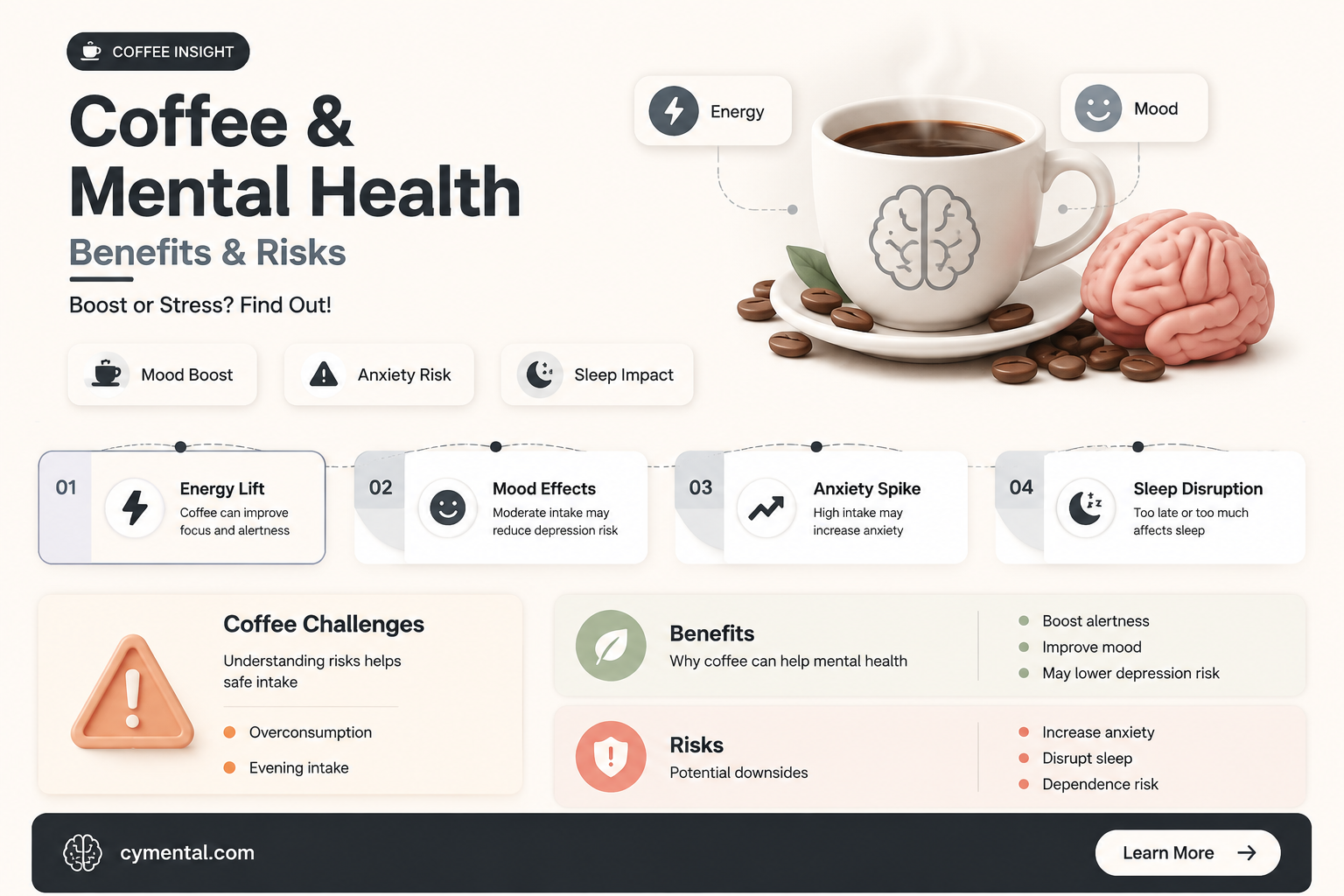
Coffee, a staple in the daily routines of millions worldwide, is often associated with its ability to boost energy and improve focus. However, its impact on mental health is a topic of growing interest and debate. Research suggests that moderate coffee consumption may offer certain mental health benefits, such as reducing the risk of depression and anxiety by influencing neurotransmitters like dopamine and serotonin. Additionally, the social aspect of coffee consumption, whether in a café or with colleagues, can foster a sense of connection and well-being. Yet, excessive intake may lead to negative effects, including heightened anxiety and disrupted sleep, which can exacerbate mental health issues. As such, understanding the nuanced relationship between coffee and mental health is essential for harnessing its potential benefits while mitigating risks.
| Characteristics | Values |
|---|---|
| Cognitive Function | Coffee consumption is linked to improved alertness, attention, and reaction time due to caffeine's ability to block adenosine receptors in the brain. |
| Mood Enhancement | Moderate coffee intake may reduce the risk of depression by increasing dopamine and serotonin levels, though excessive consumption can have the opposite effect. |
| Anxiety | High doses of caffeine can exacerbate anxiety symptoms, but moderate intake (1-2 cups/day) does not significantly increase anxiety risk for most individuals. |
| Neuroprotection | Long-term coffee consumption is associated with a lower risk of neurodegenerative diseases like Alzheimer's and Parkinson's, possibly due to antioxidants and anti-inflammatory properties. |
| Stress Resilience | Caffeine may enhance stress resilience by modulating cortisol levels, but individual tolerance varies. |
| Sleep Disruption | Excessive or late-day coffee consumption can disrupt sleep, indirectly affecting mental health by impairing cognitive and emotional regulation. |
| Addiction Risk | Caffeine dependence can lead to withdrawal symptoms (e.g., headaches, irritability), which may negatively impact mental health in susceptible individuals. |
| Individual Variability | Effects of coffee on mental health vary based on genetics, metabolism, and pre-existing conditions (e.g., anxiety disorders). |
| Antioxidant Benefits | Coffee contains antioxidants like chlorogenic acids, which may reduce oxidative stress and inflammation, indirectly supporting mental health. |
| Social and Ritualistic Benefits | The act of drinking coffee can provide social and psychological comfort, contributing positively to mental well-being. |
Explore related products


What You'll Learn
- Coffee and Depression: Caffeine may reduce depression risk by boosting mood and neurotransmitter activity in the brain
- Anxiety and Caffeine: High doses can increase anxiety, but moderate intake may have calming effects
- Cognitive Function: Coffee enhances focus, memory, and alertness by blocking adenosine receptors
- Stress Reduction: Caffeine stimulates dopamine and serotonin, potentially reducing stress and improving resilience
- Sleep Impact: Excessive coffee disrupts sleep, indirectly affecting mental health; moderation is key

Coffee and Depression: Caffeine may reduce depression risk by boosting mood and neurotransmitter activity in the brain
Caffeine, the world's most widely consumed psychoactive substance, has long been associated with its ability to combat fatigue and enhance focus. However, emerging research suggests its impact on mental health, particularly depression, may be more profound than previously thought. Studies indicate that moderate coffee consumption—typically defined as 2-4 cups per day—is linked to a reduced risk of depression. This effect is attributed to caffeine’s ability to modulate neurotransmitter activity, specifically by increasing dopamine and serotonin levels, which are often depleted in individuals with depression. For instance, a 2016 meta-analysis published in the *Australian and New Zealand Journal of Psychiatry* found that each cup of coffee consumed per day was associated with an 8% decrease in depression risk.
To harness coffee’s potential mood-boosting benefits, consider timing and dosage. Consuming coffee in the morning or early afternoon is ideal, as caffeine’s half-life (typically 5-6 hours) can interfere with sleep if taken too late. For adults under 65, up to 400 mg of caffeine per day (roughly 4 cups of brewed coffee) is considered safe and may contribute to improved mood. However, individual tolerance varies, so start with one cup daily and monitor your response. Pairing coffee with a balanced diet rich in omega-3 fatty acids and complex carbohydrates can further support neurotransmitter function, amplifying its antidepressant effects.
While coffee’s role in reducing depression risk is promising, it’s not a standalone treatment. Caffeine can exacerbate anxiety in some individuals, particularly those predisposed to anxiety disorders. Additionally, excessive consumption (over 400 mg/day) may lead to jitteriness, insomnia, or dependency, which can counteract its mood-enhancing benefits. Pregnant women, older adults, and individuals with cardiovascular conditions should consult a healthcare provider before increasing caffeine intake. Coffee should complement, not replace, evidence-based treatments like therapy or medication.
Comparatively, coffee’s impact on depression stands out when juxtaposed with other dietary interventions. For example, while dark chocolate and green tea also contain mood-enhancing compounds like theobromine and L-theanine, coffee’s higher caffeine content provides a more immediate and potent effect on neurotransmitter activity. However, unlike prescription antidepressants, coffee’s benefits are subtle and cumulative, requiring consistent, moderate consumption. This makes it a practical, accessible adjunct to mental health strategies, particularly for those seeking natural ways to support emotional well-being.
Incorporating coffee into a mental health routine requires mindfulness and personalization. Experiment with different brewing methods—cold brew, for instance, has 60-70% less acidity than hot coffee, which may suit those with sensitive stomachs. Avoid adding excessive sugar, as it can lead to energy crashes and negate coffee’s benefits. Instead, opt for natural sweeteners like honey or cinnamon. Finally, combine coffee consumption with lifestyle habits such as regular exercise, adequate sleep, and social connection for a holistic approach to depression prevention. While not a cure-all, coffee’s role in boosting mood and neurotransmitter activity makes it a valuable tool in the mental health toolkit.
Mental Health Programs: Long-Term Benefits for Students' Well-Being and Success
You may want to see also
Explore related products


Anxiety and Caffeine: High doses can increase anxiety, but moderate intake may have calming effects
Caffeine’s impact on anxiety is a double-edged sword, with effects hinging heavily on dosage. Studies show that high caffeine intake—typically above 400 mg per day (about 4 cups of brewed coffee)—can exacerbate anxiety symptoms in susceptible individuals. This occurs because caffeine stimulates the central nervous system, increasing heart rate, blood pressure, and cortisol levels, which mimic and intensify the body’s stress response. For those with pre-existing anxiety disorders, this can trigger panic attacks or heighten feelings of unease. However, the relationship isn’t universally negative, as moderate consumption may offer a different outcome.
To harness caffeine’s potential calming effects, moderation is key. Research suggests that moderate intake—around 200–300 mg per day (2–3 cups of coffee)—can improve focus and mood without overstimulating the nervous system. This is partly due to caffeine’s ability to enhance dopamine and serotonin production, neurotransmitters linked to feelings of well-being. For example, a 2016 study published in *Psychopharmacology* found that moderate caffeine consumption reduced anxiety in test subjects during stress-inducing tasks. Practical tips include monitoring daily intake, avoiding caffeine after 2 p.m. to prevent sleep disruption, and pairing coffee with a balanced meal to blunt its peak effects.
Age and individual tolerance play critical roles in how caffeine affects anxiety. Younger adults, particularly those under 25, may be more sensitive to caffeine’s anxiogenic effects due to still-developing nervous systems. Older adults, while generally more tolerant, should still exercise caution, as metabolism slows with age, prolonging caffeine’s presence in the body. Pregnant individuals and those with medical conditions like hypertension or heart arrhythmias should limit intake further, as recommended by health guidelines. Tailoring caffeine consumption to personal health status and age ensures a safer experience.
For those seeking to manage anxiety through caffeine, a step-by-step approach can be beneficial. Start by tracking current intake for a week to establish a baseline. Gradually reduce consumption if exceeding 400 mg daily, cutting back by 25 mg increments to minimize withdrawal symptoms like headaches. Experiment with moderate doses (200–300 mg) to observe their effects on mood and anxiety. Incorporate decaffeinated options or herbal teas as alternatives, especially in the afternoon and evening. Finally, combine caffeine with stress-reduction techniques like mindfulness or exercise for a holistic approach to anxiety management.
While caffeine’s role in mental health is complex, its impact on anxiety underscores the importance of balance. High doses can worsen anxiety, but moderate intake may offer a soothing effect for some. By understanding dosage, individual factors, and practical strategies, individuals can navigate caffeine’s effects more mindfully. This nuanced approach allows coffee to be a tool for mental well-being rather than a trigger for distress.
Hydrogen Water and Mental Health: Exploring Potential Benefits and Science
You may want to see also
Explore related products


Cognitive Function: Coffee enhances focus, memory, and alertness by blocking adenosine receptors
Coffee's impact on cognitive function is rooted in its ability to block adenosine receptors in the brain. Adenosine, a neurotransmitter, promotes sleep and suppresses arousal. When coffee’s caffeine molecules bind to these receptors instead, they prevent adenosine from doing its job, leading to increased neuron firing and the release of stimulatory neurotransmitters like dopamine and norepinephrine. This mechanism explains why a cup of coffee can swiftly enhance focus, alertness, and memory recall, particularly in tasks requiring sustained attention or quick decision-making.
To maximize these cognitive benefits, timing and dosage are critical. Studies suggest that moderate caffeine intake—typically 40–300 mg (about 1–3 cups of coffee, depending on brew strength)—is optimal for most adults. Consuming coffee in the morning or early afternoon aligns with the body’s natural circadian rhythm, avoiding interference with sleep. However, individual tolerance varies; younger adults (18–30) may metabolize caffeine faster, while older adults (50+) may be more sensitive to its effects. Experimenting with smaller doses (e.g., 50–100 mg) can help identify personal thresholds without overstimulation.
While coffee’s cognitive benefits are well-documented, overconsumption can backfire. Excessive caffeine (above 400 mg daily) may lead to jitters, anxiety, or disrupted sleep, counteracting its positive effects. Pairing coffee with a balanced diet and hydration can mitigate these risks. For instance, combining coffee with a source of healthy fats (like avocado or nuts) can slow caffeine absorption, providing a steadier energy release. Conversely, avoid pairing it with sugary snacks, as this can cause energy crashes later.
A practical tip for leveraging coffee’s cognitive boost is to time it strategically around mentally demanding tasks. For students or professionals, drinking coffee 20–30 minutes before studying, meetings, or creative work can optimize focus. However, reliance on coffee as a sole cognitive enhancer is unwise; combining it with adequate sleep, regular exercise, and mental breaks creates a synergistic effect. For those with pre-existing anxiety or sleep disorders, consulting a healthcare provider before increasing caffeine intake is advisable.
In comparison to other cognitive enhancers, coffee stands out for its accessibility and dual role as a social beverage. Unlike prescription stimulants, it’s widely available and culturally ingrained, making it a go-to choice for quick mental clarity. However, its effects are short-lived, typically lasting 3–6 hours, necessitating mindful consumption. For long-term cognitive health, coffee should complement, not replace, habits like brain-training exercises, social engagement, and stress management. When used thoughtfully, coffee’s adenosine-blocking action can be a powerful tool for enhancing mental acuity.
Can ERs Provide Mental Health Support in Crisis Situations?
You may want to see also
Explore related products





Stress Reduction: Caffeine stimulates dopamine and serotonin, potentially reducing stress and improving resilience
Caffeine’s role in stress reduction hinges on its ability to modulate neurotransmitters like dopamine and serotonin, often referred to as the brain’s "feel-good" chemicals. When consumed in moderate amounts—typically 200–400 mg per day (about 2–4 cups of coffee)—caffeine can enhance dopamine release, which is linked to motivation and pleasure. Simultaneously, it may indirectly support serotonin production by improving mood and focus. This dual action can create a buffer against stress, helping individuals feel more grounded and resilient in high-pressure situations. However, exceeding this dosage can lead to the opposite effect, increasing anxiety and restlessness, so precision in intake is key.
Consider this practical scenario: a 30-year-old professional facing a tight deadline might find that a single cup of coffee mid-morning sharpens focus while reducing the overwhelming sense of stress. The dopamine boost can enhance productivity, while the serotonin support subtly stabilizes mood. For older adults, particularly those over 65, a smaller dose (100–200 mg) may suffice, as metabolism slows with age. Pairing coffee with a protein-rich snack can further stabilize its effects, preventing the jittery side effects that can undermine its stress-reducing benefits.
From a comparative standpoint, caffeine’s stress-reducing potential stacks up well against other stimulants. Unlike energy drinks, which often combine caffeine with sugar and artificial additives, coffee provides a cleaner stimulant effect. Herbal teas like chamomile or green tea offer milder stress relief through L-theanine, but their impact on dopamine and serotonin is less pronounced. Coffee’s unique advantage lies in its ability to combine a quick energy boost with a neurochemical uplift, making it a versatile tool for managing acute stress. However, it’s not a one-size-fits-all solution—individual tolerance and pre-existing conditions like anxiety disorders must be considered.
To maximize coffee’s stress-reducing benefits, timing and ritual matter. Consuming your first cup within an hour of waking aligns with your body’s natural cortisol peak, enhancing alertness without overstimulation. Avoid coffee after 2 p.m. to prevent sleep disruption, as poor sleep can exacerbate stress. Incorporating mindfulness into your coffee routine—savoring the aroma, focusing on the flavor—can amplify its calming effects by engaging sensory relaxation. For those sensitive to caffeine, opting for half-caff or decaf versions can still provide ritualistic comfort without the full stimulant load.
In conclusion, caffeine’s stimulation of dopamine and serotonin offers a tangible pathway to stress reduction and improved resilience, but it’s a delicate balance. Moderation, timing, and individualization are critical to harnessing its benefits without triggering adverse effects. By treating coffee as a strategic tool rather than a habitual crutch, you can leverage its neurochemical advantages to navigate stress more effectively. Pair it with consistent sleep, hydration, and stress management techniques for a holistic approach to mental well-being.
Finding Mental Health Support: A Guide to Accessible Resources and Services
You may want to see also
Explore related products


Sleep Impact: Excessive coffee disrupts sleep, indirectly affecting mental health; moderation is key
Excessive coffee consumption, particularly later in the day, can significantly disrupt sleep patterns, creating a ripple effect on mental health. Caffeine blocks adenosine receptors in the brain, delaying the onset of sleep and reducing overall sleep quality. Studies show that consuming caffeine even six hours before bedtime can decrease sleep duration by over an hour. For individuals aged 18–64, the recommended daily caffeine intake is up to 400 mg (roughly 4 cups of brewed coffee), but exceeding this threshold, especially in the afternoon or evening, can lead to insomnia, restlessness, and fragmented sleep. Poor sleep, in turn, exacerbates anxiety, depression, and cognitive fog, highlighting the indirect yet profound impact of coffee on mental well-being.
To mitigate these effects, consider a structured approach to caffeine consumption. Start by tracking your daily intake and noting when you consume your last cup of coffee. Aim to avoid caffeine after 2–3 PM, as its half-life ranges from 4–6 hours, meaning half of it remains in your system well into the evening. For those sensitive to caffeine or struggling with sleep, reducing intake to 200–300 mg daily or switching to decaffeinated options after midday can be beneficial. Pairing this with a consistent sleep schedule and a relaxing bedtime routine—such as reading or meditation—can further enhance sleep quality and, by extension, mental health.
A comparative analysis reveals that while moderate coffee consumption (1–2 cups daily) can boost alertness and mood, excessive intake creates a counterproductive cycle. For instance, a 2020 study published in *Sleep Medicine* found that individuals consuming more than 400 mg of caffeine daily reported higher levels of sleep disturbances and associated symptoms of anxiety. Conversely, those who limited caffeine intake and prioritized sleep experienced improved emotional resilience and reduced stress. This underscores the importance of balance: coffee can be a mental health ally when consumed mindfully, but it becomes a liability when overused.
Practically, incorporating caffeine-free alternatives in the afternoon or evening can help break the cycle of sleep disruption. Herbal teas like chamomile or peppermint, or warm milk with turmeric, offer soothing options without the stimulant effects. Additionally, staying hydrated throughout the day and engaging in physical activity earlier can reduce reliance on coffee for energy. For shift workers or those with irregular schedules, strategic caffeine timing—such as consuming it only during the first half of the workday—can minimize its impact on sleep. Ultimately, moderation and awareness are key to harnessing coffee’s benefits without compromising mental health through poor sleep.
Gym and Mind: How Physical Fitness Boosts Mental Well-Being
You may want to see also
Frequently asked questions
Coffee contains caffeine, which can stimulate the release of neurotransmitters like dopamine and serotonin, often improving mood and reducing feelings of depression in the short term. However, excessive consumption may lead to anxiety or disrupted sleep, which can negatively impact mental health.
Yes, moderate coffee consumption can enhance alertness, concentration, and cognitive performance by blocking adenosine receptors in the brain. This can improve productivity and mental clarity, but individual tolerance varies, and overconsumption may cause jitteriness or impaired focus.
Caffeine in coffee can increase alertness but may also heighten anxiety or stress in sensitive individuals, especially in high doses. It stimulates the release of stress hormones like cortisol, which can exacerbate anxiety symptoms. Moderation and awareness of personal tolerance are key.