Caleb Wright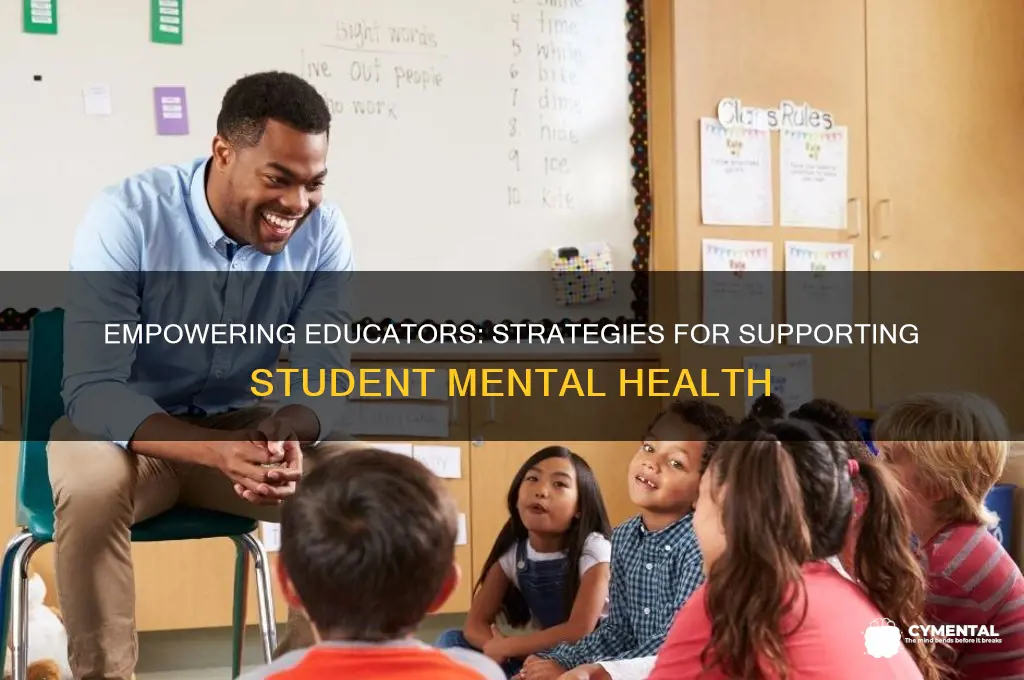
Teachers play a crucial role in supporting students' mental health by creating a safe, inclusive, and empathetic classroom environment. Beyond academic instruction, educators can foster open communication, encourage emotional expression, and model healthy coping strategies, helping students feel understood and valued. By recognizing signs of distress, providing resources, and collaborating with school counselors or mental health professionals, teachers can intervene early and prevent more serious issues. Additionally, promoting mindfulness, resilience, and self-care practices can empower students to manage stress and build long-term emotional well-being. Through their influence and care, teachers can significantly impact students' mental health, contributing to their overall growth and success.
| Characteristics | Values |
|---|---|
| Create a Safe and Supportive Environment | Establish a classroom culture of trust, respect, and empathy. Ensure students feel comfortable sharing their feelings without fear of judgment. |
| Foster Open Communication | Encourage students to express their emotions and concerns. Use active listening and validate their experiences. |
| Promote Social-Emotional Learning (SEL) | Integrate SEL programs and activities to teach skills like self-awareness, self-management, social awareness, relationship skills, and responsible decision-making. |
| Recognize Signs of Mental Health Issues | Educate yourself on common signs of mental health struggles (e.g., changes in behavior, academic performance, or social withdrawal) and know when to refer students to professionals. |
| Collaborate with School Counselors and Mental Health Professionals | Work closely with school counselors, psychologists, and external mental health providers to ensure students receive appropriate support. |
| Provide Consistent Routines and Structure | Maintain predictable routines to create a sense of stability and security for students. |
| Encourage Physical Activity and Healthy Habits | Promote regular physical activity, healthy eating, and adequate sleep, which positively impact mental health. |
| Offer Flexibility and Accommodations | Be flexible with deadlines or assignments for students dealing with mental health challenges, and provide accommodations as needed. |
| Model Positive Coping Strategies | Demonstrate healthy ways to manage stress and emotions, such as mindfulness, deep breathing, or journaling. |
| Stay Informed and Trained | Participate in professional development on mental health awareness, crisis intervention, and trauma-informed practices. |
| Build Positive Relationships with Students | Develop strong, positive relationships to foster trust and encourage students to seek help when needed. |
| Promote Inclusivity and Diversity | Create an inclusive classroom that celebrates diversity and addresses biases or discrimination, which can negatively impact mental health. |
| Encourage Peer Support | Foster a culture where students support and uplift each other, reducing feelings of isolation. |
| Monitor and Address Bullying | Implement anti-bullying policies and intervene promptly to protect students' mental well-being. |
| Provide Access to Resources | Share information about mental health resources, hotlines, and support groups available to students and their families. |
Explore related products



What You'll Learn
- Foster Safe Spaces: Create inclusive classrooms where students feel heard, valued, and emotionally secure to express themselves
- Recognize Warning Signs: Train teachers to identify mental health red flags early for timely intervention
- Promote Mindfulness: Integrate simple mindfulness practices to reduce stress and improve focus
- Encourage Open Dialogue: Normalize discussions about mental health to reduce stigma and foster support
- Collaborate with Professionals: Partner with counselors and psychologists for comprehensive student mental health care

Foster Safe Spaces: Create inclusive classrooms where students feel heard, valued, and emotionally secure to express themselves
Classrooms are microcosms of society, reflecting its diversity and complexities. Yet, unlike society at large, teachers have the unique ability to shape these environments into safe havens for vulnerable minds. Fostering a sense of belonging and emotional security isn't just a feel-good ideal; it's a cornerstone of student well-being and academic success. Research shows that students who feel safe and supported in the classroom are more likely to engage, take risks, and seek help when needed – all crucial factors for navigating the challenges of adolescence and young adulthood.
A teacher's role in creating this safe space goes beyond simply being "nice." It involves deliberate actions and a conscious shift in classroom culture. Start by establishing clear expectations for respect and inclusivity. This means actively addressing microaggressions, discriminatory language, and any behavior that marginalizes students based on their identity. Implement a "no put-downs" rule, encouraging students to express disagreements constructively and fostering a culture of empathy and understanding.
Consider the physical layout of your classroom. Arrange desks in a circle or U-shape to promote eye contact and encourage participation. Incorporate comfortable seating areas, soft lighting, and calming visuals to create a welcoming atmosphere. Allow students to personalize their workspace within reason, giving them a sense of ownership and control over their environment.
Think of yourself as a gardener, nurturing a delicate ecosystem. Some students will flourish with minimal intervention, while others require more attention and support. Be attuned to nonverbal cues – a student withdrawing from group activities, a sudden change in behavior, or a persistent lack of engagement. These could be signs of underlying struggles. Don't hesitate to check in privately, offering a listening ear and connecting them with appropriate resources if needed. Remember, you're not a therapist, but you can be a vital bridge to professional help.
Finally, model the behavior you want to see. Be vulnerable, share appropriate personal anecdotes, and demonstrate emotional intelligence. Show students that it's okay to make mistakes, to feel overwhelmed, and to ask for help. By creating a culture of authenticity and mutual respect, you empower students to embrace their own vulnerabilities and support each other through the ups and downs of adolescence. This, ultimately, is the essence of a truly safe and inclusive classroom – a space where students feel seen, heard, and valued for who they are.
Exercise and Mental Health: Boosting Mood, Reducing Stress, and Enhancing Well-being
You may want to see also
Explore related products


Recognize Warning Signs: Train teachers to identify mental health red flags early for timely intervention
Teachers are often the first adults outside the home to notice changes in a student’s behavior, making them uniquely positioned to identify mental health red flags. Yet, without proper training, these signs can easily be overlooked or misinterpreted. Early intervention is critical, as untreated mental health issues can escalate, affecting academic performance, social relationships, and overall well-being. For instance, a student who suddenly withdraws from group activities or shows persistent irritability may be exhibiting early signs of depression or anxiety. Recognizing these cues requires more than intuition—it demands structured training that equips educators with the knowledge to act swiftly and appropriately.
To effectively identify warning signs, teachers should be trained in a tiered approach. First, they must learn to distinguish between typical developmental behaviors and potential red flags. For example, occasional mood swings are common in adolescents, but prolonged periods of sadness or aggression warrant attention. Second, training should include specific indicators for different age groups. Younger students might express distress through physical symptoms like headaches or stomachaches, while older students may exhibit more subtle signs, such as changes in sleep patterns or academic performance. Third, educators should be taught to document observed behaviors objectively, using tools like behavioral checklists or journals, to ensure consistency and accuracy in reporting.
However, recognizing warning signs is only half the battle. Teachers must also be trained in the next steps to take once a red flag is identified. This includes knowing when to refer a student to a school counselor or external mental health professional and how to communicate concerns to parents or guardians sensitively. Role-playing scenarios during training can help educators practice these conversations, ensuring they approach the situation with empathy and professionalism. Additionally, schools should establish clear protocols for reporting and follow-up, so teachers feel supported and confident in their actions.
A cautionary note: while teachers play a vital role in identifying mental health issues, they are not therapists. Overstepping boundaries or attempting to diagnose students can lead to unintended harm. Training should emphasize the importance of staying within their role as observers and reporters, not counselors. Moreover, educators must be mindful of cultural differences in expressing distress, as what may appear as a red flag in one context might be a normal behavior in another. Sensitivity to these nuances ensures that interventions are both timely and appropriate.
In conclusion, training teachers to recognize mental health red flags is a proactive step toward fostering a supportive school environment. By equipping educators with the skills to identify early warning signs, schools can intervene before issues become crises. This not only benefits individual students but also contributes to a healthier, more resilient school community. With the right training and resources, teachers can serve as a critical line of defense in addressing the growing mental health challenges faced by students today.
Shock Therapy: Unlocking Mental Health Recovery and Healing Potential
You may want to see also
Explore related products




Promote Mindfulness: Integrate simple mindfulness practices to reduce stress and improve focus
Mindfulness isn’t just a buzzword—it’s a tool backed by research to reduce stress and enhance focus, particularly in high-pressure environments like classrooms. A 2019 study published in *Frontiers in Psychology* found that students who engaged in mindfulness practices showed significant improvements in attention and emotional regulation. For teachers, integrating these practices doesn’t require a complete overhaul of the curriculum; instead, it’s about embedding small, intentional moments throughout the day. Start with a 2-minute guided breathing exercise at the beginning of class or after transitions. For younger students, use visual aids like a pinwheel to demonstrate deep breaths, while older students can benefit from apps like Headspace or Calm for structured sessions. The key is consistency—even brief, daily practices can yield measurable results.
Consider the classroom environment as a canvas for mindfulness. Simple adjustments, like dimming harsh lighting or incorporating natural elements such as plants, can create a calming atmosphere. Pair this with sensory tools like stress balls or fidget mats for students who need tactile engagement. For instance, during independent work time, play soft instrumental music in the background at a volume low enough to avoid distraction but high enough to mask disruptive noises. Teachers can also model mindfulness by taking pauses themselves—a 30-second stretch break or a mindful sip of water—to show students that self-care is a priority. These actions not only reduce stress but also foster a culture of awareness and respect for mental well-being.
One common misconception is that mindfulness requires silence or stillness, but it’s more about presence. For active learners, incorporate movement-based practices like yoga stretches or mindful walking. For example, a “mindful minute” could involve students standing, closing their eyes, and focusing on their footsteps as they walk slowly around the room. For older students, journaling prompts like “What’s one thing you’re grateful for today?” can encourage reflection without taking up much time. The goal is to meet students where they are, adapting practices to their developmental stage and energy levels. A kindergarten classroom might use a “feeling thermometer” to check in on emotions, while a high school class could analyze the physiological effects of stress through a quick science-based discussion.
While mindfulness is powerful, it’s not a one-size-fits-all solution. Teachers should be mindful of students with trauma or sensory sensitivities, offering alternatives like silent hand-raising if participation feels forced. Additionally, avoid overloading the schedule—too many practices can feel overwhelming rather than calming. Start small, perhaps with one daily activity, and gradually expand as students become comfortable. Finally, lead with empathy. Acknowledge that mindfulness is a skill, not a quick fix, and that progress looks different for everyone. By weaving these practices into the fabric of the classroom, teachers can create a space where students feel grounded, focused, and supported in their mental health journey.
Occupational Therapy: Empowering Mental Health Recovery and Daily Functioning
You may want to see also
Explore related products

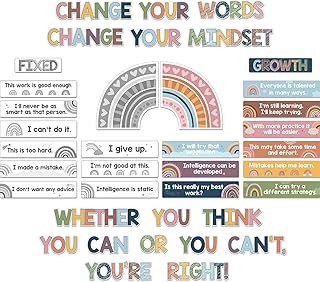


Encourage Open Dialogue: Normalize discussions about mental health to reduce stigma and foster support
Mental health struggles often thrive in silence, yet schools buzz with whispers and misconceptions. Teachers, as trusted adults, hold the power to transform this culture by actively encouraging open dialogue. Imagine a classroom where students feel safe sharing their anxieties about an upcoming test, or a teacher who weaves mental health check-ins into daily routines. This isn't about grand gestures, but consistent, intentional actions that signal "it's okay to not be okay."
Start small: dedicate five minutes at the beginning of each week for students to share one thing they're looking forward to and one thing they're finding challenging. This simple practice normalizes vulnerability and creates a shared understanding of the ups and downs of life.
The impact of such openness extends far beyond individual students. When teachers model vulnerability by sharing their own experiences with stress management or seeking support, they dismantle the illusion of invincibility that often surrounds adults. This doesn't mean oversharing personal details, but rather acknowledging the universality of emotional struggles. For instance, a teacher might say, "I've been feeling overwhelmed with grading this week, so I reached out to a colleague for help. It reminded me how important it is to ask for support when we need it." Such statements, delivered with authenticity, can be powerful catalysts for students to seek help themselves.
However, fostering open dialogue requires more than just inviting conversation. Teachers must create a safe and non-judgmental space where students feel heard and respected. This involves actively listening without interrupting, avoiding dismissive language like "just cheer up," and maintaining confidentiality unless there's a safety concern. Additionally, teachers should be mindful of their own biases and assumptions about mental health, ensuring their responses are empathetic and informed.
Ultimately, encouraging open dialogue about mental health is not a one-time event, but a continuous process woven into the fabric of the classroom. It's about creating a culture where students feel empowered to express their emotions, seek help when needed, and support their peers. By normalizing these conversations, teachers can play a pivotal role in breaking down the stigma surrounding mental health and fostering a community of resilience and compassion. Remember, the most powerful tool a teacher possesses is not a textbook, but the ability to create a safe space where every student feels seen, heard, and valued.
Birdsong's Soothing Melodies: Enhancing Mental Well-being and Reducing Stress
You may want to see also
Explore related products


Collaborate with Professionals: Partner with counselors and psychologists for comprehensive student mental health care
Teachers often serve as the first line of defense in identifying mental health struggles among students, but their role should extend beyond observation. Collaborating with counselors and psychologists transforms this initial detection into actionable, evidence-based support. For instance, a teacher noticing persistent withdrawal in a 14-year-old student can consult with a school counselor to assess whether this behavior stems from anxiety, bullying, or familial stress. This partnership ensures the student receives targeted interventions, such as cognitive-behavioral therapy sessions or group counseling, rather than generic advice. By integrating professional expertise, teachers amplify their impact, moving from reactive to proactive care.
To establish effective collaboration, teachers must first understand the roles and resources of mental health professionals within their school or community. Regular meetings—biweekly or monthly—between teachers and counselors can create a shared language around student needs. For example, a psychologist might educate teachers on recognizing symptoms of depression in adolescents, such as irritability or academic decline, which often differ from adult presentations. Teachers can then use this knowledge to refer students for formal assessments, like the Beck Youth Inventories, which measure emotional and behavioral issues in children aged 7–18. This structured approach ensures no student slips through the cracks.
However, collaboration requires careful navigation of boundaries. Teachers must respect confidentiality protocols, sharing only necessary information with professionals and avoiding overstepping into therapeutic territory. For instance, while a teacher can report a student’s self-harm disclosure to a counselor, they should refrain from offering personal advice beyond immediate reassurance. Similarly, professionals should provide teachers with actionable strategies—like implementing 5-minute mindfulness exercises in class—rather than overwhelming them with clinical jargon. Clear communication and mutual respect are key to this partnership’s success.
The benefits of such collaboration extend beyond individual students. When teachers and mental health professionals work together, they foster a school culture that prioritizes emotional well-being. A psychologist might train teachers in trauma-informed practices, helping them respond to disruptive behaviors with empathy rather than punishment. Alternatively, a counselor could lead workshops for teachers on stress management techniques, equipping them to model resilience for students. This holistic approach not only supports students but also sustains educators, reducing burnout and enhancing their ability to teach effectively.
In practice, schools can formalize these partnerships through structured programs. For example, a “Mental Health Team” comprising teachers, counselors, and psychologists could meet quarterly to review student progress and adjust support plans. Schools might also allocate time during professional development days for cross-training, where counselors teach teachers basic crisis intervention skills, such as de-escalation techniques for panic attacks. By embedding collaboration into the school’s framework, educators and professionals create a safety net that catches students before they fall, ensuring mental health care is comprehensive, consistent, and compassionate.
Unwind and Thrive: How Hobbies Boost Mental Health Naturally
You may want to see also
Frequently asked questions
Teachers can identify struggling students by noticing changes in behavior, academic performance, attendance, social interactions, or physical appearance. Open communication, regular check-ins, and training in mental health awareness can also help.
Teachers can create a safe and inclusive classroom environment, listen without judgment, encourage open conversations, and refer students to school counselors or mental health professionals when needed.
Teachers can promote mental well-being by incorporating mindfulness activities, teaching stress management techniques, fostering a positive classroom culture, and modeling healthy coping strategies.
Teachers should immediately report concerns to the school counselor, psychologist, or administrator, follow school protocols for crisis intervention, and ensure the student feels supported while professionals take over.
Teachers can prioritize self-care by setting boundaries, seeking support from colleagues, practicing stress-reduction techniques, and accessing professional development or counseling services when needed.