Lucas Bennett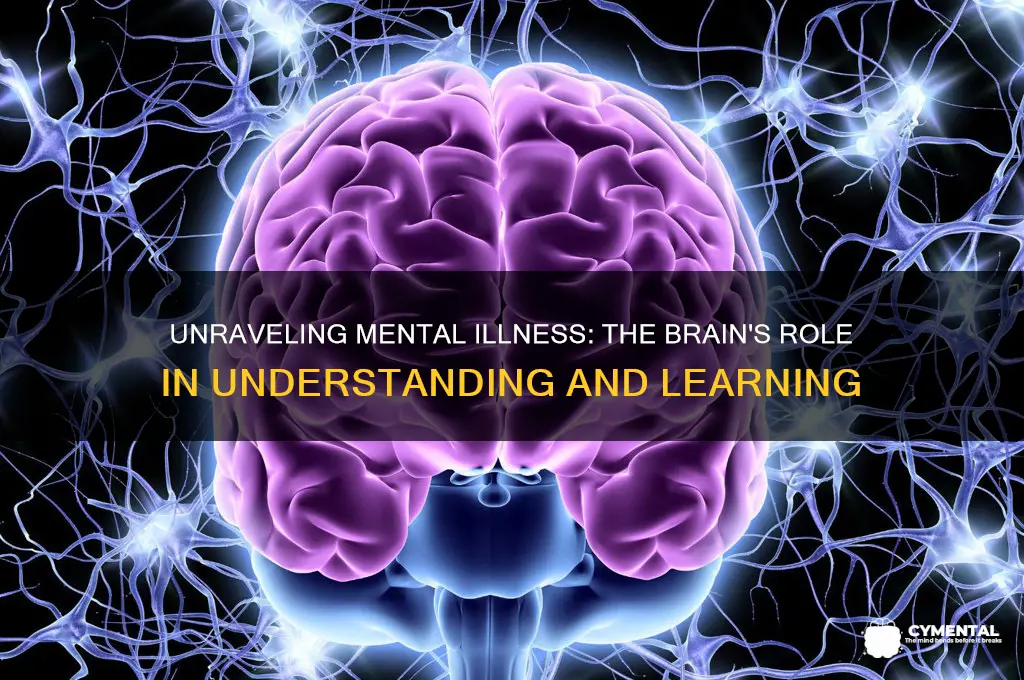
The human brain, a complex and intricate organ, plays a pivotal role in understanding mental illness, as it is both the subject and the tool through which we study these conditions. Advances in neuroscience have allowed researchers to explore the neural mechanisms underlying mental health disorders, revealing how imbalances in neurotransmitters, structural abnormalities, and altered brain activity contribute to conditions like depression, anxiety, and schizophrenia. By employing techniques such as functional MRI, EEG, and genetic analysis, scientists can map the brain’s response to stress, trauma, and environmental factors, shedding light on the biological roots of mental illness. This knowledge not only deepens our understanding of these disorders but also informs the development of targeted therapies, from medications to cognitive-behavioral interventions, ultimately improving diagnosis, treatment, and prevention strategies. Thus, the brain serves as both the key to unlocking the mysteries of mental illness and the foundation for fostering empathy and reducing stigma surrounding these conditions.
| Characteristics | Values |
|---|---|
| Neuroimaging Techniques | Advanced tools like fMRI, PET, and EEG reveal brain activity, structure, and connectivity, helping identify abnormalities associated with mental illnesses (e.g., reduced hippocampal volume in depression). |
| Genetic and Epigenetic Insights | Studies of genes and epigenetic changes (e.g., BDNF gene in depression) link genetic predispositions to brain function and mental health disorders. |
| Neurotransmitter Imbalances | Research shows imbalances in neurotransmitters like serotonin, dopamine, and GABA play a role in conditions such as depression, anxiety, and schizophrenia. |
| Brain Circuitry and Networks | Dysfunction in specific brain circuits (e.g., the default mode network in depression or the salience network in schizophrenia) is linked to mental illness symptoms. |
| Neuroplasticity and Learning | Understanding neuroplasticity helps explain how therapy and interventions can rewire the brain, offering hope for recovery in conditions like PTSD and addiction. |
| Inflammation and Immune Response | Emerging research highlights the role of neuroinflammation and immune system dysfunction in mental illnesses like depression and bipolar disorder. |
| Environmental Influences | Brain studies show how stress, trauma, and environmental factors impact brain structure and function, contributing to mental health disorders. |
| Animal Models and Translational Research | Animal studies provide insights into brain mechanisms of mental illness, aiding the development of new treatments. |
| Personalized Medicine | Brain-based biomarkers (e.g., fMRI patterns) are being explored to tailor treatments for individuals based on their unique brain profiles. |
| Ethical and Social Implications | Brain research raises ethical questions about stigma, privacy, and the societal impact of understanding mental illness as a biological condition. |
Explore related products



What You'll Learn
- Neuroplasticity and Mental Health: Brain's ability to adapt and rewire itself in response to mental illness
- Brain Imaging Techniques: Tools like MRI and fMRI reveal structural and functional changes in mental disorders
- Neurotransmitter Role: Imbalances in chemicals like serotonin and dopamine linked to mental health conditions
- Genetics and Brain Development: How genetic factors influence brain structure and mental illness risk
- Stress and Brain Changes: Chronic stress impacts brain regions like the amygdala and hippocampus

Neuroplasticity and Mental Health: Brain's ability to adapt and rewire itself in response to mental illness
The brain's capacity for neuroplasticity—its ability to reorganize itself by forming new neural connections—is a cornerstone in understanding how individuals adapt to and recover from mental illness. This inherent flexibility allows the brain to compensate for dysfunction, whether caused by trauma, stress, or genetic predispositions. For instance, studies have shown that individuals with depression often exhibit reduced neural activity in the prefrontal cortex, an area critical for emotional regulation. However, through targeted interventions like cognitive-behavioral therapy (CBT) or mindfulness practices, this region can be reactivated, fostering resilience and symptom alleviation. This demonstrates how neuroplasticity is not merely a passive process but an active force in mental health recovery.
Consider the practical application of neuroplasticity in treating anxiety disorders. Exposure therapy, a technique where individuals gradually confront feared stimuli, leverages the brain’s ability to rewire maladaptive pathways. Over time, repeated exposure reduces the amygdala’s hyperactivity—a hallmark of anxiety—while strengthening prefrontal control over emotional responses. For optimal results, therapists recommend 8–12 sessions, each lasting 45–60 minutes, tailored to the individual’s tolerance and progress. This structured approach underscores how deliberate, repeated experiences can reshape neural circuits, offering a tangible path to recovery.
While neuroplasticity holds immense promise, it is not without limitations. The brain’s adaptability can sometimes work against mental health, as seen in cases of chronic stress or trauma. Prolonged exposure to cortisol, the stress hormone, can impair neuroplasticity, leading to entrenched negative thought patterns and structural changes in the hippocampus, a region vital for memory and emotional processing. This duality highlights the importance of early intervention and balanced therapeutic strategies. For example, combining stress-reduction techniques like yoga or meditation with psychotherapy can mitigate these adverse effects, fostering a healthier neural environment.
A comparative analysis of neuroplasticity in mental health reveals its role across different age groups. In children and adolescents, whose brains are still developing, neuroplasticity is heightened, making early intervention particularly effective. For instance, teaching emotional regulation skills to a 10-year-old with emerging anxiety can prevent the disorder from becoming chronic. In contrast, older adults may experience slower neural rewiring due to age-related declines in plasticity. However, even in this demographic, consistent engagement in cognitive activities—such as learning a new language or playing a musical instrument—can enhance brain adaptability, demonstrating that neuroplasticity remains a viable tool across the lifespan.
To harness neuroplasticity effectively, individuals and clinicians must adopt a multifaceted approach. This includes integrating evidence-based therapies, lifestyle modifications, and, when necessary, pharmacological interventions. For example, selective serotonin reuptake inhibitors (SSRIs) can enhance neuroplasticity by increasing serotonin levels, which promotes synaptic growth. Pairing medication with psychotherapy amplifies these effects, as seen in studies where combined treatment yielded better outcomes than either modality alone. Practical tips, such as maintaining a consistent sleep schedule, engaging in regular physical activity, and fostering social connections, further support neural rewiring. By understanding and actively engaging with neuroplasticity, we can transform the brain’s adaptability into a powerful ally in the fight against mental illness.
Cleaning for Clarity: How Tidying Boosts Mental Well-Being
You may want to see also
Explore related products


Brain Imaging Techniques: Tools like MRI and fMRI reveal structural and functional changes in mental disorders
Brain imaging techniques have revolutionized our understanding of mental illness by providing a window into the living brain. Tools like Magnetic Resonance Imaging (MRI) and functional MRI (fMRI) allow researchers to visualize both the structure and activity of the brain, revealing patterns associated with conditions such as depression, schizophrenia, and anxiety disorders. For instance, MRI scans have consistently shown reduced hippocampal volume in individuals with major depressive disorder, a finding that links structural changes to emotional regulation deficits. Similarly, fMRI studies have identified hyperactivity in the amygdala during emotional processing tasks in patients with anxiety disorders, shedding light on the neural basis of heightened fear responses. These techniques not only confirm the biological roots of mental illness but also help dispel the myth that these conditions are purely psychological.
To fully leverage the power of MRI and fMRI, it’s essential to understand their distinct capabilities. Structural MRI provides high-resolution images of brain anatomy, enabling the detection of abnormalities like cortical thinning or enlarged ventricles, which are often seen in schizophrenia. Functional MRI, on the other hand, measures blood flow changes to map brain activity in real time, offering insights into how different regions communicate during specific tasks. For example, a study using fMRI found that individuals with ADHD exhibit reduced connectivity between the prefrontal cortex and striatum, areas critical for attention and impulse control. By combining these modalities, researchers can correlate structural anomalies with functional impairments, creating a more comprehensive picture of mental disorders.
Despite their utility, brain imaging techniques come with limitations that require careful consideration. MRI and fMRI are expensive and inaccessible in many regions, restricting their use in diverse populations. Additionally, these tools provide correlational data, not causation, meaning that observed brain changes may be consequences rather than causes of mental illness. For instance, reduced hippocampal volume in depression could result from chronic stress rather than being its origin. Practitioners must also account for variability in results due to factors like age, sex, and medication use. A 20-year-old male on antidepressants may show different brain activity compared to a 40-year-old female with untreated symptoms, underscoring the need for standardized protocols in imaging studies.
Practical applications of MRI and fMRI extend beyond research, offering potential benefits in clinical settings. For example, these tools can aid in differential diagnosis by distinguishing between conditions with overlapping symptoms, such as bipolar disorder and borderline personality disorder. They can also monitor treatment efficacy; a patient undergoing cognitive-behavioral therapy for PTSD might show reduced amygdala activation over time, indicating progress. However, integrating brain imaging into routine practice requires addressing ethical concerns, such as ensuring patient consent and protecting data privacy. Clinicians must balance the promise of these technologies with the risk of over-reliance on biological markers, preserving the importance of subjective patient experiences in mental health care.
In conclusion, MRI and fMRI are indispensable tools for unraveling the complexities of mental illness, offering both structural and functional insights into the brain. While they provide valuable data, their limitations and ethical implications must be carefully navigated. As technology advances, these techniques hold the potential to personalize treatment, improve diagnostic accuracy, and foster a deeper understanding of the mind-brain connection. By combining imaging data with clinical expertise, we can move closer to a future where mental health care is both precise and compassionate.
Can Lawyers Improve Mental Health Outcomes in Legal Cases?
You may want to see also
Explore related products


Neurotransmitter Role: Imbalances in chemicals like serotonin and dopamine linked to mental health conditions
The brain's intricate dance of neurotransmitters is a delicate balance, and when this harmony is disrupted, it can lead to a cascade of mental health challenges. Serotonin and dopamine, often referred to as the 'feel-good' chemicals, play a pivotal role in regulating mood, pleasure, and motivation. Imbalances in these neurotransmitters have been implicated in various mental health conditions, providing a crucial insight into the biological underpinnings of psychological disorders.
Consider the case of depression, a pervasive mood disorder affecting millions worldwide. Research suggests that individuals with depression often exhibit lower levels of serotonin, a neurotransmitter associated with feelings of well-being and happiness. This deficiency can lead to symptoms such as persistent sadness, loss of interest, and changes in appetite and sleep patterns. Interestingly, selective serotonin reuptake inhibitors (SSRIs), a class of antidepressants, work by increasing the availability of serotonin in the brain, thereby alleviating depressive symptoms. A typical starting dose of fluoxetine, a commonly prescribed SSRI, is 20 mg per day for adults, which can be adjusted based on individual response and tolerance.
In contrast, dopamine imbalances are closely linked to conditions like schizophrenia and attention-deficit/hyperactivity disorder (ADHD). Dopamine plays a critical role in reward-motivated behavior, attention, and motor control. In schizophrenia, excessive dopamine activity in certain brain regions is thought to contribute to positive symptoms such as hallucinations and delusions. On the other hand, ADHD is associated with dopamine deficiency in the prefrontal cortex, leading to difficulties in sustaining attention and impulse control. Methylphenidate, a stimulant medication used to treat ADHD, increases dopamine levels in the brain, improving focus and reducing hyperactivity. The recommended starting dose for children aged 6 and above is 5 mg twice daily, with adjustments made based on individual needs.
A comparative analysis of serotonin and dopamine imbalances reveals distinct yet interconnected pathways to mental health conditions. While serotonin deficiencies are predominantly associated with mood disorders, dopamine imbalances manifest in a broader range of conditions, from psychosis to attention disorders. This highlights the importance of personalized treatment approaches that target specific neurotransmitter systems. For instance, combining SSRIs with cognitive-behavioral therapy (CBT) has shown promising results in treating depression, as CBT helps individuals develop coping strategies to manage symptoms, while SSRIs address the underlying biochemical imbalance.
To mitigate the risks associated with neurotransmitter imbalances, it's essential to adopt a holistic approach to mental health. This includes maintaining a balanced diet rich in nutrients that support neurotransmitter production, such as tryptophan (a serotonin precursor found in turkey, eggs, and bananas) and tyrosine (a dopamine precursor found in dairy, nuts, and seeds). Regular exercise, adequate sleep, and stress management techniques like mindfulness meditation can also help regulate neurotransmitter levels. For individuals on medication, adhering to prescribed dosages and monitoring side effects is crucial. For example, SSRIs may cause initial side effects like nausea and insomnia, which often subside within a few weeks. If symptoms persist or worsen, consulting a healthcare provider is essential to adjust the treatment plan.
In conclusion, understanding the role of neurotransmitter imbalances in mental health conditions provides a foundation for targeted interventions and personalized care. By addressing these biochemical disruptions through medication, therapy, and lifestyle modifications, individuals can effectively manage symptoms and improve their overall quality of life. As research continues to unravel the complexities of the brain, the potential for innovative treatments that restore neurotransmitter balance offers hope for those affected by mental illness.
Breaking Free: How Leaving a Mental Ward Empowers Patient Recovery
You may want to see also
Explore related products




Genetics and Brain Development: How genetic factors influence brain structure and mental illness risk
Genetic factors play a pivotal role in shaping brain development, and their influence extends to the risk of mental illness. Studies have shown that certain genetic variations can alter brain structure, affecting regions like the prefrontal cortex, hippocampus, and amygdala—areas critical for emotion regulation, memory, and decision-making. For instance, the *COMT* gene, which regulates dopamine levels, has been linked to schizophrenia and bipolar disorder when specific variants are present. Understanding these genetic underpinnings allows researchers to identify biomarkers and develop targeted interventions, moving beyond one-size-fits-all treatments.
Consider the developmental timeline: genetic influences on brain structure are most pronounced during critical periods, such as early childhood and adolescence. For example, mutations in the *DISC1* gene disrupt neural migration during fetal development, increasing the risk of schizophrenia and major depression later in life. Parents and caregivers can support healthy brain development by ensuring a stimulating environment, adequate nutrition, and early intervention for developmental delays. Practical tips include engaging children in activities that promote cognitive flexibility, like puzzles or storytelling, and monitoring for signs of anxiety or mood disturbances during adolescence.
A comparative analysis reveals that while genetics contribute significantly to mental illness risk, they do not act in isolation. Epigenetic factors—changes in gene expression due to environmental influences—further complicate the picture. For instance, childhood trauma can alter the methylation of genes like *FKBP5*, which regulates stress response, increasing susceptibility to PTSD and depression. This interplay between genes and environment underscores the importance of holistic approaches to mental health, combining genetic screening with psychosocial interventions. Clinicians can use this knowledge to tailor treatment plans, such as recommending stress-reduction techniques for individuals with a genetic predisposition to anxiety disorders.
Finally, the practical application of genetic insights is transforming mental health care. Advances in genetic testing now allow for personalized medicine, where treatments are adjusted based on an individual’s genetic profile. For example, patients with a *CYP2D6* variant metabolize antidepressants differently, requiring dosage adjustments to avoid side effects or inefficacy. However, caution is necessary: genetic testing raises ethical concerns, such as stigmatization or misuse of results. Healthcare providers must balance the benefits of genetic knowledge with the need for confidentiality and informed consent, ensuring patients understand both the potential and limitations of these tools. By integrating genetics into brain research, we unlock new pathways to prevention, diagnosis, and treatment of mental illness.
Music's Impact: Enhancing Mental Agility and Emotional Well-being
You may want to see also
Explore related products


Stress and Brain Changes: Chronic stress impacts brain regions like the amygdala and hippocampus
Chronic stress doesn't just leave you feeling frazzled—it physically reshapes your brain. Key regions like the amygdala, responsible for processing fear and emotional responses, and the hippocampus, critical for memory and learning, are particularly vulnerable. Studies using MRI scans reveal that prolonged stress exposure leads to increased amygdala activity and reduced hippocampal volume. For instance, individuals with post-traumatic stress disorder (PTSD) often exhibit these structural changes, highlighting the brain’s plasticity in response to adversity. This isn’t merely theoretical; it’s a measurable, observable phenomenon with profound implications for mental health.
Consider the amygdala as your brain’s alarm system. Under chronic stress, it becomes hyperactive, amplifying anxiety and fear responses. Simultaneously, the hippocampus, which helps regulate stress hormones like cortisol, shrinks under prolonged pressure. This dual effect creates a vicious cycle: heightened stress responses further damage the hippocampus, impairing its ability to manage stress effectively. For example, a study published in *Nature Neuroscience* found that individuals experiencing chronic stress had a 14% reduction in hippocampal volume compared to their less-stressed counterparts. This isn’t just a number—it translates to tangible cognitive deficits, such as memory loss and difficulty learning new information.
To mitigate these effects, practical interventions are essential. Mindfulness-based stress reduction (MBSR) programs, which combine meditation and body awareness, have been shown to decrease amygdala activity and increase hippocampal volume over time. Even small, consistent changes, like 10 minutes of daily meditation or 30 minutes of aerobic exercise, can make a difference. For those in high-stress environments, setting boundaries—such as limiting work hours or delegating tasks—is crucial. Additionally, maintaining a consistent sleep schedule (7–9 hours for adults) helps regulate cortisol levels, protecting these vulnerable brain regions.
Comparing the brain under stress to a muscle under strain offers a useful analogy. Just as overtraining without recovery weakens muscles, chronic stress without relief damages the brain. However, unlike muscles, the brain’s recovery requires more than rest—it needs active repair through stress management techniques. For parents, educators, and employers, this underscores the importance of fostering low-stress environments. For individuals, it’s a call to prioritize mental health with the same urgency as physical health. After all, the brain’s resilience isn’t infinite, but with the right tools, it can heal and adapt.
Empowering Recovery: How Human Service Professionals Support Mental Health
You may want to see also
Frequently asked questions
The brain's structure, including regions like the prefrontal cortex, amygdala, and hippocampus, plays a critical role in regulating emotions, memory, and decision-making. Abnormalities in these areas, such as reduced volume or altered connectivity, are often linked to mental illnesses like depression, anxiety, and schizophrenia. Studying these structural differences helps researchers identify biomarkers and develop targeted treatments.
Neuroplasticity, the brain's ability to reorganize itself by forming new neural connections, is key to understanding mental illness. It explains how experiences, therapies, and medications can alter brain function over time. For example, cognitive-behavioral therapy (CBT) leverages neuroplasticity to reshape thought patterns in conditions like PTSD or OCD, demonstrating the brain's capacity for change in response to intervention.
Technologies like fMRI, PET scans, and EEG allow researchers to observe brain activity, blood flow, and electrical patterns in real time. These tools help identify dysfunctional brain circuits associated with mental illnesses, track treatment responses, and differentiate between disorders with overlapping symptoms. Such insights improve diagnosis, personalize treatment, and advance our understanding of the biological basis of mental health.