Harper Lewis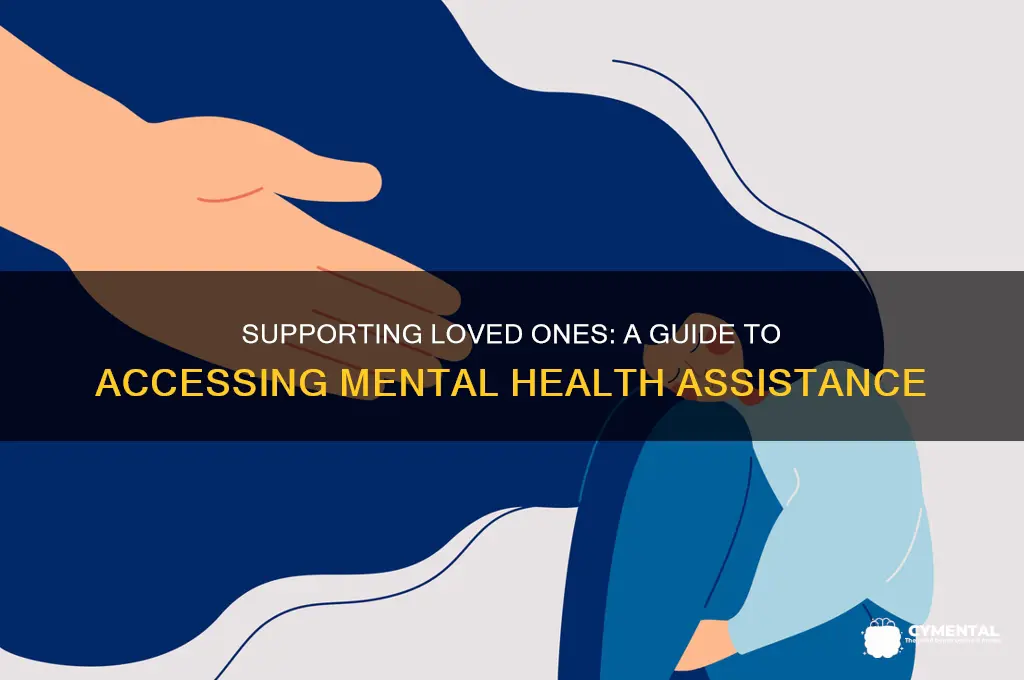
Supporting a loved one with mental health challenges can be deeply rewarding yet incredibly challenging. Recognizing the signs that they may need professional help—such as persistent sadness, withdrawal from social activities, or drastic changes in behavior—is the first step. Approach the conversation with empathy, using I statements to express concern without sounding accusatory. Research mental health resources, such as therapists, support groups, or crisis hotlines, to provide actionable options. Encourage them to seek help while respecting their autonomy, and offer to accompany them to appointments if they feel more comfortable. Remember, self-care is essential; supporting someone through their mental health journey can be emotionally taxing, so ensure you also have a support system in place.
Explore related products


What You'll Learn
- Recognize warning signs: mood changes, withdrawal, substance abuse, or unusual behavior patterns
- Approach with empathy: use gentle, non-judgmental language to express concern and support
- Research resources: find therapists, support groups, or crisis hotlines tailored to their needs
- Offer practical help: assist with appointments, transportation, or insurance paperwork
- Encourage consistency: support ongoing treatment and celebrate small progress milestones

Recognize warning signs: mood changes, withdrawal, substance abuse, or unusual behavior patterns
Mood swings are a normal part of life, but when they become extreme, frequent, or uncharacteristic, they can signal an underlying mental health issue. Imagine a once-stable friend suddenly oscillating between euphoria and deep despair within hours, or a family member’s irritability escalating to aggression over minor inconveniences. These aren’t just "bad days"—they’re red flags. Track patterns over time using a journal or app to differentiate between typical fluctuations and potential disorders like bipolar or depression. Note triggers, duration, and intensity; consistent anomalies warrant a conversation or professional consultation.
Withdrawal often masquerades as a need for "space," but when it persists for weeks or months, it’s a cry for help in disguise. A social butterfly avoiding gatherings, a colleague skipping meetings, or a teen locking themselves in their room for days aren’t just "being antisocial." Isolation can exacerbate conditions like anxiety or depression, creating a feedback loop of loneliness and despair. Gently re-engage by suggesting low-pressure activities—a short walk, a favorite meal—and express concern without judgment. If resistance continues, propose a mental health screening as a neutral next step.
Substance abuse rarely emerges in a vacuum; it’s often self-medication for untreated mental health issues. A glass of wine after work evolves into a bottle, or occasional marijuana use becomes daily. For teens, vaping or prescription pill misuse might indicate emotional distress. Address this delicately: frame the conversation around their well-being, not their "problem." Offer resources like SAMHSA’s hotline (1-800-662-HELP) or suggest a joint visit to a therapist. Avoid ultimatums, which can deepen shame and resistance.
Unusual behavior patterns—like sudden obsession with religious or conspiratorial topics, giving away prized possessions, or unexplained physical symptoms—demand attention. For instance, a 25-year-old fixating on apocalyptic theories might be experiencing psychosis, while a 40-year-old donating all their savings could signal mania. Context matters: cultural or personality quirks aren’t inherently alarming, but abrupt, drastic shifts are. Document specifics (e.g., "Started talking to themselves last Tuesday") to provide clinicians with actionable data. Early intervention can prevent crises; don’t dismiss these signs as "quirks" or "phases."
Smiling's Power: Boosting Mental Health and Emotional Well-Being
You may want to see also
Explore related products


Approach with empathy: use gentle, non-judgmental language to express concern and support
Words can either build bridges or erect walls, especially when addressing mental health with a loved one. Choose the former by adopting a vocabulary of empathy. Instead of saying, "You're acting so depressed lately," try, "I've noticed you seem quieter than usual, and I'm here if you want to talk." The former labels and assumes; the latter observes and invites. This subtle shift in language acknowledges their experience without imposing your interpretation, creating a safe space for vulnerability.
Imagine a tightrope walker: one misstep can send them tumbling. Similarly, conversations about mental health require careful balance. Avoid phrases like "Just snap out of it" or "Everyone feels that way sometimes," which minimize their struggle. Instead, use "I" statements to express your concern: "I'm worried because I haven't seen you smile much lately." This approach personalizes your observation, highlighting your care without sounding accusatory. Remember, the goal is to walk alongside them, not push them from behind.
Think of empathy as a lens, allowing you to see the world through their eyes. This perspective informs your language choices. For instance, instead of asking, "Why can't you just be happy?"—a question laden with judgment—try, "What’s been making things feel difficult for you lately?" The latter opens a dialogue, signaling your willingness to listen without preconceptions. It’s not about having the right answers, but about asking the right questions.
Empathy isn’t just about words; it’s about timing and tone. Approach these conversations when both parties are calm and undisturbed. A rushed or stressed environment can amplify defensiveness. Speak softly, maintain eye contact (if culturally appropriate), and use pauses to allow them to process. For example, after sharing your concern, say, "Take your time—I’m here whenever you’re ready." This combination of gentle language and patient delivery reinforces your support, making it easier for them to accept help.
Finally, empathy requires practice and self-awareness. Reflect on your own biases and assumptions before engaging. Are you approaching this conversation from a place of genuine care, or are you driven by frustration or fear? If the latter, take a step back. Rehearse what you want to say, focusing on phrases that convey understanding and encouragement. For instance, "I’m not sure what you’re going through, but I’m here to help in any way I can" strikes a balance between honesty and compassion. Over time, this empathetic approach becomes second nature, fostering trust and paving the way for meaningful support.
Gabapentin and Mental Health: Exploring Its Role in Treatment
You may want to see also
Explore related products





Research resources: find therapists, support groups, or crisis hotlines tailored to their needs
Identifying the right mental health resources for a loved one begins with understanding their specific needs. Are they struggling with anxiety, depression, trauma, or something else? Different conditions often require specialized approaches. For instance, cognitive-behavioral therapy (CBT) is highly effective for anxiety and depression, while dialectical behavior therapy (DBT) is tailored for emotional regulation issues. Start by researching therapists who specialize in these modalities. Online directories like Psychology Today allow you to filter by location, expertise, and insurance acceptance, making it easier to find a match.
Support groups can complement individual therapy by providing a sense of community and shared experience. For example, Alcoholics Anonymous (AA) and Narcotics Anonymous (NA) are well-known for substance abuse, while the National Alliance on Mental Illness (NAMI) offers family support groups for caregivers. When researching, consider the format—in-person, virtual, or hybrid—and the group’s focus. Some groups are peer-led, while others are facilitated by professionals. Ensure the environment aligns with your loved one’s comfort level and needs.
In moments of crisis, knowing where to turn can be lifesaving. Crisis hotlines like the National Suicide Prevention Lifeline (988) offer immediate support 24/7. For specific populations, there are tailored options: The Trevor Project serves LGBTQ+ youth, while the Crisis Text Line (text HOME to 741741) provides discreet assistance via text. Keep a list of these numbers handy, and familiarize yourself with their protocols. For instance, some hotlines can dispatch emergency services if the situation escalates.
Practical considerations matter when selecting resources. Verify insurance coverage for therapy sessions, as out-of-pocket costs can add up quickly. If your loved one lacks insurance, look into sliding-scale clinics or community mental health centers, which often offer services based on income. For support groups, inquire about fees or donations, though many are free. When using hotlines, ensure your loved one has access to a private space and a charged device, as conversations can be emotionally intense and require uninterrupted time.
Finally, involve your loved one in the decision-making process whenever possible. Research shows that individuals are more likely to engage with resources they feel invested in. Share your findings and ask for their input on therapists, groups, or hotlines. If they’re hesitant, start small—perhaps with a single therapy session or a call to a hotline. The goal is to build trust and show that you’re committed to supporting them in a way that respects their autonomy and preferences.
Tea's Soothing Power: Boosting Mental Health and Reducing Stress Naturally
You may want to see also
Explore related products




Offer practical help: assist with appointments, transportation, or insurance paperwork
One of the most effective ways to support a loved one struggling with mental health is to step in and handle the logistical barriers that often prevent them from accessing care. Mental health treatment can be overwhelming, with a maze of appointments, transportation needs, and insurance paperwork. By offering practical help in these areas, you become a crucial bridge between your loved one and the care they need.
For instance, simply offering to schedule appointments and accompany them can alleviate the anxiety associated with reaching out for help. Many mental health providers have online booking systems, but navigating these platforms can be daunting for someone already feeling vulnerable. You can research therapists or psychiatrists who specialize in their specific concerns, check insurance coverage, and handle the initial contact.
Consider the practicalities of transportation. Can you drive them to appointments, especially if they’re experiencing anxiety or depression that makes driving difficult? Public transportation can be stressful, and ride-sharing services might be financially burdensome. Offering a reliable ride removes a significant obstacle and shows your commitment to their well-being. Remember, consistency is key in mental health treatment, and reliable transportation ensures they don’t miss crucial sessions.
Insurance paperwork is another hurdle that often discourages people from seeking help. Understanding insurance coverage for mental health services can be confusing, with different copays, deductibles, and in-network/out-of-network providers. Offer to help decipher their insurance plan, contact providers to verify coverage, and submit claims. Keep a record of appointments, diagnoses, and treatments – this documentation is often required for reimbursement.
Friendship's Healing Power: Supporting Mental Health Through Connection and Care
You may want to see also
Explore related products


$20.49 $36.99


Encourage consistency: support ongoing treatment and celebrate small progress milestones
Consistency is the backbone of effective mental health treatment, yet it’s often the hardest part to maintain. Think of it like physical therapy for a broken bone—skipping sessions or stopping early can undo progress and prolong recovery. For mental health, this means missed therapy appointments, forgotten medication doses, or abandoning coping strategies just as they begin to take root. Encouraging consistency isn’t about forcing compliance; it’s about fostering an environment where your loved one feels supported, motivated, and accountable.
One practical way to encourage consistency is by integrating treatment into daily routines. For example, if your loved one is prescribed medication, pair it with a consistent daily activity, like taking it right after brushing their teeth in the morning. For therapy sessions, mark them on a shared calendar and set reminders together. If they’re working on mindfulness or journaling, suggest doing it at the same time each day, like during a quiet evening or right before bed. Small, repeatable actions create habits, and habits reduce the mental effort required to stay on track.
Celebrating small milestones is equally critical—it reinforces progress and builds momentum. For instance, if your loved one has attended therapy consistently for a month, acknowledge it with a meaningful gesture, like a favorite meal or a handwritten note. If they’ve managed to use a coping skill during a stressful situation, express genuine pride and curiosity about how it helped them. Avoid tying celebrations to grandiose achievements; instead, focus on effort and persistence. A simple “I noticed how hard you’ve been working, and I’m really proud of you” can go a long way in fostering a sense of accomplishment.
However, be mindful of the tone and approach. Avoid phrases like “You’re doing so much better now,” which can imply they were “less than” before. Instead, frame progress as growth, such as “I see how much stronger you’re becoming in handling challenges.” Also, be cautious not to overstep boundaries—some individuals may feel pressured or embarrassed by overt celebrations. Gauge their comfort level and adapt your approach accordingly. For younger individuals (teens or early 20s), subtle acknowledgments like a high-five or a shared inside joke might resonate more than formal praise.
Ultimately, consistency in mental health treatment is a marathon, not a sprint. Your role isn’t to be a cheerleader 24/7 but to provide steady, reliable support that honors their effort and humanity. By weaving treatment into routines and celebrating incremental wins, you help shift the narrative from “I have to do this” to “I’m capable of doing this.” Over time, this mindset shift can transform consistency from a chore into a source of empowerment.
Rehabilitation: A Powerful Tool for Mental Health Recovery and Wellness
You may want to see also
Frequently asked questions
Look for persistent changes in behavior, mood, or functioning, such as withdrawal, severe anxiety, hopelessness, or difficulty managing daily tasks. If these symptoms last for weeks or interfere with their life, it’s time to seek professional help.
Choose a calm, private moment and express your concern using "I" statements, such as "I’ve noticed you seem really stressed, and I’m worried about you." Offer support and suggest resources without being pushy.
Respect their autonomy while continuing to offer support. Encourage small steps, like talking to a trusted friend or trying a support group. In a crisis, consult a mental health professional for guidance on intervention options.
Research therapists or counselors specializing in their specific needs (e.g., anxiety, depression, trauma). Ask for recommendations, check credentials, and ensure the provider accepts their insurance or offers affordable options.
Be patient, listen without judgment, and validate their feelings. Encourage them to stick with treatment, but avoid pressuring them. Educate yourself about their condition and take care of your own mental health to avoid burnout.