Ava Ramirez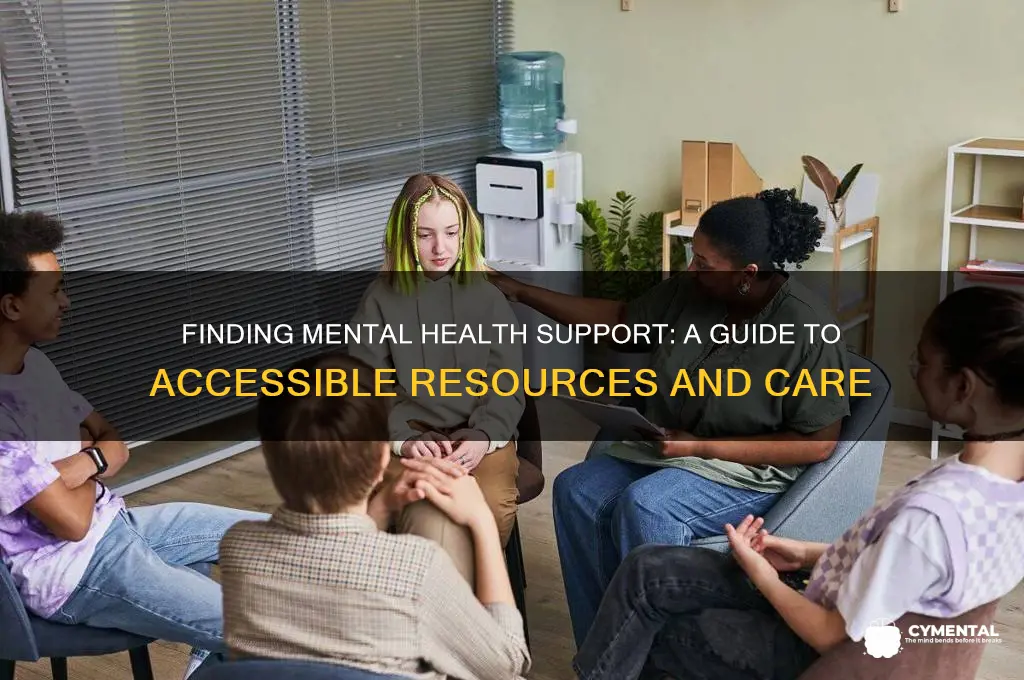
Finding help for mental health is a crucial step toward overall well-being, and it begins with recognizing the importance of seeking support. Whether you’re experiencing anxiety, depression, stress, or other challenges, numerous resources are available to assist you. Start by reaching out to trusted friends, family, or a primary care physician who can provide guidance and referrals. Professional help can be found through therapists, counselors, or psychiatrists, many of whom specialize in specific areas of mental health. Online platforms and helplines, such as crisis hotlines or mental health apps, offer immediate support and resources. Additionally, community organizations, support groups, and workplace wellness programs can provide valuable assistance. Remember, taking the first step to seek help is a sign of strength, and there are compassionate professionals and systems in place to support you on your journey to better mental health.
| Characteristics | Values |
|---|---|
| Online Resources | Websites like MentalHealth.gov, NAMI, and Psychology Today offer tools, directories, and information. |
| Hotlines & Crisis Lines | National Suicide Prevention Lifeline (988), Crisis Text Line (text HOME to 741741), and international helplines. |
| Primary Care Physician | Consult your doctor for referrals to mental health professionals or initial assessments. |
| Therapists & Counselors | Licensed professionals (e.g., psychologists, psychiatrists, LCSWs) found via directories or referrals. |
| Support Groups | Local or online groups (e.g., AA, NAMI support groups) for peer support. |
| Workplace Resources | Employee Assistance Programs (EAPs) offer counseling and resources. |
| Telehealth Services | Virtual therapy platforms like BetterHelp, Talkspace, or insurance-covered telehealth options. |
| Community Health Centers | Affordable mental health services based on income. |
| Mobile Apps | Apps like Calm, Headspace, or Sanvello for mindfulness, therapy, and self-help tools. |
| Educational Institutions | Schools and universities often provide counseling services for students. |
| Insurance Coverage | Check your insurance plan for covered mental health services and providers. |
| Self-Help Strategies | Exercise, meditation, journaling, and maintaining a healthy lifestyle. |
| Cultural & Language-Specific Help | Services tailored to specific cultural or linguistic needs (e.g., Asian Mental Health Collective). |
| Emergency Services | Visit an ER or call 911 for immediate, life-threatening situations. |
| Peer Recommendations | Ask trusted friends, family, or community members for referrals. |
| Social Media Communities | Online forums or groups (e.g., Reddit, Facebook) for shared experiences and advice. |
Explore related products


What You'll Learn
- Recognizing Symptoms: Learn signs of mental health issues like anxiety, depression, or mood swings early
- Finding Therapists: Search for licensed therapists via directories, insurance, or online platforms
- Support Groups: Join local or virtual groups for shared experiences and community support
- Crisis Hotlines: Access 24/7 helplines for immediate assistance during mental health emergencies
- Self-Help Resources: Use apps, books, or mindfulness tools for daily mental health management

Recognizing Symptoms: Learn signs of mental health issues like anxiety, depression, or mood swings early
Mental health issues often whisper before they shout. Subtle changes in behavior, mood, or daily functioning can be early indicators of conditions like anxiety, depression, or bipolar disorder. Recognizing these signs isn’t about self-diagnosis—it’s about knowing when to seek professional help. For instance, persistent worry that interferes with sleep or concentration might signal anxiety, while a two-week stretch of low mood and loss of interest in activities could point to depression. Early detection can lead to timely intervention, making treatment more effective and recovery smoother.
To identify these symptoms, start by observing patterns rather than isolated incidents. Anxiety, for example, may manifest as restlessness, irritability, or physical symptoms like rapid heartbeat or sweating. In teens, this could look like frequent stomachaches or avoidance of social situations. Depression, on the other hand, often includes fatigue, changes in appetite, or feelings of worthlessness. Mood swings, particularly in bipolar disorder, involve extreme highs (mania) and lows (depression), with manic episodes lasting at least a week and including behaviors like impulsive spending or reduced need for sleep. Tracking these changes in a journal can help you or a loved one communicate concerns clearly to a healthcare provider.
One practical tip is to use validated screening tools available online, such as the PHQ-9 for depression or GAD-7 for anxiety. These questionnaires, while not diagnostic, provide a structured way to assess symptoms and determine if professional help is warranted. For example, scoring 10 or higher on the PHQ-9 suggests moderate to severe depression and should prompt a visit to a mental health professional. Similarly, if someone experiences four or more manic symptoms for most of the day, nearly every day, bipolar disorder may be a concern. These tools are especially useful for individuals who struggle to articulate their feelings or downplay their struggles.
Caution must be exercised when interpreting symptoms, as some overlap with normal emotional responses or physical health issues. For instance, stress before an exam or grief after a loss is not the same as clinical anxiety or depression. However, when symptoms persist, intensify, or disrupt daily life, it’s time to act. Avoid the trap of self-diagnosis through internet searches, which can lead to misinformation or unnecessary worry. Instead, use observed patterns and screening tools as a starting point for a conversation with a healthcare provider, who can differentiate between transient distress and a diagnosable condition.
Ultimately, recognizing symptoms early is a proactive step toward mental wellness. It empowers individuals to seek help before issues escalate, reducing the risk of long-term complications. For parents, teachers, or friends, being attuned to these signs can make a life-changing difference for someone who may not recognize or acknowledge their own struggles. Early intervention isn’t just about managing symptoms—it’s about reclaiming quality of life and fostering resilience. By staying informed and observant, you become an ally in the fight against mental health stigma and suffering.
Daily Exercise Boosts Mental Health: Find Your Optimal Routine
You may want to see also
Explore related products


Finding Therapists: Search for licensed therapists via directories, insurance, or online platforms
Finding a licensed therapist can feel overwhelming, but structured approaches simplify the process. Start with therapist directories, which are curated databases of mental health professionals. Psychology Today’s directory, for instance, allows filtering by location, specialization, and therapy type (e.g., CBT, EMDR). These platforms often include therapist bios, fees, and contact details, enabling informed decisions. Similarly, the American Psychological Association’s (APA) *Psychologist Locator* tool is a reliable resource for finding licensed psychologists. Directories streamline the search by consolidating verified professionals in one place, reducing the guesswork.
Insurance providers are another practical starting point, as they often maintain networks of covered therapists. Log into your insurance portal or call the member services line to request a list of in-network mental health providers. This approach ensures cost-effectiveness, as out-of-network therapy can be significantly more expensive. For example, a 45-minute session with an out-of-network therapist might cost $150, while an in-network provider could be covered at 80% after a $20 copay. Be sure to verify the therapist’s credentials and whether they’re accepting new patients before scheduling.
Online platforms have revolutionized access to therapy, offering flexibility for those with busy schedules or limited mobility. Platforms like BetterHelp and Talkspace connect users with licensed therapists via text, video, or phone sessions. These services often include subscription-based pricing, such as $240–$360 monthly, depending on the plan. While convenient, online therapy may not suit everyone—some individuals prefer in-person interactions for building rapport. Always confirm the therapist’s license and specialization before committing, as regulations vary by state and platform.
A comparative approach can help determine the best search method for your needs. Directories offer the broadest selection but require more legwork. Insurance networks limit choices but ensure affordability. Online platforms prioritize convenience but may lack the depth of in-person therapy. For instance, someone with severe anxiety might benefit from a directory search to find a specialist in exposure therapy, while a college student on a tight budget might opt for an insurance-covered provider. Combining methods—such as checking insurance coverage for therapists listed in directories—can yield the best results.
Finally, practical tips can enhance your search efficiency. Always verify a therapist’s license through your state’s licensing board to ensure legitimacy. Prepare a list of questions for initial consultations, such as their approach to treatment, session frequency, and fees. If using insurance, confirm coverage details (e.g., session limits, copays) beforehand to avoid surprises. For online platforms, read user reviews and understand cancellation policies. Remember, finding the right therapist may take time, but persistence pays off in the form of effective, personalized care.
Jehovah's Witnesses and Mental Health: Seeking Professional Help or Faith Alone?
You may want to see also
Explore related products





Support Groups: Join local or virtual groups for shared experiences and community support
Support groups offer a unique form of solace: the understanding that comes from shared experience. Unlike clinical therapy, which focuses on individual diagnosis and treatment, these groups provide a communal space where struggles are normalized and hope is collectively cultivated. Whether you’re grappling with anxiety, depression, grief, or addiction, hearing others articulate similar challenges can dismantle the isolating belief that “no one gets it.” This sense of belonging often becomes a cornerstone of healing, proving that vulnerability, when met with empathy, can be transformative.
To find a support group, start by identifying your specific need. Local community centers, churches, or hospitals often host in-person meetings, while platforms like Meetup, Facebook Groups, or specialized websites such as Mental Health America offer virtual options. For instance, if you’re managing postpartum depression, search for groups tailored to new parents. Similarly, if you’re navigating bipolar disorder, organizations like the Depression and Bipolar Support Alliance (DBSA) provide both local chapters and online forums. When joining, prioritize groups facilitated by trained moderators to ensure a safe, respectful environment.
Virtual groups, in particular, have surged in popularity, offering accessibility for those with mobility issues, social anxiety, or busy schedules. Apps like 7 Cups connect users with peer listeners or group chats, while platforms like Zoom host structured sessions led by professionals. However, virtual groups require proactive engagement—turn on your camera when comfortable, participate in discussions, and follow up with members via messaging to deepen connections. For maximum benefit, aim to attend consistently; weekly participation fosters trust and allows for meaningful progress.
While support groups are invaluable, they aren’t a substitute for professional treatment. If you’re experiencing severe symptoms like suicidal thoughts or psychosis, seek immediate help from a therapist or crisis hotline. Additionally, be mindful of group dynamics—if a particular group feels unsupportive or triggers discomfort, it’s okay to leave and try another. The goal is to find a space where you feel seen, heard, and empowered, not judged or overwhelmed.
Ultimately, support groups remind us that healing isn’t linear or solitary. They provide tools for coping, insights from diverse perspectives, and a network of allies who understand the weight of your journey. Whether you’re taking your first step toward mental health support or supplementing existing treatment, these groups offer a powerful reminder: you’re not alone, and together, resilience is possible.
Thanksgiving's Mental Health Benefits: Gratitude, Connection, and Emotional Well-being
You may want to see also
Explore related products


Crisis Hotlines: Access 24/7 helplines for immediate assistance during mental health emergencies
In moments of acute mental distress, every second counts. Crisis hotlines offer a lifeline, providing immediate access to trained professionals who can de-escalate emergencies, offer coping strategies, and connect individuals to local resources. Unlike therapy or medication, which require time to arrange, these 24/7 services are instantly available via phone, text, or online chat, making them a critical first step during a mental health crisis.
Consider this scenario: A 22-year-old college student experiences overwhelming panic at 3 a.m., convinced they’re failing academically and socially. Instead of spiraling alone, they text a crisis hotline. Within minutes, a counselor responds, guiding them through grounding techniques, assessing suicide risk, and recommending a local urgent care center for further evaluation. This immediate intervention can prevent self-harm and stabilize emotions until long-term support is secured.
While crisis hotlines are not a substitute for ongoing treatment, they serve as a bridge during emergencies. For instance, the National Suicide Prevention Lifeline (988 in the U.S.) connects callers to a network of over 200 crisis centers nationwide, ensuring culturally competent care. Similarly, the Crisis Text Line (text HOME to 741741) uses AI to triage messages, prioritizing those with severe risk. Both services are free, confidential, and accessible to all ages, though minors should be aware that counselors may notify authorities if there’s an imminent threat.
To maximize effectiveness, prepare by keeping hotline numbers saved in your phone or written down. If calling, find a quiet space to speak freely. For texting or chatting, be concise about your situation and follow the counselor’s lead. Remember, these services are judgment-free zones—honesty about your feelings, even if they feel overwhelming, is key to receiving the right support.
Critics argue that hotlines can’t address systemic issues like healthcare access or long-term care gaps. While true, their role in crisis management is undeniable. A 2021 study found that 80% of Lifeline callers reported feeling less suicidal after their call. By offering immediate relief and actionable next steps, crisis hotlines are an indispensable tool in the mental health toolkit, ensuring no one faces their darkest moments alone.
Understanding Mental Health Support: How Often Do Individuals Receive Help?
You may want to see also
Explore related products


Self-Help Resources: Use apps, books, or mindfulness tools for daily mental health management
In the digital age, self-help resources have become a cornerstone for daily mental health management, offering accessible tools that fit into the rhythm of modern life. Apps like Headspace, Calm, and Sanvello provide guided meditations, breathing exercises, and cognitive-behavioral therapy techniques tailored to reduce stress, anxiety, and depression. For instance, Headspace recommends starting with just 10 minutes of meditation daily, gradually increasing as comfort grows. These apps often include progress tracking, which can motivate users by visualizing their consistency and improvement over time.
Books serve as another powerful resource, offering in-depth insights and strategies for mental well-being. Works like *The Body Keeps the Score* by Bessel van der Kolk or *Feeling Good* by David D. Burns provide evidence-based approaches to understanding and managing mental health. For example, Burns’ book includes practical exercises, such as identifying and challenging negative thought patterns, which can be done in as little as 15 minutes a day. Pairing these readings with a journal allows individuals to reflect on their progress and apply lessons to real-life situations.
Mindfulness tools, such as gratitude journals, adult coloring books, or even wearable devices like the Muse headband, complement digital and literary resources by grounding users in the present moment. A gratitude journal, for instance, encourages writing down three positive experiences daily, a practice linked to increased happiness and reduced stress. Wearable devices like Muse provide real-time feedback on brain activity during meditation, helping users refine their practice. These tools are particularly effective for individuals aged 18–65, though adaptations can be made for younger or older users.
While self-help resources are valuable, they are not a one-size-fits-all solution. Apps may feel impersonal to some, and books require self-motivation to implement strategies. Mindfulness tools, though beneficial, may not address deep-seated issues without professional guidance. Combining these resources with therapy or counseling can enhance their effectiveness, creating a holistic approach to mental health management. For instance, using an app like Woebot alongside weekly therapy sessions can provide continuous support between appointments.
Ultimately, self-help resources empower individuals to take proactive steps in managing their mental health. By integrating apps, books, and mindfulness tools into daily routines, users can build resilience, reduce symptoms, and foster a sense of control. Start small—choose one resource, commit to it consistently, and gradually layer in others as needed. Remember, these tools are not replacements for professional care but valuable complements to a comprehensive mental health strategy.
Tech Innovations Transforming Mental Health Care Across Africa
You may want to see also
Frequently asked questions
You can start by asking your primary care physician for a referral, checking with your insurance provider for a list of covered therapists, or using online directories like Psychology Today, BetterHelp, or the American Psychological Association’s therapist locator. Local community health centers or mental health organizations may also offer resources.
Many organizations offer low-cost or sliding-scale therapy options based on income. Community mental health clinics, university training programs, and nonprofits often provide affordable services. Additionally, free helplines like the National Alliance on Mental Illness (NAMI) or Crisis Text Line can offer immediate support.
Yes, there are many online platforms and apps that provide mental health support, such as BetterHelp, Talkspace, Calm, and Headspace. Websites like 7 Cups offer peer support, while organizations like NAMI and Mental Health America provide educational resources and tools for self-help.
Start by listening without judgment and expressing your concern. Encourage them to seek professional help and offer to assist with finding resources or accompanying them to appointments. Educate yourself about their condition, and take care of your own mental health while supporting them.