Caleb Wright
Seeking advice for mental health issues can feel overwhelming, but numerous free resources are available to provide support and guidance. Many organizations, such as the National Alliance on Mental Illness (NAMI) and Mental Health America (MHA), offer helplines, online chat services, and educational materials to help individuals understand their symptoms and find appropriate care. Additionally, community health centers, local nonprofits, and online forums often provide free counseling or peer support groups. Social media platforms and apps dedicated to mental wellness also connect users with professionals and communities for advice. While these resources are not a substitute for professional therapy, they can be a valuable starting point for those seeking immediate help or information on managing mental health challenges.
| Characteristics | Values |
|---|---|
| Online Platforms | Many websites offer free mental health advice, such as Mental Health America, 7 Cups, and Befrienders Worldwide. |
| Hotlines & Helplines | Free 24/7 helplines like the National Alliance on Mental Illness (NAMI) Helpline (1-800-950-NAMI) and Crisis Text Line (text HOME to 741741). |
| Community Health Centers | Federally funded health centers provide free or low-cost mental health services based on income. |
| Nonprofit Organizations | Organizations like the Anxiety and Depression Association of America (ADAA) offer free resources and support groups. |
| Social Media Support Groups | Platforms like Facebook, Reddit, and Instagram host free mental health support groups and forums. |
| Government Resources | Websites like SAMHSA (Substance Abuse and Mental Health Services Administration) provide free tools and directories. |
| Mobile Apps | Apps like Calm, Headspace (free trials), and Moodpath offer free mental health tools and advice. |
| University Clinics | Many universities offer free or low-cost counseling services to students and sometimes the public. |
| Workplace EAPs | Employee Assistance Programs (EAPs) often provide free mental health resources for employees. |
| Peer Support Programs | Free peer-to-peer support programs like those offered by NAMI or local community centers. |
| Public Libraries | Some libraries offer free mental health resources, workshops, and access to online tools. |
| Faith-Based Organizations | Churches, mosques, and other religious institutions may offer free counseling or support groups. |
| Workshops & Webinars | Free online workshops and webinars hosted by mental health organizations or professionals. |
| Educational Websites | Websites like Psychology Today and Verywell Mind provide free articles and advice on mental health. |
| Local Support Groups | Free in-person or virtual support groups for specific issues (e.g., anxiety, depression, grief). |
Explore related products


What You'll Learn
- Online Support Groups: Join forums or communities offering peer support and shared experiences for mental health
- Free Helplines: Access 24/7 crisis hotlines for immediate professional guidance and emotional assistance
- Public Workshops: Attend free mental health seminars or webinars hosted by local organizations
- Social Media Resources: Follow verified accounts sharing expert tips, tools, and coping strategies
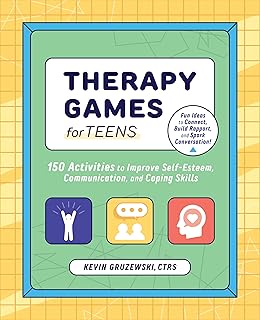
- Library Materials: Borrow books, e-books, or audiobooks on mental health from public libraries

Online Support Groups: Join forums or communities offering peer support and shared experiences for mental health
Online support groups provide a unique space where individuals facing mental health challenges can connect with others who truly understand their struggles. Unlike clinical settings, these forums foster a sense of community and shared experience, offering comfort, validation, and practical strategies from peers who’ve walked similar paths. Platforms like 7 Cups, Reddit’s mental health subreddits, or Facebook groups dedicated to specific conditions (e.g., anxiety, depression, or PTSD) are popular hubs. Here, anonymity often encourages openness, allowing users to share without fear of judgment or stigma.
To join effectively, start by identifying forums aligned with your specific needs—whether it’s managing panic attacks, coping with grief, or navigating bipolar disorder. Most platforms require registration, but it’s typically free. Once in, introduce yourself briefly, share your story if comfortable, and engage actively by responding to others’ posts. Consistency is key; regular participation builds trust and deepens connections. Remember, these groups are not therapy substitutes but complementary spaces for emotional support and resource sharing.
While online support groups offer immense benefits, they come with caveats. Not all advice is reliable; always cross-check information with trusted sources or professionals. Be cautious of oversharing personal details, as privacy can’t always be guaranteed. Additionally, some groups may lack moderation, leading to unhelpful or triggering content. To mitigate this, prioritize well-moderated platforms and report inappropriate behavior promptly. Finally, monitor your emotional state—if a group feels overwhelming, take a break or seek professional guidance.
The power of online support groups lies in their ability to bridge isolation and foster resilience. Hearing others’ success stories or coping mechanisms can inspire hope and provide actionable insights. For instance, a user might share how journaling or mindfulness apps helped them manage anxiety, offering a tangible strategy to try. Over time, these interactions can build a toolkit of self-care practices tailored to individual needs. By leveraging collective wisdom, participants often find strength in knowing they’re not alone.
In practice, integrating online support groups into your mental health routine requires balance. Dedicate 15–30 minutes daily or a few times a week to engage meaningfully without letting it dominate your time. Combine this with other strategies like exercise, therapy, or medication for a holistic approach. For younger users (teens or early adults), parental or guardian oversight can ensure safe participation. Ultimately, these communities serve as a reminder that healing is a shared journey, and every voice contributes to a larger tapestry of support.
Supporting Educators: Strategies for Teachers Managing Mental Health Challenges
You may want to see also
Explore related products


Free Helplines: Access 24/7 crisis hotlines for immediate professional guidance and emotional assistance
In moments of crisis, when the weight of mental health issues feels unbearable, free helplines offer a lifeline. These 24/7 crisis hotlines provide immediate access to trained professionals who can offer guidance, emotional support, and practical strategies to de-escalate distress. Unlike generic advice, these services are staffed by individuals skilled in crisis intervention, ensuring you receive tailored assistance when you need it most.
Consider this scenario: It’s 3 a.m., and anxiety has you trapped in a spiral of catastrophic thoughts. Instead of suffering alone, you dial a crisis hotline. Within minutes, a calm voice guides you through breathing exercises, helps you reframe your thoughts, and connects you to local resources for ongoing support. This isn’t just a conversation—it’s a structured intervention designed to stabilize you in the moment. For instance, the National Suicide & Crisis Lifeline (988 in the U.S.) uses evidence-based protocols to assess risk and provide immediate relief, often preventing emergencies before they escalate.
While helplines are invaluable, they’re not a substitute for long-term therapy or medication. Think of them as a bridge—a way to manage acute distress until you can access ongoing care. For example, if you’re experiencing suicidal thoughts, a crisis hotline can provide immediate safety planning, but follow-up with a mental health professional is essential. Similarly, if you’re dealing with chronic anxiety or depression, helplines can offer coping strategies, but they won’t address the root causes of your condition.
To maximize the benefit of these services, approach the call with clarity. Be honest about your feelings and situation—the more information you provide, the better the support. If you’re hesitant to speak, many hotlines offer text or chat options. For instance, Crisis Text Line (text HOME to 741741) allows you to communicate via message, which can feel less intimidating. Additionally, note that some helplines specialize in specific issues, such as the Trevor Project for LGBTQ+ youth or the Postpartum Support International line for new parents. Matching your needs to the right service ensures you receive the most relevant assistance.
In conclusion, free crisis helplines are a powerful tool in the mental health toolkit. They provide immediate, professional support during moments of acute distress, offering both emotional relief and practical guidance. While they’re not a long-term solution, they can be a critical first step toward healing. Knowing how and when to use these services empowers you to take control of your mental health, ensuring you’re never truly alone in your struggles.
Overemphasizing Mental Illness: When Seriousness Becomes a Double-Edged Sword
You may want to see also
Explore related products




Public Workshops: Attend free mental health seminars or webinars hosted by local organizations
Local organizations often host free mental health seminars and webinars, providing accessible, community-driven support for those seeking guidance. These events are typically led by professionals or experienced facilitators and cover a range of topics, from stress management to coping with anxiety or depression. Unlike one-on-one therapy, workshops offer a group setting where participants can learn from shared experiences, reducing feelings of isolation. Many are open to all ages, though some may target specific demographics, such as teens, seniors, or caregivers. To find these opportunities, check community centers, libraries, or local mental health nonprofits, which often advertise events on their websites or social media.
Attending a public workshop requires minimal preparation but maximizes impact. Most sessions last 1–2 hours and may include interactive activities, Q&A segments, or take-home resources. While not a substitute for personalized therapy, these workshops provide practical tools and strategies that can be applied immediately. For instance, a seminar on mindfulness might teach a 5-minute breathing exercise that attendees can practice daily. Some organizations also offer follow-up sessions or support groups to reinforce what’s been learned. The key is to approach these events with an open mind and a willingness to engage, even if it feels uncomfortable at first.
One of the strengths of public workshops is their ability to demystify mental health topics in a safe, non-judgmental space. For example, a webinar on recognizing burnout might use case studies or real-life scenarios to illustrate symptoms and solutions. This approach not only educates but also normalizes conversations around mental health, encouraging attendees to seek further help if needed. Additionally, many workshops are designed to be inclusive, with accommodations for disabilities or language barriers, ensuring a broader audience can benefit.
However, it’s important to manage expectations. Free workshops are not therapy sessions, and facilitators cannot provide individualized advice. They are best used as a starting point or supplement to other forms of support. If you’re in crisis, prioritize contacting a helpline or professional immediately. For ongoing learning, consider pairing workshops with other free resources, like mental health apps or online courses. By combining these tools, you can build a comprehensive approach to managing your mental well-being without financial strain.
ACA's Impact: Transforming Behavioral and Mental Health Care Access
You may want to see also
Explore related products


Social Media Resources: Follow verified accounts sharing expert tips, tools, and coping strategies
Social media platforms, often criticized for their impact on mental health, can paradoxically serve as powerful tools for accessing free, expert-driven advice. Verified accounts managed by mental health professionals, organizations, and advocates offer a wealth of tips, tools, and coping strategies tailored to diverse needs. These accounts distill complex psychological concepts into digestible, actionable content, making professional guidance accessible to anyone with an internet connection. For instance, accounts like *Therapy for Black Girls* or *The Mental Health Coalition* provide culturally sensitive advice, while *Psych Today* shares evidence-based strategies for common issues like anxiety or burnout.
To maximize the benefits of these resources, start by identifying accounts verified by platforms (look for blue checkmarks) or endorsed by reputable organizations like the American Psychological Association (APA) or the World Health Organization (WHO). Avoid unverified influencers who may lack credentials or spread misinformation. Engage actively by saving posts that resonate, participating in Q&A sessions, and joining communities linked to these accounts. For example, Instagram’s Reels or TikTok’s short-form videos often break down techniques like mindfulness or cognitive reframing in under a minute, making them ideal for quick, practical takeaways.
One caution: social media advice is not a substitute for personalized therapy. Treat these resources as supplementary tools rather than definitive solutions. For instance, a verified account might suggest deep breathing exercises for anxiety, but if symptoms persist, consult a professional. Additionally, be mindful of algorithmic traps—platforms may prioritize engaging content over scientifically rigorous advice. Counter this by diversifying your follow list and cross-referencing tips with trusted sources like the National Institute of Mental Health (NIMH).
A practical tip for integrating these resources into daily life is to create a "mental health toolkit" folder on your phone, saving posts or videos that offer specific strategies. For example, save a 30-second guided meditation for stress relief or a checklist for identifying burnout symptoms. Dedicate 5–10 minutes daily to explore one new post or practice one suggested technique. Over time, this habit can build a reservoir of coping skills, empowering you to navigate challenges more effectively.
In conclusion, verified social media accounts are untapped goldmines for free mental health advice, offering expert insights in accessible formats. By curating a thoughtful follow list, engaging actively, and using these resources wisely, you can transform your feed into a supportive space for growth and resilience. Remember, the goal isn’t to replace therapy but to complement it with practical, evidence-based tools that fit into your life.
Supporting Family Mental Health: Strategies for Understanding and Healing Together
You may want to see also
Explore related products


Library Materials: Borrow books, e-books, or audiobooks on mental health from public libraries
Public libraries are treasure troves of knowledge, offering free access to a wealth of resources on mental health. By borrowing books, e-books, or audiobooks, you can explore diverse perspectives, evidence-based strategies, and personal narratives that provide valuable insights into managing mental health issues. Most libraries categorize their collections, making it easy to find titles under sections like "Self-Help," "Psychology," or "Mental Health." Additionally, librarians are often trained to guide you toward relevant materials, ensuring you find resources tailored to your needs.
To begin, visit your local library’s website or physical location and search their catalog using keywords like "anxiety," "depression," or "mindfulness." Many libraries also offer digital platforms like Libby or OverDrive, where you can borrow e-books and audiobooks instantly with your library card. For those who prefer physical books, libraries typically allow borrowing periods of 2–3 weeks, with options for renewal. Audiobooks are particularly useful for individuals who find reading challenging or prefer multitasking, as they can be listened to during commutes or chores.
One practical tip is to look for books written by licensed mental health professionals or those with strong endorsements from reputable organizations. Titles like *Feeling Good* by David D. Burns (cognitive behavioral therapy) or *The Body Keeps the Score* by Bessel van der Kolk (trauma) are widely available and highly regarded. For younger audiences, libraries often stock age-appropriate materials, such as *What to Do When You Worry Too Much* by Dawn Huebner, designed for children and teens. Always check the publication date to ensure the information is current and aligns with modern mental health practices.
While library materials are a fantastic starting point, it’s important to approach them as educational tools rather than substitutes for professional therapy. Books can provide coping strategies, self-awareness, and a sense of community through shared experiences, but they cannot diagnose or treat severe conditions. If you find a resource particularly helpful, consider pairing it with journaling or discussing its insights with a trusted friend or counselor to deepen your understanding and application.
In conclusion, borrowing mental health resources from public libraries is a cost-effective, accessible way to gain knowledge and support. By leveraging their diverse collections and digital platforms, you can explore topics at your own pace and in your preferred format. Remember to complement these materials with professional guidance when needed, ensuring a well-rounded approach to your mental well-being.
Approaching Mental Health Conversations: Compassionate Strategies for Supportive Connections
You may want to see also
Frequently asked questions
Free mental health advice is available through various resources, including local community health centers, non-profit organizations like the National Alliance on Mental Illness (NAMI), and online platforms such as 7 Cups or Crisis Text Line. Many countries also offer free helplines, such as the National Suicide Prevention Lifeline in the U.S.
Yes, several apps offer free mental health support, including Calm, Headspace (which has a free tier), and Moodpath. These apps provide tools for stress management, meditation, and self-assessment, though they are not a substitute for professional therapy.
Some organizations and clinics offer free or low-cost consultations with mental health professionals, especially for those with financial constraints. Additionally, universities with psychology or counseling programs often provide free sessions with supervised students. Always verify credentials and confidentiality policies before proceeding.