Lucas Bennett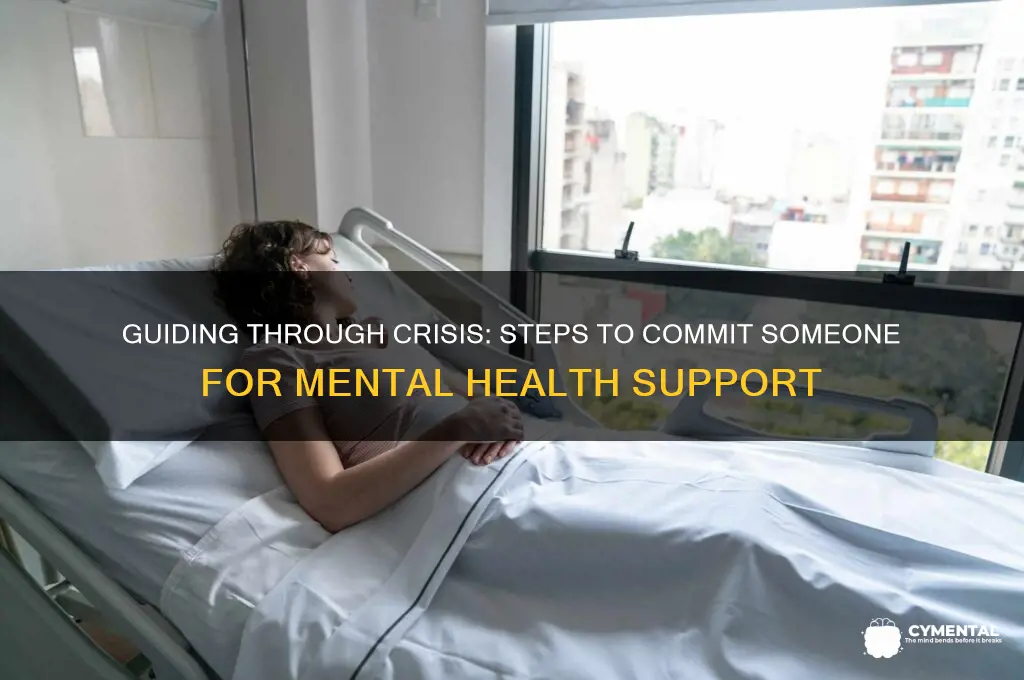
Addressing the process of committing someone for mental health issues requires a delicate balance of compassion, legal understanding, and urgency. In many jurisdictions, involuntary commitment is a last resort, reserved for situations where an individual poses a significant risk to themselves or others due to severe mental illness. The process typically involves a formal assessment by mental health professionals, followed by legal proceedings to ensure the individual’s rights are protected. Family members or concerned parties may initiate the process by contacting local mental health authorities or law enforcement, but it’s crucial to approach this step with empathy and awareness of the potential emotional and legal implications. Understanding the criteria, procedures, and resources available in your area is essential to navigating this challenging but sometimes necessary intervention.
Explore related products






What You'll Learn
- Recognizing Crisis Signs: Identify severe symptoms like suicidal behavior, psychosis, or inability to care for oneself
- Legal Commitment Criteria: Understand state laws for involuntary hospitalization and the process for filing a petition
- Gathering Evidence: Document recent behaviors, incidents, and professional assessments to support the commitment case
- Contacting Authorities: Reach out to mental health professionals, law enforcement, or crisis hotlines for assistance
- Supporting Post-Commitment: Learn about treatment plans, rights of the individual, and family involvement during recovery

Recognizing Crisis Signs: Identify severe symptoms like suicidal behavior, psychosis, or inability to care for oneself
Suicidal behavior often manifests as direct statements ("I wish I wasn’t here") or indirect clues (giving away possessions, sudden calm after severe depression). Psychosis may include hallucinations ("I hear voices telling me to harm myself") or delusions ("The government is poisoning my food"). Inability to care for oneself shows up as neglect of basic hygiene, unpaid bills, or malnutrition. These signs demand immediate attention, as they indicate a person’s life or safety is at risk.
To assess suicidal risk, use the Columbia-Suicide Severity Rating Scale (C-SSRS), a structured tool that evaluates ideation, intent, and plans. For psychosis, observe if the person’s beliefs are fixed and impervious to reason (e.g., "My thoughts are being broadcast on the radio"). Inability to care for oneself can be measured by the Katz Activities of Daily Living (ADL) scale, which includes tasks like bathing, dressing, and eating. Document specific examples (e.g., "Hasn’t showered in two weeks") to support your case for intervention.
Persuading someone to accept help often requires empathy paired with urgency. Avoid phrases like "It’s all in your head," which invalidate their experience. Instead, say, "I’m worried about you, and I want to help you get through this." If they refuse assistance, contact a mental health professional or crisis hotline for guidance. In extreme cases, involuntary commitment may be necessary, but this varies by jurisdiction—research your state’s criteria (e.g., California’s 5150 hold allows 72-hour detention for evaluation).
Comparing these symptoms to less severe mental health issues highlights the need for swift action. For instance, occasional sadness differs from persistent suicidal ideation, and quirky beliefs differ from delusions that drive dangerous behavior. The inability to care for oneself isn’t mere laziness but a sign of cognitive or emotional collapse. Recognizing these distinctions ensures you respond proportionally, balancing compassion with the gravity of the situation.
In conclusion, identifying crisis signs requires vigilance, specificity, and a structured approach. Suicidal behavior, psychosis, and self-neglect are red flags that cannot be ignored. By using validated tools, communicating effectively, and understanding legal options, you can help ensure the person receives the urgent care they need. Remember, early intervention can save lives.
Navigating Mental Health Disclosure in Job Applications: Tips for Success
You may want to see also
Explore related products


Legal Commitment Criteria: Understand state laws for involuntary hospitalization and the process for filing a petition
Involuntary hospitalization for mental health issues is governed by state-specific laws, making it crucial to understand the legal criteria and processes in your jurisdiction. Each state outlines distinct requirements for committing someone against their will, typically hinging on the individual’s risk to themselves or others, or their inability to care for themselves due to severe mental illness. For instance, California’s Lanterman-Petris-Short (LPS) Act requires a person to be "gravely disabled," while New York mandates a "substantial likelihood of physical harm" within the near future. Familiarizing yourself with these nuances is the first step in navigating this complex process.
Filing a petition for involuntary commitment involves a structured legal procedure that varies by state. Generally, it begins with submitting a written request to a court or mental health authority, often accompanied by a statement from a qualified mental health professional or physician. In Texas, for example, a peace officer or licensed physician can initiate the process, but a magistrate must issue an emergency detention order within 48 hours. Conversely, Florida requires a petition from a spouse, relative, or mental health professional, followed by a hearing within five days. Understanding these procedural steps ensures compliance and increases the likelihood of a successful petition.
While the legal framework provides a roadmap, practical considerations can complicate the process. For instance, some states require evidence of recent dangerous behavior, such as a suicide attempt or threats of violence, to justify commitment. Others may mandate less restrictive alternatives, like outpatient treatment, be considered first. Additionally, the individual’s rights, such as the right to legal representation and a hearing, must be respected. Missteps in this area can lead to delays or denials, underscoring the importance of meticulous preparation and adherence to state-specific guidelines.
A comparative analysis of state laws reveals both commonalities and disparities. Most states require a mental health evaluation by a qualified professional, but the timeline for this assessment varies—from immediate in emergency cases to within 72 hours in others. Some states, like Illinois, allow for short-term holds (up to 96 hours) without a court order if immediate danger is present, while others, like Massachusetts, require judicial approval from the outset. These differences highlight the need for localized knowledge and strategic planning when pursuing involuntary commitment.
In conclusion, navigating the legal commitment criteria for involuntary hospitalization demands a dual focus: understanding the specific laws of your state and meticulously following the procedural steps. From gathering evidence of risk to filing the petition and respecting the individual’s legal rights, each stage requires careful attention. By approaching this process with clarity and precision, you can ensure that the intervention is both legally sound and ethically justified, prioritizing the well-being of the individual and the safety of those around them.
Mastering Mental Health Advocacy: A Guide to Public Speaking
You may want to see also
Explore related products


Gathering Evidence: Document recent behaviors, incidents, and professional assessments to support the commitment case
Involuntary commitment is a serious step, and the legal threshold for such actions is high. Courts require clear, compelling evidence that an individual poses a danger to themselves or others due to a severe mental health condition. This is where meticulous documentation becomes your strongest ally. Think of it as building a case, brick by brick, with each piece of evidence contributing to a clear picture of the individual's deteriorating mental state and the associated risks.
Every interaction, incident, and observation matters. Note dates, times, locations, and specific behaviors exhibited. Was there a recent episode of self-harm? Document the method, severity, and any medical intervention required. Did they threaten harm to others? Record the exact words used, the context, and the reaction of those involved. Even seemingly minor changes in behavior, like sudden social withdrawal or neglect of personal hygiene, can be significant when viewed as part of a larger pattern.
Don't rely solely on your own observations. Seek out corroborating evidence from others who interact with the individual regularly. This could include family members, friends, coworkers, teachers, or neighbors. Encourage them to document their observations in writing, detailing specific incidents and their concerns. Remember, consistency and objectivity are key. Avoid subjective interpretations or emotional language. Stick to the facts, presenting a clear and unbiased account of what was witnessed.
Think of professional assessments as the expert testimony in your case. Schedule appointments with qualified mental health professionals, such as psychiatrists or psychologists, who can conduct thorough evaluations and provide detailed reports. These assessments should include a diagnosis, an analysis of the individual's current mental state, and a professional opinion on the level of risk they pose. If the individual is already under treatment, obtain copies of their medical records, including medication history, therapy notes, and any previous hospitalizations.
While gathering evidence is crucial, it's equally important to approach this process with empathy and respect for the individual's rights. Remember, involuntary commitment is a last resort, and every effort should be made to explore less restrictive alternatives first. Documenting their struggles is not about judgment or punishment; it's about ensuring they receive the help they need to recover and live a safe and fulfilling life.
Heart-Mind Connection: Unraveling the Link Between Cardiac and Mental Health
You may want to see also
Explore related products


Contacting Authorities: Reach out to mental health professionals, law enforcement, or crisis hotlines for assistance
In moments of crisis, knowing who to call can be the difference between escalation and intervention. Mental health professionals, law enforcement, and crisis hotlines each serve distinct roles in addressing urgent situations. Mental health professionals, such as psychiatrists or therapists, can assess the individual’s condition and recommend appropriate treatment, including involuntary commitment if necessary. Law enforcement officers are trained to handle emergencies and can initiate emergency holds under specific legal criteria. Crisis hotlines, like the National Suicide Prevention Lifeline (988), provide immediate support and guidance, often connecting callers to local resources. Understanding these roles ensures you contact the right authority for the situation at hand.
Consider this scenario: a family member is experiencing severe psychosis, posing a danger to themselves or others. In such cases, contacting law enforcement may be the most immediate and effective action. Most jurisdictions allow officers to initiate an emergency psychiatric hold if the individual meets criteria such as being a threat to self or others or unable to care for themselves. However, it’s crucial to communicate calmly and clearly with dispatchers, emphasizing the mental health aspect of the crisis. Phrases like, “My loved one is in a mental health crisis and needs immediate help,” can guide the response toward appropriate resources rather than punitive measures.
While law enforcement is often the go-to in emergencies, mental health professionals can provide a more nuanced approach. If the situation is urgent but not immediately life-threatening, reaching out to a psychiatrist, therapist, or local mental health clinic can be more effective. These professionals can file petitions for involuntary commitment if necessary, often with a deeper understanding of the individual’s history and needs. For instance, in California, a 5150 hold can be initiated by a qualified professional, allowing for a 72-hour assessment period. This route minimizes trauma and fosters trust, as the intervention comes from a healthcare perspective rather than a legal one.
Crisis hotlines serve as a vital bridge between immediate danger and long-term intervention. Trained operators can de-escalate situations, provide coping strategies, and connect individuals to local emergency services or mental health providers. For example, the Crisis Text Line (text HOME to 741741) offers silent support for those who cannot speak safely. These services are particularly useful when you’re unsure of the next step or need guidance on how to approach the situation. They can also assist in navigating the commitment process, explaining legal requirements, and offering emotional support throughout.
Each authority has its strengths and limitations, so the choice depends on the urgency and specifics of the situation. Law enforcement is best for immediate threats, mental health professionals for assessed interventions, and crisis hotlines for guidance and de-escalation. Combining these resources—such as calling a hotline for advice while arranging a mental health evaluation—can create a comprehensive support system. Remember, the goal is safety and treatment, not punishment. By contacting the right authority, you can help ensure the individual receives the care they need while respecting their rights and dignity.
Empowering Teens: Strategies for Supporting Mental Health Challenges
You may want to see also
Explore related products


Supporting Post-Commitment: Learn about treatment plans, rights of the individual, and family involvement during recovery
Once an individual is committed for mental health treatment, the focus shifts from crisis intervention to long-term recovery. Understanding the treatment plan is crucial for both the patient and their support network. Treatment plans are typically tailored to the individual’s diagnosis and may include medication, therapy, or a combination of both. For example, a person diagnosed with schizophrenia might receive antipsychotic medications like olanzapine (10–20 mg daily) alongside cognitive-behavioral therapy sessions twice weekly. Families should request a detailed explanation of the plan, including medication dosages, therapy goals, and expected timelines. This clarity ensures everyone is aligned and can advocate effectively for the individual’s needs.
While treatment is essential, safeguarding the rights of the committed individual is equally critical. Under laws like the Mental Health Parity Act in the U.S., patients retain rights such as informed consent, confidentiality, and the ability to refuse treatment in certain circumstances. For instance, a patient can decline electroconvulsive therapy (ECT) unless a court deems it medically necessary. Families must familiarize themselves with these rights to prevent overstepping boundaries while still offering support. Regularly reviewing the patient’s rights with hospital staff can help bridge gaps in understanding and foster trust in the recovery process.
Family involvement is a double-edged sword in post-commitment recovery. On one hand, it provides emotional support and continuity; on the other, it can inadvertently hinder progress if not managed thoughtfully. Research shows that families who participate in psychoeducation programs—structured sessions teaching about mental illness, treatment, and communication strategies—see better outcomes. For example, a family learning to recognize early warning signs of relapse can intervene sooner, potentially preventing rehospitalization. However, involvement should respect the individual’s autonomy. Setting boundaries, such as scheduled check-ins rather than constant oversight, balances support with independence.
Practical steps for families include attending care team meetings, maintaining open communication with providers, and advocating for resources like vocational training or housing assistance. For instance, a family might help their loved one enroll in a supported employment program, which has been shown to improve recovery rates for individuals with severe mental illness. Additionally, families should monitor their own well-being; caregiver burnout is common and can undermine recovery efforts. Support groups, such as the National Alliance on Mental Illness (NAMI), offer valuable peer connections and coping strategies.
In conclusion, supporting post-commitment recovery requires a proactive, informed, and balanced approach. By understanding treatment plans, respecting individual rights, and engaging thoughtfully as a family, loved ones can play a pivotal role in fostering sustained recovery. This phase is not just about managing symptoms but about rebuilding a life—a process that demands patience, education, and collaboration.
Contacting Your Precinct for Mental Health Support: A Step-by-Step Guide
You may want to see also
Frequently asked questions
The process varies by jurisdiction but typically involves contacting local mental health authorities, law enforcement, or healthcare providers. A professional will assess the individual to determine if they meet the legal criteria for involuntary commitment, such as being a danger to themselves or others.
Yes, but only if they meet specific legal criteria, such as posing a risk of harm to themselves or others, and if a qualified professional evaluates and approves the commitment.
Evidence typically includes observable behaviors indicating a severe mental health crisis, such as suicidal threats, violent actions, or an inability to care for oneself. Documentation from healthcare professionals or witnesses can support the case.
The duration varies by jurisdiction and the individual’s condition. Initial holds are often short (e.g., 72 hours) for evaluation, but longer-term commitments may be approved by a court if ongoing treatment is deemed necessary.
Individuals have rights such as the right to legal representation, the right to appeal the commitment, and the right to be treated with dignity. They also have the right to be informed about their treatment and to refuse certain treatments, depending on the jurisdiction.