Caleb Wright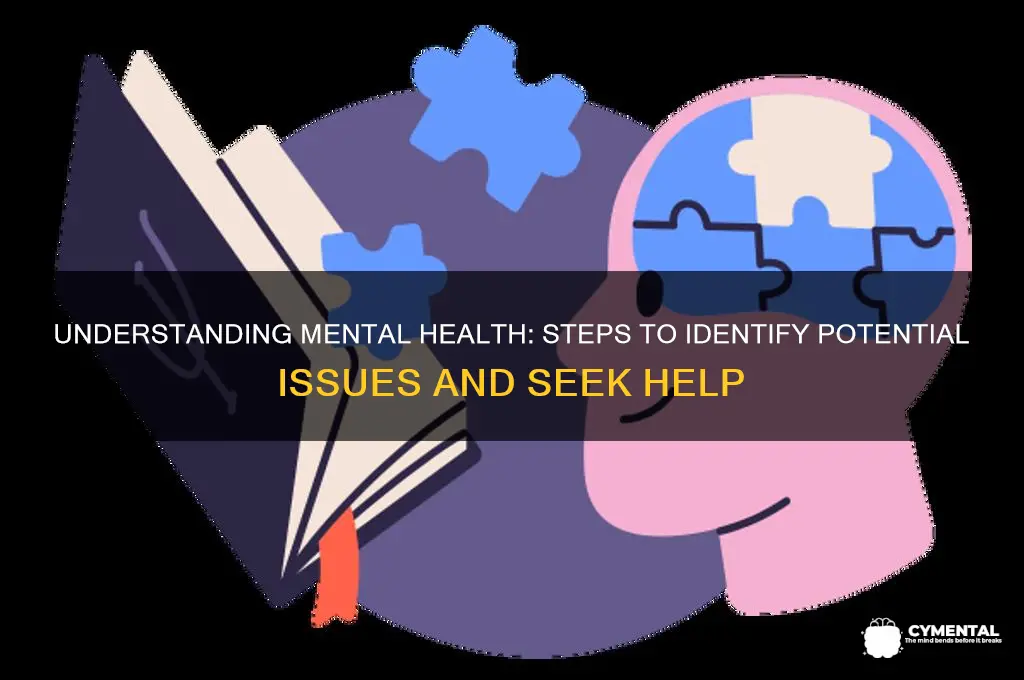
Recognizing whether you might be experiencing mental health issues can be a challenging and deeply personal process, as symptoms often manifest subtly and vary widely from person to person. Common signs include persistent feelings of sadness, anxiety, or irritability, changes in sleep or appetite, difficulty concentrating, withdrawal from social activities, or thoughts of self-harm. It’s important to approach this topic with self-compassion and without judgment, as mental health struggles are not a sign of weakness but rather a common aspect of the human experience. If you suspect something feels off, consider keeping a journal to track your emotions and behaviors, consulting trusted friends or family for their observations, or seeking professional guidance from a therapist or counselor. Remember, acknowledging your concerns is the first step toward understanding and addressing them, and reaching out for help is a courageous act of self-care.
Explore related products


What You'll Learn
- Recognizing Symptoms: Identify common signs like mood swings, anxiety, or persistent sadness
- Self-Assessment Tools: Use online quizzes or questionnaires to gauge mental health
- Seeking Professional Help: Consult therapists or psychiatrists for accurate diagnosis
- Journaling Emotions: Track feelings and patterns to spot inconsistencies or distress
- Feedback from Others: Ask trusted friends or family for their observations

Recognizing Symptoms: Identify common signs like mood swings, anxiety, or persistent sadness
Mood swings, anxiety, and persistent sadness are often the body’s alarm system, signaling that something deeper may be amiss. These symptoms aren’t just fleeting emotions; they’re patterns that disrupt daily life. For instance, if you find yourself oscillating between euphoria and despair within hours, or if worry paralyzes you from completing simple tasks, these could be red flags. Tracking these shifts in a journal can help differentiate between normal emotional fluctuations and potential mental health concerns. Recognizing these signs early is the first step toward addressing them effectively.
Consider anxiety, a symptom often misunderstood as mere stress. While occasional anxiety is normal, persistent or overwhelming anxiety—like racing thoughts, insomnia, or physical symptoms such as rapid heartbeat—may indicate generalized anxiety disorder (GAD). According to the Anxiety and Depression Association of America, GAD affects 6.8 million adults in the U.S. alone. Practical tips to assess severity include monitoring how often anxiety interferes with work, relationships, or self-care. If it’s frequent, consulting a mental health professional is crucial.
Persistent sadness, another critical symptom, often masquerades as laziness or lack of motivation. Unlike temporary feelings of sadness, clinical depression lingers for weeks or months, accompanied by fatigue, loss of interest in hobbies, or changes in appetite. The World Health Organization reports that over 264 million people globally suffer from depression. A simple self-assessment tool is the PHQ-9 questionnaire, which scores symptoms on a scale of 0 to 27. Scores above 10 suggest the need for professional evaluation.
Comparing these symptoms to physical health markers can be illuminating. Just as high blood pressure indicates cardiovascular risk, persistent mental health symptoms signal underlying issues. For example, mood swings akin to bipolar disorder require careful observation: manic episodes (elevated mood, decreased sleep) alternating with depressive episodes. If such patterns persist for a week or more, medical consultation is essential. Early intervention, much like managing diabetes or hypertension, can prevent long-term complications.
Finally, recognizing these symptoms isn’t about self-diagnosis but self-awareness. Mental health is nuanced, and symptoms often overlap across disorders. For instance, anxiety and depression frequently co-occur, complicating self-assessment. The takeaway? Use symptom tracking as a starting point, not a definitive guide. Pair it with professional advice, such as therapy or psychiatric evaluation, to ensure accurate diagnosis and tailored treatment. Your mental well-being deserves the same diligence as your physical health.
Overemphasizing Mental Illness: When Seriousness Becomes a Double-Edged Sword
You may want to see also
Explore related products


Self-Assessment Tools: Use online quizzes or questionnaires to gauge mental health
Online self-assessment tools, such as quizzes and questionnaires, have become a popular first step for individuals seeking to understand their mental health. These tools, often designed by mental health professionals or reputable organizations, provide a structured way to reflect on symptoms, behaviors, and emotions. For instance, the PHQ-9 (Patient Health Questionnaire-9) is a widely used self-assessment for depression, asking questions like, "Over the last two weeks, how often have you been bothered by feeling down, depressed, or hopeless?" Each question is scored on a scale of 0 to 3, with total scores ranging from 0 to 27, where higher scores indicate more severe depression. While not diagnostic, these tools can offer valuable insights and encourage further action.
However, not all online quizzes are created equal. It’s crucial to choose tools from credible sources, such as government health websites, universities, or established mental health organizations like the National Alliance on Mental Illness (NAMI) or the American Psychological Association (APA). Avoid quizzes on unverified websites or social media platforms, as they may lack scientific grounding and could provide misleading results. For example, a quiz titled "Are You Depressed?" on a lifestyle blog may use vague or sensationalized questions, whereas a tool like the GAD-7 (Generalized Anxiety Disorder-7) is clinically validated and widely accepted in healthcare settings.
Using these tools effectively requires honesty and self-awareness. Answer questions based on how you genuinely feel, not how you think you *should* feel. For instance, if a questionnaire asks about sleep disturbances, consider whether you’ve been experiencing insomnia, excessive sleep, or restless nights. Keep in mind that self-assessments are not a substitute for professional diagnosis but rather a starting point. If your results suggest potential issues, they can serve as a conversation starter with a healthcare provider. For example, bringing a completed PHQ-9 to a doctor’s appointment can help articulate your concerns more clearly.
One practical tip is to track your responses over time. Mental health can fluctuate, and repeating a self-assessment every few weeks can highlight patterns or changes. For instance, if your GAD-7 score consistently increases, it may indicate rising anxiety levels that warrant attention. Pairing these tools with journaling or mood-tracking apps can provide additional context. However, be cautious of over-relying on self-assessments; they are not definitive and should complement, not replace, professional evaluation.
In conclusion, online self-assessment tools are a convenient and accessible way to gauge mental health, but they require careful selection and interpretation. By choosing credible tools, answering honestly, and using results as a springboard for further action, individuals can take proactive steps toward understanding and addressing their mental well-being. Remember, these tools are a starting point—not an endpoint—in the journey toward mental health awareness.
Understanding the Severity of Mental Health Issues: A Comprehensive Overview
You may want to see also
Explore related products



Seeking Professional Help: Consult therapists or psychiatrists for accurate diagnosis
Self-diagnosis can be a slippery slope, often leading to misinformation and unnecessary anxiety. While online quizzes and symptom checklists might offer a starting point, they lack the nuance and expertise required to navigate the complexities of mental health. The human mind is a labyrinthine landscape, and only trained professionals possess the tools to accurately map its contours.
Enter therapists and psychiatrists, the cartographers of the mind. These professionals undergo extensive training to decipher the intricate language of thoughts, emotions, and behaviors. They employ standardized assessments, clinical interviews, and observational techniques to gather a comprehensive understanding of your unique experience.
Consider this: a persistent headache could signal anything from dehydration to a migraine, or even a more serious underlying condition. Similarly, feelings of sadness, anxiety, or disconnection can stem from various factors, including temporary stressors, lifestyle choices, or diagnosable mental health conditions. A therapist or psychiatrist acts as a skilled detective, sifting through the clues to arrive at an accurate diagnosis, ensuring you receive the most appropriate treatment.
For instance, a psychiatrist, with their medical background, can prescribe medication if necessary, while a therapist can guide you through evidence-based therapies like Cognitive Behavioral Therapy (CBT) or Dialectical Behavior Therapy (DBT). This collaborative approach, tailored to your specific needs, significantly increases the likelihood of effective treatment and long-term recovery.
Seeking professional help is not a sign of weakness; it's a courageous step towards understanding yourself and reclaiming your well-being. Remember, mental health is just as important as physical health, and deserving of the same level of care and attention. Don't let self-doubt or stigma prevent you from accessing the support you deserve. Reach out, take that first step, and embark on a journey towards a healthier, happier you.
Effective Strategies to Reduce Mental Health Issues and Improve Well-Being
You may want to see also
Explore related products


Journaling Emotions: Track feelings and patterns to spot inconsistencies or distress
Emotions, like the weather, are ever-changing, but unlike the forecast, they often lack clear patterns. Journaling emotions can serve as a personal radar, helping you track feelings and identify inconsistencies or distress before they escalate. By recording daily moods, triggers, and reactions, you create a dataset of your emotional landscape. This practice isn’t about labeling yourself as "normal" or "abnormal" but about noticing trends—like sudden spikes in anxiety or prolonged periods of numbness—that might warrant attention. Think of it as a logbook for your mind, where patterns emerge only when you commit to consistent observation.
To start journaling effectively, set aside 5–10 minutes daily to write freely about your emotions. Use a notebook or a digital app, but ensure it’s easily accessible. Begin with a simple prompt: "How do I feel right now?" Be specific—instead of "sad," note if it’s a heavy, lingering sadness or a fleeting melancholy. Include context: What happened today? Who were you with? Did anything trigger a shift in mood? Over time, add a rating scale (1–10) for intensity. For example, "Anxiety: 8/10, triggered by a work email at 9 PM." This structured approach transforms vague feelings into tangible data, making it easier to spot anomalies.
Analyzing your journal requires both curiosity and detachment. Look for recurring themes: Do certain people or situations consistently cause distress? Are there days or times when emotions feel disproportionately intense? For instance, if you notice every Sunday evening brings a wave of dread, it might signal anticipatory anxiety about the workweek. Similarly, if joy feels absent for weeks, it could indicate anhedonia, a symptom of depression. The goal isn’t to diagnose but to recognize when patterns deviate from your baseline. Share these observations with a therapist, who can help interpret them in a clinical context.
A caution: journaling emotions isn’t a replacement for professional help but a tool to complement it. If tracking feelings becomes obsessive or re-traumatizing, take a step back. For example, revisiting traumatic entries daily can exacerbate distress. Instead, set boundaries—review older entries monthly, not daily, and focus on progress rather than pain. Additionally, avoid over-intellectualizing your emotions. The journal is a space for honesty, not judgment. If you find yourself writing what you *think* you should feel, pause and reconnect with your raw experience.
In conclusion, journaling emotions is a proactive way to monitor mental health, offering clarity in the chaos of feelings. It’s a bridge between fleeting moments and long-term patterns, helping you identify when to seek support. Start small, stay consistent, and remember: the goal is awareness, not perfection. Over time, this practice can become a trusted ally in understanding your mind’s unique rhythms.
Social Media's Impact: Rising Mental Health Issues in the Digital Age
You may want to see also
Explore related products




Feedback from Others: Ask trusted friends or family for their observations
Those closest to us often notice changes in behavior or mood that we might overlook or rationalize. A trusted friend or family member can provide an outside perspective, acting as a mirror to reflect patterns you might not see. For instance, they might observe increased irritability, social withdrawal, or changes in sleep habits—subtle shifts that could indicate underlying mental health concerns. Their feedback isn’t a diagnosis but a valuable data point, offering clues that warrant further exploration.
To effectively gather this feedback, approach the conversation with openness and humility. Start by expressing your intention: “I’ve been feeling off lately and want to understand if others have noticed anything different about me.” Frame it as a collaborative effort rather than an interrogation. Encourage honesty by assuring them their input is helpful, not hurtful. For example, instead of asking, “Do I seem depressed?” try, “Have you noticed any changes in my energy or mood recently?” Specific, non-leading questions yield more actionable insights.
Not all feedback will be useful or accurate, so analyze it critically. Consider the source—is this person observant, or do they tend to exaggerate? Look for consistency across multiple perspectives. If several people mention your increased anxiety or decreased engagement, it’s worth noting. Conversely, dismiss isolated comments that don’t align with other observations. Think of this feedback as a piece of a larger puzzle, not the final picture.
Practical tip: Limit the circle of people you ask to 2–3 trusted individuals. Too many opinions can muddy the waters. Choose those who interact with you regularly and have a history of constructive communication. After gathering feedback, reflect on it privately. If patterns emerge, consult a mental health professional who can contextualize these observations within a clinical framework. Remember, feedback from others is a tool, not a verdict—use it to inform, not define, your next steps.
Opioids and Mental Health: Unraveling the Devastating Psychological Impact
You may want to see also
Frequently asked questions
Start by paying attention to persistent changes in your mood, behavior, or thinking patterns. If you experience symptoms like prolonged sadness, anxiety, difficulty concentrating, or withdrawal from social activities, consider consulting a mental health professional for a proper assessment.
Common signs include frequent feelings of hopelessness, irritability, sleep disturbances, changes in appetite, loss of interest in activities, or thoughts of self-harm. If these symptoms interfere with your daily life, it’s important to seek help.
While self-awareness is important, self-diagnosis is not reliable. Mental health issues require a professional evaluation by a psychologist, psychiatrist, or therapist who can provide an accurate diagnosis and appropriate treatment plan.