Ava Ramirez
Seeking help for a mental disorder is a courageous and essential step toward improving one’s quality of life. The first step often involves recognizing the signs and symptoms, such as persistent sadness, anxiety, mood swings, or changes in behavior, and acknowledging the need for support. Professional assistance can be found through mental health providers like therapists, psychologists, or psychiatrists, who offer diagnosis, therapy, and medication when necessary. Primary care physicians can also provide referrals or initial guidance. Additionally, support groups, hotlines, and online resources offer valuable peer support and information. It’s important to remember that reaching out is a sign of strength, and with the right help, recovery and management of mental health conditions are achievable.
| Characteristics | Values |
|---|---|
| Recognize Symptoms | Identify persistent changes in mood, behavior, or thinking. Common signs include prolonged sadness, anxiety, withdrawal, or difficulty functioning daily. |
| Seek Professional Help | Consult a primary care physician, psychiatrist, psychologist, or therapist for diagnosis and treatment. |
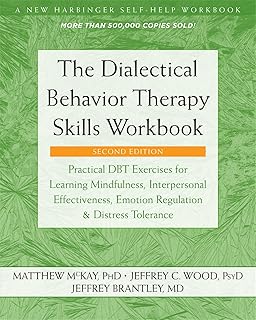
| Therapy Options | Cognitive Behavioral Therapy (CBT), Dialectical Behavior Therapy (DBT), psychodynamic therapy, or group therapy. |
| Medication | Antidepressants, mood stabilizers, antipsychotics, or anxiolytics prescribed by a psychiatrist or medical professional. |
| Support Groups | Join local or online support groups (e.g., NAMI, Anxiety and Depression Association of America) for peer support. |
| Hotlines and Crisis Services | Use crisis hotlines like the National Suicide Prevention Lifeline (988 in the U.S.) or Crisis Text Line (text HOME to 741741). |
| Self-Help Strategies | Practice mindfulness, exercise, maintain a healthy diet, and establish a routine to manage symptoms. |
| Educational Resources | Access reliable websites like the National Institute of Mental Health (NIMH) or MentalHealth.gov for information and tools. |
| Insurance and Financial Assistance | Check insurance coverage for mental health services or explore low-cost/sliding-scale clinics. |
| Family and Friends Support | Involve trusted loved ones for emotional support and assistance in finding resources. |
| Emergency Situations | In case of immediate danger, call emergency services (911 in the U.S.) or go to the nearest emergency room. |
| Cultural Sensitivity | Seek providers who understand cultural backgrounds and specific needs for diverse populations. |
| Follow-Up Care | Regularly attend follow-up appointments and adjust treatment plans as needed with healthcare providers. |
Explore related products


What You'll Learn
- Recognizing Symptoms: Learn common signs of mental disorders to identify when professional help is needed
- Finding Therapists: Research licensed therapists, psychologists, or psychiatrists specializing in your specific condition
- Support Groups: Join peer-led or professional groups for shared experiences and emotional support
- Medication Options: Consult a psychiatrist to explore medication as part of treatment if necessary
- Emergency Resources: Know crisis hotlines, helplines, and local emergency services for immediate assistance

Recognizing Symptoms: Learn common signs of mental disorders to identify when professional help is needed
Mental health disorders often manifest through subtle yet persistent changes in behavior, mood, and cognition. Recognizing these signs early can be the difference between timely intervention and prolonged suffering. For instance, prolonged feelings of sadness or hopelessness lasting more than two weeks may indicate depression, while sudden, intense anxiety without an apparent trigger could signal an anxiety disorder. Physical symptoms like unexplained fatigue, sleep disturbances, or changes in appetite often accompany these conditions, serving as red flags that something deeper is amiss. Understanding these patterns empowers individuals to seek help before symptoms escalate.
To identify when professional help is needed, it’s crucial to differentiate between normal emotional fluctuations and symptoms of a mental disorder. For example, occasional stress is a natural part of life, but persistent worry that interferes with daily functioning may point to generalized anxiety disorder. Similarly, while everyone experiences mood swings, extreme highs and lows that disrupt relationships or work could indicate bipolar disorder. A practical tip is to keep a symptom journal, noting the frequency, duration, and intensity of concerning behaviors or feelings. This documentation can provide valuable insights for both the individual and a mental health professional.
Children and adolescents exhibit symptoms differently than adults, making recognition particularly challenging. In younger age groups, mental disorders may manifest as irritability, frequent tantrums, or a decline in academic performance rather than overt sadness or anxiety. For instance, a teenager with depression might show increased aggression or social withdrawal instead of the typical signs seen in adults. Parents and caregivers should be vigilant for sudden changes in behavior, such as a previously social child becoming isolated or a high-achieving student losing interest in school. Early intervention in these cases can prevent long-term consequences.
Persuading someone to seek help often requires a delicate approach, as stigma and denial can create barriers. Start by expressing concern in a non-judgmental way, using specific examples of observed behaviors rather than labeling them with a disorder. For instance, say, “I’ve noticed you’ve been staying up late and seem really tired during the day—is there something going on?” instead of “You’re acting depressed.” Offer to accompany them to an appointment or help find resources, as the process can feel overwhelming. Remember, the goal is to encourage professional assessment, not diagnose or fix the issue yourself.
In conclusion, recognizing the symptoms of mental disorders requires awareness, observation, and a willingness to act. By understanding common signs, differentiating them from normal experiences, and tailoring approaches to specific age groups, individuals can identify when professional help is necessary. Practical tools like symptom journals and empathetic communication strategies further support this process. Early recognition not only alleviates suffering but also fosters a path toward recovery and improved quality of life.
Routine's Role: Enhancing Mental Health Through Structure and Consistency
You may want to see also
Explore related products


Finding Therapists: Research licensed therapists, psychologists, or psychiatrists specializing in your specific condition
Finding a therapist who specializes in your specific mental health condition can significantly improve treatment outcomes. Unlike general practitioners, specialists have in-depth knowledge of particular disorders, access to condition-specific therapies, and often collaborate with interdisciplinary teams. For instance, a therapist specializing in obsessive-compulsive disorder (OCD) is trained in Exposure and Response Prevention (ERP), the gold-standard treatment, which involves gradual exposure to feared stimuli and prevention of compulsive behaviors. Without this expertise, treatment may lack focus or efficacy.
Begin your search by identifying your specific diagnosis or symptoms. For example, if you’re experiencing panic attacks, look for therapists specializing in anxiety disorders rather than those with a general practice. Use online directories like Psychology Today, GoodTherapy, or the American Psychological Association’s Psychologist Locator, which allow you to filter by specialty, treatment approach, and location. Verify credentials by checking state licensing boards (e.g., the California Board of Psychology) to ensure the therapist is licensed and in good standing. Avoid assuming that all therapists are equally qualified; specialization matters.
Once you’ve compiled a list of potential therapists, assess their treatment modalities. Cognitive Behavioral Therapy (CBT) is effective for depression and anxiety, while Dialectical Behavior Therapy (DBT) is tailored for borderline personality disorder. For trauma, Eye Movement Desensitization and Reprocessing (EMDR) or Prolonged Exposure Therapy may be recommended. Schedule initial consultations to discuss their approach and ask about their experience with your condition. For example, inquire, “How many clients with generalized anxiety disorder have you treated in the past year, and what outcomes did they achieve?”
Cost and accessibility are practical considerations. Many specialists accept insurance, but verify coverage by contacting your provider and the therapist’s office. If out-of-pocket costs are a concern, consider sliding-scale fees or community mental health clinics, which often offer specialized care at reduced rates. Teletherapy has also expanded access, allowing you to connect with specialists outside your geographic area. However, ensure the therapist is licensed to practice in your state, as regulations vary.
Finally, trust your instincts. A therapist’s expertise is crucial, but so is the therapeutic alliance—the collaborative relationship between you and the therapist. If you feel dismissed, judged, or misunderstood during initial sessions, it’s acceptable to seek another provider. Finding the right specialist may take time, but the effort can lead to more targeted, effective treatment. Remember, mental health is a journey, and the right guide can make all the difference.
Legal Frameworks: Empowering Mental Health Support and Reducing Stigma
You may want to see also
Explore related products




Support Groups: Join peer-led or professional groups for shared experiences and emotional support
Support groups offer a unique blend of camaraderie and understanding that can be transformative for individuals navigating mental health challenges. Unlike one-on-one therapy, these groups provide a collective space where experiences are shared, reducing the isolating belief that "I’m the only one going through this." Peer-led groups, often facilitated by individuals with lived experience, foster a sense of equality, while professionally led groups bring structured expertise to the table. Both formats create a safe environment where members can express vulnerabilities without fear of judgment, leveraging the power of shared humanity to heal.
To find the right support group, start by identifying your specific needs—whether it’s managing anxiety, coping with depression, or navigating bipolar disorder. Online platforms like Meetup, Psychology Today, or the National Alliance on Mental Illness (NAMI) offer searchable directories tailored to various conditions and demographics. Local community centers, hospitals, and mental health clinics often host in-person groups, providing face-to-face interaction that some find more grounding. When joining, set realistic expectations: consistency is key, so commit to attending regularly, but don’t pressure yourself to share until you feel comfortable.
One of the most compelling aspects of support groups is their ability to normalize struggles through storytelling. Hearing others articulate feelings or experiences you’ve struggled to put into words can be profoundly validating. For instance, a peer in a PTSD support group might describe their hypervigilance in crowded spaces, helping another member realize they’re not "overreacting." This exchange of perspectives not only builds empathy but also equips participants with practical coping strategies—like deep breathing techniques or grounding exercises—that have worked for others in similar situations.
However, support groups aren’t a one-size-fits-all solution. While they complement professional treatment, they shouldn’t replace therapy or medication. Be cautious of groups that discourage medical advice or foster dependency on the group itself. Additionally, if a group’s dynamics feel unsupportive—perhaps dominated by negativity or lacking moderation—it’s okay to seek a better fit. Remember, the goal is to find a space that uplifts and empowers, not one that drains or triggers.
Ultimately, support groups serve as a reminder that recovery isn’t a solitary journey. Whether you’re attending a weekly Anxiety and Depression Association of America (ADAA) meeting or joining an online forum for OCD sufferers, the act of connecting with others can reignite hope. By sharing triumphs and setbacks alike, members not only lighten their own burdens but also contribute to a collective reservoir of resilience. In this way, support groups become more than just a resource—they become a community where healing is not just possible but probable.
Dogs and Mental Health: Surprising Statistics on Emotional Support
You may want to see also
Explore related products


$12.14 $19.99


Medication Options: Consult a psychiatrist to explore medication as part of treatment if necessary
Psychiatric medications can be a cornerstone of treatment for mental disorders, but they are not one-size-fits-all. Consulting a psychiatrist is crucial for personalized care. These specialists assess your symptoms, medical history, and lifestyle to determine if medication is appropriate. Unlike primary care physicians, psychiatrists have specialized training in mental health pharmacology, enabling them to prescribe medications like antidepressants, mood stabilizers, antipsychotics, and anxiolytics with precision. For instance, selective serotonin reuptake inhibitors (SSRIs) such as fluoxetine (Prozac) or sertraline (Zoloft) are commonly prescribed for depression and anxiety, often starting at low doses (e.g., 10–20 mg/day) and adjusted over weeks based on response and side effects.
The process of starting medication involves more than just receiving a prescription. Psychiatrists monitor your progress through regular follow-ups, often monthly at first, to evaluate efficacy and side effects. For example, antipsychotics like olanzapine or quetiapine may be prescribed for schizophrenia or bipolar disorder, but they require careful monitoring for metabolic side effects such as weight gain or elevated blood sugar. Adolescents and older adults may require different dosing strategies due to developmental or age-related factors. Practical tips include taking medications at the same time daily, using pill organizers, and maintaining open communication with your psychiatrist about any concerns.
While medication can be transformative, it is not without challenges. Side effects vary widely—SSRIs may cause nausea or insomnia, while benzodiazepines like alprazolam (Xanax) carry risks of dependence. Psychiatrists often weigh these risks against benefits, sometimes combining medication with therapy for optimal outcomes. For example, a patient with severe anxiety might start on a low dose of an SSRI while concurrently engaging in cognitive-behavioral therapy (CBT). This dual approach addresses both the biological and psychological aspects of the disorder.
Comparatively, medication is just one tool in the mental health toolkit. Non-pharmacological interventions like therapy, lifestyle changes, and mindfulness practices are often equally important. However, for conditions like major depressive disorder or schizophrenia, medication can be life-changing. For instance, lithium, a mood stabilizer, has been a gold standard for bipolar disorder for decades, though it requires regular blood tests to monitor therapeutic levels (0.6–1.2 mEq/L). The takeaway is clear: medication, when prescribed thoughtfully and monitored carefully, can significantly improve quality of life for those with mental disorders.
Self-Improvement Practices: A Mental Health Game-Changer or Myth?
You may want to see also
Explore related products


Emergency Resources: Know crisis hotlines, helplines, and local emergency services for immediate assistance
In moments of acute mental distress, knowing where to turn can be a lifeline. Crisis hotlines, helplines, and local emergency services are designed to provide immediate support, offering a bridge to safety and stability. These resources are staffed by trained professionals who can de-escalate crises, provide coping strategies, and connect individuals to further care. For instance, the National Suicide Prevention Lifeline (988 in the U.S.) is accessible 24/7 and offers confidential assistance for those in emotional distress or suicidal crisis. Similarly, the Crisis Text Line (text HOME to 741741) provides silent, text-based support, ideal for situations where speaking aloud is unsafe or uncomfortable.
While hotlines are invaluable, understanding the role of local emergency services is equally critical. If someone is in immediate danger of self-harm or harm to others, calling 911 (or the local emergency number) is non-negotiable. Emergency responders are trained to handle mental health crises and can transport individuals to hospitals or crisis stabilization units. However, it’s essential to communicate clearly with dispatchers—state that the emergency involves a mental health issue to ensure the appropriate response team is sent. For example, some cities have mobile crisis units that include mental health professionals, reducing the risk of escalation during intervention.
A lesser-known but vital resource is the availability of local crisis centers and walk-in clinics. These facilities offer in-person assessments, short-term stabilization, and referrals to ongoing care. To locate one, contact your county’s mental health authority or visit the Substance Abuse and Mental Health Services Administration (SAMHSA) website, which provides a searchable directory of treatment facilities. For individuals under 18, many communities have youth-specific crisis services, such as the National Safe Place program, where young people can go to designated safe locations (e.g., fire stations, libraries) for immediate help.
Practical preparation can make a difference in emergencies. Save crisis hotline numbers in your phone and post them in visible places at home. If you’re a caregiver, ensure the person in your care knows how to access these resources independently. Additionally, consider creating a “crisis plan” with a trusted friend or family member—a written document outlining steps to take during a mental health emergency, including contact information for providers, medication details, and preferred coping strategies. This proactive approach can reduce panic and ensure a coordinated response when time is critical.
Finally, it’s important to dispel the stigma surrounding emergency mental health resources. Seeking help in a crisis is not a sign of weakness but a courageous step toward recovery. These services are designed to meet people where they are, without judgment. Whether you’re experiencing overwhelming anxiety, suicidal thoughts, or a psychotic episode, reaching out to a hotline, helpline, or emergency service can provide the immediate relief needed to regain footing. Remember, you don’t have to face mental health emergencies alone—help is always available, and it’s okay to use it.
Nurturing Minds: How Childcare Enhances Cognitive and Emotional Growth
You may want to see also
Frequently asked questions
If you experience persistent symptoms like prolonged sadness, anxiety, mood swings, difficulty functioning in daily life, or thoughts of self-harm, it’s important to seek professional help. A mental health professional can assess your symptoms and provide guidance.
Start by reaching out to a primary care physician, therapist, or psychiatrist. You can also contact mental health hotlines or use online resources to find local support. Sharing your concerns with a trusted friend or family member can also provide emotional support.
Yes, many community health centers, non-profit organizations, and sliding-scale clinics offer affordable or free mental health services. Online therapy platforms and support groups can also be cost-effective alternatives. Additionally, some therapists offer reduced fees for uninsured clients.