Noah Parker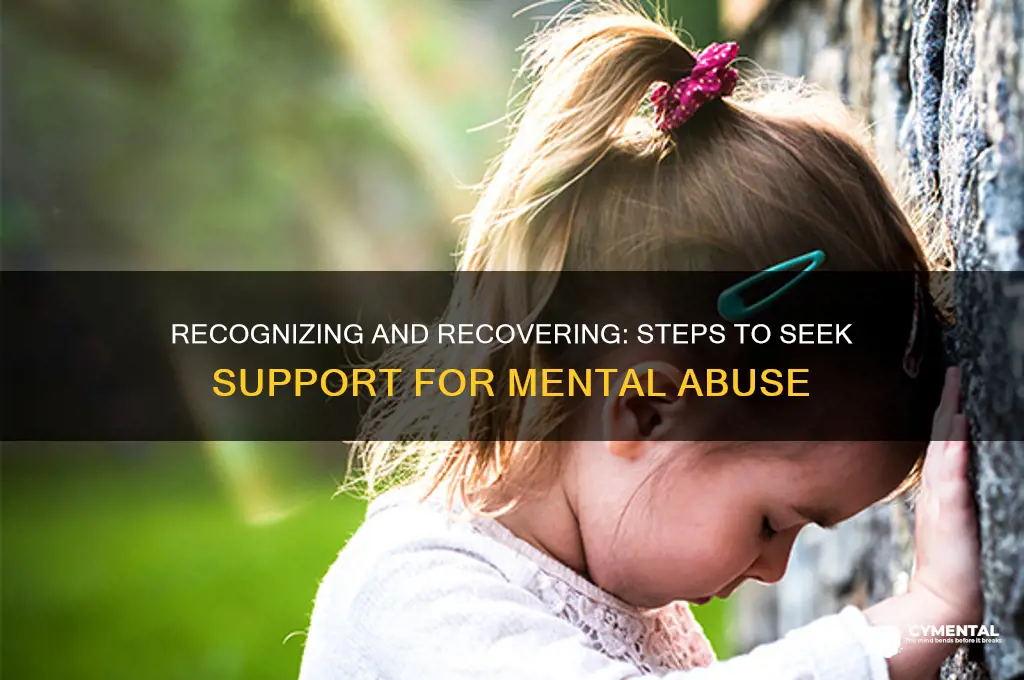
Seeking help for mental abuse is a crucial step toward healing and reclaiming your well-being. Mental abuse, often subtle and insidious, can leave deep emotional scars and erode self-esteem over time. Recognizing the signs—such as constant criticism, manipulation, gaslighting, or emotional neglect—is the first step. If you suspect you’re experiencing mental abuse, reaching out to trusted friends, family, or professionals can provide immediate support. Therapists, counselors, or support groups specializing in emotional abuse can offer strategies to cope and rebuild self-confidence. Hotlines and online resources are also available for anonymous guidance. Remember, acknowledging the abuse and seeking help is a sign of strength, and you deserve a life free from harm.
| Characteristics | Values |
|---|---|
| Recognize the Abuse | Identify signs like manipulation, gaslighting, belittling, or controlling behavior. |
| Seek Professional Help | Consult therapists, counselors, or psychologists specializing in trauma or abuse. |
| Contact Helplines | Use hotlines like the National Domestic Violence Hotline (1-800-799-SAFE) for immediate support. |
| Build a Support Network | Reach out to trusted friends, family, or support groups for emotional backing. |
| Document the Abuse | Keep a record of incidents, messages, or evidence for legal or therapeutic purposes. |
| Create a Safety Plan | Develop a plan to protect yourself, including safe places, emergency contacts, and resources. |
| Set Boundaries | Establish clear limits with the abuser and enforce them consistently. |
| Educate Yourself | Learn about mental abuse, its effects, and strategies to heal and recover. |
| Consider Legal Options | Consult a lawyer if the abuse involves harassment, threats, or other legal violations. |
| Practice Self-Care | Engage in activities that promote mental and emotional well-being, like meditation or hobbies. |
| Join Support Groups | Participate in groups for survivors of mental abuse to share experiences and coping strategies. |
| Limit Contact with the Abuser | Minimize or cut off communication with the abuser to protect your mental health. |
| Focus on Healing | Work on rebuilding self-esteem, confidence, and independence through therapy and self-reflection. |
| Stay Informed | Keep updated on resources and services available for survivors of mental abuse. |
| Be Patient | Understand that recovery takes time and progress may be gradual. |
Explore related products

$10.49


What You'll Learn

Recognizing Mental Abuse Signs
Mental abuse often leaves no visible scars, making it insidious and difficult to identify. Unlike physical harm, its wounds are internal, manifesting as eroded self-esteem, chronic anxiety, or a pervasive sense of worthlessness. Recognizing these signs is the first step toward seeking help, yet many victims struggle to label their experiences as abusive due to the subtle, cumulative nature of the behavior. Understanding the patterns—constant criticism, gaslighting, isolation—can empower individuals to confront the reality of their situation.
Consider the following scenario: a partner repeatedly dismisses your feelings, claiming you’re "overreacting" or "too sensitive." Over time, you begin questioning your own emotions, doubting your perceptions, and withdrawing from friends who might validate your experiences. This is a classic example of gaslighting, a tactic abusers use to manipulate reality and maintain control. Analyzing such interactions through a critical lens can reveal the underlying intent: to destabilize your sense of self and ensure dependency.
To systematically identify mental abuse, start by documenting specific incidents. Note the frequency of belittling comments, instances where your opinions are ignored, or situations where you’re made to feel guilty for independent choices. For adults aged 18–65, research shows that keeping a journal can provide clarity, as patterns become more apparent in writing. Adolescents, particularly those aged 13–17, may benefit from trusted peers or school counselors who can offer an outside perspective, as abusers often exploit the vulnerability of youth.
Persuasive as it may be to downplay these signs, especially when the abuser is a family member or romantic partner, the cumulative effect of mental abuse can lead to severe long-term consequences, including depression and post-traumatic stress disorder (PTSD). For instance, studies indicate that individuals exposed to prolonged emotional abuse are 3.5 times more likely to develop anxiety disorders. Recognizing these signs isn’t about assigning blame but about prioritizing your mental health and safety.
Finally, compare your documented experiences against established red flags: excessive jealousy, controlling behavior, or withholding affection as punishment. If multiple indicators align, it’s crucial to seek professional help. Therapists specializing in trauma or domestic violence can provide tailored strategies, while hotlines like the National Domestic Violence Hotline (1-800-799-SAFE) offer immediate support. Recognizing mental abuse isn’t just about identifying harm—it’s about reclaiming your autonomy and rebuilding a life free from manipulation.
Mental Imagery: Accelerating Recovery and Performance for Injured Athletes
You may want to see also
Explore related products


Finding Support Groups Locally
Local support groups offer a unique blend of empathy, shared experience, and practical advice that can be transformative for survivors of mental abuse. Unlike online forums, these groups provide face-to-face interaction, which fosters deeper connections and a sense of community. To locate such groups, start by contacting local mental health organizations, community centers, or religious institutions, many of which host or have information about support groups. Websites like Meetup.com or Psychology Today’s "Find a Support Group" tool can also pinpoint options in your area. When reaching out, ask about the group’s focus—some cater specifically to survivors of emotional abuse, while others address broader issues like trauma or self-esteem.
Choosing the right group requires consideration of your needs and comfort level. Some groups are led by licensed therapists, offering structured sessions with evidence-based techniques, while others are peer-led, emphasizing shared stories and mutual support. If you’re unsure, attend a few sessions to gauge the dynamic. Look for groups that maintain confidentiality, respect boundaries, and foster a non-judgmental environment. For instance, a women’s shelter in Austin, Texas, runs a weekly group for survivors of emotional abuse, combining mindfulness exercises with group discussions, which has shown to reduce symptoms of anxiety and depression in participants.
Logistics matter when committing to a local support group. Consider the frequency of meetings (weekly, biweekly), duration (typically 60–90 minutes), and location accessibility. Some groups may offer childcare or evening sessions to accommodate working individuals. Cost is another factor—many community-based groups are free or low-cost, while therapist-led groups may charge a fee or accept insurance. For example, a nonprofit in Chicago provides sliding-scale fees for its support groups, ensuring affordability for all income levels.
While local support groups are invaluable, they’re not without challenges. You may encounter individuals whose experiences differ significantly from yours, which can feel alienating. Additionally, sharing personal stories in a group setting requires vulnerability, which can be intimidating. To mitigate this, start by listening and sharing only what feels comfortable. Over time, as trust builds, you’ll likely find the group becomes a safe space for healing and growth. Remember, the goal isn’t to "fix" yourself but to connect with others who understand your journey.
Finally, combining local support groups with individual therapy or other resources can maximize your healing. A study published in the *Journal of Interpersonal Violence* found that survivors who participated in both group and individual therapy reported greater improvements in self-esteem and emotional regulation compared to those using only one approach. Local groups often serve as a stepping stone, empowering survivors to seek additional help and rebuild their lives. By taking that first step to find a group, you’re not just seeking support—you’re joining a community of resilience.
Healing Through Support: Mental Health Initiatives Aid School Shooting Survivors
You may want to see also
Explore related products



Contacting Mental Health Hotlines
Mental health hotlines offer immediate, confidential support for individuals experiencing mental abuse, providing a vital first step toward healing. These services are staffed by trained professionals who can listen, validate your experiences, and guide you toward appropriate resources. Whether you’re in crisis or simply seeking advice, hotlines are accessible 24/7, ensuring help is available whenever you need it. For instance, the National Domestic Violence Hotline (1-800-799-SAFE) in the U.S. not only addresses physical abuse but also provides support for emotional and psychological abuse, connecting callers to local counselors, shelters, and legal aid.
When contacting a mental health hotline, it’s essential to prepare yourself for the conversation. Start by finding a quiet, private space where you feel safe to speak openly. Jot down key points you want to discuss, such as specific incidents of abuse, how they’ve affected you, and any immediate concerns. If you’re unsure what to say, remember that it’s okay to begin with a simple statement like, “I’m experiencing mental abuse and don’t know what to do.” The person on the other end is there to guide you, not to judge. For non-English speakers, many hotlines offer services in multiple languages or provide translation assistance, ensuring accessibility for diverse communities.
One common misconception is that hotlines are only for emergencies. While they are critical in crisis situations, they also serve as a resource for ongoing support. For example, the Crisis Text Line (text HOME to 741741) allows individuals to text with a counselor about mental abuse, offering a discreet alternative to phone calls. This can be particularly useful for those in situations where speaking aloud might be risky. Additionally, some hotlines provide follow-up resources, such as referrals to therapists specializing in trauma or support groups for survivors of emotional abuse, helping you build a long-term plan for recovery.
Despite their benefits, hotlines may not be a perfect fit for everyone. Some individuals may feel uncomfortable speaking to a stranger or worry about being misunderstood. If this is the case, consider using online chat services or apps that connect you to mental health professionals, such as BetterHelp or 7 Cups. These platforms often allow for more anonymity and flexibility in communication. However, if you’re in immediate danger or severely distressed, a phone-based hotline is typically the fastest way to receive help. Remember, reaching out is a sign of strength, not weakness, and taking that first step can be transformative.
Creatine and Cognitive Clarity: Enhancing Mental Focus with Supplements
You may want to see also
Explore related products





Seeking Therapy Options Nearby
Therapy is a cornerstone of recovery from mental abuse, but finding the right therapist nearby can feel overwhelming. Start by identifying your needs: Are you seeking individual counseling, group therapy, or specialized approaches like cognitive behavioral therapy (CBT) or eye movement desensitization and reprocessing (EMDR)? Online directories like Psychology Today or GoodTherapy allow you to filter by location, specialization, and insurance acceptance, providing a solid starting point.
Consider practical factors like proximity, cost, and availability. A therapist within a 20-minute commute increases the likelihood of consistent attendance, while sliding-scale fees or insurance coverage can make therapy financially feasible. Don’t underestimate the importance of a therapist’s communication style and approach—many offer free consultations to help you gauge compatibility. For instance, a trauma-informed therapist will prioritize safety and pacing, essential for survivors of mental abuse.
Group therapy, often more affordable than individual sessions, can provide a sense of community and validation. Local community centers, hospitals, or abuse survivor organizations frequently host groups led by licensed professionals. For example, a women’s shelter might offer weekly sessions focused on rebuilding self-esteem and setting boundaries. These groups often incorporate structured activities, such as journaling prompts or role-playing scenarios, to foster healing.
If in-person options are limited, telehealth platforms like BetterHelp or Talkspace connect you with licensed therapists remotely. While not ideal for everyone, virtual therapy eliminates geographical barriers and can be particularly useful for those in rural areas or with mobility challenges. However, ensure your therapist is licensed in your state, as regulations vary. For instance, a therapist licensed in California cannot legally treat a client residing in Texas without additional credentials.
Finally, trust your instincts. Therapy is a deeply personal journey, and the right fit may take time to find. If a therapist dismisses your experiences or pressures you into uncomfortable topics, it’s okay to seek someone else. Recovery from mental abuse is a process, and finding a supportive, nearby therapist is a crucial step toward reclaiming your well-being.
Empire Blue Cross Blue Shield Mental Health Coverage: What’s Included?
You may want to see also
Explore related products

$12.77 $16.99


Reporting Abuse to Authorities
Reporting mental abuse to authorities can be a pivotal step toward safety and justice, yet it often feels daunting due to fear, uncertainty, or lack of awareness. Unlike physical injuries, mental abuse leaves no visible scars, making it harder to document or prove. However, many jurisdictions recognize psychological harm as a form of abuse, and laws exist to protect victims. The first step is understanding what constitutes mental abuse—patterns of behavior like gaslighting, manipulation, threats, or constant criticism intended to degrade or control. If you’re experiencing this, know that your feelings are valid, and seeking help is not just an option but a right.
To report mental abuse effectively, start by gathering evidence. Keep a detailed journal of incidents, including dates, times, and descriptions of abusive behavior. Save any relevant texts, emails, or voicemails that demonstrate the abuser’s actions. If there are witnesses, document their accounts. This evidence will strengthen your case when speaking to authorities. Next, identify the appropriate agency to contact. In many places, domestic violence hotlines, local police departments, or social services can assist. For instance, in the U.S., the National Domestic Violence Hotline (1-800-799-SAFE) provides guidance on reporting and connects victims to local resources. In the UK, organizations like Women’s Aid or the police’s non-emergency line (101) are starting points.
When reporting, be clear and concise. Explain the nature of the abuse, provide your evidence, and emphasize the emotional and psychological impact. Authorities may ask for specifics, such as how often the abuse occurs or whether there are children involved. If you’re in immediate danger, call emergency services (911 in the U.S., 999 in the UK). Remember, your safety is paramount—do not confront the abuser directly if it puts you at risk. After reporting, follow up with authorities to ensure your case is being handled. Many victims fear retaliation or doubt their claims will be taken seriously, but persistence is key. Legal systems are increasingly recognizing mental abuse, and advocates are working to improve responses.
One critical aspect often overlooked is the emotional toll of reporting. Seeking therapy or counseling alongside legal action can provide essential support. Organizations like the National Alliance on Mental Illness (NAMI) offer resources for coping with trauma. Additionally, consider joining support groups for survivors of emotional abuse—sharing experiences can reduce feelings of isolation. While the process may feel overwhelming, taking that first step to report abuse is a powerful act of self-preservation. It sends a clear message: your well-being matters, and you refuse to be silenced.
Exercise and Mental Health: Boosting Wellbeing Through Physical Activity
You may want to see also
Frequently asked questions
Signs of mental abuse include constant criticism, belittling, gaslighting, isolation from friends and family, controlling behavior, and feelings of fear, confusion, or low self-worth. If you feel emotionally drained or trapped, it’s important to seek help.
You can seek help from licensed therapists, counselors, or psychologists who specialize in trauma or abuse. Hotlines like the National Domestic Violence Hotline (1-800-799-SAFE) or local mental health organizations can also provide support and resources.
Listen without judgment, validate their feelings, and encourage them to seek professional help. Offer to accompany them to appointments or help them create a safety plan. Avoid pressuring them to leave the situation immediately, as this can be dangerous without proper support.