Noah Parker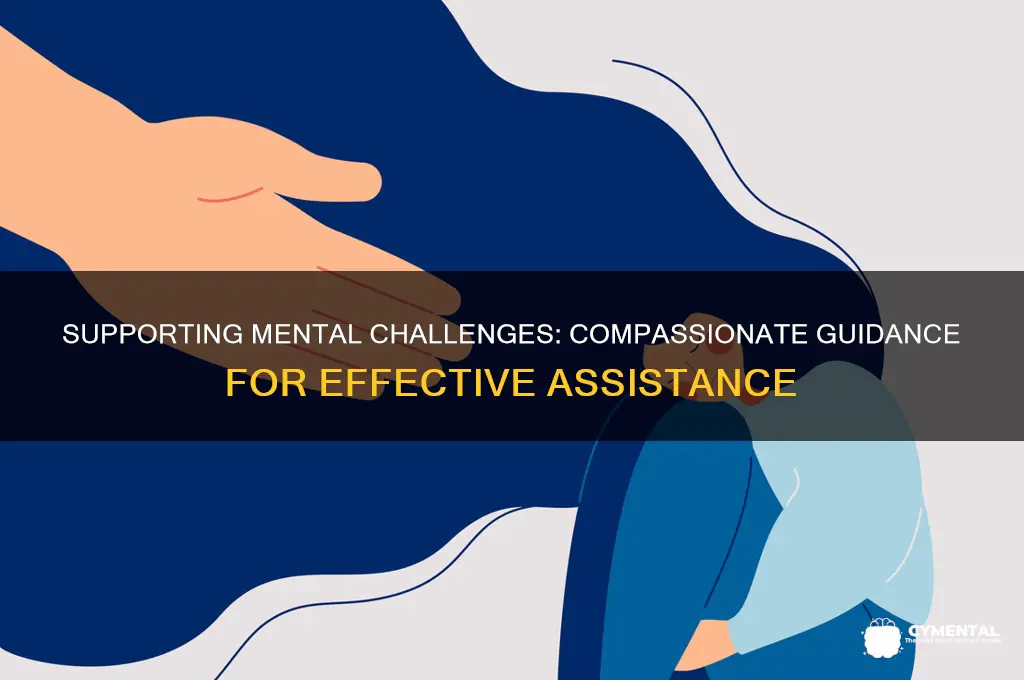
Supporting someone who is mentally challenged requires a compassionate and informed approach, as well as access to the right resources. It’s essential to first recognize the individual’s unique needs and challenges, whether they involve cognitive, emotional, or behavioral difficulties. Seeking professional help is a critical step; consulting with mental health specialists, such as psychologists, psychiatrists, or social workers, can provide tailored guidance and treatment plans. Additionally, connecting with support groups, community organizations, or government programs can offer valuable assistance, education, and a sense of community. Encouraging open communication, patience, and understanding while respecting the person’s dignity and autonomy is key to fostering their well-being and helping them thrive.
Explore related products


What You'll Learn

Recognizing signs of mental challenges
Mental health challenges often manifest through subtle changes in behavior, mood, or cognitive function. Recognizing these signs early can be crucial for timely intervention. For instance, a person may exhibit persistent sadness or irritability, which could indicate depression. Alternatively, sudden changes in sleep patterns—sleeping too much or too little—are common red flags. In children, developmental delays, such as difficulty with speech or social interactions, may signal underlying issues. Adults might show signs through unexplained physical symptoms like headaches or digestive problems, often linked to stress or anxiety. Observing these changes requires attentiveness, especially in loved ones, as they may downplay or hide their struggles.
Analyzing these signs involves distinguishing between temporary stress and chronic mental health issues. For example, occasional forgetfulness is normal, but consistent memory lapses or difficulty concentrating could point to conditions like ADHD or early-onset dementia. Similarly, social withdrawal might be a phase, but when paired with neglect of personal hygiene or drastic changes in appetite, it warrants concern. Age plays a role here: adolescents may exhibit rebellious behavior, but if it escalates to self-harm or substance abuse, professional help is necessary. Tracking patterns over time—say, two weeks of consistent symptoms—can help determine whether the issue is situational or requires clinical attention.
Persuading someone to seek help often begins with recognizing these signs in oneself. Self-awareness is powerful; acknowledging persistent feelings of hopelessness or unexplained fatigue can prompt individuals to take action. For caregivers, documenting observed behaviors can provide concrete evidence to share with healthcare providers. Apps or journals can be practical tools for this purpose. However, caution is needed to avoid misinterpreting isolated incidents as long-term issues. For instance, a single panic attack doesn’t necessarily mean panic disorder, but recurring episodes do. Balancing vigilance with empathy ensures support without stigma.
Comparing mental health signs across demographics highlights the importance of context. Cultural norms may mask symptoms; in some communities, expressing emotional distress is stigmatized, leading individuals to internalize their struggles. For example, a teenager in a high-pressure academic environment might exhibit perfectionism, but this could conceal anxiety or OCD tendencies. Similarly, older adults may attribute memory loss to "aging," delaying diagnosis of conditions like Alzheimer’s. Understanding these nuances requires sensitivity and education, ensuring signs aren’t overlooked due to societal expectations or stereotypes.
Descriptive examples illustrate how signs can vary widely. A 12-year-old might show mental health challenges through sudden academic decline or aggressive outbursts, while a 40-year-old professional might manifest stress through workaholism or emotional numbness. In contrast, a 70-year-old could exhibit confusion or apathy, often mistaken for typical aging. Practical tips include using screening tools like the PHQ-9 for depression or GAD-7 for anxiety, which are accessible online and can guide conversations with healthcare providers. Early recognition, paired with actionable steps, transforms observation into a pathway for support.
Supporting High-Functioning Intellectual Disabilities: Finding the Right Help
You may want to see also
Explore related products


Finding professional mental health resources
Identifying the right professional mental health resources for someone who is mentally challenged begins with understanding the specific needs of the individual. Mental challenges can range from intellectual disabilities to severe mental health disorders, each requiring tailored support. Start by consulting a primary care physician or pediatrician, who can provide an initial assessment and referrals to specialists. For children, early intervention services are critical; programs like Early Head Start or state-run developmental disability services offer evaluations and therapies that address cognitive, social, and emotional needs. Adults may benefit from community mental health centers, which often provide multidisciplinary teams including psychiatrists, psychologists, and social workers.
Once you’ve identified potential resources, evaluate their qualifications and expertise. Look for professionals with experience in intellectual or developmental disabilities, as these fields require specialized knowledge. Board-certified behavioral analysts, for instance, are trained to design behavior intervention plans for individuals with conditions like autism. Psychologists with a focus on cognitive-behavioral therapy (CBT) can help manage co-occurring anxiety or depression. When researching facilities, check for accreditation from organizations like the Commission on Accreditation of Rehabilitation Facilities (CARF), which ensures adherence to rigorous standards. Avoid providers who promise quick fixes or lack transparency about their methods.
Cost and accessibility are practical considerations that cannot be overlooked. Many professional services are covered by insurance, but coverage varies widely. Medicaid and Medicare often fund mental health services for eligible individuals, while private insurance plans may require pre-authorization for specialized care. Nonprofit organizations and government programs, such as the Substance Abuse and Mental Health Services Administration (SAMHSA), offer low-cost or sliding-scale options. For families in rural areas, telehealth services can bridge the gap, providing access to specialists without the need for travel. Always verify insurance coverage and out-of-pocket costs before committing to a provider.
Engaging the individual in the process is essential for long-term success. Involve them in decision-making to the extent possible, respecting their autonomy and preferences. For example, a person with mild intellectual disability might choose between group therapy or one-on-one counseling based on their comfort level. Caregivers should also prioritize self-care, as supporting someone with mental challenges can be emotionally demanding. Support groups for caregivers, such as those offered by the National Alliance on Mental Illness (NAMI), provide a space to share experiences and strategies. By combining professional expertise with empathy and practical planning, you can create a sustainable support system for both the individual and their caregivers.
Kathy Murphy's Mental Health Journey: Seeking Support and Healing
You may want to see also
Explore related products





Supporting daily living and independence
Daily living skills are the foundation of independence for individuals with mental challenges, yet they are often overlooked in favor of more visible therapies. Tasks like personal hygiene, meal preparation, and time management can be broken down into manageable steps using visual aids, checklists, or smartphone apps. For example, a laminated sequence of pictures showing how to brush teeth can empower a teenager with autism to master this routine independently. Similarly, apps like *Habitica* gamify daily tasks, turning chore completion into a rewarding experience. This structured approach not only fosters self-reliance but also reduces caregiver burden over time.
Contrast this with traditional methods that rely on verbal instructions alone, which may fail individuals with cognitive or processing difficulties. A comparative study found that visual and tactile learning tools increased task completion rates by 40% in adults with intellectual disabilities. However, it’s crucial to tailor these tools to the individual’s cognitive level and preferences. For instance, a 12-year-old with Down syndrome might thrive with color-coded drawers for clothing, while a 30-year-old with schizophrenia may benefit from a digital calendar with voice reminders. The key is to strike a balance between guidance and autonomy, gradually fading support as skills solidify.
Persuasively, caregivers must resist the urge to "do for" rather than "teach to." While it’s faster to tie a child’s shoes or pack an adult’s lunch, these shortcuts hinder long-term independence. Instead, adopt a "time investment now, time freedom later" mindset. Start by identifying one or two high-impact tasks—like making breakfast or managing medication—and break them into micro-steps. Use positive reinforcement, such as a sticker chart or verbal praise, to motivate progress. For older individuals, involve them in goal-setting, such as choosing a simple recipe to cook weekly, to align skill-building with personal interests.
Descriptively, imagine a kitchen adapted for a young adult with intellectual disabilities: low shelves for frequently used items, labeled containers with large text, and a whiteboard meal plan. These modifications transform a daunting space into an accessible one. Similarly, a daily routine board with Velcro-backed icons allows someone to "build" their schedule, fostering a sense of control. Even small adjustments, like using a pill organizer with alarms, can significantly enhance independence. The environment should work *with* the individual, not against them, turning everyday spaces into tools for empowerment.
Analytically, the success of these strategies hinges on consistency and patience. Progress may be slow, and setbacks are inevitable. Caregivers should track achievements—even minor ones—to maintain momentum. For instance, if a 25-year-old with ADHD consistently remembers to lock the door after three weeks of practice, celebrate this milestone. Data-driven adjustments, such as refining visual aids or altering task sequencing, can further optimize outcomes. Ultimately, supporting daily living and independence is about creating a scaffold of skills that, over time, allows the individual to stand on their own.
Understanding Mental Disorders: Enhancing Empathy and Effectiveness in Teaching
You may want to see also
Explore related products

$8.99 $13.99


Accessing community and government assistance
Community and government resources form a critical safety net for individuals with mental challenges, offering structured support that families and caregivers often cannot provide alone. These programs range from financial aid and healthcare services to vocational training and social integration initiatives. However, navigating this complex system requires persistence and knowledge of eligibility criteria, application processes, and available services. Start by contacting your local Department of Health and Human Services or equivalent agency to identify programs tailored to the individual’s needs, such as Medicaid waivers for long-term care or Supplemental Security Income (SSI) for financial assistance.
One of the most underutilized yet impactful resources is the network of community mental health centers (CMHCs). Funded by federal and state governments, these centers provide counseling, crisis intervention, and case management services often on a sliding fee scale. For instance, in the U.S., the Substance Abuse and Mental Health Services Administration (SAMHSA) operates a 24/7 helpline (1-800-662-HELP) that connects individuals to local treatment facilities and support groups. Similarly, vocational rehabilitation agencies, such as those under the Department of Labor, offer job training and placement services for adults with disabilities, including those with mental health conditions.
For families, respite care programs—often subsidized by government grants—provide temporary relief for primary caregivers. These programs, available through organizations like the National Respite Network, offer short-term caregiving services, allowing families to recharge while ensuring their loved ones receive professional support. Additionally, many states offer housing assistance programs, such as Section 8 vouchers or supportive housing initiatives, designed to provide stable living environments for individuals with disabilities.
A comparative analysis reveals that while government programs offer comprehensive but bureaucratic support, community-based organizations often provide more personalized and flexible assistance. Nonprofits like the National Alliance on Mental Illness (NAMI) and local advocacy groups host peer support groups, educational workshops, and legal clinics. These organizations frequently fill gaps in government services, such as offering transportation to medical appointments or providing culturally sensitive care.
To maximize access to these resources, maintain detailed documentation of the individual’s diagnosis, treatment history, and financial status. Attend local resource fairs or workshops to connect with service providers directly and stay informed about new programs. Finally, leverage technology by using online platforms like Benefits.gov or state-specific portals to streamline the application process for benefits. By combining government and community resources, caregivers can create a robust support system that addresses the multifaceted needs of individuals with mental challenges.
Stretching for Serenity: Unraveling the Link Between Flexibility and Mental Health
You may want to see also
Explore related products





Building a supportive care network
A robust care network begins with identifying the individual’s specific needs, which vary widely depending on the type and severity of their mental challenge. For instance, someone with autism may require structured routines and sensory accommodations, while a person with schizophrenia might need medication management and crisis intervention plans. Start by consulting professionals—psychiatrists, psychologists, or social workers—to assess these needs. This step is critical because a one-size-fits-all approach often fails, and tailored support ensures resources are allocated effectively.
Next, map out a multidisciplinary team that includes both formal and informal caregivers. Formal caregivers, such as therapists or special educators, provide specialized interventions, while informal caregivers—family members, friends, or community volunteers—offer emotional and daily living support. For example, a speech therapist can work on communication skills, while a sibling can practice these skills in casual conversations. Caution: avoid overburdening any single caregiver. Distribute responsibilities based on strengths and availability to prevent burnout.
Technology can amplify the effectiveness of this network. Apps like *CareCircle* or *AllyCare* allow caregivers to coordinate schedules, share updates, and track progress in real time. For older adults or those less tech-savvy, simple tools like shared Google Calendars or printed schedules work equally well. Pair these with regular check-ins—weekly for stable cases, daily during crises—to ensure everyone stays aligned.
Finally, integrate community resources to broaden the network’s reach. Local support groups, respite care services, and vocational training programs provide additional layers of assistance. For instance, organizations like *The Arc* offer advocacy and skill-building opportunities for individuals with intellectual disabilities. Schools and workplaces can also be allies; collaborate with teachers or employers to implement reasonable accommodations, such as extended deadlines or quiet workspaces.
Building this network is iterative—expect to adjust roles, tools, and resources as needs evolve. The goal is not perfection but consistency and adaptability, ensuring the individual receives holistic support across all facets of life.
Boost Mental Health: The Power of Physical Education Explained
You may want to see also
Frequently asked questions
Look for signs such as difficulty with daily tasks, communication challenges, social withdrawal, or unusual behavior. Consulting a healthcare professional for a proper assessment is recommended.
Start by consulting a primary care physician or a mental health specialist. They can provide referrals to appropriate resources, such as therapists, support groups, or specialized programs.
Yes, many regions offer resources like Medicaid, disability services, vocational training, and community-based support programs. Contact local health departments or disability organizations for assistance.
Be patient, empathetic, and consistent in your support. Encourage their independence, educate yourself about their condition, and help them access resources while fostering a positive and inclusive environment.