Madison Cole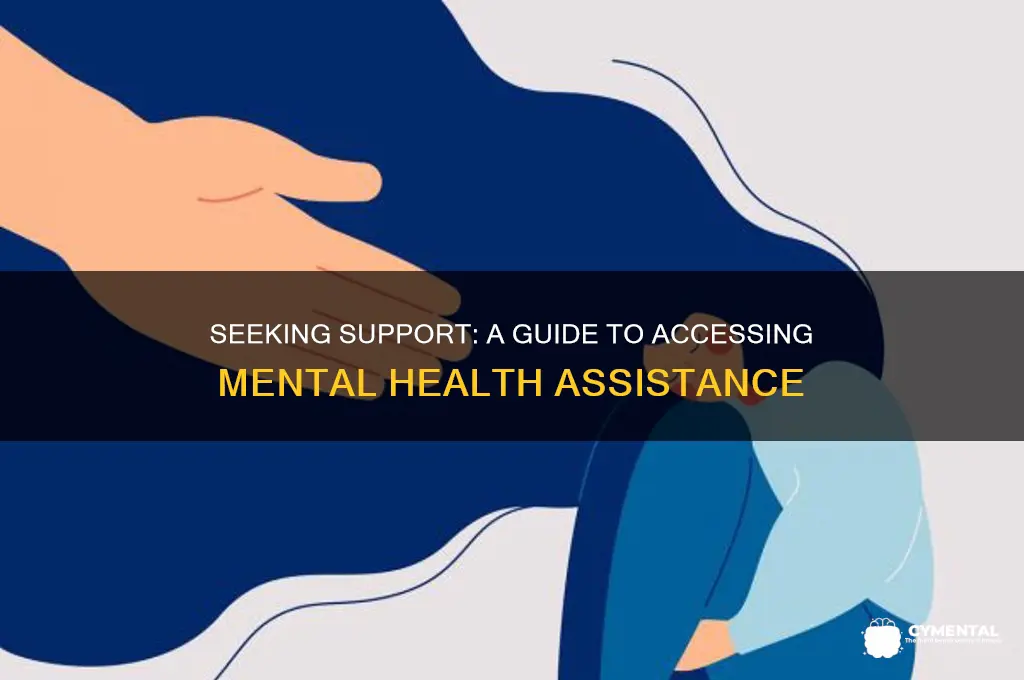
Seeking help for mental health is a courageous and important step toward well-being. Whether you’re experiencing anxiety, depression, stress, or other challenges, there are numerous resources available to support you. Start by reaching out to a trusted friend, family member, or mental health professional who can provide guidance and understanding. Many communities offer counseling services, support groups, and hotlines for immediate assistance. Additionally, online platforms and apps can connect you with therapists or provide tools for self-care. Remember, acknowledging your struggles and asking for help is a sign of strength, and taking action can lead to meaningful improvement in your mental health.
| Characteristics | Values |
|---|---|
| Recognize the Need for Help | Acknowledge symptoms like persistent sadness, anxiety, or changes in behavior. |
| Consult a Healthcare Professional | Visit a primary care physician, psychiatrist, or psychologist for assessment. |
| Therapy Options | Cognitive Behavioral Therapy (CBT), Dialectical Behavior Therapy (DBT), etc. |
| Medication | Antidepressants, mood stabilizers, or anti-anxiety medications prescribed by a doctor. |
| Support Groups | Join local or online groups for shared experiences and coping strategies. |
| Hotlines and Crisis Services | National Suicide Prevention Lifeline (988), Crisis Text Line (741741). |
| Self-Help Strategies | Mindfulness, exercise, journaling, and maintaining a healthy lifestyle. |
| Online Resources | Platforms like BetterHelp, Talkspace, or mental health apps (e.g., Calm, Headspace). |
| Community Resources | Local mental health clinics, non-profits, or government-funded programs. |
| Educational Materials | Books, podcasts, and articles on mental health awareness and management. |
| Workplace Support | Employee Assistance Programs (EAPs) or mental health benefits. |
| Cultural Sensitivity | Seek providers who understand cultural backgrounds and specific needs. |
| Insurance Coverage | Check insurance plans for mental health coverage and in-network providers. |
| Emergency Situations | Visit the nearest emergency room or call 911 for immediate assistance. |
| Follow-Up Care | Regular check-ins with providers to monitor progress and adjust treatment. |
Explore related products


What You'll Learn
- Finding a Therapist: Research, ask for referrals, check credentials, and consider therapy type (online/in-person)
- Support Groups: Join local or online communities for shared experiences and peer encouragement
- Crisis Hotlines: Access 24/7 helplines for immediate emotional support and guidance
- Self-Care Strategies: Practice mindfulness, exercise, sleep hygiene, and healthy eating to manage symptoms
- Medication Options: Consult a psychiatrist to explore and discuss potential mental health medications

Finding a Therapist: Research, ask for referrals, check credentials, and consider therapy type (online/in-person)
Taking the first step toward finding a therapist can feel overwhelming, but breaking it down into manageable tasks makes the process clearer. Start with research, using reputable sources like the American Psychological Association or Psychology Today’s directory. Filter by specialization—whether it’s anxiety, depression, or trauma—and read therapist bios to gauge their approach. Look for phrases like “evidence-based practices” or “client-centered therapy” to understand their methodology. Avoid relying solely on generic reviews; instead, seek specific testimonials that highlight outcomes or experiences relevant to your needs.
Referrals are a goldmine, but they require strategy. Ask your primary care physician, who often has a network of trusted mental health professionals. If you’re hesitant to involve your doctor, reach out to friends or family who’ve had positive therapy experiences. Be specific about what you’re looking for—for example, “I’m seeking someone experienced with PTSD and comfortable with LGBTQ+ issues.” Remember, a referral is a starting point, not a guarantee of fit. Always follow up with your own evaluation.
Credentials are non-negotiable. Verify the therapist’s license through your state’s psychology board to ensure they’re qualified and in good standing. Look for designations like Licensed Clinical Social Worker (LCSW), Licensed Professional Counselor (LPC), or Psychologist (PhD/PsyD). Be wary of titles like “life coach” or “counselor” without proper licensing, as they lack the training to diagnose or treat mental health conditions. If they claim specialization in areas like EMDR or cognitive behavioral therapy, confirm they’ve completed accredited training programs.
The therapy type—online or in-person—is a practical decision with emotional implications. Online therapy offers flexibility and accessibility, ideal for those with busy schedules or living in remote areas. Platforms like BetterHelp or Talkspace provide text, video, or phone sessions, but ensure they comply with HIPAA regulations for privacy. In-person therapy fosters a tangible connection, which some find essential for building trust. Consider a hybrid approach if you’re unsure—start online to test compatibility, then transition to in-person if it feels right.
Finally, trust your instincts. A therapist’s qualifications matter, but so does your comfort level. During the initial consultation, pay attention to how they communicate—do they listen actively, or do they dominate the conversation? Are they respectful of your boundaries? If something feels off, it’s okay to move on. Finding the right therapist is like finding the right pair of shoes: it may take a few tries, but the right fit will support you through every step.
Supporting Your Boyfriend's Mental Health Through Nutrition and Diet
You may want to see also
Explore related products


Support Groups: Join local or online communities for shared experiences and peer encouragement
Human connection is a powerful antidote to the isolation often accompanying mental health struggles. Support groups, whether local or online, offer a unique blend of understanding, encouragement, and shared experience that can be transformative. Unlike individual therapy, which focuses on personal insights, support groups foster a sense of community, reminding participants they are not alone in their challenges.
Consider this: Imagine navigating anxiety without ever hearing someone else articulate the exact racing thoughts that keep you awake. Support groups provide that mirror, reflecting your experiences back to you through the voices of others. This validation can be profoundly comforting, reducing feelings of shame or abnormality. For instance, a study published in the *Journal of Clinical Psychology* found that participants in anxiety support groups reported significant reductions in symptom severity and increased feelings of social connectedness after just eight weeks.
Joining a support group doesn’t require a referral or diagnosis. Start by identifying your specific need—whether it’s managing depression, coping with grief, or navigating OCD. Websites like Meetup, Psychology Today, or the National Alliance on Mental Illness (NAMI) list local and virtual groups. For online options, platforms like 7 Cups or In The Rooms offer moderated forums and live chats. When attending your first meeting, remember there’s no pressure to share immediately. Listen, observe, and gauge the group’s dynamics. Over time, as trust builds, you may find yourself contributing, drawing strength from both giving and receiving support.
While support groups are invaluable, they aren’t a replacement for professional treatment. They complement therapy or medication by providing a peer-driven space for coping strategies and emotional support. For example, a group for individuals with PTSD might share grounding techniques or discuss triggers in everyday environments, offering practical tools that therapists might not cover in sessions. However, if a group feels unsupportive or triggers distress, it’s okay to leave and seek a better fit.
The beauty of support groups lies in their diversity. Some are structured with facilitators and agendas, while others are informal, driven by participant needs. Online groups offer anonymity and accessibility, ideal for those with mobility issues or social anxiety. Local groups, on the other hand, provide face-to-face interaction, which can deepen connections. Regardless of format, the core benefit remains: a safe space to be heard, understood, and uplifted by those who truly "get it."
Work's Impact: How Employment Influences Mental Health and Well-Being
You may want to see also
Explore related products





Crisis Hotlines: Access 24/7 helplines for immediate emotional support and guidance
In moments of acute distress, crisis hotlines serve as a lifeline, offering immediate emotional support and guidance when professional therapy or personal coping mechanisms fall short. These 24/7 helplines are staffed by trained volunteers and professionals who provide a safe, non-judgmental space to express feelings, explore options, and regain a sense of control. Unlike scheduled therapy sessions, crisis hotlines are accessible at any hour, making them a critical resource for individuals experiencing sudden emotional overwhelm, suicidal thoughts, or traumatic events.
Consider this scenario: It’s 3 a.m., and you’re grappling with panic or despair. Instead of isolating in silence, you dial a crisis hotline. Within minutes, a calm voice guides you through grounding techniques, helps you articulate your distress, and connects you to local emergency services if needed. This immediate intervention can de-escalate crises, prevent self-harm, and bridge the gap until more structured support becomes available. Notable examples include the National Suicide Prevention Lifeline (988 in the U.S.), the Crisis Text Line (text HOME to 741741), and international services like Befrienders Worldwide, each tailored to diverse needs and languages.
While crisis hotlines are invaluable, they are not a substitute for long-term mental health care. Think of them as a first-aid kit for emotional emergencies—effective in stabilizing acute situations but insufficient for chronic conditions. For sustained support, pairing hotline use with therapy, medication, or support groups is essential. Additionally, some individuals may hesitate to call due to stigma or fear of burdening others. It’s crucial to remember that these services exist precisely for moments like these; reaching out is a sign of strength, not weakness.
To maximize the benefit of crisis hotlines, prepare by keeping a list of relevant numbers in your phone or written down. If you’re uncomfortable speaking, texting or online chat options are often available. For caregivers or bystanders, knowing how to encourage someone to use these services—without coercion—can make a difference. Phrases like, “I’ve heard good things about the crisis line; would you like me to help you call?” can feel less intrusive. Ultimately, crisis hotlines embody the principle that no one has to face their darkest moments alone—help is always just a call, text, or click away.
Supporting Your Adult Son: Navigating Mental Illness with Compassion and Care
You may want to see also
Explore related products


$12.14 $19.99


Self-Care Strategies: Practice mindfulness, exercise, sleep hygiene, and healthy eating to manage symptoms
Mental health struggles often manifest physically, leaving you exhausted, tense, and disconnected from your body. Self-care strategies like mindfulness, exercise, sleep hygiene, and healthy eating aren't just feel-good suggestions; they're powerful tools to recalibrate your nervous system and manage symptoms. Think of them as the foundation upon which other therapies and interventions can build.
Mindfulness, the practice of focusing on the present moment without judgment, is like a mental decluttering. Studies show that just 10 minutes of daily mindfulness meditation can reduce anxiety and depression symptoms. Apps like Headspace or Calm offer guided meditations for beginners, while simply focusing on your breath for a few minutes can provide immediate grounding.
Exercise isn't just about building muscle; it's a natural antidepressant. Aim for 30 minutes of moderate-intensity exercise, like brisk walking or swimming, most days of the week. This releases endorphins, those feel-good chemicals that combat stress and improve mood. Don't overthink it – even dancing around your living room or taking a vigorous walk counts.
Sleep deprivation amplifies mental health struggles, creating a vicious cycle. Establish a consistent sleep schedule, aiming for 7-9 hours each night. Create a relaxing bedtime routine, avoiding screens for at least an hour before bed. Keep your bedroom cool, dark, and quiet, and reserve your bed for sleep and intimacy only.
Food is fuel for your brain as much as your body. A diet rich in fruits, vegetables, whole grains, and lean protein provides essential nutrients for brain function and mood regulation. Limit processed foods, sugary drinks, and excessive caffeine, which can exacerbate anxiety and disrupt sleep. Consider consulting a registered dietitian for personalized guidance. Remember, self-care isn't selfish; it's essential for managing your mental health. These strategies, when practiced consistently, can empower you to feel more grounded, energized, and resilient in the face of challenges.
Sharing Stories: A Powerful Tool for Healing Mental Illness
You may want to see also
Explore related products


Medication Options: Consult a psychiatrist to explore and discuss potential mental health medications
Psychiatric medications can be a powerful tool in managing mental health conditions, but they are not one-size-fits-all. Consulting a psychiatrist is crucial for personalized guidance. These specialists assess your symptoms, medical history, and lifestyle to determine the most suitable medication and dosage. For instance, selective serotonin reuptake inhibitors (SSRIs) like fluoxetine (Prozac) or sertraline (Zoloft) are commonly prescribed for depression and anxiety, often starting at 20–50 mg daily, with adjustments based on response and side effects. A psychiatrist ensures you receive evidence-based treatment tailored to your needs.
The process of exploring medication options involves open dialogue and patience. During your consultation, discuss your concerns, preferences, and any past experiences with medication. For example, if you’ve tried an SSRI without success, a psychiatrist might suggest a serotonin-norepinephrine reuptake inhibitor (SNRI) like venlafaxine (Effexor), typically starting at 37.5–75 mg daily. They may also recommend adjunctive therapies, such as mood stabilizers for bipolar disorder or antipsychotics for severe symptoms, always balancing efficacy with potential side effects. This collaborative approach ensures you’re actively involved in your treatment plan.
One common misconception is that medication is an instant fix. In reality, it often takes 4–6 weeks to notice improvements, and finding the right medication can require trial and error. For adolescents and older adults, dosage adjustments are particularly important due to differences in metabolism. For example, children prescribed SSRIs may start at half the adult dose, while older adults might begin at a quarter dose to minimize side effects. Practical tips include taking medication at the same time daily, using a pill organizer, and tracking symptoms to monitor progress.
While medication can be transformative, it’s not without risks. Side effects like weight gain, insomnia, or sexual dysfunction are possible, though often manageable with dose adjustments or additional medications. For instance, if an SSRI causes insomnia, a psychiatrist might prescribe a low-dose sedating antidepressant like mirtazapine (Remeron) at bedtime. It’s also essential to avoid abrupt discontinuation, as this can lead to withdrawal symptoms. Regular follow-ups with your psychiatrist are key to refining your treatment and addressing any concerns promptly.
Ultimately, consulting a psychiatrist for medication options is a proactive step toward managing your mental health. It combines scientific expertise with personalized care, offering a structured path to relief. Whether you’re starting medication for the first time or revisiting options, this partnership ensures you’re informed, supported, and empowered to make decisions that align with your goals. Remember, medication is just one part of a comprehensive treatment plan, often paired with therapy and lifestyle changes for optimal outcomes.
Supporting Your Partner: How to Encourage Mental Health Treatment
You may want to see also
Frequently asked questions
If you’re experiencing persistent feelings of sadness, anxiety, hopelessness, or if your emotions are interfering with daily life, relationships, or work, it’s time to seek help. Physical symptoms like changes in sleep, appetite, or energy levels can also be signs.
Begin by consulting your primary care physician, who can provide a referral to a mental health professional. You can also contact local mental health clinics, use online resources like Psychology Today or BetterHelp, or reach out to helplines such as the National Alliance on Mental Illness (NAMI).
Common professionals include psychiatrists (medical doctors who can prescribe medication), psychologists (PhD or PsyD, focus on therapy), licensed therapists (LMFT, LCSW, LPC), and counselors. Choose based on your needs: medication management, talk therapy, or specialized care for specific issues like trauma or addiction.
Many community health centers offer sliding-scale fees or free services. Nonprofits, local support groups, and online platforms like 7 Cups or Open Path Collective provide affordable options. Additionally, some therapists offer pro-bono sessions or reduced rates for those in need.