Noah Parker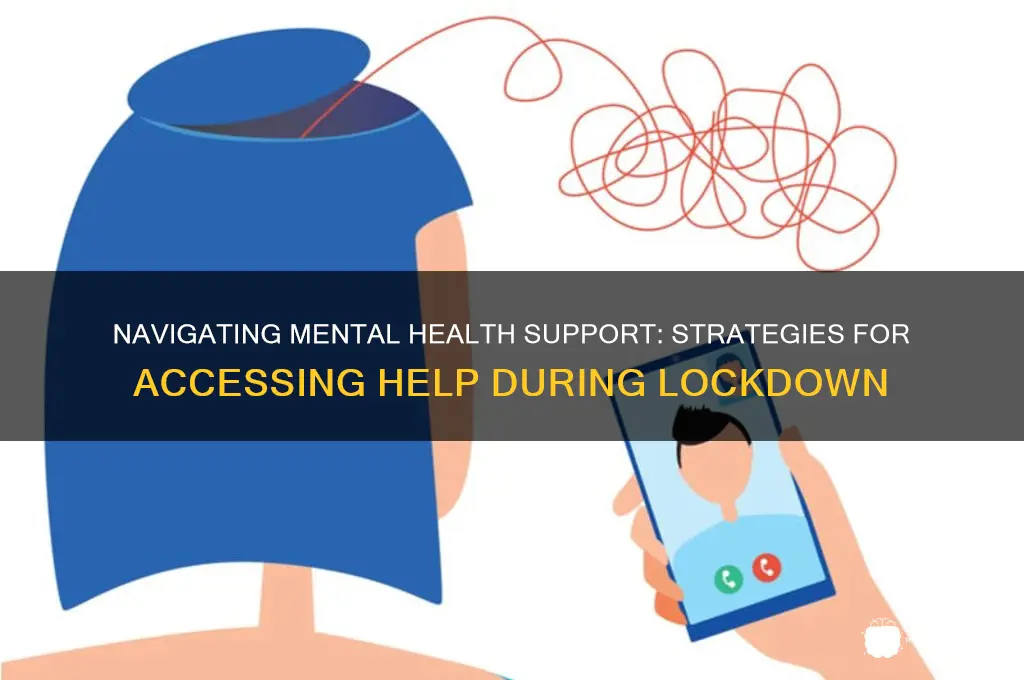
Accessing mental health support during lockdown can be challenging, but it’s more important than ever to prioritize your well-being. With physical distancing measures in place, many traditional in-person resources have shifted to virtual platforms, offering teletherapy, online counseling, and mental health apps. Organizations like the World Health Organization (WHO) and local mental health charities provide free resources, hotlines, and guides to manage stress and anxiety. Social connections remain vital, so leveraging video calls, support groups, or even virtual community events can help combat isolation. Additionally, maintaining a routine, practicing mindfulness, and staying informed from reliable sources can significantly contribute to mental resilience during these uncertain times.
| Characteristics | Values |
|---|---|
| Teletherapy Services | Online counseling via platforms like BetterHelp, Talkspace, or local providers. Most offer video, phone, or chat sessions. |
| Mental Health Hotlines | 24/7 crisis support via numbers like the National Suicide Prevention Lifeline (988 in the U.S.) or local helplines. |
| Mobile Apps | Apps like Calm, Headspace, or Sanvello provide mindfulness, meditation, and CBT-based tools. |
| Virtual Support Groups | Online communities or Zoom-based groups for peer support, often facilitated by mental health professionals. |
| Government Resources | Many countries offer free or subsidized mental health services during lockdowns (e.g., NHS in the UK, SAMHSA in the U.S.). |
| Self-Help Strategies | Encouraged practices like journaling, exercise, maintaining routines, and limiting news consumption. |
| Access to Medication | Telepsychiatry services for prescription refills or adjustments, often integrated with online therapy platforms. |
| Employer-Provided Resources | Many workplaces offer Employee Assistance Programs (EAPs) with mental health benefits, including counseling sessions. |
| Educational Resources | Free online courses or webinars on managing stress, anxiety, and depression during isolation. |
| Social Connection | Virtual meetups, video calls with friends/family, or online gaming to combat loneliness. |
| Emergency Services | Immediate help through local emergency services or crisis intervention teams if in acute distress. |
| Cultural Sensitivity | Some platforms offer culturally tailored mental health support for diverse communities. |
| Cost Considerations | Many services are free or low-cost, with sliding scale fees or insurance coverage for therapy. |
| Privacy and Security | Ensure platforms comply with data protection laws (e.g., HIPAA in the U.S.) for confidential sessions. |
| Availability | Most services are accessible globally, though some may have regional restrictions. |
Explore related products


What You'll Learn
- Teletherapy Options: Explore online platforms offering virtual counseling sessions with licensed therapists
- Mental Health Apps: Use apps for meditation, stress management, and mood tracking
- Support Hotlines: Access 24/7 crisis helplines for immediate emotional assistance
- Virtual Support Groups: Join online communities for shared experiences and peer support
- Self-Care Strategies: Practice mindfulness, exercise, and routine-building to maintain mental well-being

Teletherapy Options: Explore online platforms offering virtual counseling sessions with licensed therapists
The digital age has transformed how we access mental health care, and teletherapy stands out as a lifeline during lockdowns. Online platforms like BetterHelp, Talkspace, and Calmerry connect individuals with licensed therapists through video calls, messaging, or phone sessions. These services eliminate geographical barriers, allowing you to receive support from the comfort of your home. Most platforms offer flexible scheduling, making it easier to fit therapy into your routine, even during uncertain times.
Choosing the right teletherapy platform requires careful consideration. Start by assessing your needs—do you prefer live video sessions, asynchronous messaging, or a combination of both? Compare pricing models, as some platforms charge per session, while others offer monthly subscriptions. For instance, BetterHelp’s subscription includes unlimited messaging and one weekly live session, ideal for those seeking consistent communication. Always verify that therapists are licensed and accredited in your region to ensure quality care.
One of the most compelling advantages of teletherapy is its accessibility. For individuals in rural areas or those with mobility challenges, virtual sessions remove logistical hurdles. During lockdowns, when in-person appointments may be risky or impossible, teletherapy ensures continuity of care. Studies show that online counseling can be as effective as traditional therapy for conditions like anxiety and depression, provided the therapist-client relationship remains strong.
However, teletherapy isn’t without limitations. Technical issues like poor internet connection can disrupt sessions, and some individuals may find it harder to build rapport through a screen. Additionally, not all therapeutic techniques translate well to a virtual format, particularly those requiring physical presence. If you’re considering teletherapy, test your technology beforehand and communicate openly with your therapist about any concerns.
To maximize the benefits of teletherapy, create a dedicated, private space for your sessions. Minimize distractions by turning off notifications and ensuring your device is fully charged. Be honest with your therapist about your expectations and progress, as this transparency fosters a more effective therapeutic relationship. With the right approach, teletherapy can be a powerful tool for maintaining mental health during lockdowns and beyond.
Do Mental Health Services Truly Deliver Effective Support and Recovery?
You may want to see also
Explore related products


$48.99 $51.99


Mental Health Apps: Use apps for meditation, stress management, and mood tracking
The digital age has ushered in a new era of mental health support, with apps offering accessible tools for meditation, stress management, and mood tracking. These pocket-sized companions can provide structured guidance, immediate relief, and long-term insights, making them invaluable during periods of isolation like lockdowns. With hundreds of options available, choosing the right app requires understanding your specific needs and the features that align with them.
Analyzing the Landscape: Mental health apps fall into distinct categories. Meditation apps like Headspace and Calm offer guided sessions ranging from 3 to 30 minutes, catering to beginners and experienced practitioners alike. Stress management apps such as Sanvello incorporate cognitive-behavioral therapy techniques, including deep breathing exercises and progressive muscle relaxation. Mood tracking apps like Daylio and Moodpath allow users to log daily emotions, identify patterns, and share data with healthcare providers. Each type serves a unique purpose, and some, like Insight Timer, combine multiple features, offering versatility for diverse needs.
Practical Implementation: To maximize benefits, consistency is key. Dedicate 10–15 minutes daily to meditation, ideally at the same time each day, to build a habit. For stress management, use apps during moments of heightened anxiety—many offer quick 1–5 minute exercises for immediate relief. When tracking moods, be honest and specific in your entries; over time, this data can reveal triggers and progress. For example, noting "felt anxious after a work call" provides more insight than simply logging "anxious." Parents can introduce kid-friendly apps like Smiling Mind, designed for ages 4–12, to teach children mindfulness early.
Cautions and Considerations: While apps are powerful tools, they are not substitutes for professional therapy. If symptoms persist or worsen, consult a mental health professional. Free versions often come with limitations, such as restricted access to advanced features or content. Evaluate whether a subscription is worth the investment based on your usage and needs. Additionally, be mindful of data privacy—review app policies to ensure your personal information is protected.
Seeking Support: Effective Ways to Get Help When You Need It Most
You may want to see also
Explore related products



Support Hotlines: Access 24/7 crisis helplines for immediate emotional assistance
In moments of acute distress, the immediacy of support can be a lifeline. Support hotlines offer 24/7 access to trained professionals who provide confidential, non-judgmental assistance for emotional crises. These services are designed to de-escalate urgent situations, from anxiety and depression to suicidal thoughts, ensuring you’re not alone when it feels unbearable. Unlike therapy, which requires scheduling and long-term commitment, hotlines deliver instant relief, making them a critical resource during lockdowns when isolation intensifies mental health challenges.
To access these services, simply dial the designated number for your region. In the U.S., the 988 Suicide & Crisis Lifeline connects callers to counselors who can provide immediate support and local referrals. In the UK, Samaritans (116 123) offers round-the-clock assistance for anyone struggling emotionally. For those uncomfortable with voice calls, many hotlines now include text or chat options, such as Crisis Text Line (text HOME to 741741 in the U.S.). These alternatives ensure accessibility for individuals with hearing impairments, social anxiety, or those in situations where speaking aloud is unsafe.
While hotlines are invaluable for crisis intervention, they are not a substitute for ongoing mental health care. Think of them as a bridge—a way to stabilize until you can access long-term resources like therapy or medication. It’s also important to note that response times may vary during peak hours, so patience is key. If you’re calling on behalf of someone else, encourage them to speak directly with the counselor if possible, as this allows for more personalized assistance.
One practical tip is to keep a list of relevant hotline numbers saved in your phone or written down in a visible place. During a crisis, searching for contact information can feel overwhelming. Additionally, if you’re supporting a loved one, familiarize yourself with the services available in their area, as regional differences may apply. Remember, reaching out is a sign of strength, not weakness, and these hotlines exist precisely to help you navigate the darkest moments.
Alcohol and Mental Health: Unraveling the Myth of Relief
You may want to see also
Explore related products
$10.99 $18.99


Virtual Support Groups: Join online communities for shared experiences and peer support
During lockdown, isolation can exacerbate mental health struggles, making it crucial to find ways to connect with others who understand your experiences. Virtual support groups offer a lifeline by providing a sense of community and shared understanding, even when physical meetings are impossible. These online spaces allow individuals to discuss challenges, share coping strategies, and offer mutual encouragement in a safe and accessible environment.
Consider the structure of these groups: many are moderated by mental health professionals or experienced peers, ensuring conversations remain supportive and productive. Platforms like Zoom, Slack, or dedicated mental health apps often host these groups, with sessions typically lasting 60–90 minutes. Participants can join anonymously if preferred, reducing the barrier to entry for those hesitant to share personal struggles. For example, Anxiety UK offers virtual group therapy sessions, while platforms like 7 Cups connect users with trained listeners and peer support communities.
One of the key advantages of virtual support groups is their flexibility. Unlike in-person meetings, they accommodate diverse schedules and geographic locations, making them ideal for those in remote areas or with limited mobility. Additionally, the anonymity of online interactions can encourage more open dialogue, particularly for individuals dealing with stigma or shame surrounding their mental health. However, it’s essential to choose groups aligned with your specific needs—whether focused on anxiety, depression, grief, or other concerns—to ensure relevance and effectiveness.
While virtual support groups are not a replacement for professional therapy, they complement other forms of care by fostering a sense of belonging and reducing feelings of isolation. To maximize their benefit, commit to regular attendance, actively participate in discussions, and be open to both giving and receiving support. Remember, the goal is not to solve problems instantly but to build resilience through shared experiences and collective empathy. In a time when physical distance separates us, these digital communities remind us that we are not alone in our struggles.
Sento's Soothing Embrace: Exploring Japan's Public Baths for Mental Wellness
You may want to see also
Explore related products






Self-Care Strategies: Practice mindfulness, exercise, and routine-building to maintain mental well-being
Lockdowns disrupt daily rhythms, amplifying stress and anxiety. Without the structure of work, school, or social interactions, mental health can deteriorate rapidly. To counteract this, self-care strategies like mindfulness, exercise, and routine-building become essential tools. These practices not only stabilize your mental state but also foster resilience in the face of prolonged isolation.
Mindfulness, the practice of being fully present in the moment, is a powerful antidote to the chaos of lockdown. Start with just five minutes daily, focusing on your breath or a guided meditation app like Headspace or Calm. Research shows that consistent mindfulness practice reduces symptoms of anxiety and depression by up to 30%. For beginners, try body scan exercises or mindful walking around your home. The key is consistency—treat it like brushing your teeth, a non-negotiable part of your day.
Exercise isn’t just about physical health; it’s a mental health game-changer. Aim for 30 minutes of moderate activity daily, whether it’s yoga, dancing, or a brisk walk around your neighborhood. Studies reveal that exercise releases endorphins, which combat stress and improve mood. If motivation is low, break it into 10-minute chunks or join virtual fitness classes for accountability. Even stretching or light calisthenics can make a difference—the goal is to move your body and break the sedentary cycle of lockdown.
Routine-building provides the structure that lockdowns strip away. Create a daily schedule that includes dedicated time for work, relaxation, and self-care. For example, wake up at the same time each day, allocate specific hours for tasks, and set a consistent bedtime. Incorporate small rituals like journaling in the morning or reading before bed to signal transitions. A well-planned routine reduces decision fatigue and provides a sense of control, crucial when external circumstances feel unpredictable.
Combining these strategies creates a holistic approach to mental well-being during lockdown. Mindfulness grounds you in the present, exercise energizes your body and mind, and routines provide stability. Together, they form a foundation for resilience, helping you navigate the challenges of isolation with clarity and strength. Start small, be consistent, and remember: self-care isn’t selfish—it’s survival.
Ancient Rome's Approach to Mental Health: Care or Neglect?
You may want to see also
Frequently asked questions
Many mental health services have moved online, offering virtual therapy sessions, counseling via video calls, and phone support. You can contact local mental health providers, telehealth platforms, or helplines to schedule appointments or seek immediate assistance.
Start by reaching out to a trusted friend, family member, or your primary care doctor for guidance. You can also contact national or local mental health helplines, which provide resources and support. Many organizations offer free, confidential assistance to help you navigate your options.
Yes, many organizations offer free or low-cost mental health resources, including crisis hotlines, online support groups, and apps like Calm, Headspace, or Insight Timer. Additionally, some therapists and counselors provide sliding-scale fees or pro bono services during challenging times. Check local community centers or government websites for available programs.