Lucas Bennett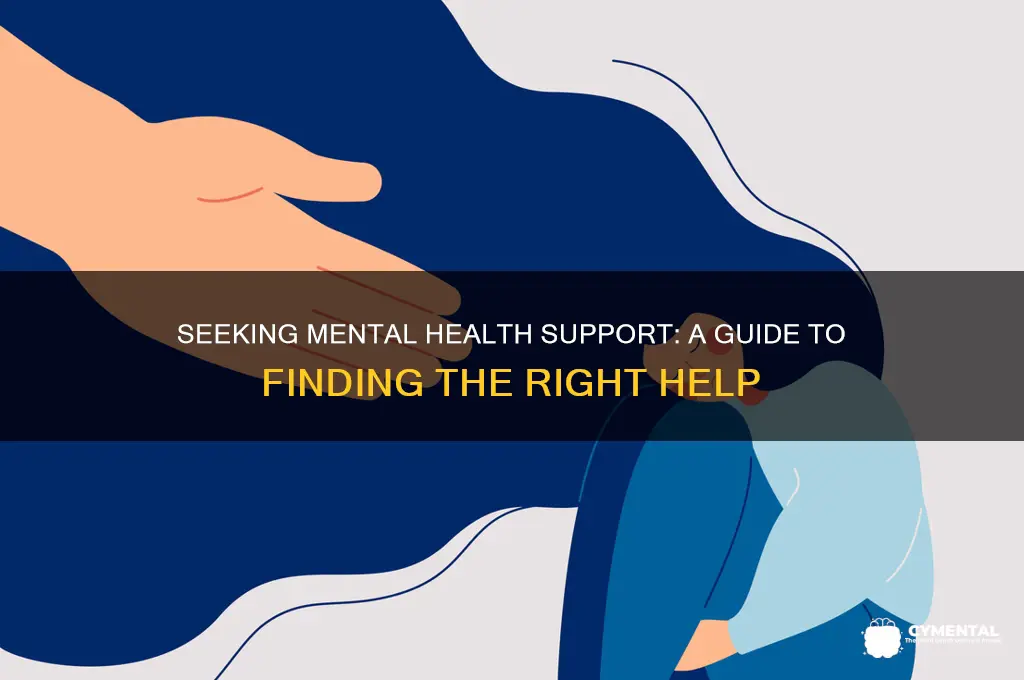
Seeking mental health support is a crucial step toward overall well-being, and there are numerous resources available to guide individuals through this process. Recognizing the need for help is the first step, whether it’s due to stress, anxiety, depression, or other emotional challenges. Professional assistance can be found through therapists, counselors, or psychiatrists, who offer evidence-based treatments like cognitive-behavioral therapy or medication. Additionally, support groups, hotlines, and online platforms provide accessible options for those who may feel hesitant to seek in-person help. Self-care practices, such as mindfulness, exercise, and maintaining social connections, can also complement professional treatment. Remember, reaching out for help is a sign of strength, and taking proactive steps to address mental health can lead to significant improvements in quality of life.
Explore related products


What You'll Learn
- Find a Therapist: Research, ask for referrals, check credentials, schedule consultations, choose a good fit
- Join Support Groups: Connect with peers, share experiences, gain insights, build community, foster understanding
- Practice Self-Care: Prioritize sleep, exercise, nutrition, mindfulness, hobbies, and relaxation for mental wellness
- Use Hotlines/Apps: Access crisis support, therapy apps, or helplines for immediate assistance and guidance
- Talk to Loved Ones: Open up, express feelings, seek understanding, and lean on trusted relationships

Find a Therapist: Research, ask for referrals, check credentials, schedule consultations, choose a good fit
Finding a therapist is a critical step in addressing mental health concerns, but it’s not a one-size-fits-all process. Start by researching therapists in your area or those offering virtual sessions. Use reputable platforms like Psychology Today, GoodTherapy, or the American Psychological Association’s therapist locator. Filter by specialization—whether it’s anxiety, depression, trauma, or relationship issues—to narrow your options. Look for therapists who align with your preferences, such as those who practice cognitive-behavioral therapy (CBT), dialectical behavior therapy (DBT), or mindfulness-based approaches. Online reviews can offer insights, but remember, therapy is deeply personal, so what works for one person may not work for another.
Once you’ve compiled a list, ask for referrals from trusted sources. Your primary care physician, friends, or family members who’ve had positive therapy experiences can provide valuable recommendations. If you’re part of a support group or online community, seek advice there as well. Referrals add a layer of trust and can save time by pointing you toward therapists with proven track records. However, ensure the referred therapist’s approach and personality align with your needs—a great therapist for someone else might not be the right fit for you.
Checking credentials is non-negotiable. Verify the therapist’s license through your state’s licensing board to ensure they’re qualified and in good standing. Look for advanced degrees (e.g., PsyD, PhD, LCSW, LMFT) and certifications in specific modalities. Be cautious of red flags, such as a lack of transparency about qualifications or unverifiable claims. While credentials don’t guarantee compatibility, they confirm the therapist’s competence and adherence to ethical standards.
Scheduling consultations is the next practical step. Many therapists offer free 10–15-minute phone or video calls to discuss your needs and their approach. Prepare questions in advance: *What’s your therapeutic style? How do you measure progress? Do you assign homework or exercises outside sessions?* Use this opportunity to gauge their communication style and whether you feel heard and understood. If the therapist seems dismissive or rushed, they’re likely not a good fit.
Finally, choosing a good fit is as much about intuition as it is about logistics. Reflect on how you felt during the consultation: Did you feel safe and respected? Were they empathetic yet professional? Therapy is a collaborative process, and the relationship with your therapist is its foundation. It’s okay to try a few sessions before deciding, but trust your instincts if something feels off. Remember, the goal is to find someone who can guide you effectively, not just someone who’s available. This process requires patience, but the right therapist can be transformative.
Music's Mind-Body Harmony: How Playing Instruments Boosts Brain Health
You may want to see also
Explore related products


Join Support Groups: Connect with peers, share experiences, gain insights, build community, foster understanding
Human connection is a powerful antidote to mental health struggles. Isolation often amplifies feelings of loneliness, shame, and hopelessness. Support groups counter this by creating a safe space to connect with individuals who truly understand your experiences. Unlike casual friendships, these groups foster a unique bond built on shared vulnerability and empathy. Here, you’ll find people who speak your unspoken language, who nod in recognition rather than offer platitudes. This sense of belonging can be transformative, reminding you that you’re not alone in your journey.
Joining a support group isn’t about airing grievances; it’s about active participation in a community of healing. Sharing your story, even in fragments, can be cathartic, releasing pent-up emotions and offering clarity. Listening to others’ experiences provides valuable insights into coping mechanisms, treatment options, and perspectives you might not have considered. Think of it as a living, breathing resource guide, constantly updated by individuals navigating similar challenges. This exchange of knowledge and support accelerates personal growth and empowers you to take charge of your mental well-being.
Finding the right support group is crucial. Consider your specific needs and preferences. Are you seeking a group focused on a particular diagnosis, like anxiety or depression, or a broader group addressing general mental health concerns? Do you prefer in-person meetings for face-to-face interaction or online forums for anonymity and flexibility? Many organizations, like the National Alliance on Mental Illness (NAMI) and the Anxiety and Depression Association of America (ADAA), offer searchable directories to help you locate groups in your area or online. Remember, it’s okay to try out different groups until you find the one that feels like a good fit.
Commitment is key. Regular attendance allows you to build trust, develop relationships, and fully benefit from the group dynamic. Be open-minded, respectful, and willing to both give and receive support. Remember, everyone in the group is on their own path, and progress isn’t always linear. Celebrate small victories, offer encouragement, and lean on the group when you need it. Over time, you’ll find that the connections you forge in a support group can become a vital source of strength and hope, reminding you that recovery is possible and you’re never truly alone.
Recognizing Signs: When to Seek Mental Health Support for Others
You may want to see also
Explore related products





Practice Self-Care: Prioritize sleep, exercise, nutrition, mindfulness, hobbies, and relaxation for mental wellness
Sleep is the cornerstone of mental resilience, yet it’s often the first sacrifice in a busy schedule. Adults require 7–9 hours nightly, but consistency matters more than duration. Irregular sleep patterns disrupt circadian rhythms, amplifying anxiety and depression. To optimize sleep, establish a ritual: dim lights an hour before bed, avoid screens, and keep the room cool (60–67°F). If racing thoughts interfere, try a 4-7-8 breathing technique (inhale for 4 seconds, hold for 7, exhale for 8) to induce calm.
Exercise isn’t just about physical health—it’s a potent antidepressant. A meta-analysis in *JAMA Psychiatry* found that 30 minutes of moderate exercise, 3–5 times weekly, reduces symptoms of depression by 26%. The key is sustainability; choose activities you enjoy, whether dancing, hiking, or yoga. For those with sedentary lifestyles, start small: a 10-minute walk daily can improve mood and energy levels. Pair exercise with sunlight exposure in the morning to regulate melatonin and boost serotonin.
Nutrition fuels not just the body but the brain. Omega-3 fatty acids, found in salmon and flaxseeds, are linked to reduced inflammation and improved cognitive function. Probiotics in yogurt and fermented foods support gut health, which communicates directly with the brain via the gut-brain axis. Limit processed sugars and caffeine, which spike cortisol and destabilize mood. A balanced plate—half vegetables, a quarter lean protein, and a quarter whole grains—is a simple yet effective guideline.
Mindfulness isn’t about emptying the mind but observing thoughts without judgment. Start with 5 minutes daily, focusing on breath or a guided meditation app like Headspace. Research in *Psychiatry Research* shows that 8 weeks of mindfulness practice reduces gray matter density in the amygdala, the brain’s fear center. For skeptics, reframe it as a mental hygiene practice, akin to brushing teeth. Incorporate mindfulness into daily tasks, like eating or walking, to cultivate present-moment awareness.
Hobbies and relaxation aren’t luxuries—they’re essential for emotional regulation. Engaging in creative or enjoyable activities lowers stress hormones and fosters a sense of accomplishment. Whether painting, gardening, or playing an instrument, allocate time weekly for unstructured play. For those overwhelmed by options, revisit childhood interests or try something new through local classes. Pair relaxation with deep breathing or progressive muscle relaxation to maximize stress relief.
Self-care isn’t selfish; it’s strategic. By prioritizing sleep, exercise, nutrition, mindfulness, hobbies, and relaxation, you build a foundation for mental wellness. Start small, stay consistent, and remember: these practices compound over time, offering resilience against life’s inevitable challenges.
Mental Health Advocacy: How It Can Influence Court Outcomes
You may want to see also
Explore related products


$12.14 $19.99


Use Hotlines/Apps: Access crisis support, therapy apps, or helplines for immediate assistance and guidance
In moments of acute distress, immediate support can be a lifeline. Hotlines and crisis support apps are designed to provide instant access to trained professionals who can offer guidance, de-escalation techniques, and resources tailored to your situation. For instance, the National Suicide Prevention Lifeline (988 in the U.S.) connects callers with counselors 24/7, while apps like Crisis Text Line allow users to text with a crisis counselor anonymously. These services are particularly valuable for individuals experiencing panic attacks, suicidal thoughts, or overwhelming anxiety, as they bridge the gap until more long-term support can be arranged.
While hotlines are ideal for urgent situations, therapy apps offer a more structured approach to mental health care. Platforms like BetterHelp, Talkspace, and Calm provide access to licensed therapists, meditation tools, and cognitive-behavioral therapy (CBT) exercises. For example, BetterHelp matches users with therapists based on their needs and preferences, with sessions conducted via video, phone, or chat. These apps are particularly useful for those seeking ongoing support but facing barriers like cost, location, or stigma. However, it’s important to note that apps are not a replacement for in-person therapy for severe conditions but can serve as a complementary tool or starting point.
Helplines, such as those for specific issues like substance abuse (SAMHSA’s National Helpline at 1-800-662-HELP) or domestic violence (National Domestic Violence Hotline at 1-800-799-SAFE), provide specialized assistance for targeted concerns. These services often connect individuals with experts who understand the nuances of their struggles and can offer actionable advice. For instance, a caller to a substance abuse helpline might receive referrals to local treatment centers, while someone contacting a domestic violence hotline could be guided on creating a safety plan. The specificity of these helplines makes them invaluable for addressing complex or niche mental health challenges.
When using hotlines or apps, practicality is key. Keep a list of relevant numbers and app shortcuts readily accessible on your phone or in a notebook. For apps, ensure you understand their privacy policies and any associated costs. If you’re in crisis, don’t hesitate to reach out—these services are designed to help without judgment. For ongoing use, set realistic expectations; therapy apps, for example, may require consistent engagement to see results. Finally, remember that while these tools are powerful, they are part of a broader mental health toolkit that may include professional therapy, medication, or lifestyle changes.
Physical Education's Impact: Boosting Mental Health and Well-Being
You may want to see also
Explore related products


Talk to Loved Ones: Open up, express feelings, seek understanding, and lean on trusted relationships
Human connection is a powerful antidote to mental distress. Sharing your struggles with loved ones can feel vulnerable, but it's a vital step towards healing. Think of it as releasing pressure from a valve – bottling up emotions only intensifies their impact.
Consider this scenario: Imagine carrying a heavy backpack filled with worries, fears, and anxieties. Walking alone, the weight becomes unbearable. But when you share the load with someone who cares, the burden lightens. Their presence, understanding, and support make the journey more manageable.
This analogy highlights the transformative power of opening up. It's not about dumping your problems on others, but about inviting them to walk alongside you, offering a listening ear, a shoulder to lean on, and a different perspective.
Initiating these conversations can be daunting. Start small, with someone you trust implicitly. Choose a time and place where you both feel comfortable and uninterrupted. Be honest about your feelings, even if they're messy or difficult to articulate. Remember, vulnerability is strength, not weakness.
Empowering Support: Saving Young Adults Battling Mental Illness Effectively
You may want to see also
Frequently asked questions
Start by researching licensed therapists, psychologists, or psychiatrists in your area. Consider their specialties, experience, and whether they accept your insurance. You can also ask for recommendations from your primary care doctor, friends, or family. Many professionals offer a free consultation call to help you determine if they’re a good fit.
There are affordable or free resources available. Look into community mental health clinics, sliding-scale therapists, or nonprofit organizations that offer low-cost services. Online platforms like BetterHelp or 7 Cups provide more affordable options. Additionally, support groups, hotlines (e.g., the National Alliance on Mental Illness), and self-help apps can be helpful.
Incorporate self-care practices like regular exercise, a balanced diet, adequate sleep, and mindfulness or meditation. Stay connected with supportive friends and family, limit stress, and avoid excessive alcohol or substance use. Journaling, setting boundaries, and engaging in hobbies can also improve your mental well-being.
If you’re in immediate danger or experiencing severe distress, call emergency services (911 in the U.S.) or a crisis hotline like the National Suicide Prevention Lifeline (988). You can also visit the nearest emergency room. For non-emergency support, reach out to a trusted friend, family member, or mental health professional.