Caleb Wright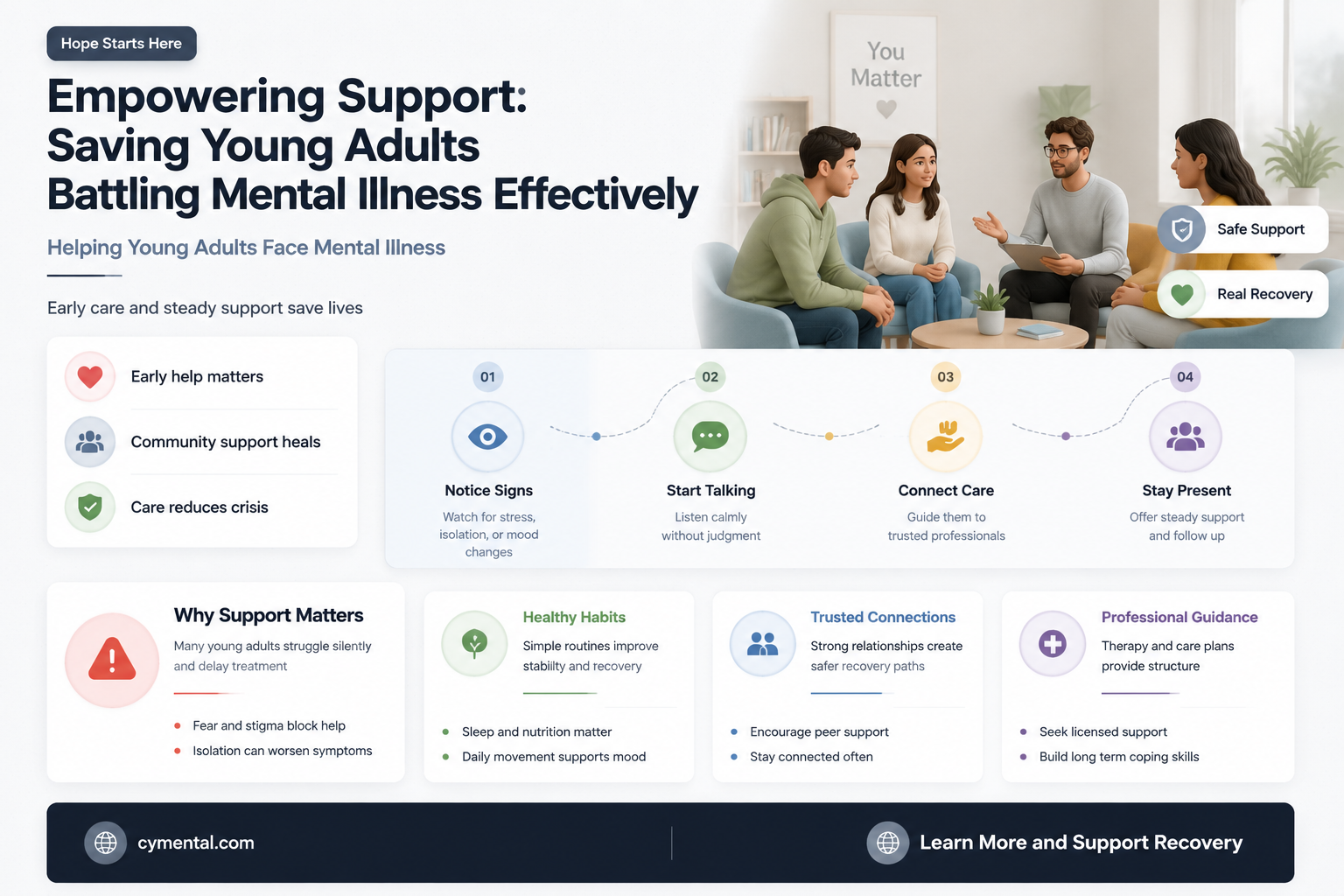
Addressing the mental health crisis among young adults requires a multifaceted approach that combines early intervention, accessible resources, and community support. By fostering open conversations about mental health, reducing stigma, and integrating mental health education into schools and workplaces, we can empower young adults to seek help without fear of judgment. Expanding access to affordable therapy, counseling, and crisis hotlines, while leveraging technology for telehealth services, ensures timely support. Additionally, creating safe spaces for peer support and involving families in the recovery process can provide a strong foundation for healing. Ultimately, a collaborative effort from individuals, institutions, and policymakers is essential to save lives and build a more compassionate society for those struggling with mental illness.
Explore related products


What You'll Learn
- Early Intervention Strategies: Identifying signs early, providing timely support to prevent severe mental health deterioration
- Accessible Mental Health Services: Ensuring affordable, youth-friendly resources and therapy options for young adults
- Community Support Networks: Building peer groups, mentorship programs, and safe spaces for emotional connection
- Education & Awareness: Reducing stigma through mental health literacy in schools, workplaces, and media
- Holistic Wellness Approaches: Promoting physical health, mindfulness, and lifestyle changes to complement mental health treatment

Early Intervention Strategies: Identifying signs early, providing timely support to prevent severe mental health deterioration
Mental health challenges often manifest in adolescence and early adulthood, a critical period when 75% of lifetime mental illnesses emerge. Yet, the average delay between symptom onset and intervention is 8–10 years, allowing conditions to worsen. Early intervention isn’t just about spotting signs—it’s about disrupting this trajectory before irreversible damage occurs. For instance, untreated psychosis in the first year can lead to a 40% lower recovery rate compared to immediate treatment. The window is narrow, but the impact is profound.
Step 1: Train Gatekeepers in Behavioral Red Flags
Educate teachers, coaches, and peers to recognize subtle shifts: social withdrawal, sudden academic decline, or persistent irritability. Unlike crisis symptoms, these early markers are often dismissed as "teenage moodiness." A 2020 study found that school staff trained in Youth Mental Health First Aid identified at-risk students 3x more effectively. Pair this with annual mental health screenings for ages 12–25, using tools like the PHQ-9 for depression or GAD-7 for anxiety, to catch subclinical symptoms before they escalate.
Step 2: Leverage Technology for Low-Stigma Access
Young adults are 40% more likely to seek help digitally than in person. Implement AI-driven apps like Woebot or Sanvello that offer CBT exercises and mood tracking, while flagging severe risk patterns for clinicians. Text-based crisis lines (e.g., Crisis Text Line) see 70% of users under 25—proof that anonymity lowers barriers. Schools and workplaces should subsidize access to telehealth platforms with 24/7 therapists, ensuring support within 48 hours of a flagged concern.
Step 3: Build Tiered Support Systems
Not every warning sign requires hospitalization. Create graduated response levels:
- Tier 1: School-based counseling for mild symptoms (e.g., 2–3 anxiety episodes/week).
- Tier 2: Intensive outpatient programs (9–12 hours/week) for moderate cases, combining therapy with peer groups.
- Tier 3: Partial hospitalization for severe risk, with daily monitoring but home evenings.
A 2019 meta-analysis showed tiered models reduced hospitalization rates by 50% in 18–25-year-olds.
Caution: Avoid Overmedicalization
Early intervention doesn’t always mean medication. For mild-moderate depression, meta-analyses show CBT alone is as effective as antidepressants in 60% of cases under age 25. Reserve pharmacotherapy for severe cases (e.g., psychosis, suicidal ideation) and always pair with therapy. Overprescribing risks side effects and disengagement—a 2021 study found 40% of young adults stopped medication due to perceived overreliance.
Untreated early psychosis costs $400,000 more per patient over a lifetime than immediate coordinated care. Yet, only 1 in 5 young adults receive early intervention services. Shifting from reactive to proactive systems requires funding school mental health teams, mandating insurance coverage for preventive care, and normalizing check-ins as routine as physicals. The science is clear: act within the first 12 months of symptoms, and you rewrite destinies.
Free Clinics and Mental Health: Accessible Support or Limited Services?
You may want to see also
Explore related products


Accessible Mental Health Services: Ensuring affordable, youth-friendly resources and therapy options for young adults
Young adults aged 18–25 are at a critical life stage where mental health challenges often peak, yet they face significant barriers to accessing care. High costs, lack of insurance, and stigma create a gap between need and treatment. For instance, nearly 60% of young adults with mental illness receive no treatment, according to the National Alliance on Mental Illness (NAMI). To bridge this gap, mental health services must prioritize affordability and youth-friendly design, ensuring that financial constraints and outdated models of care do not prevent young adults from seeking help.
One practical solution is to expand sliding-scale fee structures for therapy and counseling services. Many young adults are either students, entry-level workers, or uninsured, making traditional therapy sessions—often $100–$200 per hour—inaccessible. Clinics and private practitioners can adopt income-based pricing, capping fees at 10–20% of a client’s monthly income. For example, a young adult earning $1,500 monthly might pay $15–$30 per session, making therapy sustainable long-term. Additionally, telehealth platforms can reduce overhead costs, passing savings onto clients while maintaining accessibility for those in rural or underserved areas.
Youth-friendly resources must also address the unique needs and preferences of young adults. Traditional therapy settings can feel intimidating or irrelevant to this demographic. Incorporating peer support groups, digital tools, and creative therapies like art or music can make mental health care more engaging. Apps like Calm or Headspace offer affordable subscriptions ($7–$15 monthly) with guided meditations and cognitive-behavioral therapy exercises tailored to young adults. Schools, workplaces, and community centers can subsidize these subscriptions or partner with providers to offer free access, ensuring cost is not a barrier.
However, affordability alone is insufficient if services are not culturally competent or stigma-resistant. Young adults from marginalized communities—such as LGBTQ+ individuals or racial minorities—often face additional barriers due to systemic biases or lack of representation in mental health care. Providers must undergo training in cultural humility and offer diverse therapy options, such as group sessions led by peers from similar backgrounds. For example, The Trevor Project provides free, confidential counseling for LGBTQ+ youth, demonstrating how targeted services can save lives by addressing specific needs.
In conclusion, making mental health services accessible to young adults requires a multi-faceted approach: affordable pricing models, youth-centered design, and culturally sensitive practices. By removing financial and structural barriers, we can ensure that young adults not only access care but also engage with it in ways that resonate with their experiences. This is not just a matter of policy—it’s a moral imperative to support a generation navigating unprecedented challenges.
Australia's Innovative Mental Health Support: Initiatives and Impact
You may want to see also
Explore related products



Community Support Networks: Building peer groups, mentorship programs, and safe spaces for emotional connection
Young adults with mental illness often feel isolated, struggling to find peers who understand their experiences. This loneliness can exacerbate symptoms, creating a cycle of withdrawal and worsening mental health. Community support networks offer a powerful antidote by fostering connections with others who share similar struggles.
Peer support groups, for instance, provide a safe space for individuals to share their stories, learn coping mechanisms, and feel less alone.
Consider the example of a weekly anxiety support group for 18-25 year olds. Facilitated by a trained peer leader, the group might begin with a check-in, followed by a discussion on a specific topic like managing panic attacks or navigating social anxiety. Members could then break into smaller groups for more intimate conversations. This structured yet supportive environment allows participants to build trust, learn from each other's experiences, and develop a sense of belonging.
Research consistently demonstrates the benefits of peer support. A study published in the *Journal of Clinical Psychology* found that individuals participating in peer support groups experienced significant reductions in depression and anxiety symptoms compared to those receiving standard care alone.
Mentorship programs further strengthen community support networks by pairing young adults with mental illness with experienced mentors who have successfully navigated similar challenges. These mentors offer guidance, encouragement, and a unique perspective rooted in lived experience. For example, a young adult struggling with bipolar disorder could be matched with a mentor who has learned to manage their condition effectively. This relationship provides not only practical advice but also hope and inspiration.
When establishing mentorship programs, it's crucial to ensure thorough training for mentors, clear boundaries, and ongoing supervision to guarantee the safety and well-being of all participants.
Creating safe spaces for emotional connection is paramount. These spaces can take various forms, from online forums and social media groups to dedicated community centers. The key is to foster an environment free from judgment, where individuals feel comfortable expressing their emotions and seeking support. For instance, a community center might offer art therapy workshops, mindfulness sessions, or simply a quiet room for reflection, allowing young adults to connect with themselves and others in a way that feels authentic and meaningful.
By building peer groups, mentorship programs, and safe spaces, community support networks provide a vital lifeline for young adults with mental illness. They offer a sense of belonging, practical tools for coping, and the hope that recovery is possible. These networks empower individuals to support each other, fostering resilience and promoting long-term mental well-being.
GLP-1 and Mental Health: Exploring the Potential Benefits
You may want to see also
Explore related products


$18.01 $29.99


Education & Awareness: Reducing stigma through mental health literacy in schools, workplaces, and media
Mental health stigma thrives in silence and ignorance, often leaving young adults suffering in isolation. To dismantle this barrier, we must embed mental health literacy into the very fabric of society, starting with schools, workplaces, and media. Imagine a classroom where students learn about anxiety disorders alongside algebra, or a workplace where stress management is as routine as safety training. This isn’t a utopian dream—it’s a practical strategy to normalize conversations around mental health and equip individuals with the knowledge to recognize, address, and support mental illness.
In schools, integrating mental health education into curricula can be transformative. For instance, programs like *Mental Health First Aid for Youth* teach students aged 12–18 how to identify signs of mental distress in peers and connect them to professional help. Pairing these lessons with peer-led workshops fosters empathy and reduces the "otherness" often associated with mental illness. Teachers, too, must be trained to spot early warning signs, such as sudden changes in behavior or academic performance, and respond with sensitivity rather than discipline. A study by the *American Psychological Association* found that schools with robust mental health education saw a 20% decrease in self-reported stigma among students.
Workplaces, where adults spend a third of their lives, are another critical arena. Employers can implement mandatory mental health training sessions, covering topics like burnout prevention and the importance of work-life balance. For example, companies like Google and Unilever offer "mental health days" and provide access to counseling services through employee assistance programs. However, awareness alone isn’t enough; policies must follow. Flexible schedules, anonymous reporting systems for workplace stress, and leadership that openly discusses their own mental health struggles can create a culture of acceptance. A cautionary note: token gestures, like a single seminar or poster campaign, risk trivializing the issue and must be avoided in favor of sustained, systemic efforts.
Media plays a dual role—it can perpetuate stereotypes or challenge them. Responsible portrayals of mental illness in TV shows, films, and news outlets can humanize struggles and debunk myths. For instance, the Netflix series *13 Reasons Why* faced criticism for its graphic depiction of suicide, but its subsequent inclusion of crisis resources and a retooled narrative demonstrated how media can pivot to educate rather than exploit. Social media platforms, too, can be harnessed for good. Campaigns like #MentalHealthAwarenessMonth encourage users to share personal stories, while influencers can use their reach to promote professional resources. A practical tip: media creators should consult mental health professionals to ensure accuracy and sensitivity in their content.
The takeaway is clear: education and awareness are not one-off interventions but ongoing processes that require collaboration across sectors. By embedding mental health literacy into schools, workplaces, and media, we can shift societal attitudes from fear and judgment to understanding and support. Young adults, in particular, stand to benefit from growing up in an environment where mental health is treated with the same urgency and compassion as physical health. The question isn’t whether we can afford to make this change—it’s whether we can afford not to.
Plant-Based Diets and Mental Health: Exploring the Mind-Body Connection
You may want to see also
Explore related products


Holistic Wellness Approaches: Promoting physical health, mindfulness, and lifestyle changes to complement mental health treatment
Young adults with mental illness often face a fragmented approach to care, with treatment focusing solely on medication or therapy. However, integrating holistic wellness practices can significantly enhance their overall well-being. Physical health, mindfulness, and lifestyle changes act as complementary pillars, addressing the interconnectedness of mind and body. For instance, regular exercise releases endorphins, which can alleviate symptoms of depression and anxiety. Similarly, mindfulness techniques like meditation foster emotional regulation, while lifestyle adjustments, such as improved sleep hygiene, create a stable foundation for mental health recovery.
Consider the role of physical activity as a starting point. The World Health Organization recommends at least 150 minutes of moderate-intensity aerobic exercise weekly for adults aged 18–64. For young adults with mental illness, this could translate to daily 30-minute walks, yoga sessions, or even team sports. Exercise not only reduces stress but also improves self-esteem and cognitive function. Pairing physical activity with a balanced diet rich in omega-3 fatty acids, found in foods like salmon and walnuts, can further support brain health. Practical tips include meal prepping to ensure consistent nutrition and tracking progress with fitness apps to stay motivated.
Mindfulness practices offer another layer of support, particularly for managing anxiety and emotional overwhelm. Techniques like deep breathing exercises, body scans, or guided meditation can be practiced for as little as 10 minutes daily. Apps like Headspace or Calm provide accessible resources tailored to beginners. For young adults, incorporating mindfulness into daily routines—such as mindful eating or journaling—can make these practices feel less daunting. Research shows that consistent mindfulness practice can reduce cortisol levels, the hormone associated with stress, by up to 14% over eight weeks.
Lifestyle changes, though often overlooked, are critical in sustaining mental health improvements. Sleep is a cornerstone; young adults should aim for 7–9 hours of quality sleep per night. Establishing a bedtime routine, limiting screen time before bed, and creating a sleep-conducive environment are actionable steps. Additionally, reducing substance use, such as alcohol or caffeine, can prevent exacerbation of mental health symptoms. Social connections also play a vital role; encouraging participation in community groups or hobbies fosters a sense of belonging and purpose.
Incorporating these holistic approaches requires a personalized and flexible mindset. Not every strategy will work for everyone, and experimentation is key. For example, a young adult struggling with social anxiety might start with solo mindfulness practices before gradually engaging in group activities. Caregivers and mental health professionals should collaborate to create integrated plans that respect individual preferences and challenges. By viewing mental health through a holistic lens, young adults can build resilience and reclaim agency over their well-being.
Gatorade and Mental Health: Hydration's Role in Cognitive Well-being
You may want to see also
Frequently asked questions
Early intervention can prevent the progression of mental illness by providing timely access to treatment, therapy, and support systems. Identifying symptoms early allows for better management and reduces the risk of long-term complications.
Education and awareness reduce stigma, encourage open conversations, and help young adults recognize symptoms in themselves or others. This empowers them to seek help without fear of judgment.
Families and caregivers can offer emotional support, encourage professional treatment, and create a safe, non-judgmental environment. Learning about mental health and advocating for resources also makes a significant difference.
Strategies include expanding affordable mental health services, integrating mental health care into primary care, and promoting telehealth options. Schools and workplaces can also provide on-site resources and referrals.
Peer support programs connect young adults with others who have similar experiences, fostering a sense of belonging and understanding. These programs provide practical advice, emotional encouragement, and hope for recovery.