Noah Parker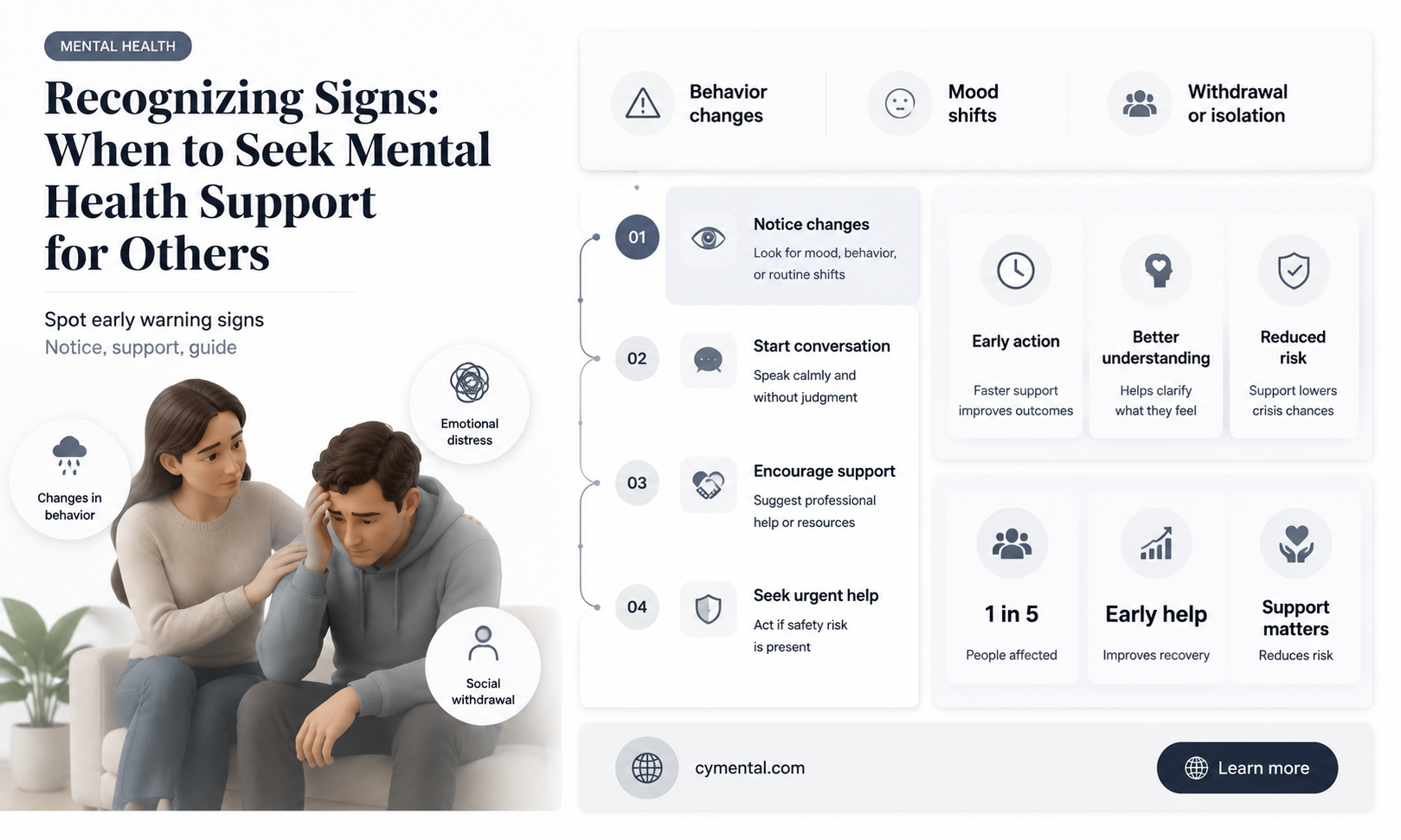
Recognizing when someone may need mental health support can be challenging, as signs often vary widely and may not always be overt. Common indicators include significant changes in behavior, such as withdrawal from social activities, persistent sadness, or sudden irritability. Physical symptoms like unexplained fatigue, changes in sleep or appetite, and neglect of personal care can also signal distress. Additionally, expressions of hopelessness, frequent mentions of death, or noticeable difficulty in managing daily tasks may suggest deeper emotional struggles. It’s important to approach these observations with empathy and sensitivity, encouraging open communication while suggesting professional help if needed, as early intervention can make a significant difference in someone’s well-being.
Explore related products


What You'll Learn
- Sudden Behavior Changes: Noticeable shifts in mood, energy, or habits without clear cause
- Social Withdrawal: Avoiding friends, family, or activities once enjoyed persistently
- Extreme Emotions: Uncontrollable anger, sadness, or anxiety disrupting daily life
- Physical Symptoms: Unexplained headaches, fatigue, or changes in appetite/sleep
- Talk of Harm: Expressing thoughts of self-harm, suicide, or harming others

Sudden Behavior Changes: Noticeable shifts in mood, energy, or habits without clear cause
A sudden shift in someone’s behavior can be a silent alarm, signaling an underlying mental health struggle. Imagine a colleague who transitions from being consistently cheerful to withdrawn and irritable within days, or a friend who abandons their daily routine without explanation. These changes often lack an obvious trigger, making them particularly concerning. While occasional mood swings are normal, abrupt and persistent alterations in mood, energy, or habits warrant attention. Such shifts may indicate conditions like depression, anxiety, bipolar disorder, or even psychosis, especially when they interfere with daily functioning.
To identify these changes effectively, observe patterns rather than isolated incidents. For instance, a teenager who suddenly stops attending social gatherings, neglects hygiene, and sleeps excessively might be experiencing depression. Similarly, an older adult who becomes unusually agitated, starts hoarding, or loses interest in hobbies could be grappling with late-onset anxiety or cognitive decline. Keep a mental (or written) log of behaviors over time to distinguish between fleeting quirks and consistent deviations. If the changes persist for two weeks or more, it’s time to intervene.
Approaching someone about their behavior requires sensitivity and strategy. Begin by expressing concern without judgment, using "I" statements to avoid defensiveness. For example, say, "I’ve noticed you’ve been less social lately, and I’m worried about you," instead of, "You’ve been acting strange." Offer specific examples of what you’ve observed to validate your concern. Encourage professional help by suggesting resources like therapists, helplines, or support groups, but avoid forcing the issue. Remember, your role is to support, not diagnose.
While sudden behavior changes are a red flag, they’re not always indicative of mental illness. Temporary stressors like job loss, relationship issues, or physical health problems can also trigger shifts. However, when these changes are disproportionate to the stressor or persist beyond its resolution, mental health should be considered. For instance, grief typically involves sadness and withdrawal, but if it evolves into self-harm or suicidal ideation, immediate intervention is critical. Understanding context is key, but erring on the side of caution can save lives.
Finally, educate yourself on the signs of specific mental health conditions to better interpret behavior changes. For example, rapid speech, decreased need for sleep, and impulsive decisions might suggest mania in bipolar disorder, while social isolation and loss of interest in activities are hallmarks of depression. Online resources like the National Alliance on Mental Illness (NAMI) or the World Health Organization (WHO) offer reliable information. By staying informed, you can provide more targeted support and advocate for timely professional intervention. Sudden behavior changes are a call to action—ignore them at your peril.
Breaking the Silence: Why Men Resist Seeking Mental Health Support
You may want to see also
Explore related products


Social Withdrawal: Avoiding friends, family, or activities once enjoyed persistently
Social withdrawal, marked by persistent avoidance of friends, family, or once-enjoyed activities, is often a silent cry for help. Unlike occasional solitude, which can be healthy, this behavior becomes concerning when it’s prolonged and uncharacteristic. For instance, a teenager who stops attending soccer practice, a hobby they’ve loved for years, or an adult who declines family gatherings without explanation may be signaling distress. Recognizing this pattern early is crucial, as it can be an early indicator of underlying mental health issues such as depression, anxiety, or burnout.
Analyzing the root causes of social withdrawal requires a nuanced approach. It’s not merely about noticing the absence of social interaction but understanding its context. For example, a college student who isolates themselves after a breakup might be processing grief, while an employee avoiding coworkers could be experiencing workplace stress. However, when withdrawal persists beyond situational triggers—say, for weeks or months—it’s time to intervene. Practical steps include initiating a gentle conversation, expressing concern without judgment, and offering resources like therapy or support groups. Avoid forcing interaction; instead, create a safe space for the individual to share their feelings.
Persuasively, it’s essential to debunk the myth that social withdrawal is a choice or a phase. This behavior often stems from overwhelming emotional pain or fear, not laziness or indifference. For instance, someone with undiagnosed social anxiety might avoid gatherings due to paralyzing fear of judgment, while a person with depression may lack the energy to engage. By reframing withdrawal as a symptom rather than a character flaw, we can foster empathy and encourage professional help. Remember, mental health struggles are not visible wounds, but their impact is just as real.
Comparatively, social withdrawal differs from introversion or the need for personal space. Introverts recharge through solitude but typically maintain meaningful relationships and engage in activities they enjoy. In contrast, withdrawal often involves a complete disconnection from previously valued interactions and hobbies. A helpful tip is to observe changes in behavior over time. If a once-social individual suddenly stops responding to messages or cancels plans repeatedly, it’s a red flag. Unlike introversion, which is consistent, withdrawal is a deviation from baseline behavior, signaling a potential crisis.
Descriptively, the environment in which withdrawal occurs can offer clues. For adolescents, sudden disinterest in school clubs or peer interactions might coincide with academic pressure or bullying. In older adults, retirement or loss of a spouse can trigger isolation, but when it leads to neglecting personal care or skipping family events, it becomes alarming. Practical advice includes encouraging small, manageable social interactions, such as a short walk with a friend or a brief phone call. These steps can help rebuild connections without overwhelming the individual. Ultimately, addressing social withdrawal requires patience, understanding, and a willingness to seek professional guidance when needed.
Mental Exercise and Dementia: Unlocking Brain Health Benefits
You may want to see also
Explore related products


Extreme Emotions: Uncontrollable anger, sadness, or anxiety disrupting daily life
Uncontrollable emotions—rage that shatters relationships, sorrow that paralyzes, anxiety that hijacks every decision—are not mere "bad days." When these feelings escalate beyond typical human experience and begin to derail work, friendships, or self-care, they signal a cry for intervention. Imagine a colleague who explodes over minor feedback, a friend who cancels plans for weeks due to overwhelming dread, or a family member whose grief hasn’t softened months after a loss. These aren’t isolated incidents; they’re patterns carving ruts into the road of daily functioning.
Analyzing the Threshold: Distinguish intensity from frequency. Occasional outbursts or low moods are human. However, when emotions dominate more than 50% of waking hours, or when they trigger self-destructive behaviors (e.g., lashing out physically, self-harm, or substance misuse), the line between "coping" and "crisis" blurs. For instance, a study in *Psychological Medicine* (2021) found that individuals experiencing anger episodes lasting over 45 minutes daily were 3x more likely to meet criteria for generalized anxiety disorder or major depression.
Practical Interventions: If you’re witnessing this in someone, approach with specificity, not judgment. Instead of "You’re overreacting," try: "I’ve noticed you’ve been canceling plans a lot lately—is there something making it hard to leave the house?" Offer actionable support: "Would it help if we tried a 10-minute grounding exercise together?" For persistent cases, encourage professional assessment. Cognitive Behavioral Therapy (CBT) has a 60–70% efficacy rate in managing extreme emotions, often paired with medication (e.g., SSRIs for anxiety, mood stabilizers for anger) under psychiatric guidance.
Comparative Perspective: Unlike fleeting stress, extreme emotions resemble a hijacked car—the brakes (logic) fail, and the accelerator (reaction) floors. Consider the difference between a teenager slamming a door after an argument (developmentally typical) and a 35-year-old throwing objects during a work call. Context matters. Age, cultural norms, and baseline personality must be factored in, but when emotions consistently override age-appropriate coping mechanisms, it’s a red flag.
Takeaway for Allies: Don’t wait for a meltdown to act. Early signs include physical symptoms (e.g., chronic headaches, insomnia), social withdrawal, or rigid avoidance of triggers. Apps like Calm or Headspace can be stopgap tools, but they’re not substitutes for therapy. If someone’s emotions are costing them jobs, relationships, or safety, frame seeking help as a strength: "Managing this isn’t about willpower—it’s about rewiring patterns, and there are experts who can guide that." Extreme emotions untreated are like untreated infections—they spread, silently eroding well-being until the structure collapses.
Yoga's Transformative Power: Enhancing Mental Health and Well-being Naturally
You may want to see also
Explore related products


Physical Symptoms: Unexplained headaches, fatigue, or changes in appetite/sleep
The human body often communicates distress through physical symptoms long before emotional or psychological cues become apparent. Unexplained headaches, persistent fatigue, and sudden changes in appetite or sleep patterns can be red flags signaling an underlying mental health issue. These symptoms are not merely inconveniences; they are the body’s way of sounding an alarm that something deeper is amiss. For instance, chronic headaches may stem from prolonged stress or anxiety, while unexplained fatigue could indicate depression, where the mind’s exhaustion manifests physically. Recognizing these signs early can be the first step in addressing a mental health concern before it escalates.
Consider the case of a 32-year-old professional experiencing daily migraines despite no history of headaches. After ruling out physical causes like dehydration or eye strain, a closer examination reveals overwhelming workplace stress and unresolved emotional conflicts. Similarly, a college student’s sudden insomnia and loss of appetite might coincide with the onset of exam anxiety or a depressive episode. These physical symptoms are not random; they are often interconnected with mental states. Tracking their frequency and severity can provide valuable insights. For example, if headaches occur more often during stressful periods or fatigue persists despite adequate rest, it’s time to explore mental health as a potential cause.
To address these symptoms effectively, start by maintaining a symptom journal. Record when headaches occur, how long fatigue lasts, and specific changes in eating or sleeping habits. Pair this with notes on emotional states or stressful events during those times. This data can help identify patterns and provide a clearer picture for healthcare professionals. For instance, if fatigue spikes after social interactions, it might suggest social anxiety. Practical steps include prioritizing sleep hygiene—keeping a consistent sleep schedule and limiting screen time before bed—and incorporating stress-reduction techniques like mindfulness or deep breathing exercises. Small dietary adjustments, such as staying hydrated and avoiding caffeine after noon, can also alleviate symptoms.
However, caution is necessary when interpreting these symptoms. Physical ailments like thyroid disorders or vitamin deficiencies can mimic mental health-related symptoms. Always consult a healthcare provider to rule out underlying medical conditions. Self-diagnosis can lead to unnecessary worry or delay proper treatment. For example, assuming fatigue is due to depression without testing for iron deficiency could result in an untreated physical condition. Additionally, avoid dismissing these symptoms as "just stress" or "normal tiredness," especially if they persist for weeks. Mental health is as valid a concern as physical health, and both deserve attention.
In conclusion, unexplained physical symptoms like headaches, fatigue, and changes in appetite or sleep are not to be overlooked. They serve as tangible indicators of potential mental health struggles, often manifesting when emotional pain is too overwhelming to express verbally. By observing these signs, keeping a detailed record, and seeking professional guidance, individuals can take proactive steps toward healing. Remember, the body and mind are interconnected; addressing one often requires tending to the other. Early intervention can prevent minor issues from becoming major crises, fostering resilience and well-being in the long term.
Social Media's Role in Supporting Mental Health and Well-being
You may want to see also
Explore related products


Talk of Harm: Expressing thoughts of self-harm, suicide, or harming others
One of the most alarming signs that someone may be struggling with their mental health is when they express thoughts of self-harm, suicide, or harming others. These statements should never be dismissed as mere attention-seeking or passing phases. Even if the person claims they "don't mean it" or are "just joking," such talk is a cry for help and a clear indicator of deep emotional distress. Ignoring these red flags can have devastating consequences, as suicidal ideation is a significant predictor of suicide attempts, particularly in adolescents and young adults.
Consider the following scenario: A teenager casually mentions during a group chat that they "wish they weren’t here anymore." While peers might brush it off as teenage angst, this statement warrants immediate attention. Research shows that 1 in 5 high school students seriously considers suicide each year, and 1 in 15 attempts it. If someone verbalizes such thoughts, it’s crucial to respond empathetically and directly. Ask open-ended questions like, "What’s making you feel this way?" or "Have you thought about how you might act on these feelings?" Avoid judgmental phrases like "You’re just being dramatic" or "Think of all you have to live for," as these can invalidate their emotions and shut down communication.
From a practical standpoint, knowing how to respond to such disclosures can save lives. The 5-step approach is a widely recommended framework: 1) Ask directly about suicidal thoughts (e.g., "Are you thinking about ending your life?"), 2) Keep them safe by removing access to lethal means (e.g., medications, weapons), 3) Be present by staying with them or arranging for someone else to do so, 4) Connect them to help by contacting a mental health professional or crisis hotline (e.g., the National Suicide Prevention Lifeline at 988), and 5) Follow up to show ongoing support. This structured response ensures that the person feels heard and receives the necessary intervention.
Comparatively, while self-harm and suicidal ideation often stem from internal struggles like depression or anxiety, threats of harming others may indicate conditions such as conduct disorder, psychosis, or severe untreated trauma. For instance, a person with command hallucinations (hearing voices instructing them to harm someone) requires immediate psychiatric evaluation. In such cases, it’s essential to prioritize safety while seeking professional help. Contact local authorities if there’s an imminent risk, but avoid confrontational language that could escalate the situation. Instead, use calm, non-accusatory statements like, "I’m worried about what you’re saying—let’s get some help to figure this out."
In conclusion, talk of harm—whether directed inward or outward—is a critical signal that someone’s mental health is in crisis. By recognizing these signs, responding with empathy, and taking concrete steps to ensure safety, you can play a vital role in connecting them to the support they desperately need. Remember, addressing these issues early can prevent irreversible outcomes and pave the way for healing and recovery.
Edison Municipal Mental Health Support: Resources and Assistance Available
You may want to see also
Frequently asked questions
Signs that someone may need mental health help include persistent changes in mood, behavior, or personality; withdrawal from social activities; difficulty functioning in daily life; expressions of hopelessness or suicidal thoughts; and noticeable changes in eating, sleeping, or hygiene habits.
Red flags include sudden or severe mood swings, excessive irritability or anger, frequent mentions of feeling overwhelmed or worthless, increased substance use, and neglecting responsibilities or self-care. Physical symptoms like unexplained aches or fatigue can also be indicators.
Encourage professional help if the person’s symptoms persist for two weeks or more, interfere with their ability to function, or if they express thoughts of self-harm or harm to others. It’s also important to suggest support if they seem unable to cope despite personal efforts.