Ava Ramirez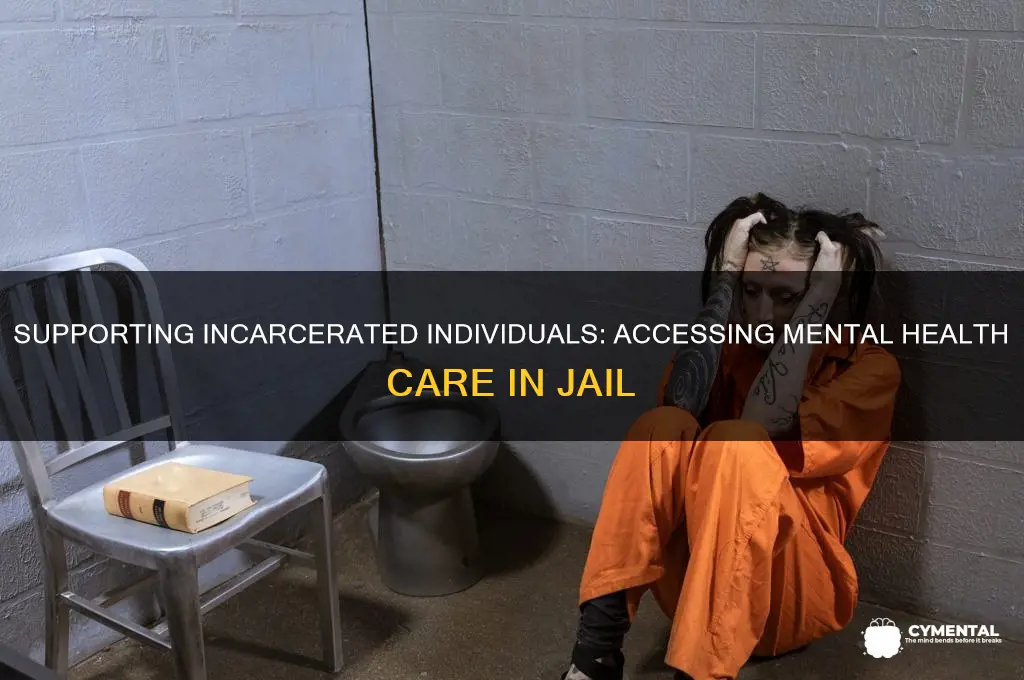
Accessing mental health support for individuals in jail is a critical yet complex issue, as incarceration often exacerbates existing mental health challenges or creates new ones due to the stressful and isolating environment. Many jails lack adequate resources and trained professionals to address the unique needs of inmates, making it essential for families, advocates, and legal representatives to take proactive steps. Options for assistance may include advocating for mental health screenings upon intake, filing grievances or requests for evaluation, and contacting the jail’s healthcare provider or ombudsman to ensure the individual receives necessary care. Additionally, reaching out to local legal aid organizations or mental health advocacy groups can provide guidance on navigating the system and protecting the individual’s rights. Early intervention and persistent advocacy are key to securing the mental health support inmates desperately need.
Explore related products


What You'll Learn
- Finding Jail Mental Health Services: Locate available mental health resources within the correctional facility
- Advocating for Inmate Care: Learn how to advocate for proper mental health treatment for inmates
- Legal Rights for Inmates: Understand the legal rights of inmates regarding mental health care
- Support Networks for Families: Connect with support groups for families of incarcerated individuals
- Crisis Intervention in Jail: Identify procedures for emergency mental health interventions in correctional settings

Finding Jail Mental Health Services: Locate available mental health resources within the correctional facility
Incarcerated individuals often face significant mental health challenges, yet accessing care within correctional facilities can be daunting. The first step in securing help is identifying the resources already available within the jail or prison. Most facilities are legally obligated to provide basic mental health services, though the scope and quality can vary widely. Start by contacting the facility’s administration or medical unit to inquire about their mental health programs. Ask specific questions: Do they offer individual counseling, group therapy, or psychiatric evaluations? Are there crisis intervention protocols in place? Knowing these details will help you understand the baseline support your loved one can expect.
Once you’ve identified the facility’s offerings, assess their adequacy for the individual’s needs. For instance, someone with severe depression or schizophrenia may require medication management, which not all jails provide on-site. If the facility lacks specialized care, advocate for external referrals. Many correctional systems have partnerships with community mental health providers or telehealth services that can offer additional support. Document all communication with the facility, including names, dates, and responses, as this can be crucial if you need to escalate concerns later.
A lesser-known but effective strategy is to leverage advocacy organizations that specialize in prison mental health. Groups like the National Alliance on Mental Illness (NAMI) or the Vera Institute of Justice often have resources and guidance for navigating correctional systems. They can provide templates for formal requests, advice on legal rights, and even direct assistance in securing care. Additionally, consider reaching out to the facility’s ombudsman or inspector general if you encounter resistance or neglect in addressing mental health needs.
Finally, educate yourself and the incarcerated individual on their rights under the Eighth Amendment, which prohibits cruel and unusual punishment, including deliberate indifference to serious medical needs. Familiarize yourself with the Prison Litigation Reform Act (PLRA), which outlines the process for filing grievances. While legal action should be a last resort, knowing these protections empowers you to demand appropriate care. Remember, persistence is key—mental health services in jails are often underfunded and understaffed, but consistent advocacy can make a difference.
Seeking Support: Effective Strategies to Improve Your Mental Health
You may want to see also
Explore related products


Advocating for Inmate Care: Learn how to advocate for proper mental health treatment for inmates
Incarcerated individuals are five times more likely to experience mental health issues than the general population, yet access to adequate care remains woefully insufficient. This disparity isn't just a moral failing; it's a public health crisis. Untreated mental illness behind bars exacerbates existing conditions, increases the risk of self-harm and violence, and hinders successful reintegration into society. Advocating for proper mental health treatment for inmates isn't just about compassion; it's about public safety and breaking the cycle of recidivism.
Recognizing the urgency, the first step in advocating for inmate mental health care is understanding the system's limitations. Correctional facilities often lack the resources, trained personnel, and infrastructure to provide comprehensive mental health services. Overcrowding, isolation, and a punitive culture further exacerbate existing conditions. Familiarize yourself with the specific challenges faced by the facility where your loved one is housed. Research their policies on mental health screening, treatment options, and access to medication. This knowledge will empower you to identify gaps in care and tailor your advocacy efforts effectively.
Direct communication with the inmate is crucial. Encourage them to openly discuss their mental health struggles and document their experiences. This firsthand account will be invaluable when advocating for their needs. Assist them in requesting mental health evaluations and treatment within the facility. Familiarize yourself with the grievance procedures and ensure they know how to file complaints if their requests are denied or ignored. Remember, inmates often face barriers to communication, so patience and persistence are key.
Consider reaching out to organizations specializing in prison reform and inmate rights. Groups like the American Civil Liberties Union (ACLU) and the National Alliance on Mental Illness (NAMI) offer resources, legal assistance, and advocacy support. They can provide guidance on navigating the system, connecting with mental health professionals who work with incarcerated populations, and amplifying your voice through collective action.
Advocacy extends beyond individual cases. Write letters to legislators, correctional facility administrators, and local media outlets highlighting the dire need for improved mental health care in prisons. Share personal stories, cite statistics, and propose concrete solutions, such as increased funding for mental health services, training for correctional staff, and the implementation of evidence-based treatment programs. Remember, systemic change requires sustained pressure and collective effort. By raising awareness and demanding accountability, we can work towards a future where inmates receive the mental health care they deserve.
Physical Therapy's Surprising Impact: Boosting Mental Health and Well-Being
You may want to see also
Explore related products




Legal Rights for Inmates: Understand the legal rights of inmates regarding mental health care
Inmates in correctional facilities are entitled to mental health care as a fundamental legal right, rooted in the Eighth Amendment’s prohibition of cruel and unusual punishment. Courts have consistently ruled that deliberate indifference to serious medical needs, including mental health conditions, violates this constitutional protection. For example, in *Estelle v. Gamble* (1976), the Supreme Court established that prisoners must receive adequate medical care, a precedent extended to mental health services. This means that if an inmate is experiencing symptoms of depression, anxiety, or psychosis, the facility is legally obligated to provide evaluation and treatment. Failure to do so can result in lawsuits and court-mandated reforms, as seen in cases like *Coleman v. Brown* (1995), which led to federal oversight of California’s prison mental health system.
Understanding how to access these rights begins with recognizing the inmate’s right to request a mental health evaluation. Inmates or their advocates can submit written requests to medical staff or use grievance procedures if access is denied. Facilities are required to respond promptly, typically within 24 to 72 hours for urgent cases. For instance, if an inmate exhibits suicidal behavior, the facility must conduct an immediate assessment and implement safety measures, such as placing the individual on suicide watch. Non-emergency requests may take longer but should still be addressed within a reasonable timeframe, often 7 to 14 days. Documentation of all requests and responses is critical, as it can serve as evidence in legal challenges if rights are violated.
The type of mental health care provided must meet community standards, meaning it should be comparable to what an individual would receive outside of prison. This includes access to licensed mental health professionals, medication management, and evidence-based therapies like cognitive-behavioral therapy (CBT). For example, inmates diagnosed with schizophrenia should receive antipsychotic medications such as olanzapine or quetiapine, along with regular psychiatric monitoring. However, disparities often exist, particularly in understaffed or underfunded facilities. Advocates can push for compliance by citing legal standards, such as the *Americans with Disabilities Act* (ADA), which prohibits discrimination against inmates with mental health disabilities and requires reasonable accommodations, like access to therapy groups or specialized housing units.
Despite these protections, barriers to care persist, including stigma, lack of resources, and administrative resistance. Inmates or their families can take proactive steps to overcome these obstacles. First, familiarize yourself with the facility’s policies on mental health care, often outlined in inmate handbooks or on the facility’s website. Second, document all symptoms and interactions with staff, noting dates, times, and names of personnel involved. Third, engage external advocates, such as legal aid organizations or mental health nonprofits, which can provide guidance and intervene if rights are being denied. For example, the ACLU’s National Prison Project has successfully litigated cases where inmates were denied necessary mental health treatment. Finally, if internal grievance procedures fail, filing a lawsuit under Section 1983 of the Civil Rights Act can compel facilities to uphold legal obligations.
In conclusion, while inmates have clear legal rights to mental health care, enforcing these rights requires vigilance and advocacy. By understanding the constitutional and statutory protections in place, documenting violations, and leveraging external resources, individuals can help ensure that incarcerated loved ones receive the care they are entitled to. The system is flawed, but knowledge and persistence can make a meaningful difference in securing mental health services for those behind bars.
Essential Oils: A Natural Ally in Mental Health and Wellness
You may want to see also
Explore related products


Support Networks for Families: Connect with support groups for families of incarcerated individuals
Families of incarcerated individuals often face unique emotional and logistical challenges, from navigating the legal system to coping with the stigma of having a loved one in jail. Support groups tailored to these families can provide a lifeline, offering emotional solace, practical advice, and a sense of community. These groups are not just about sharing stories; they are structured networks that connect families to resources, legal aid, and mental health services for both themselves and their incarcerated loved ones.
One of the most effective ways to locate these support groups is through local community organizations or national nonprofits like the National Alliance on Mental Illness (NAMI) or the Prison Fellowship. Many of these organizations host regular meetings, both in-person and virtual, where families can discuss their experiences in a safe, non-judgmental space. For example, NAMI’s Family Support Group is a free, peer-led program that meets weekly for 90 minutes, providing education and coping strategies for families dealing with mental health challenges, including those exacerbated by incarceration.
Beyond emotional support, these groups often serve as hubs for actionable information. Members share insights on how to advocate for mental health services within correctional facilities, such as filing grievances or requesting psychiatric evaluations for their incarcerated loved ones. They also exchange tips on maintaining communication, like writing letters that adhere to facility rules or navigating phone systems that charge exorbitant rates. Practical advice, such as how to send care packages or funds to an inmate’s commissary account, can alleviate some of the stress families face.
However, joining a support group requires vulnerability, and families should be mindful of their own emotional limits. It’s important to choose a group that aligns with your specific needs—whether you’re seeking legal advice, mental health resources, or simply a space to grieve. Some groups focus on advocacy, helping families push for systemic changes in the criminal justice system, while others prioritize peer-to-peer counseling. Researching the group’s mission and structure beforehand can ensure a better fit.
Ultimately, support networks for families of incarcerated individuals are more than just a coping mechanism; they are a powerful tool for resilience and advocacy. By connecting with others who understand their struggles, families can access the emotional and practical resources needed to navigate the complexities of incarceration. Whether through shared stories, actionable advice, or collective action, these groups remind families that they are not alone in their journey.
Boost Your Mind: The Mental Benefits of Staying Active
You may want to see also
Explore related products


Crisis Intervention in Jail: Identify procedures for emergency mental health interventions in correctional settings
In correctional facilities, where stress and isolation can exacerbate mental health issues, crisis intervention is a critical component of inmate care. The first step in emergency mental health intervention is identification of acute distress signals, such as self-harm, suicidal ideation, or psychotic episodes. Correctional officers and staff must be trained to recognize these signs, which often manifest as sudden changes in behavior, aggression, or withdrawal. Immediate action is essential; delaying response can lead to irreversible harm. For instance, a 2021 study found that inmates exhibiting self-harm behaviors were 50% more likely to attempt suicide within 48 hours if left unaddressed.
Once a crisis is identified, protocols for de-escalation and stabilization must be activated swiftly. This involves isolating the individual from others to prevent harm while maintaining a calm, non-threatening environment. Trained mental health professionals should be summoned immediately, as they are equipped to assess the severity of the crisis and determine the appropriate level of care. In cases of severe agitation or danger to self or others, emergency medications like intramuscular haloperidol (5–10 mg) or lorazepam (2–4 mg) may be administered under medical supervision to rapidly control symptoms. However, this step should only be taken when absolutely necessary, as it requires informed consent or a court order in non-emergency situations.
A key challenge in correctional settings is the balance between security and therapeutic intervention. While restraints or seclusion may be used to prevent immediate harm, they should be temporary and closely monitored. Prolonged use of these measures can worsen mental health conditions and violate ethical standards. Instead, facilities should prioritize crisis intervention teams (CITs), which consist of specially trained officers and clinicians who collaborate to de-escalate situations using verbal techniques and empathy. For example, a CIT in a California jail reduced the use of force incidents by 40% within the first year of implementation.
Post-crisis, follow-up care and monitoring are indispensable to prevent recurrence. Inmates should be transferred to a mental health unit or hospital if their condition warrants it. Even if hospitalization is not required, regular psychiatric evaluations and therapy sessions should be scheduled. Practical tips for correctional staff include maintaining open communication with the inmate, documenting all interactions, and involving family or legal representatives when appropriate. A 2020 report highlighted that inmates who received consistent follow-up care were 60% less likely to experience a repeat crisis within six months.
Finally, systemic improvements are necessary to address the root causes of mental health crises in jails. Overcrowding, lack of resources, and inadequate staff training often contribute to the problem. Facilities should invest in ongoing education for staff, increase access to mental health professionals, and implement evidence-based programs like cognitive-behavioral therapy. By treating crisis intervention as part of a broader strategy for inmate well-being, correctional systems can reduce recidivism and improve outcomes for vulnerable populations. After all, a jail’s ability to manage mental health emergencies reflects not just on its security measures, but on its commitment to humanity.
Media's Role in Amplifying Mental Health Awareness and Advocacy
You may want to see also
Frequently asked questions
Contact the jail or prison directly and ask about their mental health programs. Most facilities have on-site mental health professionals or partnerships with local providers. You can also reach out to community mental health organizations or legal aid groups that specialize in prisoner rights for assistance.
Document your concerns and communicate them in writing to the facility’s administration, the inmate’s caseworker, or the facility’s ombudsman. You can also file a grievance through the facility’s formal process or seek help from advocacy organizations like the ACLU or the National Alliance on Mental Illness (NAMI).
Yes, you can request a mental health evaluation by contacting the jail’s medical or mental health department. Provide specific details about your concerns, such as changes in behavior or signs of distress. If the person is unable to request help themselves, your advocacy can prompt an assessment.