Harper Lewis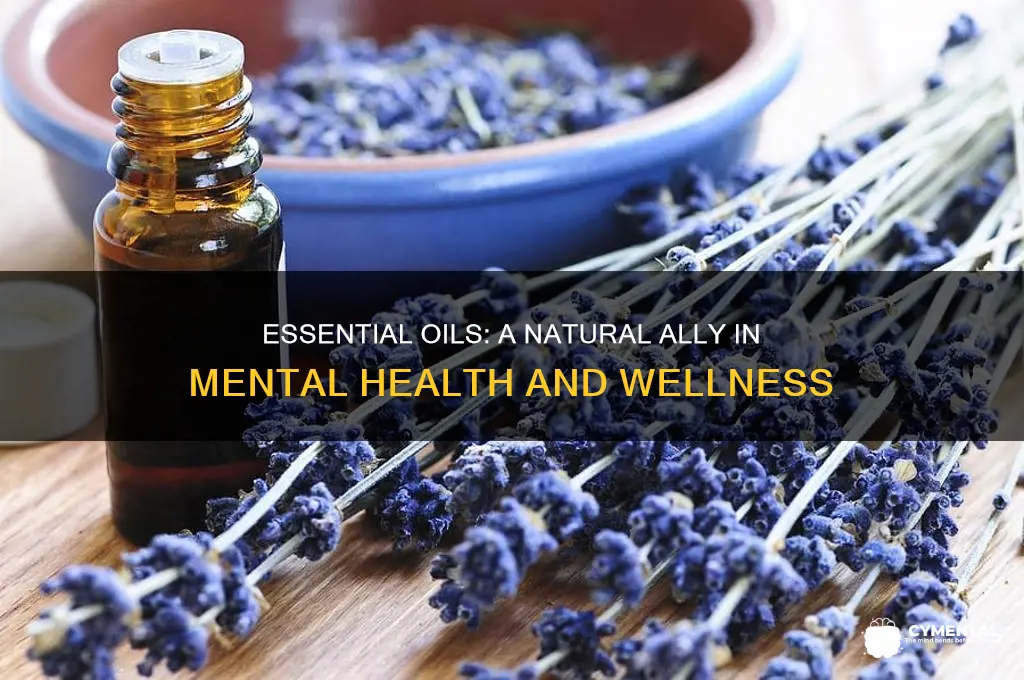
Essential oils, derived from plants through distillation or extraction, have gained recognition for their potential therapeutic benefits in supporting mental health. Rich in aromatic compounds, these oils interact with the limbic system, the brain’s emotional center, to influence mood, stress, and anxiety. Research and anecdotal evidence suggest that oils like lavender, chamomile, and bergamot can promote relaxation, reduce symptoms of depression, and improve sleep quality. Additionally, aromatherapy, the practice of using essential oils, has been integrated into complementary therapies for conditions such as anxiety disorders, PTSD, and insomnia, offering a natural and holistic approach to mental well-being. While not a standalone treatment, essential oils have emerged as a valuable tool in managing mental health challenges when used alongside traditional therapies.
Explore related products


What You'll Learn
- Lavender Oil for Anxiety Relief: Reduces stress, promotes relaxation, and improves sleep quality effectively
- Peppermint Oil for Focus: Enhances concentration, boosts energy, and alleviates mental fatigue naturally
- Bergamot Oil for Depression: Uplifts mood, reduces symptoms of depression, and fosters emotional balance
- Frankincense Oil for Calmness: Induces tranquility, lowers cortisol levels, and supports meditation practices
- Ylang-Ylang Oil for Stress: Balances emotions, lowers blood pressure, and eases stress-related tension

Lavender Oil for Anxiety Relief: Reduces stress, promotes relaxation, and improves sleep quality effectively
Lavender oil, derived from the Lavandula angustifolia plant, has been a cornerstone in aromatherapy for its profound effects on anxiety relief. Its calming properties are not merely anecdotal; numerous studies have demonstrated its ability to reduce cortisol levels, the body's primary stress hormone. For instance, a 2013 study published in the *International Journal of Psychiatry in Clinical Practice* found that participants who used lavender oil experienced significant reductions in anxiety symptoms compared to a control group. This makes it a valuable tool for those seeking natural remedies to manage stress.
Incorporating lavender oil into daily routines can be both simple and effective. One practical method is through inhalation. Adding 3–5 drops of lavender oil to a diffuser or inhaling directly from the bottle for 1–2 minutes can induce a state of relaxation within minutes. For topical application, dilute 2–3 drops of lavender oil in a carrier oil, such as coconut or jojoba oil, and massage it onto pulse points like the wrists, temples, or behind the ears. This method is particularly useful before bedtime to improve sleep quality, as lavender has been shown to increase slow-wave sleep, the deep sleep stage crucial for restoration.
While lavender oil is generally safe for most age groups, including children and adults, it’s essential to exercise caution. For children under 6, use only 1–2 drops diluted in a larger amount of carrier oil to avoid skin irritation. Pregnant or breastfeeding women should consult a healthcare provider before use, as there is limited research on its safety in these populations. Additionally, always perform a patch test before widespread application to ensure no allergic reactions occur.
The efficacy of lavender oil extends beyond immediate stress relief; it can be a long-term ally in managing anxiety. A 2010 study in the *Journal of Alternative and Complementary Medicine* revealed that participants using lavender oil capsules experienced improvements in generalized anxiety disorder symptoms comparable to those taking prescription medication, but with fewer side effects. This highlights its potential as a complementary therapy. To maximize benefits, combine lavender oil use with other stress-reduction techniques, such as mindfulness meditation or gentle exercise, for a holistic approach to mental well-being.
In conclusion, lavender oil offers a natural, accessible solution for anxiety relief, backed by both scientific research and centuries of traditional use. Its ability to reduce stress, promote relaxation, and enhance sleep quality makes it a versatile tool in the fight against mental illness. By following proper dosage guidelines and integrating it thoughtfully into daily practices, individuals can harness its calming effects to achieve greater emotional balance.
Social Activities: A Powerful Tool for Mental Health Recovery
You may want to see also
Explore related products


Peppermint Oil for Focus: Enhances concentration, boosts energy, and alleviates mental fatigue naturally
Peppermint oil, with its crisp, invigorating aroma, has long been celebrated for its ability to sharpen focus and combat mental fatigue. Derived from the leaves of the peppermint plant, this essential oil contains menthol, a compound known to stimulate the mind and enhance cognitive function. For individuals struggling with concentration or energy levels, peppermint oil offers a natural, accessible solution that can be seamlessly integrated into daily routines.
To harness its benefits, start by diffusing 3–5 drops of peppermint oil in your workspace or study area. The scent alone can create an environment conducive to productivity by stimulating the brain’s limbic system, which plays a role in emotion, behavior, and long-term memory. Alternatively, dilute 1–2 drops of peppermint oil in a carrier oil (like coconut or jojoba) and apply it to your temples, wrists, or the back of your neck. This topical application allows for direct absorption, providing a quick energy boost without the crash associated with caffeine. For those who prefer a subtler approach, simply inhaling the oil directly from the bottle can yield immediate results, making it an ideal tool for mid-task refreshment.
While peppermint oil is generally safe for adults, it’s important to exercise caution with children and pets. For children over 6 years old, reduce the dosage to 1–2 drops in a diffuser or use a highly diluted topical application (1 drop per tablespoon of carrier oil). Pregnant or nursing women should consult a healthcare provider before use. Additionally, avoid applying undiluted oil directly to the skin, as it can cause irritation. Always opt for high-quality, therapeutic-grade peppermint oil to ensure purity and potency.
Comparatively, peppermint oil stands out among essential oils for its dual ability to energize and calm the mind. Unlike citrus oils, which primarily uplift mood, or lavender, which promotes relaxation, peppermint strikes a balance by enhancing focus while alleviating mental exhaustion. This makes it particularly beneficial for individuals dealing with ADHD, burnout, or prolonged periods of mental strain. Incorporating peppermint oil into a mindfulness or meditation practice can further amplify its effects, creating a holistic approach to mental clarity and resilience.
In conclusion, peppermint oil is a versatile, natural remedy for improving focus and combating mental fatigue. Its stimulating properties, coupled with its ease of use, make it an invaluable tool for anyone seeking to enhance productivity and mental well-being. By understanding proper application methods and dosages, individuals can safely and effectively integrate this essential oil into their daily lives, reaping its benefits without adverse effects. Whether diffused, applied topically, or inhaled, peppermint oil offers a refreshing, sustainable way to stay sharp and energized in an increasingly demanding world.
Happiness Boosts Mental Health: Doctors Reveal Surprising Benefits
You may want to see also
Explore related products



Bergamot Oil for Depression: Uplifts mood, reduces symptoms of depression, and fosters emotional balance
Bergamot essential oil, derived from the peel of the Citrus bergamia fruit, has emerged as a promising natural remedy for depression, offering a multifaceted approach to emotional well-being. Its unique chemical composition, rich in linalool and linalyl acetate, contributes to its mood-enhancing properties. Studies have shown that inhaling bergamot oil can stimulate the release of dopamine and serotonin, neurotransmitters crucial for regulating mood and reducing symptoms of depression. This makes it a valuable tool for those seeking complementary therapies to traditional treatments.
To harness the benefits of bergamot oil for depression, consider incorporating it into your daily routine through aromatherapy. Add 3–5 drops of the oil to a diffuser and inhale deeply for 15–20 minutes, preferably in the morning or during moments of heightened stress. Alternatively, dilute 2–3 drops of bergamot oil in a carrier oil (such as coconut or jojoba) and apply it to pulse points like the wrists or temples. For a soothing bath, mix 5–7 drops with Epsom salts to promote relaxation and emotional balance. Consistency is key; regular use over several weeks may yield more noticeable improvements in mood and overall well-being.
While bergamot oil is generally safe for adults, it’s essential to exercise caution. The oil is phototoxic, meaning it can cause skin sensitivity when exposed to sunlight. Always avoid direct sun exposure for 12–24 hours after topical application. Pregnant or nursing individuals, as well as those with citrus allergies, should consult a healthcare professional before use. Additionally, bergamot oil should not replace prescribed medications for depression but can serve as a supportive adjunct therapy.
Comparatively, bergamot oil stands out among essential oils for its dual ability to uplift and calm. Unlike lavender, which is primarily sedative, or peppermint, which is invigorating, bergamot strikes a balance, making it particularly effective for depression. Its citrusy aroma is both refreshing and grounding, addressing the emotional fluctuations often associated with depressive episodes. This versatility positions bergamot oil as a unique and accessible option for those exploring natural mental health remedies.
Incorporating bergamot oil into a holistic approach to managing depression can foster emotional resilience and improve quality of life. Pair its use with mindfulness practices, regular exercise, and a balanced diet for optimal results. While not a cure-all, bergamot oil’s ability to uplift mood, reduce depressive symptoms, and promote emotional balance makes it a valuable addition to the toolkit of anyone seeking to nurture their mental health naturally.
Medication and Mental Health: A Powerful Tool for Healing and Recovery
You may want to see also
Explore related products


Frankincense Oil for Calmness: Induces tranquility, lowers cortisol levels, and supports meditation practices
Frankincense oil, derived from the resin of the Boswellia tree, has been revered for centuries for its profound calming effects on the mind and body. Its ability to induce tranquility, lower cortisol levels, and enhance meditation practices makes it a valuable tool in managing mental health. By interacting with the limbic system, the brain’s emotional control center, frankincense oil can help reduce anxiety and promote a sense of peace. Studies suggest that inhaling its aroma triggers neurochemical responses that counteract stress, making it particularly beneficial for those seeking natural ways to alleviate mental tension.
To harness frankincense oil’s calming properties, consider incorporating it into your daily routine through aromatherapy. Add 3–5 drops to a diffuser and allow the scent to permeate your space, especially during moments of heightened stress or before bedtime. For a more targeted approach, dilute 2–3 drops in a carrier oil (like coconut or jojoba) and apply it to pulse points, such as the wrists or temples. This method ensures direct absorption into the bloodstream, amplifying its stress-relieving effects. For meditation practitioners, applying a drop to the crown of the head or diffusing it during sessions can deepen focus and enhance mindfulness.
One of the most compelling aspects of frankincense oil is its ability to lower cortisol levels, the hormone associated with stress. Chronic high cortisol can lead to anxiety, depression, and sleep disturbances, making its reduction crucial for mental well-being. A 2019 study published in *Evidence-Based Complementary and Alternative Medicine* found that participants who inhaled frankincense oil experienced significant decreases in cortisol levels compared to a control group. This makes it a scientifically-backed option for those looking to manage stress naturally, without reliance on pharmaceuticals.
While frankincense oil is generally safe for most age groups, including adults and children over 6, it’s essential to use it responsibly. Pregnant or nursing individuals should consult a healthcare provider before use, as its effects in these populations are not fully understood. Additionally, always perform a patch test when applying topically to check for skin sensitivity. For optimal results, pair frankincense oil use with other stress-management techniques, such as deep breathing exercises or journaling, to create a holistic approach to mental wellness.
Incorporating frankincense oil into your self-care regimen can be a transformative step toward achieving calmness and mental clarity. Its versatility—whether diffused, applied topically, or used during meditation—makes it accessible for various lifestyles. By lowering cortisol levels and fostering tranquility, frankincense oil not only addresses immediate stress but also supports long-term mental health. As with any natural remedy, consistency is key; regular use can yield the most significant benefits, helping you navigate life’s challenges with greater ease and resilience.
Supporting Loved Ones: A Guide to Accessing Mental Health Assistance
You may want to see also
Explore related products


Ylang-Ylang Oil for Stress: Balances emotions, lowers blood pressure, and eases stress-related tension
Ylang-ylang oil, derived from the flowers of the Cananga tree, has been a staple in aromatherapy for its profound effects on stress and emotional well-being. Its sweet, floral scent is more than just pleasing—it acts as a natural sedative, calming the nervous system and reducing anxiety. Studies suggest that inhaling ylang-ylang oil can lower cortisol levels, the hormone associated with stress, making it a powerful tool for those seeking mental clarity and emotional balance.
To harness its benefits, start with a simple inhalation method. Add 3–5 drops of ylang-ylang oil to a diffuser and let it fill your space for 20–30 minutes daily, particularly during moments of heightened stress. For a more targeted approach, dilute 2–3 drops of the oil in a carrier oil (like coconut or jojoba) and apply it to pulse points—wrists, temples, or behind the ears. This allows the aroma to interact directly with your limbic system, the brain’s emotional center. Avoid undiluted application to prevent skin irritation, especially for those with sensitive skin.
One of the most compelling aspects of ylang-ylang oil is its ability to lower blood pressure, a common physical symptom of chronic stress. A 2006 study published in *Phytotherapy Research* found that participants who inhaled ylang-ylang oil experienced significant reductions in blood pressure and heart rate compared to a control group. This makes it particularly beneficial for individuals whose stress manifests physically, such as through tension headaches or muscle tightness. Pairing ylang-ylang with deep breathing exercises can amplify its effects, creating a holistic approach to stress relief.
While ylang-ylang is generally safe for most age groups, caution is advised for children under 6 and pregnant or nursing women, as its potency may be too strong. Additionally, overuse can lead to headaches or nausea, so moderation is key. For those on medication for anxiety or hypertension, consult a healthcare provider before incorporating ylang-ylang into your routine, as it may interact with certain drugs.
In a world where stress is ubiquitous, ylang-ylang oil offers a natural, accessible solution. Its ability to balance emotions, lower blood pressure, and ease tension makes it a versatile ally in managing mental health. By integrating this oil into your daily routine—whether through diffusion, topical application, or mindful inhalation—you can create a sanctuary of calm amidst chaos. Remember, consistency is crucial; regular use maximizes its therapeutic potential, turning stress relief into a sustainable practice rather than a temporary fix.
Exercise and Mental Health: Uncovering the Powerful Statistical Connection
You may want to see also
Frequently asked questions
Yes, essential oils like lavender, chamomile, and bergamot have been shown to promote relaxation and reduce anxiety through aromatherapy, which can calm the nervous system and improve mood.
While essential oils such as ylang-ylang, clary sage, and frankincense may help uplift mood and reduce symptoms of depression, they are not a standalone treatment. They can complement traditional therapies but should not replace professional medical care.
Essential oils like lavender, cedarwood, and sandalwood are known to improve sleep quality by reducing anxiety and promoting relaxation, which can be particularly beneficial for individuals with insomnia linked to mental health conditions.
Some essential oils, such as peppermint, rosemary, and vetiver, are believed to enhance focus and concentration. While anecdotal evidence supports their use, scientific research is limited, and they should be used as a supplementary tool.
Essential oils are generally safe when used correctly, but improper use (e.g., ingesting or applying undiluted oils) can cause irritation or adverse reactions. Always dilute oils, perform a patch test, and consult a healthcare provider, especially if taking medications or managing severe mental health conditions.