Caleb Wright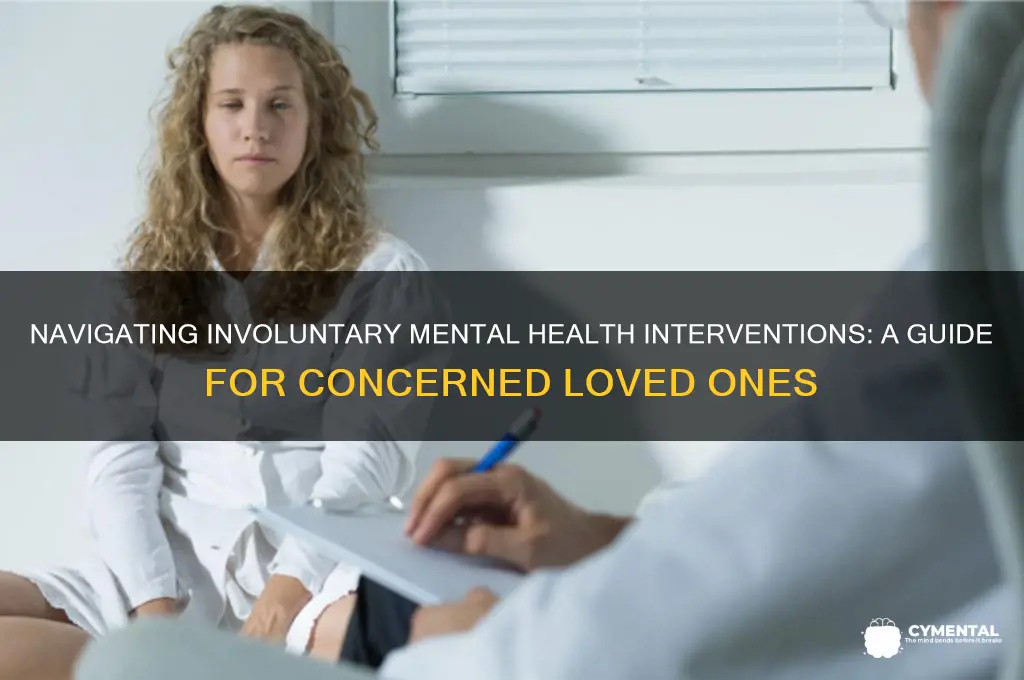
Addressing the issue of how to get someone mental health help against their will is a complex and sensitive topic that requires careful consideration of legal, ethical, and emotional factors. In many cases, individuals struggling with severe mental health issues may not recognize the need for treatment, making it challenging for concerned loved ones to intervene. While the process varies by jurisdiction, it often involves seeking legal avenues such as involuntary commitment or guardianship, which typically require evidence of the person posing a danger to themselves or others. It is crucial to approach this situation with empathy, consulting mental health professionals and legal experts to ensure the individual receives appropriate care while respecting their rights and dignity. Balancing the need for intervention with compassion is essential to fostering trust and long-term recovery.
Explore related products


What You'll Learn
- Legal Criteria: Understand laws for involuntary commitment, varying by region and severity of mental health risk
- Emergency Intervention: Contact crisis teams or authorities if immediate danger to self/others is evident
- Document Behavior: Record patterns of harmful actions to support case for involuntary treatment
- Family/Legal Advocacy: Involve family or legal advocates to petition for court-ordered mental health evaluation
- Post-Intervention Support: Plan follow-up care and resources to ensure long-term mental health stability

Legal Criteria: Understand laws for involuntary commitment, varying by region and severity of mental health risk
Involuntary commitment laws are a patchwork of statutes and regulations that differ dramatically across regions, reflecting local values, healthcare infrastructure, and legal traditions. In the United States, for instance, each state defines its own criteria for when a person can be hospitalized or treated without consent. California requires a "grave disability" or danger to self/others, while New York mandates a narrower "imminent risk" of harm. In contrast, the UK’s Mental Health Act 1983 permits detention under specific sections (e.g., Section 2 for assessment, Section 3 for treatment), with additional safeguards like independent approvals. Understanding these regional nuances is critical, as missteps can render actions legally invalid or ethically questionable.
The severity of mental health risk acts as a sliding scale in these laws, dictating the level of intervention permitted. In many jurisdictions, lesser risks may trigger outpatient treatment orders (e.g., New York’s Assisted Outpatient Treatment program), while higher risks justify inpatient commitment. For example, a person exhibiting suicidal ideation with a plan might meet criteria in some areas, whereas mere neglect of basic needs (e.g., eating, hygiene) may not unless paired with other factors. Courts often require clear evidence of recent behavior, such as documented threats or self-harm attempts, to justify overriding autonomy. This tiered approach balances individual rights with public safety but demands careful documentation and advocacy.
Navigating these laws requires a dual focus: legal compliance and practical strategy. Start by identifying the specific statute in your region (e.g., Florida’s Baker Act, Texas’s Emergency Apprehension Warrant). Gather evidence methodically—police reports, medical records, witness statements—to demonstrate the severity of risk. Engage professionals early; in many places, only licensed clinicians or law enforcement can initiate proceedings. Be prepared for timelines that vary widely: emergency holds may last 72 hours, while long-term commitments require court hearings within 14–30 days. Pro bono legal aid organizations can provide guidance, especially in cases where family resources are limited.
A cautionary note: involuntary commitment is a last resort, fraught with ethical and emotional complexities. Even where legal, it can strain relationships and traumatize the individual. Alternatives like crisis intervention teams, peer support, or voluntary treatment agreements should be exhausted first. In regions with stricter laws, such as Germany’s emphasis on patient consent, involuntary measures are rare and tightly regulated. Always weigh the potential benefits against the harm of coercion, ensuring actions align with both legal mandates and the person’s long-term well-being.
The Power of Friendship: Boosting Mental Health and Well-being
You may want to see also
Explore related products




Emergency Intervention: Contact crisis teams or authorities if immediate danger to self/others is evident
In situations where an individual poses an immediate threat to themselves or others due to a mental health crisis, emergency intervention becomes a critical and often necessary step. This is not about overstepping boundaries but about preventing irreversible harm. Recognizing the signs of such a crisis—such as explicit suicidal statements, violent behavior, or severe psychotic episodes—is the first step. Once identified, contacting crisis teams or local authorities is not just an option; it’s a responsibility. These professionals are trained to assess the situation swiftly and provide the appropriate level of care, whether it’s hospitalization, medication, or immediate counseling.
The process of involving crisis teams or authorities typically begins with a call to emergency services (e.g., 911 in the U.S.) or a dedicated mental health crisis hotline. When making the call, remain calm and provide clear, concise details: the individual’s location, the nature of the threat, and any relevant medical or psychiatric history. For example, mentioning a history of schizophrenia or a recent suicide attempt can help responders tailor their approach. Be prepared to stay on the line for instructions, as operators may guide you on how to de-escalate the situation until help arrives. Remember, the goal is to ensure safety, not to punish or control the individual.
One common concern is the involuntary nature of this intervention, which can feel like a violation of autonomy. However, laws in many jurisdictions, such as the U.S.’s 5150 hold in California or the Mental Health Act in the UK, allow for temporary detention and evaluation if a person is deemed a danger to themselves or others. This legal framework ensures that intervention is not arbitrary but based on clear criteria. For instance, a person actively attempting self-harm or threatening others with a weapon would meet these criteria. Understanding these laws can alleviate hesitation and reinforce the legitimacy of your actions.
Practical tips for handling such emergencies include keeping a list of local crisis numbers readily available, knowing the individual’s triggers if possible, and maintaining a safe distance if the situation escalates. Avoid arguing or dismissing their feelings, as this can exacerbate the crisis. Instead, use a calm, empathetic tone to communicate your concern. After the immediate danger is addressed, follow-up support is crucial. This might involve connecting the individual with long-term mental health resources, such as outpatient therapy or support groups, to prevent future crises.
In conclusion, emergency intervention is a last resort but a vital one when lives are at stake. It requires quick thinking, empathy, and a clear understanding of available resources. By acting decisively and responsibly, you can help bridge the gap between crisis and care, potentially saving a life in the process.
Animals as Healers: Their Role in Improving Mental Health
You may want to see also
Explore related products


Document Behavior: Record patterns of harmful actions to support case for involuntary treatment
In cases where involuntary mental health treatment is being considered, documentation becomes a critical tool. It’s not enough to observe erratic behavior; patterns must be systematically recorded to demonstrate a consistent risk to self or others. Start by noting specific incidents: dates, times, locations, and actions taken. For example, if the individual has self-harmed, document the method, severity, and any medical intervention required. Include witness statements or corroborating evidence, such as photos of injuries or damaged property. This level of detail transforms subjective concern into objective evidence, strengthening the case for intervention.
Analyzing the documented behavior reveals underlying trends that may not be immediately apparent. Look for recurring triggers, such as specific stressors or times of day when incidents occur. For instance, a pattern of aggressive outbursts during evenings might suggest a correlation with substance use or medication non-compliance. Similarly, frequent hospitalizations for suicidal ideation could indicate a chronic risk that voluntary treatment has failed to address. By identifying these trends, you can argue that the individual’s condition is deteriorating despite available support, making involuntary treatment a necessary step.
Persuasive documentation requires more than a list of incidents; it must tell a story of escalating risk. Use clear, concise language to describe how each event contributes to a broader pattern of harm. For example, instead of simply stating, “They threatened suicide,” write, “On [date], the individual sent a text message stating, ‘I can’t do this anymore,’ and was found with a collection of pills, requiring emergency intervention.” This narrative approach makes the case more compelling to legal or medical authorities, who need to see a coherent justification for overriding someone’s autonomy.
Practical tips for effective documentation include using a standardized format to ensure consistency. Create a log with columns for date, time, behavior observed, witnesses, and actions taken. Keep the log secure but accessible, as it may need to be shared with professionals. Avoid emotional language or judgment; stick to facts. For instance, instead of writing, “They were acting crazy,” note, “The individual broke a window and shouted threats at neighbors.” Finally, update the log regularly, even if no incidents occur, to demonstrate ongoing monitoring and engagement. This diligence not only supports the case for involuntary treatment but also shows a commitment to the individual’s well-being.
Yoga's Transformative Power: Enhancing Mental Health and Well-being Naturally
You may want to see also
Explore related products
$10.99 $18.99




Family/Legal Advocacy: Involve family or legal advocates to petition for court-ordered mental health evaluation
In cases where an individual’s mental health deteriorates to the point of posing a danger to themselves or others, family members or legal advocates may petition the court for a mental health evaluation. This process, often referred to as an involuntary commitment or emergency custody order, varies by jurisdiction but typically requires evidence of severe impairment. For instance, in California, the Lanterman-Petris-Short (LPS) Act mandates that individuals must be "gravely disabled" or a danger to themselves or others to qualify. Similarly, in New York, a family member or physician can file a petition under Article 9 of the Mental Hygiene Law, triggering a court hearing within 5 days. Understanding these legal frameworks is the first step in navigating this complex process.
The petition itself must be detailed and compelling, supported by specific examples of the individual’s behavior that demonstrate their inability to care for themselves or their threat to public safety. For example, documenting instances of self-harm, neglect of basic needs, or violent outbursts can strengthen the case. Legal advocates, such as attorneys specializing in mental health law, can assist in drafting the petition and representing the petitioner in court. In some states, guardians ad litem may be appointed to protect the rights of the individual during the proceedings. It’s crucial to approach this step with empathy, recognizing the emotional toll it takes on all parties involved.
Once the petition is filed, the court will schedule a hearing to determine whether the individual meets the criteria for involuntary evaluation or treatment. During this hearing, mental health professionals may testify to provide clinical insights. If the court grants the petition, the individual will typically be transported to a designated facility for a 72-hour hold (duration varies by state) to assess their condition. This evaluation may lead to short-term treatment, outpatient care, or long-term commitment, depending on the findings. Family members should prepare for this phase by gathering relevant medical records and being ready to participate in treatment planning discussions.
While this process can be a lifeline for those in crisis, it is not without ethical and practical challenges. Involuntary commitment raises questions about autonomy and the potential for misuse. Family members must weigh the urgency of the situation against the individual’s rights, often requiring difficult conversations and careful consideration. Additionally, the financial burden of legal fees and treatment costs can be significant, though some states offer public assistance for such cases. Balancing compassion with legal action is key to ensuring the best possible outcome for the individual and their loved ones.
Positivity's Power: Transforming Mental Health and Enhancing Daily Life
You may want to see also
Explore related products


Post-Intervention Support: Plan follow-up care and resources to ensure long-term mental health stability
Securing involuntary mental health treatment is only the beginning. Without robust post-intervention support, the risk of relapse or disengagement remains high. A structured follow-up plan, tailored to the individual’s needs, is critical for sustaining progress and fostering long-term stability. This involves a multi-faceted approach that addresses medical, social, and environmental factors, ensuring continuity of care beyond the initial crisis.
Step 1: Establish a Comprehensive Aftercare Plan
Within 72 hours of the intervention, collaborate with mental health professionals to outline a detailed aftercare strategy. This should include medication management (e.g., antipsychotics like olanzapine 10–20 mg/day for schizophrenia, adjusted by a psychiatrist), therapy sessions (CBT or DBT at least weekly), and crisis response protocols. For individuals under 18, involve parents or guardians in creating a structured daily routine that incorporates school, therapy, and family support. For adults, focus on vocational training or supported employment programs to rebuild independence.
Cautions and Considerations
Avoid overloading the individual with too many changes at once. Gradual integration of resources, such as peer support groups or outpatient programs, can prevent overwhelm. Be mindful of legal and ethical boundaries; ensure all follow-up care complies with local involuntary treatment laws and respects the individual’s autonomy as they stabilize. For example, in California, a 5150 hold (involuntary psychiatric hold) requires a post-release plan, but the individual’s consent is needed for ongoing treatment unless a conservator is appointed.
Leverage Community Resources
Connect the individual with community-based services like case management, housing assistance, or substance abuse programs if co-occurring disorders are present. For instance, organizations like NAMI (National Alliance on Mental Illness) offer free family support groups and education programs. Mobile crisis teams can provide in-home check-ins for high-risk individuals, reducing the likelihood of hospitalization recurrence.
Monitor Progress and Adjust as Needed
Regularly assess the effectiveness of the aftercare plan through monthly reviews with the treatment team. Use measurable outcomes, such as reduced hospitalization frequency or improved social functioning, to guide adjustments. For example, if a 25-year-old with bipolar disorder struggles with medication adherence, consider long-acting injectables (e.g., aripiprazole lauroxil 441 mg every 4–6 weeks) to ensure consistency.
Empower Through Education and Advocacy
Involve the individual in their care planning as soon as they are receptive. Teach them to recognize early warning signs of relapse and provide tools like mood tracking apps or wellness recovery action plans (WRAP). Advocate for their rights by ensuring they understand their diagnosis, treatment options, and legal protections. This shift from coercion to collaboration is key to fostering self-efficacy and long-term recovery.
By prioritizing post-intervention support, you transform a forced intervention into a foundation for lasting mental health stability. The goal is not just crisis resolution but sustained wellness, achieved through proactive, personalized, and compassionate care.
Prisoner Mental Health Support: Accessing Care Behind Bars
You may want to see also
Frequently asked questions
In most cases, you cannot force someone to receive mental health treatment against their will unless they meet specific legal criteria, such as being an immediate danger to themselves or others, or being unable to care for themselves due to severe mental illness. Laws vary by jurisdiction, so consult local legal or mental health professionals for guidance.
You can encourage open communication, express concern without judgment, and offer to help them find a therapist or resources. If the situation is severe, contact a mental health professional or crisis hotline for advice. In extreme cases, you may need to involve emergency services or pursue legal options like involuntary commitment, but this should be a last resort.
Involuntary commitment is a legal process where a person is admitted to a mental health facility against their will. It is typically reserved for situations where the individual poses a serious risk of harm to themselves or others, or is unable to care for themselves due to severe mental illness. The process requires evidence and approval from a court or mental health professional.