Madison Cole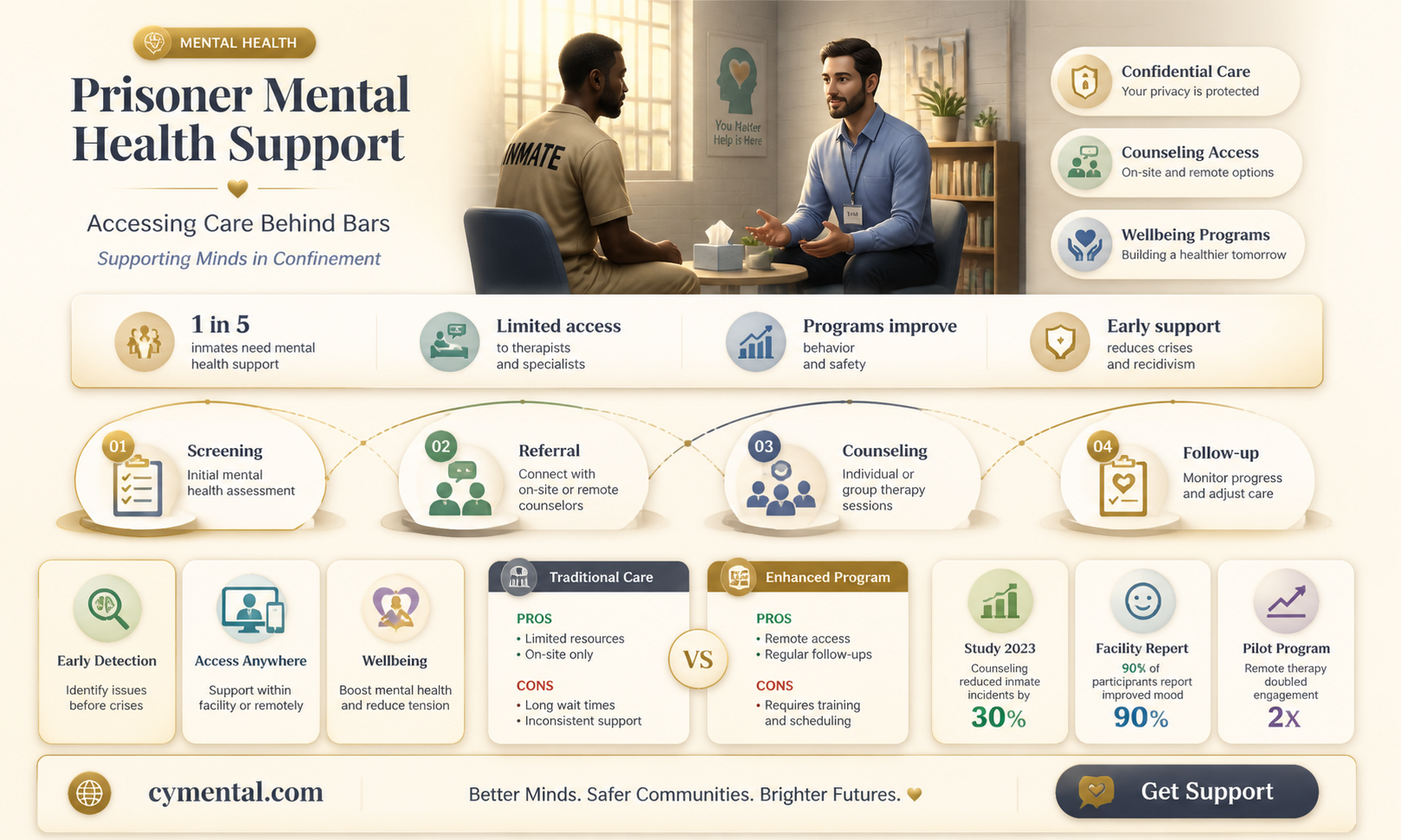
Prisoners, like all individuals, are entitled to mental health care, yet access to adequate support within correctional facilities remains a significant challenge. Despite legal mandates and ethical obligations, many incarcerated individuals face barriers such as limited resources, overburdened systems, and stigma, which often prevent them from receiving timely and effective treatment. Mental health issues are disproportionately prevalent among prisoners, exacerbated by the stresses of confinement, trauma, and pre-existing conditions. While some facilities offer counseling, medication, and therapy programs, these services are frequently underfunded and inconsistent, leaving many prisoners without the help they need. Addressing this gap requires systemic reforms, increased funding, and a shift in societal attitudes to prioritize the mental well-being of those behind bars.
Explore related products


What You'll Learn
- Access to Therapy: Availability of counseling and psychotherapy services within correctional facilities for inmates
- Medication Management: Provision and monitoring of psychiatric medications for prisoners with mental health conditions
- Crisis Intervention: Immediate support and de-escalation strategies for inmates experiencing acute mental health crises
- Rehabilitation Programs: Mental health-focused programs aimed at reducing recidivism and improving post-release outcomes
- Staff Training: Equipping correctional officers with skills to identify and respond to mental health issues

Access to Therapy: Availability of counseling and psychotherapy services within correctional facilities for inmates
Prisoners face unique barriers to mental health care, yet access to therapy within correctional facilities is a critical component of rehabilitation and public safety. According to the Bureau of Justice Statistics, over 40% of inmates in state and federal prisons report having a history of mental health problems, a rate significantly higher than the general population. Despite this need, the availability of counseling and psychotherapy services remains inconsistent and often inadequate. Many facilities offer only basic crisis intervention, leaving long-term therapeutic interventions scarce. This disparity highlights a systemic issue: while prisons are mandated to provide medical care, mental health services are frequently deprioritized due to resource constraints and stigma.
To address this gap, correctional facilities must adopt structured therapy programs tailored to the inmate population. Cognitive Behavioral Therapy (CBT), for instance, has proven effective in reducing recidivism and improving emotional regulation among prisoners. A study published in *Psychological Services* found that inmates who participated in 12–16 sessions of CBT showed a 25% decrease in disciplinary incidents compared to a control group. Implementing such programs requires trained professionals, yet many prisons struggle to attract and retain licensed therapists due to low wages and challenging work environments. One practical solution is integrating telehealth services, which can connect inmates with remote therapists, bypassing geographical and staffing limitations.
However, the mere presence of therapy services is insufficient without addressing underlying systemic issues. Inmates often face skepticism from staff and peers, deterring them from seeking help. Correctional facilities must foster a culture of trust by training officers in mental health first aid and destigmatizing therapy participation. Additionally, group therapy sessions can provide a supportive environment, allowing inmates to share experiences and build coping skills collectively. For example, peer-led programs, such as those modeled after the *Seeking Safety* curriculum, have shown promise in addressing trauma and substance abuse among incarcerated individuals.
A comparative analysis reveals that facilities prioritizing mental health services experience lower rates of self-harm and violence. In Norway, where prisons emphasize rehabilitation over punishment, inmates receive regular access to psychotherapy, resulting in a recidivism rate of just 20%. While cultural and legal differences exist, U.S. correctional systems can adopt similar principles by allocating more funding to mental health initiatives and partnering with community organizations. Policymakers must recognize that investing in therapy is not just a moral imperative but a cost-effective strategy, as untreated mental illness often leads to prolonged incarceration and increased societal burden.
In conclusion, expanding access to counseling and psychotherapy within prisons requires a multifaceted approach. Facilities must implement evidence-based therapies, address staffing shortages through innovative solutions like telehealth, and cultivate an environment that encourages participation. By doing so, they can improve inmate well-being, reduce institutional conflicts, and ultimately contribute to safer communities. The question is not whether prisoners deserve mental health care, but how quickly and effectively we can deliver it.
Seeking Support: A Guide to Asking for Mental Health Help
You may want to see also
Explore related products


Medication Management: Provision and monitoring of psychiatric medications for prisoners with mental health conditions
Prisoners with mental health conditions often require psychiatric medications as part of their treatment plan, but the unique challenges of correctional environments complicate medication management. Unlike in the community, where patients can self-administer medications under minimal supervision, prisons must balance therapeutic needs with security concerns. This dual responsibility necessitates structured protocols for medication provision and monitoring, ensuring both efficacy and safety within the confines of a controlled setting.
Steps in Medication Provision:
- Assessment and Prescription: Mental health professionals conduct thorough evaluations to diagnose conditions and prescribe appropriate medications. For example, a prisoner with schizophrenia might be prescribed antipsychotics like quetiapine (25–800 mg/day) or olanzapine (5–20 mg/day), depending on symptom severity and response.
- Dispensing Protocols: Medications are typically dispensed by correctional health staff in supervised doses to prevent misuse or diversion. This often involves "pill lines," where prisoners receive their medications directly from nurses at designated times.
- Formulary Restrictions: Prisons often limit medications to a formulary of cost-effective, easily monitored drugs. For instance, long-acting injectable antipsychotics (e.g., aripiprazole lauroxil) may be preferred over daily oral medications to reduce non-adherence and administrative burden.
Cautions in Monitoring:
Prisoners may face barriers to effective medication monitoring, such as limited access to mental health professionals or reluctance to report side effects due to fear of stigma. Common side effects, like akathisia from antipsychotics or sedation from antidepressants, require prompt attention to avoid exacerbating distress. Additionally, the risk of self-harm or aggression necessitates close observation during medication adjustments, particularly in the first weeks of treatment.
Practical Tips for Implementation:
- Individualized Treatment Plans: Tailor medication regimens to the prisoner’s history, condition, and response. For example, older prisoners (over 65) may require lower doses of SSRIs to mitigate risks like falls or serotonin syndrome.
- Regular Follow-Ups: Schedule frequent check-ins to assess medication efficacy and side effects. A prisoner on lithium for bipolar disorder, for instance, should have regular blood tests to monitor levels (target range: 0.6–1.2 mEq/L).
- Staff Training: Correctional officers and health staff should be trained to recognize signs of medication non-adherence or adverse reactions, such as sudden agitation or withdrawal.
- Confidentiality and Trust: Ensure prisoners feel safe discussing their mental health. Confidentiality breaches can deter reporting of side effects or worsening symptoms.
Effective medication management in prisons requires a delicate balance between security protocols and therapeutic care. By implementing structured dispensing, vigilant monitoring, and individualized treatment, correctional facilities can address the mental health needs of prisoners while mitigating risks. This approach not only improves outcomes for individuals but also contributes to a safer and more stable prison environment.
Seeking Support: A Guide to Asking for Mental Health Assistance
You may want to see also
Explore related products


Crisis Intervention: Immediate support and de-escalation strategies for inmates experiencing acute mental health crises
In the high-stress environment of correctional facilities, inmates experiencing acute mental health crises require immediate, targeted interventions to prevent harm to themselves or others. Crisis intervention in prisons must balance security protocols with compassionate, evidence-based de-escalation strategies. The first step is recognizing the signs of a crisis: agitation, disorientation, self-harm threats, or sudden withdrawal. Staff trained in mental health first aid can initiate a response by calmly engaging the inmate, using non-threatening language and maintaining a safe distance to avoid triggering defensive behaviors.
Effective de-escalation relies on active listening and empathy. Correctional officers should acknowledge the inmate’s distress, validate their emotions, and offer reassurance without judgment. For example, phrases like, “I see you’re upset, and I’m here to help,” can create a sense of safety. If the inmate is verbally aggressive, staff should avoid power struggles and instead redirect the conversation toward problem-solving. In cases of severe agitation, a quiet, low-stimulus environment can help reduce sensory overload. However, if the inmate poses an immediate risk, temporary separation from others may be necessary, but this should be handled with care to avoid exacerbating fear or paranoia.
Medication can play a role in crisis intervention, but it must be administered judiciously. Short-acting anxiolytics like lorazepam (0.5–2 mg orally or IM) may be used for acute agitation, but only under medical supervision. The goal is to stabilize the inmate without over-sedation, which can be retraumatizing. Non-pharmacological approaches, such as guided breathing exercises or sensory grounding techniques, should be prioritized whenever possible. For instance, asking the inmate to name five things they can see or touch can help them reconnect with reality during a dissociative episode.
A critical component of crisis intervention is the involvement of mental health professionals. Correctional facilities should have 24/7 access to psychiatrists, psychologists, or crisis counselors who can assess the inmate’s needs and develop a safety plan. This plan might include short-term monitoring, therapy sessions, or adjustments to the inmate’s housing or routine. Post-crisis, a debriefing session can help the inmate process the event and identify triggers to prevent future episodes. Staff should also document the incident thoroughly, noting what worked during de-escalation to inform future responses.
Finally, prevention is as important as intervention. Prisons must invest in ongoing mental health screenings, particularly for inmates with pre-existing conditions or trauma histories. Peer support programs, where trained inmates assist those in distress, can provide early intervention and reduce stigma. By combining proactive measures with skilled crisis management, correctional facilities can ensure that inmates in acute mental health crises receive the immediate support they need while maintaining safety and dignity.
Mental Health Classes: Empowering Students for Emotional Resilience and Success
You may want to see also
Explore related products


Rehabilitation Programs: Mental health-focused programs aimed at reducing recidivism and improving post-release outcomes
Prisoners with mental health issues often face significant challenges upon release, including a higher risk of recidivism due to untreated conditions. Rehabilitation programs focused on mental health aim to address these challenges by providing targeted interventions that foster stability and self-sufficiency. For instance, cognitive-behavioral therapy (CBT) has proven effective in reducing reoffending rates by 20-25% among participants, according to a meta-analysis by the Cochrane Collaboration. These programs typically include structured sessions, often 12-16 weeks long, designed to modify harmful thought patterns and behaviors. By integrating such evidence-based therapies, correctional facilities can equip individuals with the tools needed to navigate post-release life successfully.
One critical component of mental health-focused rehabilitation is the inclusion of trauma-informed care. Many incarcerated individuals have experienced significant trauma, which often underlies their mental health struggles and criminal behavior. Programs like Seeking Safety, a present-focused therapy model, are tailored to address trauma without requiring participants to disclose traumatic experiences. Delivered in 8-12 sessions, this approach helps individuals manage symptoms of PTSD, anxiety, and depression, which are prevalent in prison populations. By creating a safe and supportive environment, these programs encourage emotional healing and reduce the likelihood of reoffending.
Another innovative strategy is the incorporation of peer support within rehabilitation programs. Peer specialists, often individuals with lived experience of incarceration and mental health recovery, provide mentorship and guidance to participants. This model, exemplified by initiatives like the Peer Recovery Support Program, fosters a sense of community and accountability. Peer specialists lead group discussions, assist with goal-setting, and offer practical advice on navigating post-release challenges. Studies show that peer-supported programs increase engagement and improve outcomes, with participants reporting higher levels of hope and self-efficacy.
To maximize the impact of these programs, collaboration between correctional facilities, mental health providers, and community organizations is essential. Post-release continuity of care is often disrupted due to gaps in service coordination, leading to relapse and recidivism. Programs like the Transitions Clinic Network address this by providing seamless care coordination, linking individuals to housing, employment, and mental health services upon release. Such integrated approaches ensure that progress made during incarceration is sustained in the community, ultimately reducing recidivism and promoting long-term recovery.
Despite their potential, mental health-focused rehabilitation programs face challenges, including limited funding and stigma surrounding mental health in correctional settings. Advocates must push for increased investment in these initiatives, highlighting their cost-effectiveness compared to the societal costs of recidivism. For example, a study by the Urban Institute found that every dollar invested in prison education and rehabilitation programs saves five dollars in reincarceration costs. By prioritizing these programs, policymakers can transform the criminal justice system into a pathway for healing and reintegration, rather than a cycle of punishment and failure.
Strategies to Foster Mental Resilience and Prevent Psychological Disorders
You may want to see also
Explore related products


Staff Training: Equipping correctional officers with skills to identify and respond to mental health issues
Prisoners with mental health issues often face unique challenges, and correctional officers are frequently the first line of response. Yet, many officers lack the training to recognize symptoms or intervene effectively. This gap can lead to escalated crises, misuse of force, or missed opportunities for support. Staff training is not just a professional development tool—it’s a critical intervention that can transform the safety and well-being of both inmates and officers.
Effective training begins with scenario-based learning, where officers practice identifying mental health red flags in realistic prison contexts. For instance, a prisoner exhibiting sudden agitation, withdrawal, or self-harm tendencies requires a nuanced response. Officers should learn to differentiate between disciplinary issues and mental health crises. Role-playing exercises, such as de-escalation simulations, equip them with verbal techniques to calm distressed individuals. For example, using a calm tone, open-ended questions, and active listening can defuse tension before it escalates. Incorporating CBT (Cognitive Behavioral Therapy) principles into training helps officers understand how to challenge negative thought patterns in prisoners, fostering a more empathetic and constructive interaction.
However, training must go beyond theory. Practical tools like crisis intervention team (CIT) protocols provide step-by-step guidance for handling emergencies. Officers should know when to involve mental health professionals and how to document incidents without stigmatizing the prisoner. For instance, using non-judgmental language in reports, such as “the individual expressed suicidal thoughts” instead of “the inmate threatened self-harm,” can reduce bias and ensure appropriate follow-up care. Additionally, officers should be trained in trauma-informed care, recognizing that many prisoners have histories of trauma that may trigger their behavior. This approach shifts the focus from punishment to understanding, reducing the risk of retraumatization.
A common pitfall in staff training is overlooking self-care for officers. The stress of working in correctional environments can lead to burnout, impairing their ability to respond effectively to mental health crises. Training should include modules on stress management, resilience-building, and peer support systems. For example, officers can be taught mindfulness techniques to stay grounded during high-pressure situations or encouraged to participate in regular debriefings after critical incidents. By prioritizing their own mental health, officers can model healthy coping strategies for prisoners and maintain their effectiveness on the job.
Ultimately, investing in comprehensive staff training is not just a moral imperative—it’s a strategic one. Prisons with well-trained officers report fewer incidents of violence, reduced recidivism rates, and improved rehabilitation outcomes. For instance, a study in a Texas correctional facility found that after implementing CIT training, use-of-force incidents decreased by 28%, and referrals to mental health services increased by 40%. Such data underscores the transformative potential of equipping officers with the right skills. By bridging the gap between security and care, staff training ensures that prisoners receive the mental health support they need while fostering a safer environment for everyone involved.
Are Mental Institutions Truly Helpful? Exploring Their Impact and Effectiveness
You may want to see also
Frequently asked questions
Yes, prisoners can access mental health services, including therapy, counseling, and medication, as mandated by law. Most correctional facilities have mental health professionals on staff or contracted to provide care.
Prisoners can receive help for a range of mental health issues, including depression, anxiety, PTSD, bipolar disorder, schizophrenia, and substance abuse disorders.
A prisoner can request mental health assistance by informing prison staff, submitting a written request, or speaking with a medical or mental health professional during routine check-ups.
Mental health services in prison are generally confidential, but there may be limits to privacy in certain situations, such as when there is a risk of harm to the prisoner or others. Staff must balance confidentiality with safety and security concerns.