Noah Parker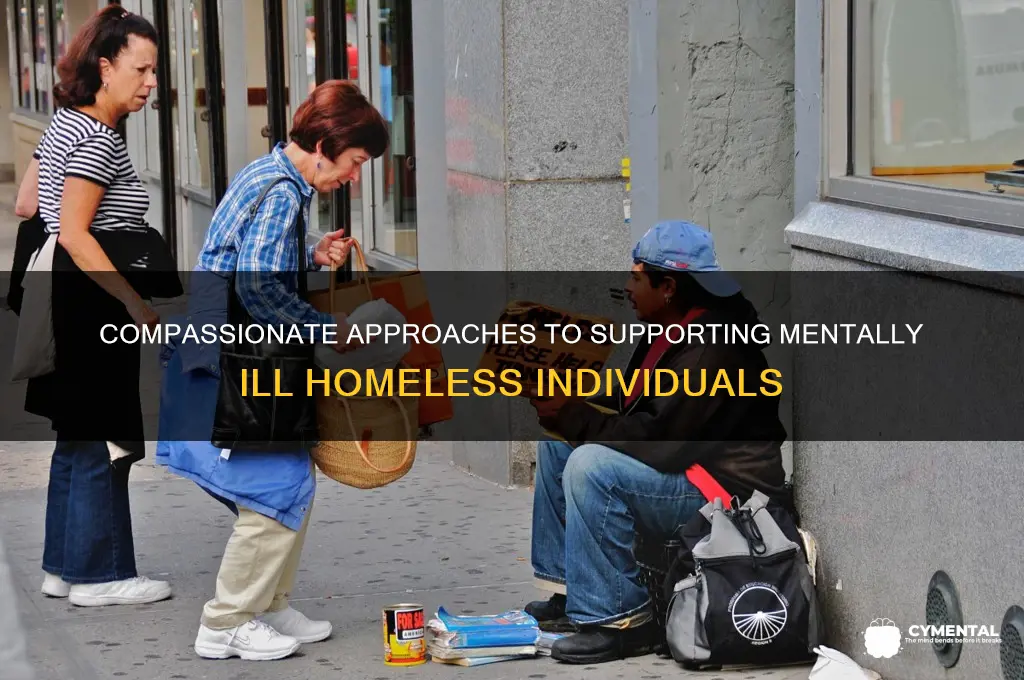
Helping a mentally ill homeless person requires compassion, understanding, and a thoughtful approach. Many individuals experiencing homelessness face complex challenges, including severe mental health issues, lack of access to resources, and social isolation. To assist effectively, start by acknowledging their humanity and treating them with dignity and respect. Approach them calmly and non-judgmentally, offering immediate support such as food, water, or a warm blanket. Encourage them to connect with local shelters, mental health services, or outreach programs that specialize in homelessness and mental health. If they are in crisis or pose a danger to themselves or others, contact emergency services or crisis intervention teams trained to handle such situations. Above all, avoid enabling harmful behaviors and focus on empowering them to access long-term care and stability. Small acts of kindness and advocacy can make a significant difference in their lives.
Explore related products

$8.45 $25.99


What You'll Learn
- Approach with Empathy: Use kind, non-judgmental language to build trust and show genuine care
- Offer Immediate Resources: Provide food, water, blankets, or hygiene kits to meet basic needs
- Connect to Services: Share info on shelters, mental health clinics, or outreach programs
- Encourage Professional Help: Gently suggest therapy, medication, or crisis intervention services
- Stay Consistent: Regular check-ins and small acts of kindness can make a big difference

Approach with Empathy: Use kind, non-judgmental language to build trust and show genuine care
Mentally ill homeless individuals often face stigma and isolation, making empathetic communication a critical first step in offering help. Using kind, non-judgmental language signals that you see them as human beings deserving of respect, not as problems to be solved. Start by acknowledging their presence with a simple greeting like, "Hello, how are you today?" or "I hope you’re doing okay." Avoid phrases that imply blame or pity, such as "What happened to you?" or "You need to get help." Instead, focus on creating a safe space where they feel heard and valued.
Consider the power of active listening in building trust. When engaging with a mentally ill homeless person, resist the urge to offer quick solutions or advice. Instead, ask open-ended questions like, "What’s been on your mind lately?" or "How can I support you right now?" This shows that you’re genuinely interested in their perspective, not just their circumstances. For example, if they mention feeling overwhelmed by their situation, respond with empathy: "That sounds really difficult. I can’t imagine how hard that must be." Such responses validate their experiences and foster a sense of connection.
Practical tips can enhance your empathetic approach. Maintain eye contact (if culturally appropriate) and use a calm, steady tone of voice. Avoid rushing the conversation; give them time to process and respond. If they seem hesitant to engage, offer small gestures of kindness, like a bottle of water or a snack, without attaching conditions. For instance, say, "I have an extra granola bar—would you like it?" rather than, "Here, take this because you look hungry." These actions demonstrate care without reinforcing stereotypes or assumptions.
A comparative analysis reveals the impact of empathetic language versus judgmental remarks. Studies show that individuals experiencing homelessness are more likely to accept assistance when approached with dignity and respect. For example, a person struggling with schizophrenia might withdraw if told, "You’re scaring people," but may open up if you say, "I notice you seem upset. Is there something I can do to help?" The former exacerbates shame, while the latter encourages trust. This highlights the importance of choosing words that build bridges, not barriers.
In conclusion, approaching a mentally ill homeless person with empathy requires intentionality and mindfulness. By using kind, non-judgmental language, actively listening, and offering practical gestures of care, you can create a foundation of trust. Remember, the goal isn’t to "fix" their situation but to show that they matter. Small, thoughtful interactions can make a significant difference in their day—and potentially open doors to further support when they’re ready.
Understanding Mental Disorders: Enhancing Empathy and Effectiveness in Teaching
You may want to see also
Explore related products


Offer Immediate Resources: Provide food, water, blankets, or hygiene kits to meet basic needs
Meeting basic needs is the first step in building trust and offering meaningful support to a mentally ill homeless person. Without food, water, or shelter, their ability to engage with long-term solutions like mental health services or housing programs becomes nearly impossible. Providing these immediate resources isn’t just about physical survival—it’s about creating a foundation for further interaction and care. A bottle of water, a warm meal, or a clean blanket can signal that someone cares, opening the door for deeper conversations and connections.
Consider the practicalities of assembling a hygiene kit tailored to their needs. Include items like travel-sized toothpaste, a toothbrush, wet wipes, a small towel, hand sanitizer, and a comb. For women, add feminine hygiene products. For those with sensitive skin, opt for fragrance-free, hypoallergenic products. Keep the kit compact and portable, as bulky items may be difficult to carry. Pairing a hygiene kit with a warm meal or a bottle of water increases its usefulness and shows a holistic approach to their well-being.
Blankets and clothing are critical, especially in harsh weather. A waterproof, lightweight blanket is ideal for year-round use, while thermal socks and gloves are essential in colder climates. Avoid items that require special care, like dry-clean-only clothing, as access to laundry facilities is limited. Instead, choose durable, easy-to-wash fabrics. If possible, offer choices—a simple act of autonomy, like selecting between a blue or gray blanket, can restore a sense of dignity often stripped by homelessness.
Food should be nutritious, non-perishable, and easy to consume. Think protein bars, canned goods with pop-top lids, dried fruits, or nuts. Avoid items requiring preparation or utensils, as access to a kitchen or tools may be limited. For those with dietary restrictions, ask about allergies or preferences before offering. Pairing food with a reusable water bottle filled with clean water addresses both hunger and hydration, two immediate concerns for anyone living on the streets.
Finally, remember that offering resources is an act of compassion, not a transaction. Approach the interaction with respect and without judgment. A kind word or a moment of genuine listening can be as valuable as the items you provide. By meeting their basic needs, you not only alleviate immediate suffering but also create opportunities for trust and future support. Small gestures, when done thoughtfully, can have a profound impact on someone’s life.
Supporting Adult Children: Navigating Mental Health Care Options and Resources
You may want to see also
Explore related products




Connect to Services: Share info on shelters, mental health clinics, or outreach programs
Connecting a mentally ill homeless person to essential services can be a lifeline, offering immediate relief and a pathway to long-term stability. Start by identifying local shelters that cater specifically to individuals with mental health challenges. Many shelters have case managers who can provide personalized support, including access to medication, therapy, and housing assistance. For instance, the PATH (Projects for Assistance in Transition from Homelessness) program, funded by the U.S. Department of Housing and Urban Development, pairs outreach workers with homeless individuals to connect them to treatment and housing services. Carry a list of these resources, including addresses, phone numbers, and operating hours, to share directly with the person in need.
Mental health clinics often serve as a critical bridge between crisis and recovery. Community mental health centers, such as those funded by state or federal grants, offer sliding-scale fees or free services for uninsured individuals. When sharing this information, emphasize that these clinics provide more than just therapy—they often include medication management, group support, and referrals to other social services. For example, clinics like the Assertive Community Treatment (ACT) teams specialize in serving individuals with severe mental illness who are homeless or at risk of becoming homeless. Encourage the person to visit during walk-in hours, if available, and offer to accompany them if they feel more comfortable with support.
Outreach programs play a unique role in breaking down barriers to care by meeting individuals where they are—literally. Mobile crisis units, street outreach teams, and drop-in centers are designed to engage people who might otherwise avoid traditional services. Programs like the Homeless Outreach and Mobile Engagement (HOME) teams in cities like Los Angeles provide on-the-spot assessments, immediate needs like food and hygiene kits, and connections to longer-term resources. When sharing information about these programs, highlight their non-judgmental approach and flexibility. For instance, explain that outreach workers often build trust over time, starting with small conversations and gradually introducing the idea of more structured support.
Practical tips can make a significant difference in how effectively this information is used. First, ensure the person has a way to keep the resources—a printed list, a saved note on a phone, or even a laminated card. Second, be mindful of the person’s current state; if they’re in crisis, focus on immediate help like a crisis hotline (e.g., the National Alliance on Mental Illness Helpline at 1-800-950-NAMI) before discussing long-term options. Finally, follow up if possible. A simple check-in can reinforce trust and remind them that support is ongoing. By sharing this information thoughtfully and persistently, you can help bridge the gap between desperation and hope for a mentally ill homeless person.
Mental Health Medication: Effective for Co-Occurring Disorders?
You may want to see also
Explore related products


Encourage Professional Help: Gently suggest therapy, medication, or crisis intervention services
Mental health challenges among the homeless often go untreated, exacerbating their struggles with housing, safety, and stability. Encouraging professional help can be a lifeline, but it requires sensitivity and understanding. Start by acknowledging their autonomy—suggesting therapy, medication, or crisis intervention services as options rather than mandates. For instance, phrases like, “I’ve heard about a program that helps with these challenges—would you be open to hearing more?” can open doors without coercion. This approach respects their agency while planting the seed of possibility.
Therapy, particularly cognitive-behavioral therapy (CBT), has proven effective for managing conditions like depression and anxiety, which are common among the homeless. However, accessibility is a barrier. Many cities offer mobile mental health units or drop-in clinics that provide free or low-cost sessions. If you’re aware of such resources, offer to accompany the individual to their first visit. This not only reduces anxiety but also demonstrates your commitment to their well-being. Remember, consistency is key—therapy often requires weeks or months to show results, so encourage patience and persistence.
Medication can be a contentious topic, often met with skepticism or fear. Educate gently by addressing common concerns, such as side effects or dependency. For example, antipsychotics like olanzapine or mood stabilizers like lithium are commonly prescribed for severe mental illnesses but require careful monitoring. Suggest starting with a low dose under medical supervision, emphasizing that medication is a tool, not a cure-all. If they’re open, offer to help locate clinics that provide psychiatric evaluations and medication management at no cost.
Crisis intervention services, such as hotlines or emergency psychiatric teams, are critical for immediate support during acute episodes. Keep a list of local 24-hour crisis lines (e.g., the National Alliance on Mental Illness Helpline) and share it discreetly. If the situation escalates, don’t hesitate to call a mobile crisis unit yourself—these teams are trained to de-escalate without resorting to law enforcement, which can be traumatic for the individual. Your role here is to act as a bridge, connecting them to professionals who can provide urgent care.
Encouraging professional help is a delicate balance of empathy and action. Avoid pushing too hard, as this can alienate the individual, but don’t underestimate the power of consistent, compassionate suggestions. Tailor your approach to their comfort level—some may prefer written information about services, while others might respond better to verbal conversations. Ultimately, your goal is to empower them to take the first step toward recovery, knowing that professional support can transform their lives in ways informal assistance cannot.
Art as Therapy: How Creativity Boosts Mental Well-Being
You may want to see also
Explore related products


Stay Consistent: Regular check-ins and small acts of kindness can make a big difference
Consistency is a cornerstone when supporting mentally ill homeless individuals, who often face erratic, isolating lives. Regular check-ins—whether daily, weekly, or bi-weekly—create a predictable rhythm in their otherwise chaotic world. These interactions don’t need to be lengthy; even a 5-minute conversation can signal that someone cares. For instance, a volunteer in Portland, Oregon, reported that a simple weekly visit to distribute socks and ask, “How are you holding up?” led to a homeless man with schizophrenia eventually accepting shelter assistance after months of consistent engagement. The key is reliability: show up when you say you will, even if the person doesn’t respond warmly at first.
Small acts of kindness, when repeated, build trust over time. Consider practical gestures like offering a reusable water bottle, a granola bar, or a prepaid phone card for emergencies. These items, while modest, demonstrate ongoing commitment. For example, a mental health outreach worker in Chicago found that leaving a small notebook and pen during visits allowed one woman with severe anxiety to jot down her thoughts, which later became a bridge to deeper conversations. The cumulative effect of such actions reassures individuals that they’re valued, not just a fleeting concern.
However, consistency requires boundaries to avoid burnout. Limit check-ins to 10–15 minutes unless the person explicitly invites longer interaction. Avoid over-promising resources you can’t deliver, as unmet expectations can erode trust. For instance, instead of saying, “I’ll get you housing,” try, “I’ll check on available shelters this week.” Similarly, if you’re part of a team, coordinate schedules to ensure coverage without overwhelming the individual. A study by the National Alliance on Mental Illness (NAMI) highlights that consistent, brief interactions are more effective than sporadic, lengthy ones in building rapport with this population.
Finally, measure success not by immediate outcomes but by incremental progress. A mentally ill homeless person may take months to open up or accept help. For example, a San Francisco-based program found that after six months of consistent outreach, 30% of participants began attending drop-in mental health clinics. The takeaway? Consistency isn’t about fixing someone’s life overnight but about planting seeds of hope through steady presence and small, thoughtful actions. Over time, these efforts can foster resilience and create pathways to more substantial support.
Finding Support: Where to Get Help for Depression and Healing
You may want to see also
Frequently asked questions
Approach calmly and respectfully, maintaining a safe distance. Use a friendly tone, introduce yourself, and ask if they need assistance. Avoid being intrusive or forceful, and respect their boundaries if they decline help.
Call local emergency services or a crisis hotline immediately. Provide clear details about the person’s location and condition. Do not attempt to intervene directly if it puts you or them at risk.
Research local shelters, clinics, or outreach programs that offer mental health services. Provide them with information or contact details, or offer to accompany them if they’re willing. Be patient, as trust takes time to build.
Offer essentials like food, water, or hygiene items. Encourage connection to social services or housing programs. Avoid giving money if it might contribute to substance abuse, and focus on long-term solutions instead.