Lucas Bennett
Helping a teenager with mental illness requires patience, understanding, and a proactive approach. Adolescence is a critical period marked by significant emotional, social, and biological changes, making teens particularly vulnerable to mental health challenges such as anxiety, depression, or stress. As a caregiver, it’s essential to create a safe, non-judgmental space for open communication, encouraging the teen to express their feelings without fear of criticism. Educating yourself about their specific condition, seeking professional guidance, and fostering a supportive environment can make a significant difference. Additionally, promoting healthy habits like regular exercise, balanced nutrition, and adequate sleep, while also respecting their need for autonomy, can help them navigate their struggles more effectively. Early intervention and consistent support are key to helping teenagers manage their mental health and build resilience for the future.
Explore related products

$7.97 $18.99




What You'll Learn
- Educate Yourself: Learn about their specific illness, symptoms, and effective coping strategies
- Open Communication: Create a safe, non-judgmental space for honest conversations
- Seek Professional Help: Connect with therapists, counselors, or support groups for expert guidance
- Encourage Healthy Habits: Promote sleep, nutrition, exercise, and mindfulness for overall well-being
- Be Patient & Supportive: Offer consistent emotional support without pressuring or blaming

Educate Yourself: Learn about their specific illness, symptoms, and effective coping strategies
Understanding the nuances of a teenager's mental illness is the first step toward providing meaningful support. Each mental health condition—whether it’s depression, anxiety, ADHD, or bipolar disorder—has distinct symptoms, triggers, and treatment pathways. For instance, while depression may manifest as persistent sadness or withdrawal, ADHD often involves impulsivity and difficulty focusing. Educating yourself on these specifics allows you to recognize patterns, validate their experiences, and avoid misinterpretations that could lead to frustration or disconnection. Start by consulting reputable sources like the National Institute of Mental Health (NIMH) or the American Psychological Association (APA) to ensure accuracy.
Once you grasp the illness itself, delve into its symptoms and how they uniquely affect your teenager. A 15-year-old with generalized anxiety disorder might struggle with sleep, while a 17-year-old with OCD could face intrusive thoughts that disrupt daily routines. Observe their behaviors without judgment and cross-reference them with clinical descriptions. For example, irritability in teens is often dismissed as "typical teenage behavior," but it can also be a symptom of depression or bipolar disorder. Keeping a journal of observed behaviors and discussing them with a mental health professional can provide clarity and direction for intervention.
Effective coping strategies are not one-size-fits-all; they must align with the teenager’s illness and personality. For anxiety, mindfulness techniques like deep breathing exercises (inhale for 4 seconds, hold for 4, exhale for 6) or progressive muscle relaxation can be taught and practiced together. For depression, establishing a structured daily routine—including consistent sleep schedules and physical activity—can be transformative. Apps like Calm or Headspace offer guided meditations tailored to teens, while cognitive-behavioral therapy (CBT) workbooks provide actionable tools for reframing negative thoughts. Always involve the teenager in selecting strategies to foster a sense of agency and cooperation.
However, educating yourself is not without pitfalls. Over-identification with the illness can lead to enabling behaviors, while excessive focus on symptoms may overshadow the teenager’s strengths and individuality. Strike a balance by celebrating their resilience and interests while addressing challenges. Additionally, avoid self-diagnosing or substituting your research for professional advice. Mental health is complex, and what works for one teen may not work for another. Regularly consult therapists, psychiatrists, or counselors to refine your approach and ensure alignment with their treatment plan.
Ultimately, educating yourself is an act of empathy and commitment. It equips you to communicate effectively, advocate for appropriate care, and create a supportive environment. For instance, knowing that sensory overload triggers a teen with autism allows you to modify their surroundings during stressful periods. By combining knowledge with compassion, you become a trusted ally in their journey toward mental wellness. Remember, this process is ongoing—mental health evolves, and so should your understanding.
Obama's Mental Health Legacy: Progress and Impact on Americans' Well-being
You may want to see also
Explore related products

$13.48 $15.97



$9.59 $16.99


Open Communication: Create a safe, non-judgmental space for honest conversations
Teenagers often struggle to express their emotions, especially when grappling with mental illness. Fear of judgment, shame, or misunderstanding can silence them, exacerbating their suffering. Creating a safe, non-judgmental space for open communication is critical to helping them feel heard, understood, and supported. This begins with intentionality—choosing moments when both parties are calm, distractions are minimized, and the environment feels neutral, like a quiet walk or a shared activity. Avoid interrogative tones; instead, use open-ended questions like, “How are you feeling about everything?” to signal receptivity.
The foundation of this safe space lies in active listening, a skill often overlooked but profoundly impactful. Active listening involves more than hearing words—it requires observing body language, acknowledging emotions, and reflecting back what’s been said without inserting opinions or solutions. For instance, if a teenager mentions feeling overwhelmed by school, respond with, “It sounds like the pressure is really getting to you. That must be tough.” This validates their experience and encourages further sharing. Resist the urge to fix their problems; sometimes, simply being present is enough.
Non-judgmental communication also demands self-awareness. Adults must recognize their biases, triggers, and emotional reactions to avoid inadvertently shutting down conversations. For example, if a teenager confesses to self-harm, a shocked or horrified response might lead them to retreat. Instead, practice empathy by saying, “That must have been incredibly hard for you. Thank you for trusting me with this.” Such responses foster trust and reassure them that their feelings are acceptable, even if their behaviors need addressing.
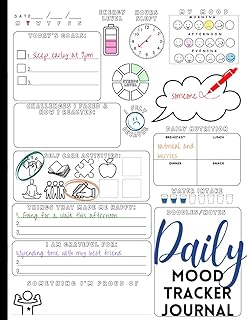
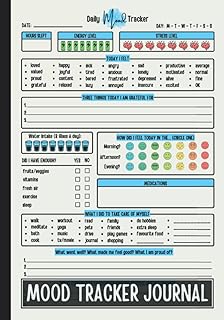
Practical strategies can further reinforce this safe space. Establish clear boundaries, such as confidentiality limits (e.g., “I won’t keep secrets if I think you’re in danger”) and consistent availability (e.g., “You can text me anytime, even late at night”). Incorporate humor or shared interests to lighten the mood when appropriate, but never at the expense of their emotions. For younger teens (ages 13–15), visual aids like emotion charts can help them articulate feelings they lack the vocabulary to describe. For older teens (ages 16–19), offering resources like helplines or apps (e.g., Calm, Moodpath) can empower them to seek additional support independently.
Ultimately, open communication is not a one-time conversation but an ongoing commitment. It requires patience, consistency, and a willingness to adapt as the teenager’s needs evolve. By creating a safe, non-judgmental space, adults can become trusted allies in their journey, helping them navigate mental illness with resilience and hope. The goal isn’t to eliminate their struggles but to ensure they never face them alone.
Employers' Tactics: Avoiding Mental Health Support for Struggling Employees
You may want to see also
Explore related products





Seek Professional Help: Connect with therapists, counselors, or support groups for expert guidance
Professional intervention is often the linchpin in addressing teenage mental illness, yet many families delay seeking help due to stigma, cost concerns, or underestimating the severity of symptoms. Therapists, counselors, and support groups offer evidence-based strategies tailored to the adolescent brain, which is still developing and uniquely vulnerable to stress, anxiety, and mood disorders. For instance, cognitive-behavioral therapy (CBT) has been shown to reduce symptoms of depression and anxiety in 50–75% of teenage patients, often within 12–16 sessions. Ignoring this resource can prolong suffering and allow conditions to worsen, making early intervention critical.
Navigating the mental health system can feel overwhelming, but a structured approach simplifies the process. Start by consulting a pediatrician or school counselor for a referral to a licensed therapist specializing in adolescent mental health. Verify insurance coverage or explore sliding-scale clinics for affordability. For severe cases, psychiatrists can prescribe medication, but this should complement therapy, not replace it. Support groups, such as those offered by the National Alliance on Mental Illness (NAMI), provide peer connections and reduce feelings of isolation. Pro tip: Involve your teenager in decision-making to increase their buy-in and willingness to participate.
Critics argue that therapy is ineffective or too expensive, but research disproves these claims. A 2020 study in *JAMA Psychiatry* found that 60% of teens with major depression showed significant improvement after 12 weeks of CBT, compared to 24% in the control group. Additionally, many therapists offer telehealth options, reducing barriers like transportation. For families on tight budgets, community health centers often provide low-cost services. The real risk lies in avoiding professional help, as untreated mental illness can lead to academic failure, substance abuse, or self-harm.
The role of support groups should not be underestimated. Unlike individual therapy, these groups foster a sense of community and normalize struggles, which is particularly impactful for teenagers who often feel misunderstood. For example, LGBTQ+ youth with mental health challenges report higher resilience when participating in peer-led groups. Parents can also benefit from support networks, gaining insights into effective communication and boundary-setting. Caution: Ensure groups are facilitated by trained professionals to maintain a safe, productive environment.
In conclusion, professional help is not a last resort but a foundational step in supporting a teenager’s mental health. By combining therapy, medication (when necessary), and support groups, families can address the biological, psychological, and social dimensions of mental illness. The investment of time and resources yields long-term benefits, equipping teens with coping skills and resilience for adulthood. Delaying this intervention risks deeper, harder-to-treat issues—a gamble no family should take.
The Internet's Role in Supporting Mental Health and Well-being
You may want to see also
Explore related products




Encourage Healthy Habits: Promote sleep, nutrition, exercise, and mindfulness for overall well-being
Teenagers need 8-10 hours of sleep per night, yet over 70% fall short of this recommendation. Chronic sleep deprivation exacerbates mental health issues like anxiety and depression by disrupting emotional regulation and cognitive function. To encourage better sleep, establish a consistent bedtime routine that includes winding down without screens at least an hour before bed. Use blackout curtains, white noise machines, or weighted blankets to create a restful environment. Limit caffeine intake after noon and encourage exposure to natural light during the day to regulate their circadian rhythm.
Nutrition plays a silent but powerful role in mental health. A diet rich in processed foods and sugar can increase inflammation, worsening symptoms of depression and anxiety. Replace sugary snacks with whole foods like nuts, fruits, and vegetables. Omega-3 fatty acids, found in fish and flaxseeds, have been shown to improve mood and cognitive function. Encourage family meals where healthier options are the norm, and involve your teenager in meal planning to foster a sense of ownership over their diet.
Exercise isn’t just about physical health—it’s a natural antidepressant. Just 30 minutes of moderate activity, like brisk walking or cycling, three times a week can significantly reduce symptoms of anxiety and depression. Make it social by suggesting team sports or joint activities like hiking. For reluctant teens, start small with 10-minute bursts of activity and gradually increase duration. Avoid framing exercise as punishment; instead, emphasize how it boosts energy and clears the mind.
Mindfulness isn’t about emptying the mind but observing thoughts without judgment. Start with short, guided meditations of 5-10 minutes using apps like Headspace or Calm. Incorporate mindfulness into daily activities, such as focusing on the sensation of breathing during a walk or the texture of food while eating. For teens resistant to formal practice, suggest journaling or creative outlets like drawing as alternative ways to process emotions. Consistency is key—even a few minutes daily can build resilience over time.
By integrating these habits into daily life, you create a foundation for mental well-being that complements professional treatment. Remember, small, sustainable changes are more effective than drastic overhauls. Lead by example, as teens are more likely to adopt habits they see modeled by trusted adults. Celebrate progress, not perfection, and approach setbacks with patience and understanding.
Mental Health History: Boosting Temporary Insanity Claims in Court?
You may want to see also
Explore related products


Be Patient & Supportive: Offer consistent emotional support without pressuring or blaming
Teenagers with mental illness often face an internal battle that’s invisible to others, making their struggle doubly isolating. Patience isn’t just a virtue here—it’s a necessity. Unlike physical ailments, mental health recovery doesn’t follow a linear timeline. Progress may appear in small, inconsistent steps, or it may stall entirely. For instance, a teenager managing anxiety might have weeks of calm followed by sudden setbacks triggered by exams or social pressures. The key is to avoid phrases like, “You were doing so well, what happened?” which can imply blame or disappointment. Instead, acknowledge their effort: “I see how hard you’re working, even when it feels tough.” This reframing validates their struggle without attaching judgment.
Consider the analogy of learning to walk. A toddler doesn’t master balance overnight, and neither does a teenager master emotional regulation in a few weeks. Emotional support must be consistent, not contingent on their “performance.” For example, if a teenager with depression skips a therapy session, avoid reacting with frustration or lectures. Instead, ask open-ended questions like, “What made today feel harder?” or offer gentle encouragement: “When you’re ready, I’m here to help figure out the next step.” This approach communicates unconditional support, which is critical for building trust and fostering resilience.
Pressure, even when well-intentioned, can exacerbate mental health challenges. Phrases like, “You just need to try harder,” or “Think positively,” minimize their experience and create a sense of failure. Research shows that perceived pressure from caregivers can increase stress hormones like cortisol, hindering recovery. Instead, focus on creating a safe emotional space. For a teenager with OCD, for instance, avoid rushing them through rituals or expressing impatience. Instead, say, “I know this feels overwhelming right now. Take the time you need.” This response respects their process while reinforcing your presence.
Practical consistency is as important as emotional availability. Establish routines that signal stability without being rigid. For example, set aside 15 minutes daily for a check-in conversation, but let the teenager lead the topic. If they’re nonverbal or withdrawn, simply sit with them in silence or engage in a quiet activity together. This non-verbal support communicates, “I’m here, no matter what.” Avoid overloading them with advice or solutions unless explicitly asked. Sometimes, the most supportive action is simply bearing witness to their pain without trying to fix it.
Finally, self-care for caregivers is non-negotiable. Supporting a teenager with mental illness can be emotionally draining, and burnout undermines your ability to remain patient and supportive. Set boundaries, seek your own support system, and practice stress-reduction techniques like mindfulness or exercise. Remember, modeling healthy coping mechanisms benefits both you and the teenager. By prioritizing your well-being, you demonstrate that self-care isn’t selfish—it’s essential for sustaining the long-term support they need.
Biophilic Design: Nurturing Mental Health Through Nature-Inspired Spaces
You may want to see also
Frequently asked questions
Look for persistent changes in behavior, mood, or functioning, such as withdrawal from social activities, sudden changes in academic performance, irritability, sleep disturbances, or expressions of hopelessness. Open communication and regular check-ins can help you identify concerns early.
Approach the topic with empathy and understanding, validating their feelings without judgment. Offer to accompany them to appointments and explain that seeking help is a sign of strength. If resistance persists, consult a mental health professional for guidance on how to encourage treatment.
Create a safe and non-judgmental environment, maintain open communication, and encourage healthy habits like regular sleep, balanced nutrition, and physical activity. Be patient, listen actively, and avoid minimizing their struggles. Show unconditional love and support while respecting their boundaries.
Schools can provide resources like counseling services, accommodations for academic challenges, and support groups. Communicate with teachers and administrators to ensure they are aware of your teenager’s needs and can offer appropriate support. Collaboration between home and school is key.