Madison Cole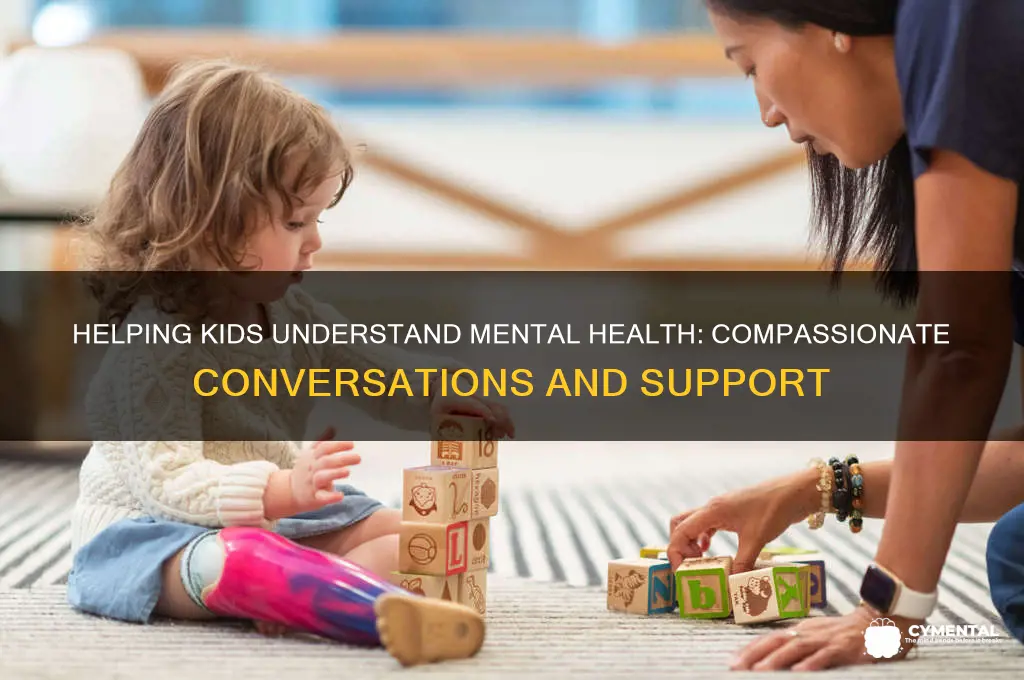
Helping children understand mental illness is a crucial step in fostering empathy, reducing stigma, and promoting mental health awareness from a young age. By using age-appropriate language and relatable examples, parents, caregivers, and educators can explain that mental illnesses, like anxiety or depression, are real health conditions that affect thoughts, feelings, and behaviors, just as physical illnesses affect the body. Encouraging open conversations, normalizing emotions, and emphasizing that seeking help is a sign of strength can empower children to support themselves and others. Visual aids, stories, and simple analogies, such as comparing mental health to a garden that needs care, can make abstract concepts more tangible. Ultimately, creating a safe and nonjudgmental environment allows children to ask questions, express concerns, and develop a compassionate understanding of mental health challenges.
Explore related products


What You'll Learn
- Use Simple Language: Explain mental illness in clear, age-appropriate terms children can easily grasp
- Normalize Emotions: Teach that all emotions are okay and mental health struggles are common
- Share Stories: Use books or videos with characters facing similar challenges to foster understanding
- Encourage Questions: Create a safe space for children to ask questions without fear of judgment
- Model Self-Care: Show children healthy coping strategies and self-care practices for mental well-being

Use Simple Language: Explain mental illness in clear, age-appropriate terms children can easily grasp
Children absorb information like sponges, but their understanding is limited by their developmental stage. Using complex terms like “neurotransmitter imbalance” or “psychopharmacology” to explain mental illness will only confuse them. Instead, simplify the concept by comparing it to something tangible. For instance, tell a 6-year-old, “Sometimes our feelings get stuck, like a toy train on a track, and it’s hard to move forward.” This analogy grounds the abstract in the familiar, making it easier for them to grasp. For older children, around 10–12 years old, you might say, “Our brains have a ‘mood thermostat,’ and sometimes it gets stuck on too hot or too cold, making us feel really sad or worried.” Tailoring the explanation to their cognitive level ensures the message sticks without overwhelming them.
One common mistake is assuming children need all the details to understand. In reality, brevity is key. A 4-year-old doesn’t need to know about serotonin levels; they need to know, “Mommy’s brain feels extra tired today, so she needs extra hugs and patience.” For a teenager, you might explain anxiety as, “It’s like your brain’s alarm system is going off even when there’s no danger, making your heart race and thoughts spin.” Avoid medical jargon and focus on the emotional experience. If a child asks questions, answer them honestly but concisely. For example, if they ask, “Why is Grandma so quiet?” respond with, “Grandma’s brain is feeling extra shy today, so she needs some quiet time to feel better.” This approach respects their curiosity while keeping the explanation manageable.
A persuasive argument for simplicity is its impact on reducing stigma. When children understand mental illness in relatable terms, they’re less likely to fear or judge it. For instance, telling a 7-year-old, “Just like you might get a tummy ache, sometimes people’s brains get sick and need special care,” normalizes the condition. This framing encourages empathy rather than alienation. For adolescents, who are more aware of social perceptions, you might say, “Mental illness is like wearing glasses—it’s just a tool to help you see or feel better.” By comparing it to a common, accepted aid, you dismantle misconceptions and foster acceptance.
Practical tips can make this approach even more effective. First, use storytelling to illustrate your point. For younger children, create a character with a similar struggle, like a cartoon dog who feels “too big feelings” and learns to ask for help. For older kids, share age-appropriate books or videos that depict mental illness in simple terms. Second, involve them in solutions. For a 5-year-old, suggest, “Let’s draw a happy picture for Daddy to cheer up his brain.” For a 12-year-old, propose, “Let’s practice deep breathing together when you feel worried.” These actions not only clarify the concept but also empower them to contribute positively. Finally, be consistent in your messaging. Repetition in simple terms reinforces understanding, so revisit the topic periodically as they grow and their comprehension deepens.
Addressing Youth Mental Health: Strategies for Enhanced Support and Prevention
You may want to see also
Explore related products


Normalize Emotions: Teach that all emotions are okay and mental health struggles are common
Children often absorb the stigma surrounding mental health from societal cues, internalizing that certain emotions—like sadness, anger, or fear—are "bad" or "weak." This misconception can lead to suppression, confusion, or shame when they experience these feelings. To counteract this, start by explicitly validating all emotions as natural and acceptable. For instance, instead of dismissing a child’s frustration with phrases like “Don’t be mad,” reframe it: “It’s okay to feel angry. Let’s talk about why you’re upset.” This simple shift teaches emotional honesty and reduces the fear of expressing oneself.
Consider the analogy of weather: emotions are like clouds passing through the sky, temporary and ever-changing. Just as rain doesn’t define the entire climate, a single emotion doesn’t define a person. For younger children (ages 4–7), use visual aids like emotion charts or books such as *The Color Monster* to normalize feelings. For older kids (ages 8–12), encourage journaling or drawing emotions as a way to externalize and process them. Adolescents (ages 13–18) may benefit from discussions about how emotions are universal, using examples from movies, music, or real-life stories to illustrate that everyone experiences highs and lows.
A common pitfall is overcorrecting by saying, “Everyone feels this way,” which can minimize a child’s experience. Instead, balance universality with individuality. For example, “Many people feel anxious sometimes, but it’s unique how it shows up for you. Let’s figure out what helps you feel better.” Pair this with actionable strategies, like deep breathing exercises for anxiety or physical activity for anger. For instance, a 5-minute “emotion break”—where a child takes time to name their feeling and choose a coping activity—can become a routine tool in their emotional toolkit.
Teaching that mental health struggles are common requires transparency without oversharing. Share age-appropriate statistics, such as “One in five people will experience a mental health challenge in their lifetime,” to normalize the conversation. For younger children, use metaphors like, “Just like we go to the doctor for a sore throat, sometimes our brains need help too.” For teens, discuss celebrities or public figures who have openly addressed their mental health, emphasizing that seeking help is a sign of strength. Avoid labeling emotions as “good” or “bad”—instead, focus on their function. For example, anxiety can signal caution, while sadness can prompt reflection. This reframing transforms emotions from enemies to allies, fostering resilience and self-compassion.
Finally, model emotional openness in your own behavior. Children learn by observation, so acknowledge your feelings aloud: “I’m feeling stressed today, so I’m going to take a walk to clear my head.” This not only normalizes emotions but also demonstrates healthy coping mechanisms. Be mindful of cultural or familial attitudes toward mental health and adjust your approach accordingly. For families with a history of stigma, start small—perhaps by introducing the topic through a story or game—and gradually expand the dialogue. By consistently reinforcing that all emotions are okay and mental health struggles are common, you equip children with the language and confidence to navigate their inner worlds and support others in theirs.
Giving Space: A Powerful Tool for Mental Health Healing?
You may want to see also
Explore related products


Share Stories: Use books or videos with characters facing similar challenges to foster understanding
Children often learn best through stories, and this principle holds true when helping them understand mental illness. By introducing books or videos with characters facing similar challenges, you create a safe, relatable context for exploration. For instance, a picture book like *"The Color Thief"* by Andrew Fusek Peters uses metaphor to explain depression to young children, while *"My Brain Needs Glasses"* by Meredith Flake compares mental health struggles to vision problems. These narratives demystify complex emotions and conditions, making them accessible to kids as young as 4–8 years old. Start with age-appropriate materials—shorter, visually rich stories for younger children and more nuanced plots for older ones (ages 9–12). Pairing the story with a discussion afterward reinforces understanding and allows children to ask questions in a non-threatening way.
Analyzing the impact of such stories reveals their dual role: they normalize mental health conversations while fostering empathy. When children see characters like them grappling with anxiety, ADHD, or grief, they realize these experiences are not unique or shameful. For example, *"Adventures of a Young Maverick"* by Shae Millward offers a first-person account of living with ADHD, helping neurotypical children understand their peers’ behaviors. This approach not only educates but also builds emotional intelligence. Studies show that children exposed to diverse narratives are more likely to express compassion and seek help when needed. However, be mindful of the tone—avoid stories that stigmatize or oversimplify mental illness, as these can inadvertently reinforce misconceptions.
To maximize the effectiveness of this strategy, follow a structured approach. First, choose stories that align with the child’s developmental stage and the specific mental health topic you’re addressing. For instance, *"Ruby’s Worry"* by Tom Percival is ideal for preschoolers dealing with anxiety, while *"Tough Topics: Mental Health"* by Rachel Lynette suits older children (ages 10–13) seeking factual information. Second, create a safe space for discussion by asking open-ended questions like, “How do you think the character felt?” or “What would you do in their situation?” Third, validate their emotions and correct any misunderstandings gently. For example, if a child equates sadness with depression, clarify the difference without dismissing their perspective. Finally, integrate these stories into a broader conversation about mental health, using them as a springboard rather than a one-time lesson.
A cautionary note: while stories are powerful tools, they are not a substitute for professional guidance. If a child shows signs of distress or identifies too closely with a character’s struggles, consult a mental health professional. Additionally, be aware of cultural and personal sensitivities. A story that resonates with one child might feel alienating to another. For instance, a narrative centered on a Western family’s experience with therapy may not reflect the realities of a child from a culture where mental health is approached differently. Always consider the child’s background and adapt your approach accordingly.
In conclusion, sharing stories of characters with mental health challenges is a gentle yet effective way to educate children. By selecting age-appropriate materials, fostering open dialogue, and being mindful of potential pitfalls, you can help children develop a compassionate and informed perspective on mental illness. This method not only aids their understanding but also lays the foundation for healthier attitudes toward mental health in the future. Start small, stay consistent, and watch as these narratives become catalysts for meaningful conversations.
Organized Mind, Calm Life: How Structure Boosts Mental Well-Being
You may want to see also
Explore related products



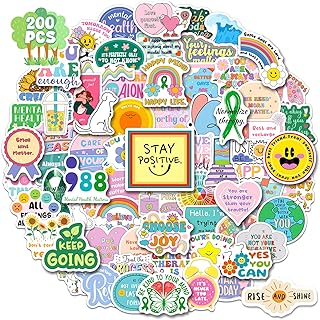
Encourage Questions: Create a safe space for children to ask questions without fear of judgment
Children often absorb more than we realize, especially when it comes to sensitive topics like mental illness. They may overhear conversations, notice changes in behavior, or sense emotional shifts in their environment. Yet, without a safe space to ask questions, their curiosity can turn into confusion or fear. Creating an environment where they feel free to inquire without judgment is crucial. Start by acknowledging their observations with simple, age-appropriate language. For instance, instead of dismissing their questions, say, “I’m glad you asked that. Let’s talk about it.” This validates their feelings and opens the door for honest dialogue.
Encouraging questions requires more than just saying, “Ask me anything.” It involves active listening and patience. When a child asks about mental illness, avoid oversimplifying or overcomplicating the answer. For younger children (ages 4–8), use analogies they can relate to, such as, “Sometimes our brains feel like a computer with too many tabs open. It gets overwhelmed, but we can help it slow down.” For older children (ages 9–12), provide more detail but keep it concrete. For example, explain that anxiety might feel like a tight chest or racing thoughts, and therapy is like learning tools to calm those feelings. Tailor your responses to their developmental stage, ensuring they grasp the concept without feeling overwhelmed.
A safe space isn’t just about the words you use—it’s also about the tone and body language you convey. Sit at their eye level, maintain open posture, and use a calm, reassuring voice. Let them see that their questions are welcome, even if they’re difficult. If you don’t know the answer, admit it honestly and offer to find out together. This models humility and shows them that learning is a shared process. Additionally, avoid correcting their misconceptions harshly; instead, gently reframe their understanding. For example, if they say, “Is depression just being sad?” respond with, “Sadness is part of it, but it’s more like a heavy cloud that stays longer and makes everything feel harder.”
Finally, normalize the conversation by revisiting the topic periodically. Mental health isn’t a one-time discussion but an ongoing dialogue. Incorporate it into everyday moments, like reading a book about emotions or discussing a character’s struggles in a movie. This reinforces that mental illness is a natural part of human experience, not a taboo. By consistently encouraging questions and creating a judgment-free zone, you empower children to approach the topic with curiosity rather than fear, fostering empathy and understanding that will benefit them throughout their lives.
Labeling Mental Health: Empowerment or Stigma? Exploring Its Impact
You may want to see also
Explore related products


Model Self-Care: Show children healthy coping strategies and self-care practices for mental well-being
Children learn more from what they see than what they hear. When you model self-care, you teach them that mental well-being is a priority, not an afterthought. For instance, if a child sees you taking a few minutes to breathe deeply when stressed, they’ll understand that pausing is a valid response to overwhelm. Start small: after a challenging day, say aloud, “I’m feeling tense, so I’m going to stretch for five minutes to feel better.” This simple act normalizes self-care and gives them a blueprint for managing their own emotions.
Not all self-care looks the same, and neither should your approach. Tailor your modeling to your child’s age and temperament. Preschoolers might benefit from seeing you draw or color to unwind, while teenagers could relate to journaling or setting boundaries with technology. For example, if your teen notices you turning off notifications after 8 PM, it opens a conversation about digital detox. The key is consistency—make self-care a visible part of your routine, whether it’s a daily walk, a gratitude practice, or a mindful snack break.
One common mistake is assuming self-care must be time-consuming or elaborate. In reality, micro-practices can be just as effective. Teach children that self-care can be as brief as a 30-second hand massage with lotion or a one-minute gratitude check-in. For younger kids, turn it into a game: “Let’s see how many things we can name that make us happy in one minute!” These bite-sized habits are easier to adopt and reinforce the idea that mental health care doesn’t require grand gestures.
Modeling self-care isn’t just about actions—it’s also about language. Avoid phrases like “I’m too busy to relax” or “I’ll take care of myself later.” Instead, say, “I’m stepping away for a moment to recharge so I can be fully present with you.” This reframes self-care as an act of strength, not selfishness. When children hear you prioritize your well-being, they’re more likely to value their own. Remember, the goal isn’t perfection but progress—show them it’s okay to stumble as long as you keep trying.
Vitamin B's Role in Boosting Mental Health and Well-being
You may want to see also
Frequently asked questions
Use simple, clear language tailored to their age. For younger children, compare mental illness to a physical illness, like a cold or flu, but for the brain. For older children, explain it as a condition that affects thoughts, feelings, and behaviors, and emphasize that it’s not their fault or something they can “catch.”
Signs include changes in behavior (e.g., acting out, withdrawing), questions about why the person is acting differently, or expressions of fear or guilt. They may also mimic symptoms or show anxiety about the future.
Clearly and repeatedly explain that mental illness is caused by factors like genetics, brain chemistry, or life events, not by anything the child did or said. Encourage open conversations and validate their feelings while reinforcing that they are loved and safe.