Caleb Wright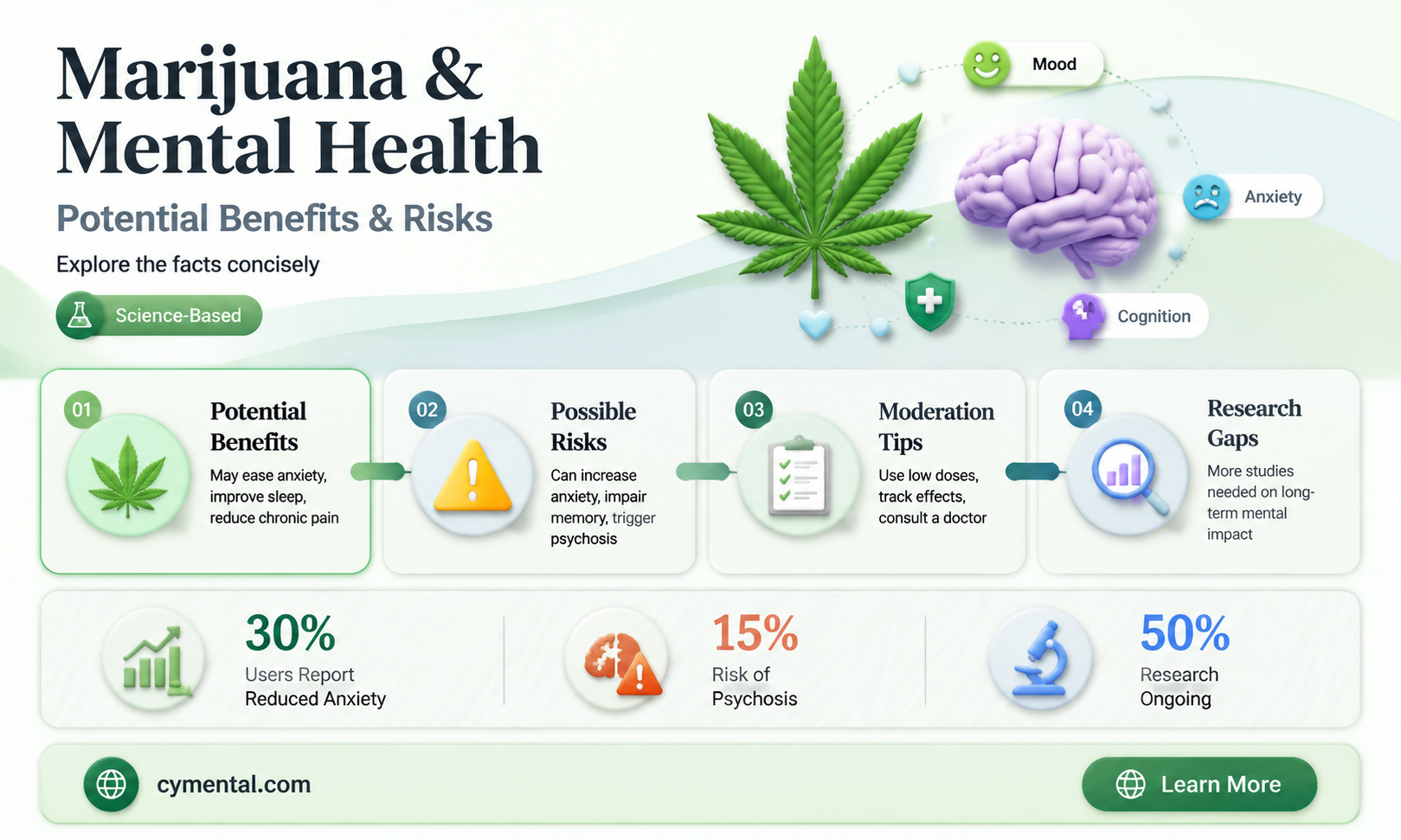
Marijuana’s potential role in treating mental illness remains a highly debated and complex topic, as research presents conflicting findings. While some studies suggest that certain cannabinoids, like CBD, may offer therapeutic benefits for conditions such as anxiety, depression, or PTSD by interacting with the endocannabinoid system, others highlight risks, particularly with THC, which can exacerbate symptoms of psychosis, paranoia, or schizophrenia in vulnerable individuals. The lack of standardized dosing, varying strains, and individual differences in response further complicate its use as a mental health treatment. As legalization expands and interest grows, there is an urgent need for rigorous, long-term research to clarify marijuana’s efficacy, safety, and appropriate applications in mental health care.
Explore related products


What You'll Learn
- Marijuana and Anxiety Relief: Potential benefits and risks of cannabis in reducing anxiety symptoms
- Cannabis for Depression: Exploring its effects on mood disorders and emotional regulation
- PTSD and Marijuana Use: How cannabis may alleviate symptoms of post-traumatic stress disorder
- Schizophrenia and THC: Investigating the relationship between marijuana use and psychotic disorders
- CBD for Bipolar Disorder: Examining the therapeutic potential of cannabidiol in mood stabilization

Marijuana and Anxiety Relief: Potential benefits and risks of cannabis in reducing anxiety symptoms
Marijuana's potential to alleviate anxiety symptoms has sparked both interest and debate, with many turning to cannabis as a natural remedy. While some users report significant relief, the relationship between marijuana and anxiety is complex, influenced by factors like dosage, strain, and individual physiology. For instance, low doses of THC (tetrahydrocannabinol) may reduce anxiety by activating the body’s endocannabinoid system, which regulates stress responses. However, higher doses can paradoxically increase anxiety, leading to paranoia or panic in some individuals. This duality underscores the importance of informed use, particularly for those considering cannabis as an anxiety management tool.
Consider the case of CBD (cannabidiol), a non-psychoactive compound in cannabis. Unlike THC, CBD has shown promise in reducing anxiety without the risk of intoxication. Studies, such as a 2019 review in *The Permanente Journal*, found that CBD doses of 300–600 mg significantly lowered anxiety in clinical populations. Practical tips for using CBD include starting with a low dose (e.g., 20–40 mg daily) and gradually increasing until symptoms improve. For those using THC-containing products, opting for strains with a balanced THC-to-CBD ratio (e.g., 1:1) can mitigate anxiety risks while providing therapeutic benefits.
However, the risks cannot be overlooked, especially for vulnerable populations. Adolescents and young adults, whose brains are still developing, may face heightened risks of anxiety disorders or psychosis with regular cannabis use. Long-term use of high-THC products can also lead to tolerance, dependence, or cannabinoid hyperemesis syndrome, a condition marked by recurrent nausea and vomiting. For individuals with pre-existing anxiety disorders, self-medicating with marijuana without medical supervision can exacerbate symptoms or interfere with prescribed treatments.
To maximize benefits while minimizing risks, users should adopt a cautious approach. Consulting a healthcare provider is essential, particularly for those with mental health conditions or on medications. Keeping a symptom journal can help track how different strains, dosages, and consumption methods (e.g., vaping, edibles, tinctures) affect anxiety levels. For example, vaping provides rapid relief but may irritate the lungs, while edibles offer longer-lasting effects but with delayed onset. Combining cannabis with evidence-based therapies, such as cognitive-behavioral therapy, can enhance overall anxiety management.
In conclusion, marijuana’s role in anxiety relief is nuanced, offering potential benefits alongside notable risks. While CBD shows consistent promise, THC’s effects vary widely, necessitating personalized and mindful use. By understanding dosage, strain selection, and individual factors, users can navigate this complex landscape more safely. As research evolves, staying informed and seeking professional guidance remains crucial for harnessing cannabis’s therapeutic potential without unintended consequences.
Assessing Mental Illness Impairment: Essential Tools for Clinicians
You may want to see also
Explore related products


Cannabis for Depression: Exploring its effects on mood disorders and emotional regulation
Depression, a pervasive mood disorder affecting millions globally, often resists conventional treatments, leaving many to explore alternative therapies. Cannabis, with its complex interplay of cannabinoids like THC and CBD, has emerged as a potential candidate for alleviating depressive symptoms. However, its effects are nuanced, varying by dosage, strain, and individual physiology. For instance, low to moderate doses of THC may temporarily elevate mood by stimulating the endocannabinoid system, which regulates stress and emotional responses. Conversely, high doses can exacerbate anxiety and dysphoria, particularly in susceptible individuals. CBD, on the other hand, exhibits anxiolytic and antidepressant properties without the psychoactive effects of THC, making it a promising candidate for emotional regulation.
To harness cannabis for depression, precision is key. Start with a low dose—5–10 mg of THC or 20–40 mg of CBD—and monitor effects over several days. Opt for strains high in CBD and low in THC, such as ACDC or Harlequin, to minimize psychoactive risks. For those aged 25 and older, whose brains are fully developed, microdosing THC (1–2.5 mg) combined with CBD may offer mood stabilization without cognitive impairment. Younger users should exercise caution, as cannabis can interfere with brain development and worsen depressive symptoms. Pairing cannabis use with therapy, such as cognitive-behavioral therapy, can enhance emotional regulation by addressing underlying thought patterns while leveraging cannabis’s potential to reduce emotional numbness.
A comparative analysis reveals that cannabis’s efficacy for depression may rival traditional antidepressants in some cases, particularly for treatment-resistant individuals. Unlike SSRIs, which take weeks to show effects, cannabis can provide immediate relief from symptoms like anhedonia and fatigue. However, its lack of long-term studies and potential for dependency necessitate cautious optimism. For example, a 2020 study in *JAMA Psychiatry* found that CBD reduced anxiety and improved sleep in 72 adults with anxiety and poor sleep, indirectly benefiting depressive symptoms. Yet, individual responses vary, underscoring the need for personalized approaches.
Practically, integrating cannabis into a depression management plan requires mindfulness. Avoid daily use to prevent tolerance and withdrawal, which can mimic depressive symptoms. Instead, use it intermittently or as needed for acute episodes. Combine it with lifestyle modifications—regular exercise, a balanced diet, and social support—to maximize benefits. For emotional regulation, mindfulness practices like meditation or journaling can amplify cannabis’s calming effects. Always consult a healthcare provider, especially if taking other medications, as cannabis can interact with drugs metabolized by the liver.
In conclusion, cannabis holds potential as a complementary tool for depression, particularly in enhancing mood and emotional regulation. Its effectiveness hinges on informed, tailored use, balancing cannabinoids, dosage, and frequency. While not a panacea, it offers a novel avenue for those seeking relief from the grip of depression, provided it is approached with caution and integrated into a holistic treatment strategy.
Exercise and Mental Health: Unlocking the Mind-Body Connection
You may want to see also
Explore related products


PTSD and Marijuana Use: How cannabis may alleviate symptoms of post-traumatic stress disorder
Post-traumatic stress disorder (PTSD) affects millions worldwide, often leaving individuals grappling with intrusive memories, hyperarousal, and emotional numbness. Traditional treatments like therapy and medication work for many but fall short for others. Here, cannabis emerges as a potential adjunctive therapy, with its compounds interacting with the body’s endocannabinoid system to modulate stress responses and emotional regulation. Studies suggest that THC and CBD, the primary cannabinoids, may reduce anxiety, improve sleep, and dampen fear-related memories, offering a glimmer of hope for those with treatment-resistant PTSD.
Consider the case of veterans, a demographic disproportionately affected by PTSD. Many report self-medicating with cannabis to manage symptoms, citing relief from nightmares, irritability, and hypervigilance. A 2019 study in the *Journal of Alternative and Complementary Medicine* found that medical cannabis use was associated with a 75% reduction in PTSD symptom severity among veterans. However, dosage is critical: low to moderate THC (5–10 mg) combined with CBD (10–20 mg) appears most effective, as high THC levels can exacerbate anxiety in some individuals. Microdosing, or using small, controlled amounts, is recommended to avoid adverse effects.
While anecdotal evidence is compelling, the scientific community remains cautious. Clinical trials face regulatory hurdles, and long-term effects of cannabis use on PTSD are not fully understood. For instance, chronic high-THC use may impair memory or increase emotional blunting, potentially counteracting therapeutic goals. CBD, on the other hand, shows promise with fewer risks, particularly in reducing anxiety and improving sleep quality. Practical tips for those considering cannabis include starting with CBD-dominant strains, keeping a symptom journal to track effects, and consulting a healthcare provider to avoid interactions with existing medications.
The comparative analysis of cannabis versus traditional PTSD treatments highlights its dual-edged nature. Unlike SSRIs or benzodiazepines, cannabis acts quickly, often providing immediate relief from acute symptoms like panic attacks. However, its lack of standardized dosing and potential for dependency necessitate a balanced approach. For younger adults (18–25), whose brains are still developing, cannabis use may pose higher risks, including cognitive impairment or increased susceptibility to psychosis. Older adults, particularly those with comorbid conditions like chronic pain, may find greater benefit with careful monitoring.
In conclusion, cannabis holds promise as a PTSD symptom management tool, particularly for those who have exhausted conventional options. Its efficacy hinges on individualized dosing, strain selection, and mindful use. While not a cure, it may offer a bridge to stability, enabling individuals to engage more fully in therapy and reclaim aspects of their lives. As research evolves, so too will our understanding of how to harness cannabis’s potential while mitigating its risks. For now, it stands as a testament to the complexity of mental health treatment—a tool to be wielded with care, not a panacea.
Empowering Self-Care Strategies: A Guide to Helping Yourself Thrive
You may want to see also
Explore related products


Schizophrenia and THC: Investigating the relationship between marijuana use and psychotic disorders
The relationship between marijuana use and schizophrenia is a complex and contentious issue, with research suggesting a bidirectional link that warrants careful consideration. On one hand, tetrahydrocannabinol (THC), the primary psychoactive compound in marijuana, has been shown to exacerbate symptoms in individuals already diagnosed with schizophrenia. A study published in the *American Journal of Psychiatry* found that patients with schizophrenia who used cannabis experienced more frequent hallucinations and delusions compared to non-users. This effect is particularly pronounced in younger users, as the adolescent brain is still developing, and exposure to THC during this critical period may increase the risk of psychotic disorders later in life. For instance, a longitudinal study in *The Lancet Psychiatry* revealed that daily cannabis use in teenagers was associated with a fivefold increase in the likelihood of developing schizophrenia by age 25.
On the other hand, cannabidiol (CBD), another major cannabinoid in marijuana, has shown potential in mitigating some symptoms of schizophrenia. Unlike THC, CBD is non-psychoactive and has been studied for its antipsychotic properties. A randomized controlled trial published in *The American Journal of Psychiatry* demonstrated that CBD, when used as an adjunctive treatment, reduced psychotic symptoms in patients with schizophrenia. However, the dosage is critical: the study used a precise 1,000 mg daily dose of CBD, highlighting the importance of controlled administration. This finding suggests that while THC may worsen schizophrenia, CBD could offer therapeutic benefits, underscoring the need to differentiate between these compounds when discussing marijuana’s impact on mental health.
For individuals at risk of schizophrenia or those with a family history of psychotic disorders, caution is paramount. Research indicates that THC can lower the age of onset for schizophrenia in genetically predisposed individuals. A meta-analysis in *Molecular Psychiatry* found that cannabis use was associated with a 2.7-year earlier onset of psychosis in vulnerable populations. Practical advice for this group includes avoiding high-THC strains of marijuana altogether and opting for CBD-dominant products if considering cannabis for other therapeutic purposes. Additionally, healthcare providers should screen for cannabis use in patients presenting with early psychotic symptoms to tailor appropriate interventions.
The interplay between THC and schizophrenia also raises questions about the role of endocannabinoid system dysfunction in psychotic disorders. THC mimics the body’s natural endocannabinoids, which regulate mood, memory, and perception. In individuals with schizophrenia, this system may already be dysregulated, making them more susceptible to THC’s psychoactive effects. Emerging research suggests that modulating the endocannabinoid system, rather than introducing external cannabinoids like THC, could be a more effective approach to managing schizophrenia. For example, inhibitors of fatty acid amide hydrolase (FAAH), an enzyme that breaks down endocannabinoids, are being explored as potential treatments.
In conclusion, while marijuana’s impact on schizophrenia is multifaceted, the evidence clearly indicates that THC poses significant risks, particularly for vulnerable populations. Conversely, CBD shows promise as a therapeutic agent, though its use should be guided by rigorous clinical oversight. For those concerned about schizophrenia, the safest approach is to avoid THC-rich cannabis products and prioritize alternatives that do not exacerbate psychotic symptoms. As research progresses, a nuanced understanding of cannabinoids and their interactions with mental health will be essential for informed decision-making.
Furry Fandom and Mental Health: Exploring Emotional Benefits and Support
You may want to see also
Explore related products


CBD for Bipolar Disorder: Examining the therapeutic potential of cannabidiol in mood stabilization
Bipolar disorder, characterized by extreme mood swings from manic highs to depressive lows, poses significant challenges for both patients and clinicians. Traditional treatments often include mood stabilizers, antipsychotics, and psychotherapy, but these can come with side effects or limited efficacy for some individuals. This has led to growing interest in alternative therapies, particularly cannabidiol (CBD), a non-psychoactive compound derived from cannabis. Unlike THC, CBD does not produce a "high," making it an appealing option for those seeking symptom relief without cognitive impairment. Emerging research suggests CBD may offer therapeutic benefits for mood stabilization, but its role in bipolar disorder remains under-explored and requires careful examination.
One of the most compelling aspects of CBD is its interaction with the endocannabinoid system (ECS), which plays a crucial role in regulating mood, stress, and emotional responses. Studies indicate that CBD may modulate ECS activity, potentially reducing anxiety and improving emotional resilience. For individuals with bipolar disorder, this could translate to fewer mood fluctuations and a more stable baseline. However, dosage is critical; preliminary findings suggest that low to moderate doses (10–50 mg/day) may be more effective than higher doses, which could exacerbate anxiety or disrupt sleep. It’s essential to start with a low dose and gradually increase under medical supervision, as individual responses vary widely.
While anecdotal reports and preclinical studies are promising, clinical evidence specifically targeting CBD for bipolar disorder remains limited. A 2020 review published in *Frontiers in Psychiatry* highlighted CBD’s potential as an adjunct therapy for mood disorders but emphasized the need for large-scale, controlled trials. Patients considering CBD should approach it as a complementary option, not a replacement for established treatments. Additionally, sourcing high-quality, third-party tested CBD products is crucial, as unregulated products may contain contaminants or inconsistent CBD concentrations. Consulting a healthcare provider is non-negotiable, particularly for those already on medications, to avoid potential drug interactions.
Comparatively, CBD’s safety profile is more favorable than that of THC, which has been linked to worsened psychotic symptoms in some bipolar patients. CBD’s lack of intoxicating effects makes it a more viable option for daily use, especially for individuals in productive or socially active roles. However, it’s not a one-size-fits-all solution. For example, patients with rapid-cycling bipolar disorder may require more aggressive interventions, while those with milder symptoms might benefit from CBD’s subtle mood-balancing effects. Practical tips include keeping a mood journal to track changes, combining CBD with mindfulness practices, and prioritizing consistent sleep patterns to maximize its potential benefits.
In conclusion, while CBD holds promise as a therapeutic agent for bipolar disorder, its use should be approached with caution and informed by ongoing research. Patients and clinicians alike must weigh the potential benefits against the lack of definitive evidence and the importance of individualized treatment plans. As the scientific community continues to explore CBD’s role in mental health, it remains a fascinating and hopeful avenue for those seeking alternative ways to manage this complex condition.
Church and Mental Health: Exploring the Impact of Faith Communities
You may want to see also
Frequently asked questions
While some users report temporary relief from anxiety and depression symptoms, research is mixed. Marijuana can exacerbate anxiety in some individuals, especially with high THC strains. CBD, a non-psychoactive component, may have more consistent anxiolytic effects, but more studies are needed.
Some studies suggest marijuana, particularly strains high in THC, may help reduce PTSD symptoms like nightmares and hyperarousal. However, long-term use may lead to dependency or worsen symptoms in some individuals. It is not considered a first-line treatment, and professional medical advice is recommended.
Marijuana is generally not recommended for individuals with schizophrenia or bipolar disorder, as it can worsen psychotic symptoms or trigger manic episodes. THC, the psychoactive component, may increase the risk of psychosis in vulnerable populations. CBD might have potential benefits, but more research is needed.