Harper Lewis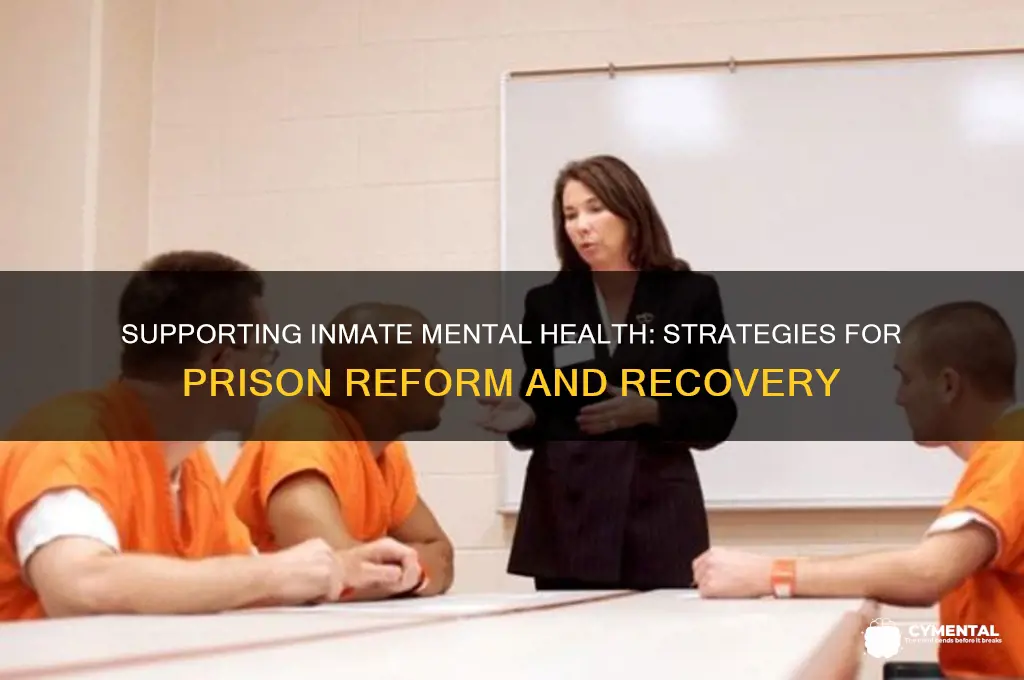
Addressing mental illness in prisons is a critical yet often overlooked aspect of the criminal justice system. With a disproportionately high prevalence of mental health disorders among incarcerated individuals, prisons must adopt comprehensive strategies to provide adequate care and support. This includes improving access to mental health professionals, implementing evidence-based treatment programs, and offering ongoing training for correctional staff to recognize and respond to mental health crises. Additionally, fostering a compassionate and rehabilitative environment, rather than a punitive one, can significantly reduce recidivism and improve outcomes for those struggling with mental illness. By prioritizing mental health within correctional facilities, society can take a meaningful step toward breaking the cycle of incarceration and promoting long-term recovery.
Explore related products


What You'll Learn
- Screening & Early Detection: Implement routine mental health assessments upon intake to identify needs promptly
- Trauma-Informed Care: Train staff in trauma-sensitive approaches to reduce triggers and improve responses
- Access to Therapy: Provide regular counseling, group therapy, and evidence-based treatments like CBT
- Medication Management: Ensure consistent access to psychiatric medications and monitoring by professionals
- Reentry Support: Offer transitional programs to connect inmates with community mental health resources post-release

Screening & Early Detection: Implement routine mental health assessments upon intake to identify needs promptly
Prisons are high-risk environments for mental health deterioration, with studies showing that over 60% of inmates experience significant psychological distress. Without early intervention, these issues can escalate, leading to self-harm, violence, or prolonged suffering. Implementing routine mental health assessments upon intake is a critical first step in addressing this crisis. Such screenings serve as a triage mechanism, identifying immediate needs and ensuring that individuals receive appropriate care from the outset.
Consider the process as a structured, multi-step evaluation. Begin with a standardized questionnaire, such as the Brief Jail Mental Health Screen (BJMHS), which assesses symptoms of depression, anxiety, psychosis, and suicidality. Follow this with a brief clinical interview conducted by a trained mental health professional. For high-risk cases, incorporate additional tools like the Columbia-Suicide Severity Rating Scale (C-SSRS) to evaluate suicide risk. These assessments should be completed within 48 hours of intake to ensure timely intervention.
However, screening alone is insufficient without a clear protocol for follow-up. Establish a tiered system of care: immediate crisis intervention for severe cases, regular counseling for moderate needs, and monitoring for mild symptoms. Integrate findings into the inmate’s record to guide housing assignments, programming, and treatment plans. For example, individuals with severe mental illness may benefit from placement in specialized units with lower staff-to-inmate ratios and access to daily therapy.
Critics may argue that such measures are resource-intensive, but the long-term benefits outweigh the costs. Early detection reduces the likelihood of costly emergency interventions, improves institutional safety, and enhances rehabilitation outcomes. Pilot programs in states like California and New York have demonstrated that inmates who receive prompt mental health care are less likely to reoffend post-release. By prioritizing screening and early detection, prisons can shift from a punitive model to one that fosters recovery and reintegration.
Supporting Survivors: Compassionate Ways to Help Heal Mental Abuse Wounds
You may want to see also
Explore related products


Trauma-Informed Care: Train staff in trauma-sensitive approaches to reduce triggers and improve responses
Prisons are environments rife with triggers for individuals who have experienced trauma, often exacerbating mental health conditions. Trauma-informed care (TIC) offers a framework to mitigate this by training staff to recognize and respond to trauma-related behaviors with empathy and understanding. This approach shifts the focus from punitive measures to supportive interventions, fostering a safer and more therapeutic environment for both inmates and correctional officers.
Implementing TIC begins with comprehensive staff training. Correctional officers, healthcare providers, and administrative personnel must learn to identify signs of trauma, such as hypervigilance, emotional dysregulation, or avoidance behaviors. Training should include modules on the neurobiology of trauma, the impact of adverse childhood experiences (ACEs), and culturally responsive practices. For instance, a study by the National Institute of Corrections highlights that staff trained in TIC are better equipped to de-escalate crises, reducing the use of restraints and isolation by up to 50%. Practical exercises, such as role-playing scenarios involving traumatized inmates, can enhance staff confidence and competence.
A critical component of trauma-sensitive approaches is creating a predictable and non-threatening environment. Simple changes, like minimizing sudden loud noises or providing advance notice of searches, can reduce triggers. Staff should also be trained to use calm, non-confrontational language and avoid power dynamics that may retraumatize inmates. For example, instead of demanding compliance, officers can phrase requests as, "I need you to step this way so we can ensure everyone’s safety." Such adjustments, though subtle, can significantly improve inmate responses and reduce incidents of self-harm or aggression.
However, adopting TIC is not without challenges. Staff may resist changing long-standing practices or feel ill-equipped to handle the emotional demands of trauma-sensitive care. To address this, agencies should provide ongoing support, such as peer mentoring, supervision, and access to mental health resources for staff. Additionally, measuring the effectiveness of TIC requires clear metrics, such as reductions in disciplinary actions, increased participation in rehabilitation programs, and improved mental health outcomes for inmates.
Ultimately, trauma-informed care in prisons is not just a moral imperative but a practical strategy for improving safety and reducing recidivism. By training staff in trauma-sensitive approaches, correctional facilities can transform from places of punishment to environments that promote healing and recovery. This shift requires commitment, resources, and a willingness to challenge traditional paradigms, but the long-term benefits for individuals and society are undeniable.
Mental Health Awareness: Impact on Well-Being and Societal Support
You may want to see also
Explore related products




Access to Therapy: Provide regular counseling, group therapy, and evidence-based treatments like CBT
Prisons are not typically associated with therapeutic environments, yet they house a population with disproportionately high rates of mental illness. Providing regular access to counseling, group therapy, and evidence-based treatments like Cognitive Behavioral Therapy (CBT) is not just a moral imperative—it’s a practical strategy to reduce recidivism, improve inmate well-being, and enhance prison safety. Without these interventions, untreated mental health issues often exacerbate, leading to self-harm, violence, or disciplinary issues that strain correctional resources.
Consider the implementation process: start by integrating weekly individual counseling sessions for inmates with diagnosed mental health conditions, ensuring confidentiality and consistency. For group therapy, aim for bi-weekly sessions focused on themes like anger management, trauma processing, or substance abuse recovery. Evidence-based treatments like CBT should be delivered in structured 12-week programs, with sessions lasting 60–90 minutes. Train correctional staff to identify early signs of distress and refer inmates to these services promptly.
A comparative analysis reveals the effectiveness of such programs. Prisons that adopted CBT saw a 25–30% reduction in disciplinary incidents and a 15% decrease in self-harm cases within the first year. Group therapy, particularly when facilitated by trained psychologists, fosters peer support and reduces feelings of isolation. However, success hinges on addressing logistical challenges: ensure therapists are adequately compensated, provide secure spaces for sessions, and prioritize continuity of care even during inmate transfers or lockdowns.
Persuasively, investing in therapy access is cost-effective. Treating mental illness in prison reduces long-term healthcare costs and lowers the likelihood of reoffending, saving taxpayer dollars. For example, a study found that every dollar spent on prison-based mental health programs yielded $2.50 in societal savings. Critics may argue that resources are better allocated elsewhere, but untreated mental illness in prisons perpetuates cycles of crime and suffering, undermining rehabilitation goals.
In practice, tailor therapy approaches to diverse inmate populations. Younger inmates (18–25) may benefit from CBT focused on impulse control, while older inmates might require trauma-informed care. Incorporate culturally sensitive practices to address the unique needs of minority groups. Finally, pair therapy with complementary services like vocational training or education to reinforce positive behavioral changes. By treating mental health as a cornerstone of correctional policy, prisons can transform from punitive institutions into environments of healing and growth.
Supporting Your Son's Mental Health: A Guide for Parents
You may want to see also
Explore related products


Medication Management: Ensure consistent access to psychiatric medications and monitoring by professionals
Incarcerated individuals with mental illness often face disruptions in their psychiatric medication regimens, exacerbating symptoms and increasing the risk of self-harm or violence. Ensuring consistent access to prescribed medications and professional monitoring is a critical yet overlooked aspect of prison mental health care. A 2020 study found that 40% of inmates with severe mental illness reported medication interruptions upon incarceration, highlighting the urgent need for systemic improvements.
Step 1: Standardize Intake Procedures
Upon admission, prisons must conduct thorough psychiatric evaluations to identify pre-existing conditions and medications. This includes verifying prescriptions, dosages, and administration schedules. For example, a prisoner taking 20 mg of fluoxetine daily for depression should have their regimen continued without delay. Implementing electronic health records can streamline this process, reducing errors and ensuring continuity of care.
Step 2: Train Correctional Staff in Medication Administration
Correctional officers and healthcare staff must be trained to administer psychiatric medications safely and monitor for side effects. For instance, antipsychotics like quetiapine (commonly prescribed at 300–600 mg/day for schizophrenia) can cause sedation or akathisia. Staff should recognize these symptoms and report them to mental health professionals promptly. Regular training updates on medication protocols are essential to address evolving best practices.
Caution: Address Stigma and Misuse
Prison environments often foster stigma around mental health, leading some inmates to refuse medication or trade it illicitly. Educating prisoners about the benefits of adherence and the risks of non-compliance can mitigate this. For example, explaining that abrupt discontinuation of lithium (used for bipolar disorder, typically 900–1200 mg/day) can trigger severe mood episodes may encourage cooperation. Additionally, secure storage and supervised administration can prevent misuse.
Consistent medication management in prisons is not just a medical necessity but a human rights issue. By standardizing intake procedures, training staff, and addressing systemic challenges, correctional facilities can significantly improve outcomes for inmates with mental illness. This approach not only reduces recidivism and institutional violence but also upholds the dignity of those in custody.
Nurturing Mental Wellness: Holistic Strategies Beyond Medication for Inner Peace
You may want to see also
Explore related products


Reentry Support: Offer transitional programs to connect inmates with community mental health resources post-release
Incarcerated individuals with mental illness face a stark reality upon release: a fragmented transition back into society, often without the necessary support to manage their conditions. This abrupt shift can lead to relapse, re-arrest, and a cycle of recidivism. Reentry support programs act as a crucial bridge, connecting inmates to community mental health resources and fostering a smoother transition to life outside prison walls.
Imagine a recently released individual, struggling with schizophrenia, navigating a complex healthcare system while battling housing insecurity and unemployment. Without guidance, accessing medication, therapy, and support groups becomes an insurmountable hurdle. Reentry programs provide a lifeline, offering case management, referrals to community mental health centers, and assistance with securing housing and employment.
Effective reentry programs are multifaceted. They begin pre-release, with comprehensive assessments identifying individual needs and connecting inmates with community providers before their release date. This proactive approach ensures a warm handoff, preventing gaps in care. Post-release, programs offer ongoing support through case managers who act as navigators, helping individuals access medication refills, attend therapy sessions, and connect with peer support groups. Practical assistance with transportation, childcare, and navigating bureaucratic hurdles is equally vital.
Think of these programs as a safety net, catching individuals before they fall through the cracks. By addressing the unique challenges faced by this vulnerable population, reentry support programs not only improve individual outcomes but also contribute to safer communities by reducing recidivism rates.
Implementing successful reentry programs requires collaboration between correctional facilities, community mental health agencies, and social service organizations. Funding is crucial, as is training staff to understand the complexities of mental illness and the specific needs of formerly incarcerated individuals. While challenges exist, the potential benefits are undeniable. By investing in reentry support, we invest in second chances, fostering recovery, and breaking the cycle of incarceration for those struggling with mental illness.
Succulents: Nature's Therapy for Mental Well-being and Stress Relief
You may want to see also
Frequently asked questions
Effective strategies include providing regular access to mental health professionals, implementing evidence-based therapies like cognitive-behavioral therapy (CBT), and offering crisis intervention services. Additionally, training correctional staff to recognize and respond to mental health issues is crucial.
Prisons can improve support by increasing funding for mental health programs, reducing stigma through education, and creating safe, therapeutic environments. Integrating mental health care with medical services and offering peer support programs can also make a significant difference.
Rehabilitation focuses on addressing the root causes of mental illness and equipping inmates with coping skills for reintegration. Programs like vocational training, substance abuse treatment, and anger management can reduce recidivism and improve long-term mental health outcomes.