Madison Cole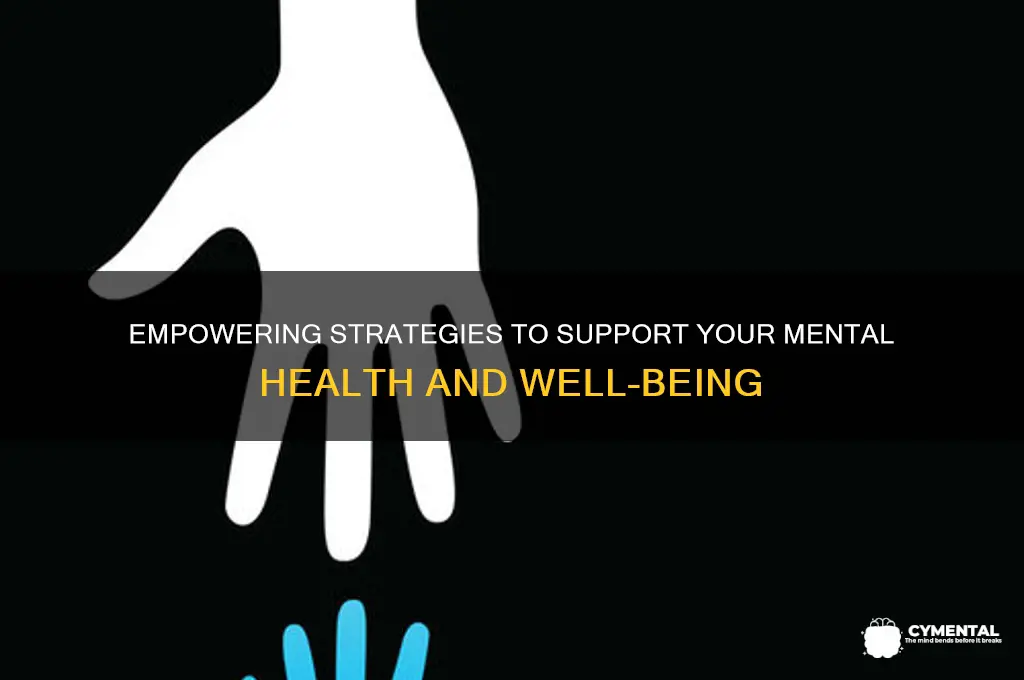
Navigating mental illness can feel overwhelming, but there are actionable steps you can take to support your well-being. Start by acknowledging your feelings and seeking professional help, such as therapy or medication, which can provide essential tools and guidance. Building a strong support network of trusted friends, family, or support groups can also make a significant difference. Incorporating self-care practices like regular exercise, mindfulness, and adequate sleep can improve your mental health, while setting realistic goals and practicing self-compassion helps manage stress and foster resilience. Remember, recovery is a journey, and taking small, consistent steps toward healing can lead to meaningful progress.
Explore related products


What You'll Learn
- Seek Professional Help: Find a therapist or psychiatrist for diagnosis, treatment, and ongoing support
- Build a Support System: Connect with friends, family, or support groups for encouragement and understanding
- Practice Self-Care: Prioritize sleep, nutrition, exercise, and relaxation to maintain mental well-being
- Manage Stress: Use mindfulness, meditation, or hobbies to reduce anxiety and overwhelm
- Set Realistic Goals: Break tasks into smaller steps to avoid feeling overwhelmed and build confidence

Seek Professional Help: Find a therapist or psychiatrist for diagnosis, treatment, and ongoing support
Mental health professionals are trained to diagnose and treat a wide range of conditions, from anxiety and depression to bipolar disorder and schizophrenia. A therapist or psychiatrist can provide a personalized treatment plan that may include therapy, medication, or a combination of both. For instance, cognitive-behavioral therapy (CBT) is a common therapeutic approach that helps individuals identify and change negative thought patterns, while selective serotonin reuptake inhibitors (SSRIs) are a class of antidepressants often prescribed to manage symptoms of depression and anxiety. The first step in seeking professional help is to acknowledge that you need support, which can be a significant milestone in your mental health journey.
To find a suitable therapist or psychiatrist, start by researching licensed professionals in your area. Online directories, such as Psychology Today or the American Psychiatric Association’s Find a Psychiatrist tool, allow you to filter by specialty, treatment approaches, and insurance acceptance. When scheduling your first appointment, prepare a list of symptoms, concerns, and questions to ensure a productive discussion. Be honest about your experiences and open to feedback, as this transparency is crucial for an accurate diagnosis and effective treatment plan. Remember, finding the right professional may take time, and it’s okay to switch providers if you don’t feel a connection or see progress.
One common misconception is that therapy or medication is a quick fix. In reality, mental health treatment is often a long-term process that requires patience and commitment. For example, antidepressants typically take 4–6 weeks to show noticeable effects, and therapy may involve weekly sessions for several months or even years. It’s also important to monitor side effects of medications and communicate any concerns with your psychiatrist, who may adjust dosages or switch prescriptions as needed. Ongoing support from a professional can provide stability, especially during challenging periods, and help you develop coping strategies for managing symptoms.
Comparing the roles of therapists and psychiatrists can clarify which professional to consult first. Therapists, including psychologists, social workers, and counselors, specialize in talk therapy and behavioral interventions. Psychiatrists, on the other hand, are medical doctors who can diagnose, treat, and prescribe medication for mental health conditions. If you’re unsure where to start, consider beginning with a therapist, who can assess your needs and refer you to a psychiatrist if medication is warranted. This collaborative approach ensures comprehensive care tailored to your specific situation.
Finally, seeking professional help is an act of self-care, not a sign of weakness. It’s a proactive step toward improving your quality of life and functioning. For adolescents and young adults, early intervention can prevent the worsening of symptoms and promote healthier developmental outcomes. For older adults, addressing mental health concerns can enhance overall well-being and reduce the risk of complications like cognitive decline. Practical tips include keeping a journal to track symptoms, attending appointments consistently, and involving trusted loved ones in your treatment journey for added support. By prioritizing professional help, you’re investing in a foundation for long-term mental health and resilience.
Boost Your Mental Health: Self-Care Strategies for Everyday Wellness
You may want to see also
Explore related products


Build a Support System: Connect with friends, family, or support groups for encouragement and understanding
Human connection is a powerful antidote to the isolation that often accompanies mental illness. While it may feel instinctual to withdraw during difficult times, reaching your hand out—even slightly—can begin to unravel the tangled threads of loneliness and despair. Friends, family, and support groups offer more than just a listening ear; they provide a mirror reflecting your strength, a safety net for your vulnerabilities, and a reminder that you are not alone in your struggles.
Studies show that social support significantly reduces symptoms of depression and anxiety, improves coping mechanisms, and even enhances treatment outcomes.
Building a support system isn't about amassing a crowd; it's about cultivating meaningful connections with individuals who uplift and understand you. Start small. Reach out to a trusted friend or family member, even if it's just a brief text or phone call. Share what you're comfortable with, whether it's a specific struggle or simply a general feeling of being overwhelmed. Remember, vulnerability is a strength, not a weakness. Support groups, both online and in-person, offer a unique space to connect with individuals who share similar experiences. These groups provide a sense of belonging, normalize your feelings, and offer practical strategies for managing your mental health.
NAMI (National Alliance on Mental Illness) and Mental Health America are excellent resources for finding local support groups.
It's crucial to be mindful of the quality of your connections. Surround yourself with people who are empathetic, non-judgmental, and genuinely care about your well-being. Avoid individuals who drain your energy, dismiss your feelings, or contribute to your stress. Setting boundaries is essential; communicate your needs clearly and prioritize relationships that nourish your mental health. Remember, building a support system takes time and effort. Be patient with yourself and others, and don't be afraid to seek professional guidance if needed.
Think of your support system as a garden. It requires nurturing, tending, and sometimes pruning. Invest time in cultivating these relationships, express gratitude for the support you receive, and be willing to offer support in return. Remember, mutuality is key to healthy connections. By building a strong support system, you're not just seeking help; you're actively participating in your own healing process. You're creating a network of love, understanding, and resilience that will carry you through the darkest times and celebrate your triumphs along the way.
Nurturing Your Mind: Practical Steps to Enhance Mental Well-Being
You may want to see also
Explore related products




Practice Self-Care: Prioritize sleep, nutrition, exercise, and relaxation to maintain mental well-being
Sleep is the cornerstone of mental resilience, yet it’s often the first casualty of stress. Adults require 7–9 hours of quality sleep nightly, but mental health struggles can disrupt this cycle, creating a vicious loop of fatigue and emotional instability. To reclaim control, establish a consistent sleep schedule—even on weekends. Limit screen time an hour before bed, as blue light suppresses melatonin production. Instead, engage in calming activities like reading or meditation. For those with insomnia, cognitive behavioral therapy for insomnia (CBT-I) has proven more effective than medication in the long term, addressing the root causes rather than symptoms.
Nutrition fuels not just the body but the brain, with deficiencies in key nutrients like omega-3 fatty acids, vitamin D, and magnesium linked to depression and anxiety. Incorporate brain-boosting foods like fatty fish, nuts, leafy greens, and whole grains into daily meals. Avoid skipping meals, as blood sugar fluctuations can exacerbate mood swings. For actionable steps, start with a food diary to identify triggers—processed foods and excessive sugar often worsen symptoms. Supplements can help, but consult a healthcare provider; for instance, 1,000–2,000 IU of vitamin D daily is recommended for those with deficiencies, especially in regions with limited sunlight.
Exercise is a natural antidepressant, releasing endorphins and reducing cortisol levels. Aim for 150 minutes of moderate aerobic activity weekly, such as brisk walking or cycling, or 75 minutes of vigorous activity like running. For those feeling overwhelmed, break it down into 10-minute sessions—even short bursts improve mood. Yoga and tai chi combine physical movement with mindfulness, offering dual benefits for mental health. Consistency is key; schedule workouts like appointments and choose activities you enjoy to increase adherence.
Relaxation techniques counteract the physiological effects of stress, lowering heart rate and blood pressure. Deep breathing exercises, such as the 4-7-8 method (inhale for 4 seconds, hold for 7, exhale for 8), can be practiced anywhere. Progressive muscle relaxation, which involves tensing and releasing muscle groups, is another effective tool. For a structured approach, consider mindfulness-based stress reduction (MBSR) programs, which teach meditation and body awareness over 8 weeks. Even 10 minutes of daily practice can yield significant improvements in anxiety and focus.
By integrating these self-care practices—sleep, nutrition, exercise, and relaxation—into daily life, individuals can build a robust foundation for mental well-being. Each element complements the others, creating a synergistic effect that enhances resilience and reduces the impact of mental health challenges. Start small, be patient, and remember that self-care is not selfish—it’s essential for thriving.
Hydration and Mind: How Drinking Water Boosts Mental Health
You may want to see also
Explore related products





Manage Stress: Use mindfulness, meditation, or hobbies to reduce anxiety and overwhelm
Stress, if left unchecked, can exacerbate mental health issues, creating a cycle of anxiety and overwhelm. Breaking this cycle requires intentional practices that calm the mind and restore balance. Mindfulness, meditation, and engaging in hobbies are proven strategies to manage stress effectively, offering both immediate relief and long-term resilience.
Consider mindfulness as a mental exercise, akin to strengthening a muscle. It involves focusing your attention on the present moment without judgment. Start small: dedicate 5–10 minutes daily to observe your breath, bodily sensations, or surroundings. Apps like Headspace or Calm provide guided sessions tailored to beginners, while advanced practitioners might explore body scans or mindful walking. Research suggests that consistent practice reduces cortisol levels, the hormone associated with stress, by up to 14% over eight weeks.
Meditation complements mindfulness by deepening relaxation and emotional regulation. Unlike mindfulness, which can be practiced anywhere, meditation often requires a quiet space. Begin with a simple technique: sit comfortably, close your eyes, and repeat a calming word or phrase (a mantra) for 10–15 minutes. For those with restless minds, loving-kindness meditation—focusing on compassion for oneself and others—can be particularly grounding. Studies show that regular meditation increases gray matter density in the brain’s emotional regulation centers, enhancing resilience to stress over time.
Hobbies serve as a practical escape from stressors, redirecting focus and fostering a sense of accomplishment. Choose activities that align with your interests: painting, gardening, playing an instrument, or even gaming. The key is immersion—engaging fully in the activity to achieve a "flow state," where time seems to disappear. For instance, knitting has been shown to lower heart rate by 11 beats per minute, comparable to some meditation practices. Aim for at least 30 minutes daily, adjusting based on your schedule and energy levels.
While these practices are powerful, they’re not one-size-fits-all. Mindfulness might feel uncomfortable for those with trauma, and meditation can be challenging for individuals with ADHD. Hobbies, too, should be chosen thoughtfully—avoid activities that trigger perfectionism or comparison. Start slowly, experiment with different techniques, and be patient. The goal isn’t to eliminate stress entirely but to build a toolkit that helps you navigate it with greater ease. Pair these practices with professional support when needed, as they complement therapy and medication rather than replace them.
Nose Piercings and Mental Health: Exploring the Mind-Body Connection
You may want to see also
Explore related products


Set Realistic Goals: Break tasks into smaller steps to avoid feeling overwhelmed and build confidence
Mental health struggles often amplify the perception of tasks as insurmountable mountains. This distortion can paralyze even the simplest actions, fueling a cycle of avoidance and self-criticism. Breaking tasks into smaller, manageable steps acts as a cognitive counterweight, recalibrating your perception of what’s achievable. For instance, instead of aiming to "clean the house," start with "wipe down the kitchen counters." This granular approach reduces the psychological burden, making progress feel tangible rather than abstract.
Consider the process of rebuilding physical strength after an injury. A physical therapist wouldn’t expect you to lift your maximum weight on day one. Similarly, mental health recovery requires incremental effort. Start with tasks that take 5–10 minutes, like folding one load of laundry or drafting a single email. Gradually extend the duration or complexity as your confidence grows. This method, often referred to as "task scaffolding," mirrors how athletes train or how children learn—through progressive challenges that build on prior successes.
However, beware of the trap of perfectionism. Smaller steps don’t mean flawless execution. If you’re writing a report, for example, allow your first draft to be messy. The goal is forward motion, not immediate mastery. Pair this strategy with time-blocking: allocate 15–20 minutes to a task, then reassess. If you’re still energized, continue; if not, pause without guilt. This prevents burnout while reinforcing the habit of consistent effort.
For those with conditions like depression or ADHD, where motivation fluctuates, external accountability can be a game-changer. Share your micro-goals with a trusted friend or use apps like Habitica, which gamify task completion. Celebrate each small victory—whether it’s crossing an item off a list or simply starting a task. Over time, these micro-achievements compound, reshaping your self-narrative from "I can’t do this" to "I’m making progress."
Finally, adaptability is key. Some days, even the smallest steps will feel heavy. That’s okay. Adjust your goals to match your current capacity, not your idealized version of productivity. For example, if brushing your teeth feels like a marathon, focus solely on that. The goal isn’t to "fix" your mental health overnight but to cultivate resilience through consistent, realistic action. Each small step is a vote for your recovery, a reminder that progress, not perfection, is the true measure of success.
Exercise and Mental Health: Boosting Mood, Focus, and Resilience Naturally
You may want to see also
Frequently asked questions
Begin by consulting a healthcare professional, such as a primary care doctor or a mental health specialist, to discuss your symptoms and concerns. They can provide a diagnosis and recommend treatment options, which may include therapy, medication, or lifestyle changes.
Practice self-care by maintaining a consistent sleep schedule, eating nutritious meals, exercising regularly, and engaging in activities that bring you joy. Mindfulness, meditation, and journaling can also help reduce stress and improve emotional well-being.
Research therapists who specialize in your specific mental health concerns, check their credentials, and read reviews if available. Schedule initial consultations to assess their approach and ensure you feel comfortable and understood. Don’t hesitate to try multiple therapists until you find the right fit.
Look for low-cost or sliding-scale therapy options, community mental health clinics, or telehealth services. Some organizations and nonprofits offer free or discounted resources. Additionally, check if your insurance covers mental health services or explore government assistance programs.