Noah Parker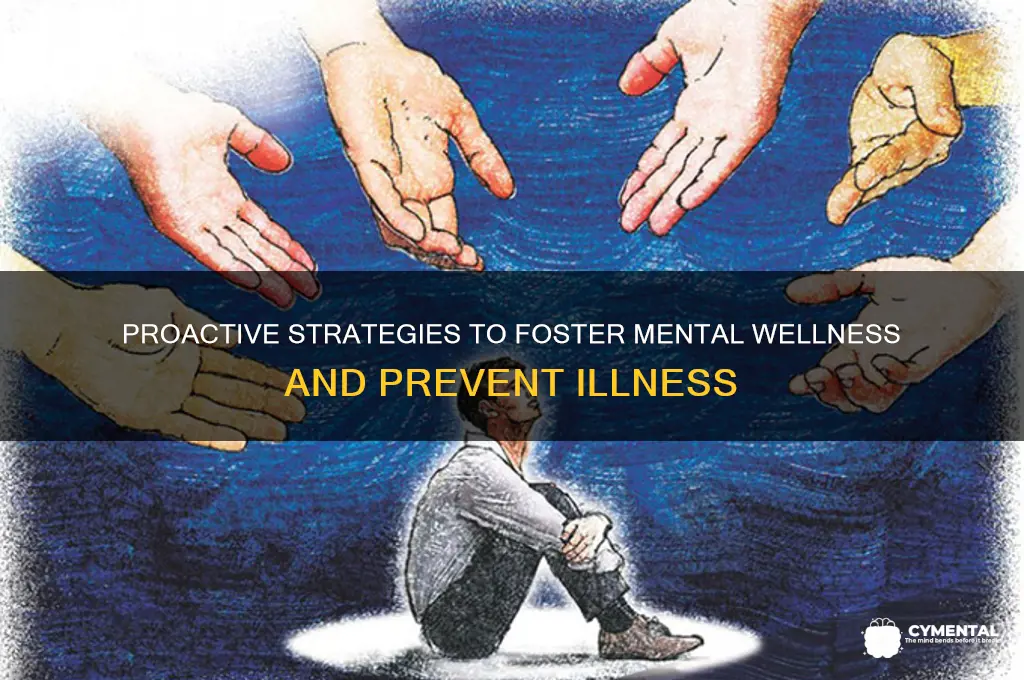
Preventing mental illness involves a multifaceted approach that combines individual, community, and systemic strategies. On a personal level, fostering resilience through healthy lifestyle habits—such as regular exercise, balanced nutrition, adequate sleep, and stress management techniques—can significantly reduce the risk of mental health issues. Building strong social connections and seeking support when needed are equally vital, as isolation often exacerbates mental health challenges. Communities play a crucial role by promoting mental health awareness, reducing stigma, and providing accessible resources like counseling services and support groups. At a systemic level, governments and organizations must prioritize mental health policies, ensure equitable access to care, and invest in early intervention programs. Education and workplace initiatives that address stressors and promote well-being are also essential. By integrating these efforts, society can create an environment that supports mental health and mitigates the onset of mental illness.
| Characteristics | Values |
|---|---|
| Promote Mental Health Awareness | Educate communities about mental health, reduce stigma, and encourage open conversations. |
| Early Intervention | Identify and address mental health issues early through screenings and timely support. |
| Healthy Lifestyle | Encourage regular physical activity, balanced nutrition, adequate sleep, and hydration. |
| Social Connections | Foster strong relationships, community engagement, and social support networks. |
| Stress Management | Teach coping strategies like mindfulness, meditation, and time management techniques. |
| Access to Healthcare | Ensure affordable and accessible mental health services, including therapy and medication. |
| Work-Life Balance | Promote healthy work environments, flexible schedules, and boundaries between work and personal life. |
| Limit Substance Abuse | Educate on the risks of alcohol, drugs, and smoking, and provide support for addiction. |
| Childhood Development | Support nurturing environments, parental education, and early childhood interventions. |
| Economic Stability | Address poverty, unemployment, and financial stress through social and economic policies. |
| Trauma Prevention | Implement programs to prevent violence, abuse, and neglect, especially in vulnerable populations. |
| Digital Well-being | Encourage healthy screen time habits and reduce exposure to harmful online content. |
| Cultural Sensitivity | Provide culturally appropriate mental health resources and services. |
| Policy and Advocacy | Advocate for mental health policies, funding, and integration into public health systems. |
| Self-Care Practices | Promote activities like journaling, hobbies, and self-reflection to maintain mental well-being. |
| Environmental Factors | Create safe, clean, and green living spaces to reduce environmental stressors. |
Explore related products


What You'll Learn
- Promote Healthy Lifestyle: Encourage exercise, balanced diet, and sufficient sleep for mental well-being
- Build Social Connections: Foster strong relationships and community support to reduce isolation
- Teach Stress Management: Provide coping skills like mindfulness, meditation, and relaxation techniques
- Early Intervention: Recognize warning signs and seek professional help promptly to prevent escalation
- Reduce Stigma: Educate and raise awareness to encourage open conversations about mental health

Promote Healthy Lifestyle: Encourage exercise, balanced diet, and sufficient sleep for mental well-being
Physical activity isn’t just about building muscle or shedding pounds—it’s a powerful tool for mental health. Studies show that regular exercise, even as little as 30 minutes of moderate activity (like brisk walking or cycling) five days a week, can reduce symptoms of anxiety and depression by up to 26%. The mechanism? Exercise boosts endorphins, reduces cortisol (the stress hormone), and promotes neuroplasticity, helping the brain adapt to stress more effectively. For children and adolescents, incorporating play-based activities like sports or dance can make exercise feel less like a chore and more like fun, fostering lifelong habits. Adults, especially those with sedentary jobs, can benefit from breaking up long periods of sitting with short bursts of movement, such as stretching or a quick walk.
A balanced diet does more than fuel the body—it nourishes the mind. Nutrient deficiencies, particularly in omega-3 fatty acids, vitamin D, and magnesium, have been linked to increased risk of mental health disorders. Incorporating foods like fatty fish (salmon, mackerel), nuts, seeds, leafy greens, and whole grains can provide these essential nutrients. For instance, omega-3s are critical for brain function, and a deficiency can exacerbate symptoms of depression. Practical tips include meal prepping to ensure consistent intake of nutritious foods and limiting processed foods high in sugar and trans fats, which can trigger inflammation and mood swings. For older adults, whose appetites may decrease, focusing on nutrient-dense, smaller meals can help maintain mental clarity and emotional stability.
Sleep is the body’s reset button, and chronic sleep deprivation can wreak havoc on mental health. Adults need 7–9 hours of quality sleep per night, while teenagers require 8–10 hours. Poor sleep is linked to heightened anxiety, irritability, and cognitive impairment. Establishing a sleep routine—such as going to bed and waking up at the same time daily—can regulate the body’s internal clock. Reducing screen time before bed, creating a dark and quiet sleep environment, and avoiding caffeine after 2 p.m. are actionable steps to improve sleep hygiene. For shift workers or those with irregular schedules, using blackout curtains and white noise machines can help mimic natural sleep conditions, mitigating the mental health risks associated with disrupted sleep patterns.
The interplay between exercise, diet, and sleep creates a synergistic effect on mental well-being. For example, regular physical activity improves sleep quality, while a balanced diet provides the energy needed to stay active. Conversely, neglecting one area can create a domino effect, undermining progress in others. A holistic approach is key: start small, like swapping sugary snacks for fruit or taking a 10-minute walk daily, and gradually build habits. For families, modeling these behaviors can instill healthy patterns in children, while workplaces can promote wellness through initiatives like standing desks or healthy snack options. By prioritizing these three pillars, individuals can fortify their mental resilience and reduce the risk of mental illness.
Boost Mental Health: Twice-Daily Grape Intake for Mind Wellness
You may want to see also
Explore related products


Build Social Connections: Foster strong relationships and community support to reduce isolation
Human beings are inherently social creatures, and our mental health thrives on meaningful connections. Loneliness and social isolation, on the other hand, are significant risk factors for depression, anxiety, and even cognitive decline. Building and maintaining strong social connections act as a protective buffer against these risks, fostering resilience and a sense of belonging.
Imagine a safety net woven from threads of friendship, family bonds, and community involvement. This network provides emotional support during difficult times, offers opportunities for shared experiences and laughter, and creates a sense of purpose and belonging.
Cultivating these connections isn't always easy, especially in a world increasingly dominated by digital interactions. It requires intentional effort and vulnerability. Start small: initiate conversations with neighbors, join a local club or volunteer group aligned with your interests, or reach out to an old friend. Consistency is key; aim for regular interactions, even if brief. Remember, quality trumps quantity. Deep, meaningful conversations and shared activities strengthen bonds more than superficial small talk.
Consider the "dosage" of social interaction. While individual needs vary, research suggests aiming for at least one meaningful social interaction per day. This could be a heartfelt conversation with a friend, a shared meal with family, or participating in a community event. For those struggling with severe isolation, starting with shorter, less intimidating interactions and gradually increasing duration and frequency can be helpful.
Building social connections isn't without its challenges. Fear of rejection, social anxiety, or past hurts can create barriers. It's important to acknowledge these fears and take small, manageable steps. Remember, everyone feels nervous in social situations at times. Focus on active listening, showing genuine interest in others, and being open to new experiences. If anxiety persists, consider seeking support from a therapist who can help develop coping strategies and build social confidence.
Ultimately, fostering strong social connections is an investment in your mental well-being. It's about creating a support system that nourishes your soul, provides a sense of belonging, and reminds you that you are not alone. By prioritizing these connections, you weave a safety net of resilience, protecting yourself from the isolating grip of mental illness and fostering a life filled with meaning and joy.
Physical Education: Boosting Mental Development Through Active Learning
You may want to see also
Explore related products


$21.99 $24.99


Teach Stress Management: Provide coping skills like mindfulness, meditation, and relaxation techniques
Stress is an inevitable part of life, but its management can be the linchpin in preventing mental illness. Teaching stress management equips individuals with tools to navigate life’s challenges without succumbing to overwhelming anxiety or depression. Mindfulness, meditation, and relaxation techniques are not just buzzwords—they are evidence-based practices that rewire the brain’s response to stress. For instance, a study published in *JAMA Internal Medicine* found that mindfulness meditation programs reduced symptoms of anxiety, depression, and pain by 31% to 61%. These practices don’t require expensive equipment or specialized training; they demand only consistency and intention.
To implement mindfulness, start with a simple 5-minute daily practice. Sit in a quiet space, focus on your breath, and observe thoughts without judgment. For children and teens, mindfulness can be integrated into daily routines, such as mindful eating or short breathing exercises before school. Meditation apps like Headspace or Calm offer guided sessions tailored to age groups, making it accessible even for beginners. Relaxation techniques, such as progressive muscle relaxation or deep breathing exercises (e.g., the 4-7-8 method: inhale for 4 seconds, hold for 7, exhale for 8), can be practiced anywhere and take less than 10 minutes.
The key to success lies in consistency and personalization. Not everyone responds to the same techniques, so experimentation is crucial. For example, while some may find solace in silent meditation, others might benefit more from movement-based mindfulness practices like yoga or tai chi. Group settings, such as workplace wellness programs or school mindfulness clubs, can foster accountability and normalize stress management as a collective effort. Employers and educators play a vital role here by incorporating these practices into daily schedules, ensuring they become habits rather than afterthoughts.
However, it’s essential to temper expectations. Stress management is not a cure-all, and it may not prevent mental illness in every case. For individuals with severe or pre-existing conditions, these techniques should complement professional treatment, not replace it. Overemphasis on self-management can lead to self-blame if stress persists, so it’s critical to communicate that seeking help is a sign of strength, not failure.
In conclusion, teaching stress management through mindfulness, meditation, and relaxation techniques is a proactive step toward mental health prevention. These practices are accessible, cost-effective, and adaptable to various age groups and lifestyles. By integrating them into daily life and fostering a culture of self-care, we can build resilience and reduce the risk of mental illness before it takes root. Start small, stay consistent, and remember: managing stress is not about eliminating challenges but about changing how we respond to them.
CBD and Mental Health: Uncovering the Science Behind Its Benefits
You may want to see also
Explore related products

$18.95 $18.95

$18.95 $18.95

$9.99 $14.15


Early Intervention: Recognize warning signs and seek professional help promptly to prevent escalation
Mental health issues often manifest subtly, with early symptoms like persistent sadness, withdrawal, or changes in sleep patterns. Recognizing these warning signs is the first step in preventing more severe conditions. For instance, a teenager who suddenly stops participating in favorite activities or an adult experiencing unexplained fatigue for weeks might be showing early signs of depression or anxiety. Awareness of such changes, especially in loved ones, can prompt timely action.
Once warning signs are identified, the next critical step is seeking professional help. Early intervention can significantly alter the trajectory of mental illness. Therapies like Cognitive Behavioral Therapy (CBT) have proven effective when initiated promptly. For example, studies show that adolescents receiving CBT within three months of symptom onset are 50% less likely to develop chronic depression. Similarly, adults with early-stage psychosis treated with coordinated specialty care experience better long-term outcomes.
However, barriers to early intervention exist. Stigma, lack of awareness, and limited access to mental health services often delay treatment. To overcome these, educate yourself and others about mental health literacy. Schools and workplaces can implement programs that teach individuals to recognize symptoms and provide resources for seeking help. Telehealth services also offer accessible options for those in remote areas or with mobility challenges.
Practical tips for early intervention include maintaining open communication with family and friends, monitoring changes in behavior, and encouraging regular mental health check-ins. Keep a list of local mental health professionals or helplines readily available. For parents, staying attuned to a child’s emotional state and fostering a safe environment for discussion is crucial. Remember, early action isn’t just about preventing escalation—it’s about fostering resilience and recovery.
In conclusion, early intervention is a powerful tool in preventing mental illness. By recognizing warning signs, seeking professional help promptly, and addressing barriers to care, individuals and communities can mitigate the risk of severe mental health conditions. The key lies in proactive awareness and accessible resources, ensuring that no one slips through the cracks.
Fasting and Mental Health: Unlocking the Mind's Potential Through Abstinence
You may want to see also
Explore related products


$17.66 $18.95


$17.96 $18.95


Reduce Stigma: Educate and raise awareness to encourage open conversations about mental health
Stigma silences. It transforms mental health struggles into shameful secrets, preventing individuals from seeking help until crises erupt. This silence perpetuates misconceptions, fosters isolation, and hinders early intervention, a critical factor in preventing mental illness from worsening.
Consider this: a teenager experiencing anxiety might hide their symptoms for fear of being labeled "weak" or "overly dramatic." Without intervention, this anxiety could spiral into depression or debilitating panic attacks. Conversely, in an environment where mental health is discussed openly, that same teenager might feel safe confiding in a trusted adult, accessing therapy, and learning coping mechanisms before their condition escalates.
Education is the antidote to stigma. It dismantles myths, humanizes experiences, and fosters empathy. Schools, workplaces, and communities must integrate mental health education into their curricula and practices. This doesn't require grand gestures; it can be as simple as incorporating age-appropriate lessons on emotions, stress management, and seeking help into existing programs. For example, a middle school might teach students about the fight-or-flight response and healthy ways to manage test anxiety, while a workplace could offer workshops on recognizing burnout and accessing employee assistance programs.
However, education alone isn't enough. We need to move beyond awareness to action. This means creating safe spaces for open dialogue. Support groups, peer-to-peer mentoring programs, and online forums provide platforms for individuals to share their experiences without fear of judgment. Imagine a university hosting a panel discussion featuring students who have successfully navigated mental health challenges. Their stories, coupled with professional insights, would normalize seeking help and inspire others to prioritize their well-being.
Effectively reducing stigma requires a multi-pronged approach. It demands challenging discriminatory language, amplifying diverse voices in mental health narratives, and advocating for policies that promote equitable access to care. It's about recognizing that mental health is not a personal failing but a fundamental aspect of human experience, deserving of compassion, understanding, and support. By dismantling stigma, we create a society where seeking help is not an act of weakness but a courageous step towards healing and resilience.
Lady Gaga's Mental Health Journey: A Catalyst for Creative Success
You may want to see also
Frequently asked questions
Maintaining a healthy lifestyle, including regular exercise, balanced nutrition, adequate sleep, and stress management, can significantly reduce the risk of mental illness. Building strong social connections, avoiding substance abuse, and seeking early intervention for symptoms are also crucial.
Social support provides emotional comfort, reduces feelings of isolation, and helps individuals cope with stress. Strong relationships with family, friends, or support groups can act as a buffer against mental health challenges and encourage healthy behaviors.
Yes, mindfulness and meditation practices can reduce stress, improve emotional regulation, and enhance overall mental well-being. Regular practice has been shown to lower the risk of anxiety, depression, and other mental health disorders by promoting relaxation and self-awareness.
Early intervention involves recognizing and addressing mental health symptoms before they worsen. Seeking professional help at the first signs of distress, such as persistent sadness or anxiety, can prevent the progression of mental illness and improve long-term outcomes.