Harper Lewis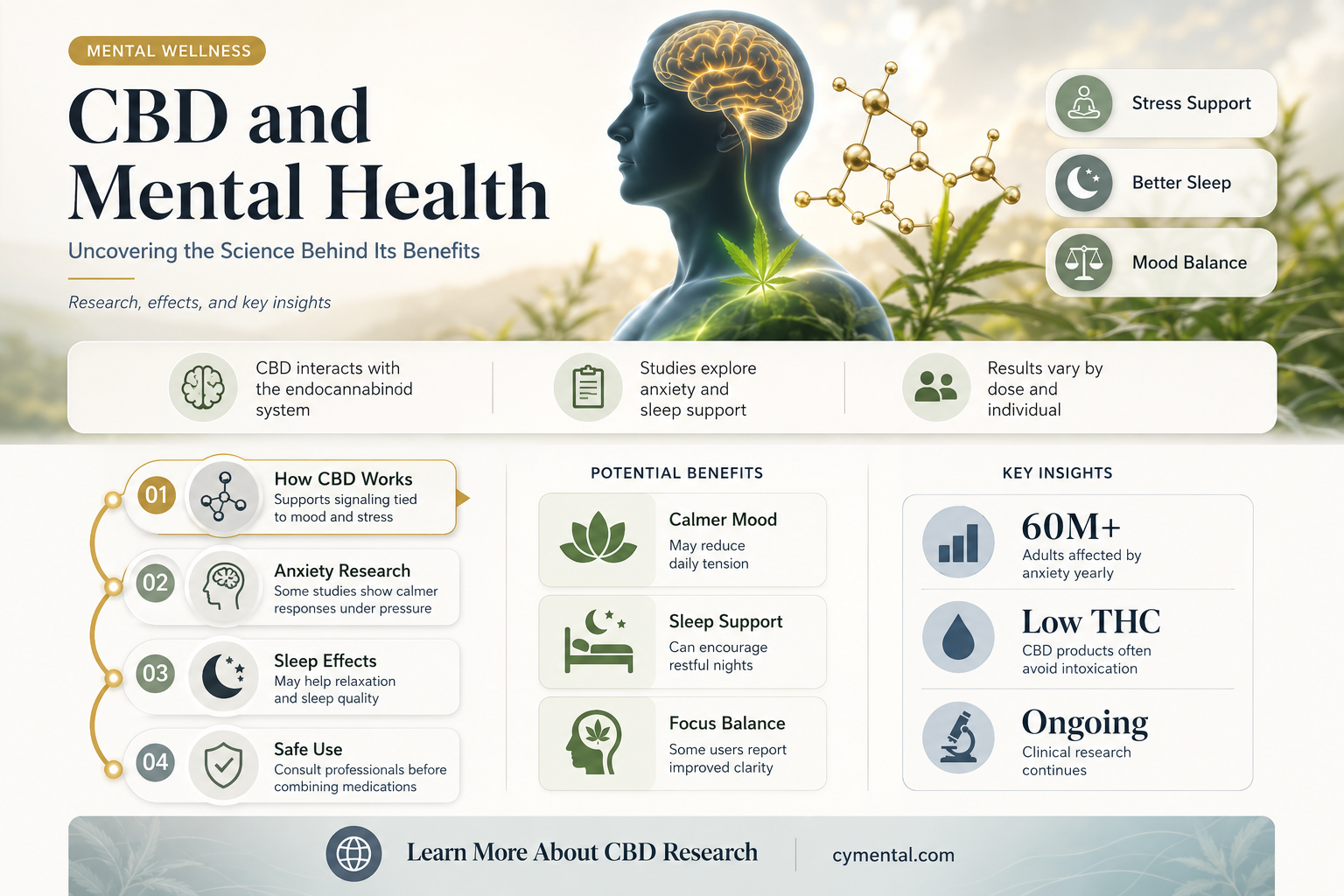
CBD, or cannabidiol, has gained significant attention in recent years for its potential therapeutic benefits, particularly in the realm of mental health. Derived from the cannabis plant, CBD is non-psychoactive, meaning it doesn’t produce the high associated with THC. Research and anecdotal evidence suggest that CBD may help alleviate symptoms of anxiety, depression, PTSD, and insomnia by interacting with the body’s endocannabinoid system, which plays a role in regulating mood, stress, and sleep. While some studies show promising results, such as reduced anxiety in clinical trials, the scientific community emphasizes the need for more extensive research to fully understand its efficacy, optimal dosages, and long-term effects. Despite this, many individuals report positive outcomes, fueling growing interest in CBD as a complementary mental health treatment.
| Characteristics | Values |
|---|---|
| Anxiety Reduction | CBD has shown potential in reducing anxiety symptoms, particularly in generalized anxiety disorder (GAD), social anxiety disorder (SAD), and post-traumatic stress disorder (PTSD). Studies suggest it may alter serotonin signaling, promoting calming effects. |
| Depression Management | Preliminary research indicates CBD may have antidepressant-like effects by interacting with the endocannabinoid system and serotonin receptors, though more studies are needed for conclusive evidence. |
| Sleep Improvement | CBD is linked to improved sleep quality, particularly in individuals with anxiety or insomnia, by addressing underlying causes like stress and pain. |
| Neuroprotective Properties | CBD has shown promise in protecting against neurodegenerative disorders, potentially benefiting mental health conditions like schizophrenia and bipolar disorder. |
| Anti-Inflammatory Effects | Chronic inflammation is linked to mental health issues like depression. CBD’s anti-inflammatory properties may indirectly support mental well-being. |
| Pain Relief | By alleviating chronic pain, CBD may reduce associated mental health symptoms like anxiety and depression. |
| Addiction Support | CBD has been studied for its potential to reduce cravings and withdrawal symptoms in substance use disorders, indirectly supporting mental health recovery. |
| Limitations and Variability | Effects vary based on dosage, individual physiology, and product quality. Not all users experience benefits, and more research is needed for definitive conclusions. |
| Safety and Side Effects | Generally considered safe, but potential side effects include fatigue, diarrhea, and changes in appetite. May interact with medications, particularly those metabolized by the liver. |
| Regulatory and Legal Status | CBD’s legal status varies by region, and regulatory oversight of product quality is inconsistent, affecting reliability and safety. |
| Need for Further Research | While promising, most studies are preliminary or based on animal models. Large-scale clinical trials are required to establish efficacy and optimal dosing for mental health conditions. |
Explore related products




What You'll Learn

CBD and Anxiety Reduction
CBD, or cannabidiol, has emerged as a potential ally in the battle against anxiety, a condition affecting millions worldwide. Unlike its psychoactive cousin THC, CBD does not induce a "high," making it an appealing option for those seeking relief without alteration of consciousness. Research suggests that CBD interacts with the body’s endocannabinoid system, which plays a role in regulating mood, stress, and fear responses. Studies, such as a 2019 review in *The Permanente Journal*, have shown that CBD may reduce anxiety in individuals with conditions like generalized anxiety disorder (GAD), social anxiety disorder (SAD), and post-traumatic stress disorder (PTSD). For instance, participants in a Brazilian study who received 300 mg of CBD before a public speaking test reported significantly lower anxiety levels compared to the placebo group.
When considering CBD for anxiety reduction, dosage is critical. Most clinical studies use doses ranging from 300 to 600 mg per day, but starting low and gradually increasing is advisable. For example, beginners might start with 10–20 mg daily and monitor effects over a week. It’s important to consult a healthcare provider, especially if you’re taking other medications, as CBD can interact with certain drugs. Additionally, the method of consumption matters: sublingual tinctures offer faster absorption, while capsules provide consistent dosing, and edibles or gummies may take longer to take effect but offer convenience.
One practical tip for integrating CBD into an anxiety management routine is to pair it with mindfulness practices. For instance, taking CBD 30–60 minutes before meditation or deep breathing exercises can enhance relaxation. However, CBD is not a cure-all. It works best as part of a holistic approach that includes therapy, exercise, and healthy sleep habits. For younger adults (18–30), who often face anxiety related to academic or career pressures, combining CBD with stress-management techniques like journaling or yoga can be particularly effective.
While anecdotal evidence and preliminary studies are promising, it’s essential to approach CBD with realistic expectations. Not everyone experiences the same benefits, and factors like individual body chemistry, product quality, and consistency of use play significant roles. For example, full-spectrum CBD products, which contain trace amounts of THC and other cannabinoids, may produce an "entourage effect," potentially enhancing anxiety relief. However, individuals in states with strict THC laws or those subject to drug testing should opt for broad-spectrum or isolate products.
In conclusion, CBD shows potential as a tool for anxiety reduction, supported by both scientific research and user testimonials. By starting with a low dose, choosing the right product, and incorporating it into a broader wellness strategy, individuals may find it a valuable addition to their mental health toolkit. However, patience and personalization are key—what works for one person may not work for another. As the field of CBD research expands, staying informed and consulting professionals will remain crucial for maximizing its benefits.
Supporting Teammates: The Role of Peer Support in Mental Health
You may want to see also
Explore related products


CBD’s Impact on Depression Symptoms
Depression affects over 264 million people globally, and while traditional treatments like antidepressants and therapy are effective for many, a significant portion of individuals continue to experience symptoms. This has led to growing interest in alternative treatments, including CBD (cannabidiol). Derived from the cannabis plant, CBD is non-psychoactive and has been studied for its potential to alleviate depression symptoms. Research suggests that CBD interacts with the endocannabinoid system, which plays a role in mood regulation, offering a promising avenue for those seeking relief.
One of the most compelling aspects of CBD is its potential to address both the emotional and physical symptoms of depression. Studies, such as a 2018 review published in *Molecules*, indicate that CBD may have anxiolytic (anti-anxiety) and antidepressant effects. For instance, animal studies have shown that CBD can increase serotonin levels, a neurotransmitter often depleted in depression. While human trials are still limited, anecdotal evidence and preliminary research suggest that doses ranging from 300 to 600 mg daily may help reduce symptoms like persistent sadness, fatigue, and loss of interest. However, it’s crucial to consult a healthcare provider before starting CBD, especially if you’re already on medication.
For those considering CBD as a supplement to their mental health regimen, it’s essential to approach it methodically. Start with a low dose (e.g., 20–40 mg per day) and gradually increase until you find relief, a strategy known as “start low, go slow.” Opt for high-quality, third-party tested products to ensure purity and accurate dosing. Full-spectrum CBD, which contains trace amounts of other cannabinoids, may offer enhanced benefits due to the “entourage effect,” though some prefer isolate to avoid even minimal THC exposure. Keep a symptom journal to track changes over time, as the effects of CBD can be subtle and cumulative.
While CBD shows promise, it’s not a one-size-fits-all solution. Factors like age, weight, and the severity of depression can influence its effectiveness. For example, younger adults may metabolize CBD differently than older individuals, potentially requiring adjustments in dosage. Additionally, CBD can interact with certain medications, such as blood thinners, so caution is advised. Combining CBD with lifestyle changes—like regular exercise, a balanced diet, and adequate sleep—may amplify its benefits. Ultimately, CBD should be viewed as a complementary tool rather than a standalone cure for depression.
The takeaway is that while CBD’s impact on depression symptoms is still being explored, early evidence is encouraging. Its ability to modulate mood and reduce anxiety makes it a worthwhile consideration for those exploring alternative treatments. However, patience and personalized experimentation are key. By working closely with a healthcare provider and adopting a mindful approach to dosing and product selection, individuals can maximize the potential benefits of CBD while minimizing risks. As research continues to evolve, CBD may become an increasingly valuable option in the fight against depression.
Christian Psychology: A Faith-Based Approach to Mental Health Healing?
You may want to see also
Explore related products

$11.47 $14.99



CBD for PTSD Management
Post-traumatic stress disorder (PTSD) affects millions worldwide, often leaving individuals grappling with intrusive memories, hyperarousal, and emotional numbness. Traditional treatments like therapy and medication work for some but fall short for others, driving interest in alternative options like CBD. Derived from cannabis, CBD lacks the psychoactive effects of THC, making it an appealing candidate for symptom relief without intoxication. Research suggests CBD may influence the endocannabinoid system, which plays a role in regulating stress responses and emotional processing, offering a potential mechanism for its therapeutic effects.
Consider a scenario where a veteran experiences recurrent nightmares and heightened anxiety triggered by combat memories. Incorporating CBD into their routine could involve starting with a low dose of 10–20 mg daily, gradually increasing under professional guidance. Sublingual tinctures allow for precise dosing and faster absorption, while capsules provide convenience for consistent intake. Combining CBD with mindfulness practices or therapy sessions may enhance its calming effects, fostering a sense of safety and grounding. However, individual responses vary, and consulting a healthcare provider is crucial to avoid interactions with existing medications.
Studies exploring CBD for PTSD show promise but remain in early stages. A 2019 review in *The Permanente Journal* highlighted CBD’s potential to reduce anxiety and improve sleep in PTSD patients, though sample sizes were small. Another study in *Journal of Alternative and Complementary Medicine* (2021) noted CBD’s ability to extinguish fear memories in animal models, a key factor in PTSD symptomology. While these findings are encouraging, larger clinical trials are needed to establish optimal dosages and long-term efficacy. Anecdotal reports from users often cite reduced nightmares and improved emotional regulation, but scientific consensus requires more rigorous investigation.
Practical considerations for using CBD in PTSD management include selecting high-quality products from reputable brands, ensuring third-party lab testing for purity and potency. Full-spectrum CBD, containing trace amounts of THC and other cannabinoids, may offer enhanced benefits through the entourage effect, though broad-spectrum or isolate options are preferable for those avoiding THC entirely. Monitoring side effects like fatigue or changes in appetite is essential, as is maintaining open communication with a mental health professional. While not a cure-all, CBD presents a complementary tool for those seeking additional support in their PTSD journey.
Incorporating CBD into PTSD management requires patience, experimentation, and professional oversight. It’s not a replacement for evidence-based therapies but may provide symptomatic relief for some individuals. As research evolves, staying informed and cautious ensures safe and effective use. For those exploring this option, starting small, tracking progress, and prioritizing holistic care can maximize potential benefits while minimizing risks. CBD’s role in PTSD treatment remains under investigation, but its unique properties offer a glimmer of hope for those navigating this complex condition.
Boost Your Brain: The Surprising Benefits of Mental Math Mastery
You may want to see also
Explore related products




CBD’s Role in Stress Relief
Stress, an inevitable companion in modern life, often demands more than deep breaths and positive thinking. Enter CBD, a compound increasingly spotlighted for its potential to mitigate stress responses. Unlike THC, CBD doesn’t induce a high, making it a viable option for those seeking clarity alongside calm. Research suggests CBD interacts with the endocannabinoid system, which regulates mood, sleep, and stress. A 2019 study published in *The Permanente Journal* found that 79% of participants experienced reduced anxiety after using CBD, with many reporting improved sleep—a critical factor in stress management.
To harness CBD for stress relief, start with a low dose, typically 10–20 mg per day, and gradually increase as needed. Sublingual tinctures offer quick absorption, while capsules provide consistent dosing. Topicals, though less direct, can soothe physical tension often tied to stress. Timing matters: take CBD in the morning for all-day balance or before bed to ease nighttime anxiety. For acute stress episodes, vaping or sublingual drops deliver rapid effects, though long-term users may prefer sustained methods like edibles.
Not all CBD is created equal. Opt for full-spectrum products, which include trace amounts of other cannabinoids and terpenes, enhancing efficacy through the entourage effect. Third-party lab testing ensures purity and potency, critical for avoiding contaminants. Beware of exaggerated claims; while promising, CBD isn’t a cure-all. Consult a healthcare provider, especially if taking medications, as CBD can interact with certain drugs.
Comparing CBD to traditional stress remedies highlights its unique advantages. Unlike benzodiazepines, CBD lacks addictive properties and doesn’t impair cognitive function. Herbal alternatives like valerian root or chamomile may offer mild relief but often lack the robust research backing CBD. Mindfulness practices, while effective, require consistent effort, whereas CBD can provide immediate support during overwhelming moments.
Incorporating CBD into a stress-relief toolkit requires mindfulness and experimentation. Pair it with lifestyle changes—regular exercise, a balanced diet, and adequate sleep—for optimal results. For those over 18, CBD offers a natural, accessible option to navigate stress’s complexities. While not a standalone solution, its potential to restore equilibrium makes it a worthy consideration in the pursuit of mental well-being.
Doctors Without Borders: Addressing Mental Health in Global Crisis Zones
You may want to see also
Explore related products


CBD and Sleep Improvement
Sleep disturbances are a common thread in many mental health challenges, from anxiety to depression. CBD, or cannabidiol, has emerged as a potential natural remedy for improving sleep quality, though its mechanisms and effectiveness are still being explored. Research suggests that CBD may influence sleep by interacting with the endocannabinoid system, which plays a role in regulating sleep-wake cycles. A 2019 study published in *The Permanente Journal* found that 67% of participants experienced improved sleep scores within the first month of using CBD, with doses ranging from 25 to 175 mg daily. While these findings are promising, they highlight the need for personalized dosing, as individual responses vary significantly.
For those considering CBD to enhance sleep, starting with a low dose is crucial. Beginners often begin with 10–20 mg of CBD oil taken 30 minutes before bedtime. Sublingual tinctures are preferred for faster absorption, but capsules or edibles can provide longer-lasting effects. It’s essential to monitor how your body responds and adjust the dosage gradually. For instance, if 20 mg doesn’t yield noticeable improvements after a week, increasing to 30–40 mg might be warranted. However, exceeding 100 mg daily is generally not recommended without medical supervision, as higher doses may cause drowsiness or other side effects.
Comparing CBD to traditional sleep aids reveals its unique advantages and limitations. Unlike prescription medications like benzodiazepines, CBD is non-habit-forming and less likely to cause grogginess the next morning. However, its effectiveness can be inconsistent, and it may not address underlying sleep disorders like sleep apnea. Combining CBD with good sleep hygiene practices—such as maintaining a regular sleep schedule, limiting screen time before bed, and creating a calming bedtime routine—can maximize its benefits. For older adults or individuals with chronic conditions, consulting a healthcare provider is advisable to avoid interactions with other medications.
A descriptive approach to incorporating CBD into a sleep-improvement regimen might include creating a soothing pre-sleep ritual. Imagine dimming the lights, sipping herbal tea infused with a few drops of CBD oil, and practicing deep breathing exercises. This multisensory experience not only signals to your body that it’s time to wind down but also leverages CBD’s potential anxiolytic effects, which can indirectly promote relaxation and sleep readiness. For those who prefer a more structured approach, keeping a sleep journal to track CBD usage, dosage, and sleep quality can provide valuable insights into what works best for you.
In conclusion, while CBD shows promise as a sleep aid, it’s not a one-size-fits-all solution. Its effectiveness depends on factors like dosage, delivery method, and individual physiology. By starting with a low dose, combining it with healthy sleep habits, and monitoring progress, individuals can harness its potential to improve sleep quality. As research continues to evolve, CBD remains a compelling option for those seeking natural alternatives to traditional sleep aids.
Therapy's Impact: My Journey with Mental Illness and Healing
You may want to see also
Frequently asked questions
While research is still in its early stages, several studies suggest CBD may help reduce anxiety symptoms, particularly in conditions like generalized anxiety disorder, social anxiety disorder, and PTSD. However, more large-scale clinical trials are needed for definitive conclusions.
Some preclinical and anecdotal evidence indicates CBD may have antidepressant-like effects by interacting with serotonin receptors in the brain. However, human studies are limited, and CBD should not replace prescribed antidepressant medications without medical advice.
Early research and case studies show CBD may help reduce nightmares, anxiety, and replaying traumatic memories in individuals with PTSD. Its potential to modulate fear memory and stress responses is promising, but more research is required.
CBD may improve sleep quality by addressing underlying issues like anxiety or stress. Some studies suggest it can promote relaxation and reduce REM sleep behavior disorder, but its effects vary among individuals, and dosage plays a critical role.
While generally considered safe, CBD can cause side effects like fatigue, diarrhea, or changes in appetite. It may also interact with medications, particularly those metabolized by the liver. Always consult a healthcare professional before using CBD for mental health purposes.