Madison Cole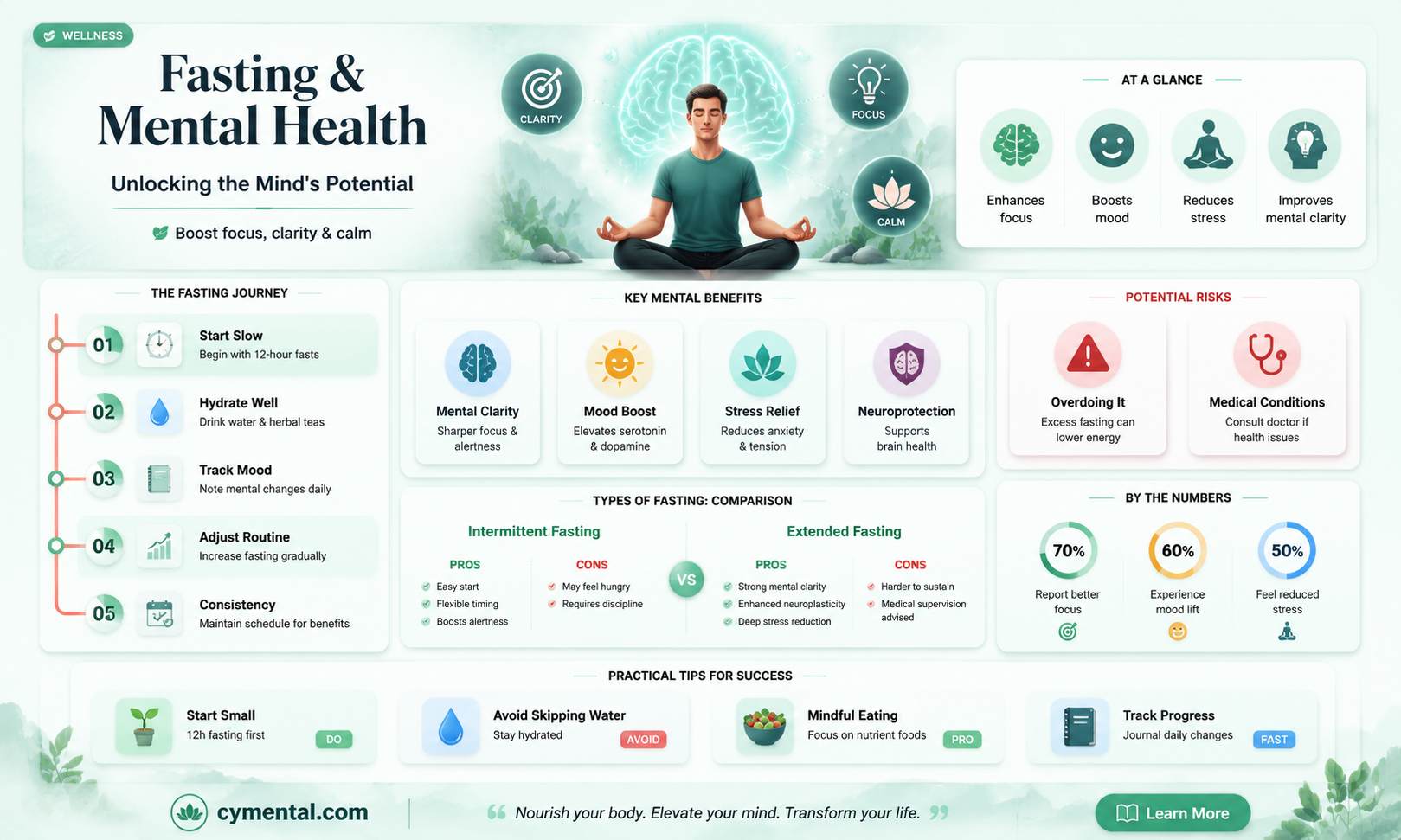
Fasting, the practice of abstaining from food and sometimes beverages for a set period, has long been associated with physical health benefits, such as weight loss and improved metabolic function. However, emerging research suggests that fasting may also have a positive impact on mental health. Studies indicate that intermittent fasting can enhance cognitive function, reduce symptoms of depression and anxiety, and promote neuroplasticity by increasing the production of brain-derived neurotrophic factor (BDNF), a protein crucial for brain health. Additionally, fasting may help regulate stress responses by influencing cortisol levels and promoting a sense of mental clarity and focus. While more research is needed to fully understand the mechanisms at play, these findings highlight fasting as a potential complementary approach to supporting mental well-being alongside traditional therapies.
Explore related products


What You'll Learn
- Fasting reduces inflammation, potentially alleviating depression and anxiety symptoms through improved brain health
- Intermittent fasting may boost BDNF, a protein linked to cognitive function and mood stability
- Fasting can enhance stress resilience by activating adaptive cellular responses in the brain
- Ketosis from fasting may improve focus and mental clarity by stabilizing energy levels
- Spiritual fasting practices often promote mindfulness, reducing stress and enhancing emotional well-being

Fasting reduces inflammation, potentially alleviating depression and anxiety symptoms through improved brain health
Chronic inflammation is increasingly recognized as a silent contributor to mental health disorders, including depression and anxiety. Fasting, particularly intermittent fasting, has been shown to reduce systemic inflammation by lowering pro-inflammatory markers like C-reactive protein (CRP) and cytokines. This anti-inflammatory effect is not merely a physical benefit; it directly impacts brain health. The brain, highly sensitive to inflammation, experiences improved function when these markers decrease, potentially alleviating symptoms of mood disorders. For instance, studies have demonstrated that individuals practicing time-restricted eating (e.g., 16:8 fasting) for 8–12 weeks exhibit reduced inflammation and report improved mood and anxiety levels.
To harness fasting’s anti-inflammatory benefits for mental health, consider starting with a 12-hour overnight fast and gradually extending to 16 hours. Hydration is critical during fasting periods, as dehydration can exacerbate stress and anxiety. Incorporate anti-inflammatory foods like fatty fish, turmeric, and leafy greens during eating windows to amplify the effects. Avoid overeating post-fast, as this can negate the inflammatory benefits. For those new to fasting, begin with 2–3 fasting days per week and monitor how your body and mind respond.
A comparative analysis of fasting versus traditional anti-inflammatory diets (e.g., Mediterranean) reveals that fasting acts more rapidly on inflammation due to its direct impact on metabolic pathways. While the Mediterranean diet provides sustained benefits over time, fasting offers a quicker intervention for those seeking immediate relief from inflammation-related mental health symptoms. However, fasting is not a one-size-fits-all solution; individuals with a history of eating disorders or certain medical conditions should consult a healthcare provider before starting.
The brain’s response to reduced inflammation is multifaceted. Lower inflammation levels enhance neuroplasticity, the brain’s ability to form new neural connections, which is often impaired in depression and anxiety. Additionally, fasting increases the production of brain-derived neurotrophic factor (BDNF), a protein crucial for neuronal health. Low BDNF levels are linked to depression, and fasting has been shown to elevate BDNF by up to 50–70% in animal studies, with promising human trials underway.
In practice, combining fasting with mindfulness practices like meditation or yoga can enhance its mental health benefits. Mindfulness reduces stress, a key trigger of inflammation, creating a synergistic effect. For example, a 16-hour fast paired with a 20-minute morning meditation session may yield greater improvements in mood and anxiety than fasting alone. Keep a journal to track changes in symptoms, energy levels, and overall well-being, as individual responses to fasting vary.
While fasting shows promise in reducing inflammation and improving mental health, it is not a standalone treatment for severe depression or anxiety. It should complement, not replace, evidence-based therapies like cognitive-behavioral therapy or medication. For those exploring fasting as a mental health tool, consistency and patience are key. Results may take 4–6 weeks to manifest, but the potential for improved brain health and reduced symptoms makes it a compelling strategy to consider.
Boost Your Mental Health: Hobbies That Heal and Inspire
You may want to see also
Explore related products




Intermittent fasting may boost BDNF, a protein linked to cognitive function and mood stability
Intermittent fasting, a practice that cycles between periods of eating and fasting, has been linked to increased levels of Brain-Derived Neurotrophic Factor (BDNF), a protein crucial for brain health. BDNF plays a pivotal role in neuroplasticity, the brain’s ability to form new neural connections, and is closely tied to cognitive function and mood stability. Studies suggest that during fasting periods, the body undergoes metabolic shifts that stimulate BDNF production, potentially enhancing mental clarity and emotional resilience. For instance, a 2018 study published in *Cell Metabolism* found that time-restricted feeding in humans increased BDNF levels, supporting the idea that structured fasting could be a tool for brain health.
To harness this benefit, consider adopting a 16:8 fasting protocol, where you eat within an 8-hour window and fast for the remaining 16 hours. This approach is accessible for most adults and aligns with the body’s natural circadian rhythms. For older adults or those with specific health concerns, consulting a healthcare provider is essential, as fasting may need to be tailored to individual needs. Pairing fasting with a nutrient-dense diet rich in omega-3 fatty acids, antioxidants, and vitamins can further support BDNF production and overall brain health.
While the science is promising, it’s critical to approach intermittent fasting with caution. Prolonged fasting or extreme calorie restriction can lead to stress responses that may counteract BDNF benefits. For example, fasting for more than 24 hours without medical supervision can trigger cortisol spikes, potentially impairing cognitive function. Additionally, individuals with a history of eating disorders or those under significant psychological stress should avoid fasting, as it may exacerbate mental health challenges.
A practical takeaway is to start small and monitor your body’s response. Begin with a 12-hour fasting window and gradually extend it as tolerated. Incorporate mindfulness practices like meditation or light exercise during fasting periods to enhance focus and mood. Tracking changes in cognitive function and emotional well-being over time can provide valuable insights into how fasting impacts your mental health. By combining intermittent fasting with a balanced lifestyle, you may unlock its potential to boost BDNF and support long-term brain health.
Supporting Through Crisis: Effective Ways to Aid Mental Breakdown Recovery
You may want to see also
Explore related products




Fasting can enhance stress resilience by activating adaptive cellular responses in the brain
Fasting, when practiced mindfully, triggers a cascade of cellular changes that bolster the brain's ability to withstand stress. At the heart of this process is the activation of adaptive cellular responses, such as autophagy and the production of neurotrophic factors like BDNF (Brain-Derived Neurotrophic Factor). These mechanisms not only clear out damaged cellular components but also promote the growth and resilience of neurons. For instance, studies in animal models have shown that intermittent fasting increases BDNF levels by up to 50–70%, enhancing synaptic plasticity and improving stress tolerance. This biological rewiring positions fasting as a potent tool for building mental fortitude.
To harness these benefits, consider incorporating time-restricted eating or intermittent fasting into your routine. Start with a 12-hour fasting window and gradually extend it to 16 hours, ensuring it aligns with your lifestyle and health status. For example, a 7 a.m. to 3 p.m. eating window allows for a 16-hour fast overnight. Pair this with a nutrient-dense diet rich in omega-3 fatty acids, antioxidants, and complex carbohydrates to support brain health. Avoid extreme fasting protocols, especially if you’re under 18, pregnant, or have underlying health conditions, as these groups may experience adverse effects.
A comparative analysis reveals that fasting’s stress-resilience benefits rival those of traditional interventions like exercise and meditation. While exercise primarily boosts endorphins and meditation calms the nervous system, fasting directly targets cellular repair and neurogenesis. Combining these approaches—say, a morning fast followed by a 30-minute walk and 10 minutes of mindfulness—can create a synergistic effect, amplifying stress resilience. However, fasting’s edge lies in its ability to induce systemic changes at the cellular level, offering a deeper, more sustained impact on mental health.
Practically, monitor your body’s response to fasting by tracking mood, energy levels, and cognitive function. If you experience irritability or fatigue, adjust the fasting duration or frequency. Hydration is key; drink water, herbal teas, or black coffee during fasting periods to maintain focus and energy. For those new to fasting, begin with shorter windows and gradually progress. Remember, the goal is not deprivation but optimization—fasting should feel empowering, not punishing. By activating adaptive cellular responses, fasting becomes a strategic practice for enhancing stress resilience and fostering long-term mental well-being.
Mental Health Classes: Empowering Students for Emotional Resilience and Success
You may want to see also
Explore related products





Ketosis from fasting may improve focus and mental clarity by stabilizing energy levels
Fasting triggers ketosis, a metabolic state where the body burns fat for fuel instead of glucose. This shift produces ketones, which the brain readily uses as an alternative energy source. Unlike glucose, which can cause energy spikes and crashes, ketones provide a steady, sustained supply of fuel. This stability in energy levels is key to understanding how ketosis from fasting may enhance mental focus and clarity.
Consider the typical glucose-dependent brain. Fluctuations in blood sugar levels, often caused by frequent meals or sugary snacks, can lead to cognitive fog, irritability, and difficulty concentrating. In contrast, ketones offer a more consistent energy source, reducing these fluctuations. Studies suggest that individuals in ketosis report improved attention span, sharper thinking, and better problem-solving abilities. For instance, a 2012 study published in *Nutritional Neuroscience* found that older adults on a ketogenic diet showed significant improvements in cognitive function compared to a control group.
To harness these benefits, one might start with intermittent fasting, such as the 16/8 method (16 hours fasting, 8 hours eating), or extend to longer fasts of 24–48 hours. During fasting, ensure adequate hydration and electrolyte intake (sodium, potassium, magnesium) to support the transition into ketosis. For those new to fasting, gradually increasing fasting duration can help the body adapt. Monitoring ketone levels using urine strips or blood meters can provide feedback on whether you’ve entered ketosis, typically indicated by ketone levels above 0.5 mmol/L.
However, ketosis isn’t a one-size-fits-all solution. Individuals with certain medical conditions, such as diabetes or pancreatic disorders, should consult a healthcare professional before attempting fasting. Additionally, while ketosis can stabilize energy levels, it may take several days for the body to fully adapt, during which some people experience temporary side effects like fatigue or brain fog—often referred to as the "keto flu." Incorporating healthy fats (e.g., avocados, nuts, olive oil) during eating windows can support ketone production and mitigate these effects.
In conclusion, ketosis induced by fasting offers a promising avenue for improving mental focus and clarity by stabilizing energy levels. By adopting a structured fasting regimen, monitoring ketone levels, and addressing potential challenges, individuals can optimize their cognitive function. As with any dietary change, consistency and patience are key to reaping the long-term benefits of this metabolic shift.
Supporting the Mentally Handicapped: Are Current Efforts Truly Making a Difference?
You may want to see also
Explore related products




Spiritual fasting practices often promote mindfulness, reducing stress and enhancing emotional well-being
Spiritual fasting, rooted in traditions like Buddhism, Islam, and Christianity, transcends mere physical deprivation. It serves as a deliberate act of mindfulness, redirecting focus inward to cultivate mental clarity and emotional balance. Unlike fad diets or intermittent fasting for weight loss, spiritual fasting often incorporates rituals such as prayer, meditation, or reflection, embedding the practice within a framework of intentionality. For instance, during Ramadan, Muslims abstain from food and drink from dawn to sunset, pairing this discipline with heightened spiritual awareness and community connection. This dual focus—physical abstinence and mental engagement—distinguishes spiritual fasting as a holistic tool for mental health.
To harness the mindfulness benefits of spiritual fasting, consider these practical steps: begin with a clear intention, such as reducing anxiety or fostering gratitude. Allocate time daily for silent reflection or guided meditation during the fasting period. For beginners, start with shorter durations, like 12–16 hours, gradually extending as comfort allows. Incorporate journaling to track emotional shifts and insights. Caution: avoid fasting if you have a history of eating disorders or severe mental health conditions, as it may exacerbate symptoms. Always consult a healthcare professional before starting any fasting regimen.
A comparative analysis reveals that spiritual fasting differs from secular mindfulness practices like yoga or meditation in its integration of sacrifice and discipline. While mindfulness meditation focuses on present-moment awareness, fasting adds a layer of physical challenge, amplifying mental resilience. Studies suggest that the controlled stress of fasting triggers neuroplasticity, enhancing emotional regulation. For example, a 2020 study published in *Nutrition Reviews* found that participants engaging in spiritual fasting reported lower stress levels and improved mood compared to control groups. This synergy of physical and mental effort makes spiritual fasting a potent, if underutilized, strategy for emotional well-being.
Descriptively, the experience of spiritual fasting often unfolds in stages. Initially, hunger and irritability may dominate, mirroring the mind’s resistance to stillness. As the body adapts, a sense of calm emerges, accompanied by heightened sensory awareness—colors appear brighter, thoughts clearer. By the final stages, many report a profound sense of interconnectedness, as if the veil of daily distractions has lifted. This progression mirrors the journey toward mindfulness, where discomfort gives way to clarity and peace. For those seeking emotional healing, this process can be transformative, offering a reset for both body and mind.
Persuasively, the evidence supporting spiritual fasting as a mental health tool is compelling but often overlooked in modern wellness discourse. Its ability to reduce stress hormones like cortisol, coupled with its promotion of self-discipline and gratitude, positions it as a natural antidote to the chaos of contemporary life. Unlike pharmaceutical interventions, fasting is accessible, cost-effective, and free of side effects when practiced responsibly. By embracing this ancient practice, individuals can reclaim agency over their mental health, fostering resilience and emotional equilibrium in an increasingly frenetic world.
Supporting Friends Through Mental Health Struggles: Compassionate Steps to Take
You may want to see also
Frequently asked questions
Fasting may enhance mental clarity and focus by promoting the production of brain-derived neurotrophic factor (BDNF), which supports neuron health and cognitive function. However, individual responses vary, and prolonged fasting can lead to fatigue or brain fog in some people.
Some studies suggest fasting can reduce inflammation and oxidative stress, which are linked to anxiety and depression. Additionally, fasting may increase resilience to stress by regulating stress hormones like cortisol. However, more research is needed, and it’s not a substitute for professional mental health treatment.
Yes, fasting can negatively affect mental health in some individuals, especially those prone to disordered eating, anxiety, or mood disorders. It may cause irritability, mood swings, or worsen existing mental health conditions. Always consult a healthcare professional before starting fasting.
Intermittent fasting can stabilize blood sugar levels, which may improve mood and energy for some people. However, others may experience low energy, irritability, or difficulty concentrating during fasting periods, especially when first starting.
Fasting has been shown to support brain health by promoting autophagy (cellular repair) and reducing inflammation, which may lower the risk of neurodegenerative diseases. Long-term benefits are promising but require further research to fully understand the impact on mental health.