Ava Ramirez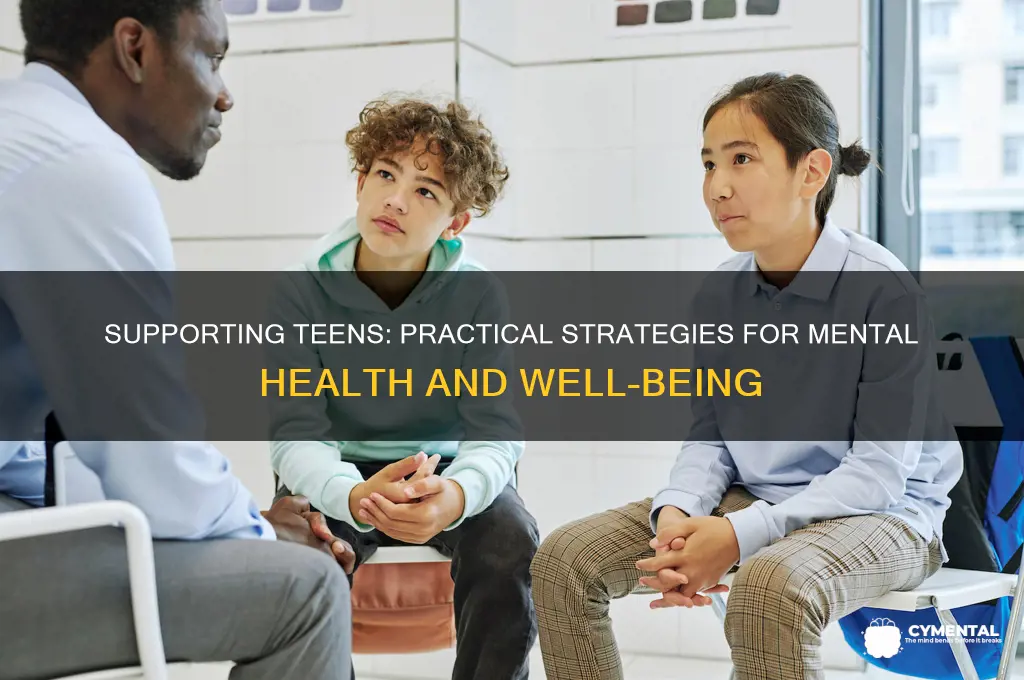
Helping teens navigate mental health challenges requires a compassionate, proactive, and informed approach. Adolescence is a critical period marked by significant emotional, social, and biological changes, making teens particularly vulnerable to issues like anxiety, depression, and stress. To support them effectively, it’s essential to foster open communication, creating a safe space where they feel heard and understood without judgment. Encouraging professional help, such as therapy or counseling, can provide teens with tools to manage their emotions and develop coping strategies. Parents, educators, and caregivers should also educate themselves about mental health, recognize warning signs, and promote healthy habits like regular sleep, physical activity, and balanced nutrition. By combining empathy, awareness, and access to resources, we can empower teens to build resilience and thrive during this pivotal stage of their lives.
Explore related products



$10.58 $18.99


What You'll Learn
- Encourage Open Communication: Create safe spaces for teens to express feelings without fear of judgment
- Promote Healthy Habits: Support regular sleep, balanced diet, and physical activity for mental well-being
- Seek Professional Help: Connect teens with therapists or counselors for expert guidance and support
- Limit Screen Time: Reduce social media and tech use to minimize stress and anxiety
- Build Resilience Skills: Teach coping strategies like mindfulness, problem-solving, and positive self-talk

Encourage Open Communication: Create safe spaces for teens to express feelings without fear of judgment
Teens often struggle to articulate their emotions, let alone share them with others. This silence can exacerbate mental health issues, turning manageable concerns into crises. Creating safe spaces where teens feel heard and accepted is not just beneficial—it’s essential. Start by establishing clear boundaries in conversations: emphasize confidentiality, avoid interrupting, and validate their feelings, even if you don’t fully understand. For example, instead of saying, “You’re overreacting,” try, “It sounds like this is really hard for you.” These small adjustments signal that their emotions are respected, fostering trust over time.
Consider the environment as much as the dialogue. Safe spaces aren’t just about words; they’re about context. A teen might feel more comfortable discussing their feelings during a walk in the park rather than in a formal living room setting. Similarly, digital spaces like private messaging or video calls can work for tech-savvy teens who find face-to-face conversations intimidating. The key is to meet them where they are, both physically and emotionally. For instance, a 14-year-old might open up more easily while playing a video game together than during a direct “check-in” conversation.
One practical strategy is to model vulnerability yourself. Teens are more likely to share if they see adults expressing emotions authentically. Share a minor struggle of your own—like feeling overwhelmed by a deadline—and explain how you cope. This normalizes emotional openness and shows them it’s okay to not always have it together. Pair this with active listening techniques: reflect back what they say to confirm understanding (e.g., “So, you’re feeling frustrated because your friends canceled plans?”). This reinforces that their voice matters.
However, creating safe spaces isn’t without challenges. Teens may test boundaries or fear their honesty will lead to punishment or overreaction. Be mindful of your responses: if they confide in you about experimenting with substances, for example, focus on understanding their motivations rather than immediately disciplining them. Additionally, avoid the trap of offering unsolicited advice. Sometimes, they just want to be heard, not “fixed.” A simple, “That sounds tough. I’m here for you,” can go a long way.
Finally, consistency is key. Safe spaces aren’t built in a single conversation but through repeated interactions that prove you’re reliable and nonjudgmental. Set aside dedicated time each week for open dialogue, even if it’s just 15 minutes. Over time, this routine becomes a lifeline for teens navigating the turbulence of adolescence. Remember, the goal isn’t to eliminate their struggles but to ensure they don’t face them alone. By fostering an environment where emotions are welcomed, not feared, you provide a foundation for resilience and healing.
Empowering Educators: A Guide to Discussing Mental Health Issues
You may want to see also
Explore related products

$13.48 $15.97

$9.59 $16.99


Promote Healthy Habits: Support regular sleep, balanced diet, and physical activity for mental well-being
Teens need 8–10 hours of sleep nightly, yet 73% fall short, according to the CDC. Irregular sleep disrupts mood regulation, cognitive function, and stress resilience. To counter this, establish a consistent bedtime routine: dim lights an hour before bed, limit screen time, and create a quiet, cool sleep environment. Encourage winding-down activities like reading or journaling. For teens struggling with insomnia, cognitive-behavioral therapy for insomnia (CBT-I) has shown effectiveness, improving sleep quality in 70–80% of cases.
A balanced diet isn’t just about physical health—it’s a cornerstone of mental well-being. Omega-3 fatty acids (found in salmon, walnuts, and flaxseeds) reduce anxiety and depression symptoms, while complex carbohydrates (whole grains, legumes) stabilize blood sugar and mood. Encourage teens to eat three meals daily, incorporating protein, healthy fats, and colorful vegetables. Limit processed foods and sugary snacks, which spike blood sugar and crash energy levels. Pro tip: Involve teens in meal planning and cooking to foster autonomy and healthier choices.
Physical activity isn’t just for fitness—it’s a natural antidepressant. Just 30 minutes of moderate exercise (brisk walking, cycling) three times a week can reduce symptoms of depression and anxiety by 20–30%. Encourage activities teens enjoy, whether it’s team sports, dance, or hiking. For reluctant teens, start small: 10-minute bursts of activity or walking breaks during study sessions. Pair exercise with social interaction (group workouts, family walks) to double its mental health benefits.
Here’s the catch: healthy habits don’t stick without consistency and support. Avoid shaming or forcing changes; instead, model behaviors and celebrate small wins. For example, if a teen starts drinking water instead of soda, acknowledge the effort. Be mindful of overloading teens with expectations—focus on one habit at a time. If progress stalls, reassess together: Is the goal realistic? Does the teen feel heard? Remember, the goal isn’t perfection but progress toward sustainable well-being.
Supporting Loved Ones: Practical Ways to Help with Mental Health Struggles
You may want to see also
Explore related products

$14.99





Seek Professional Help: Connect teens with therapists or counselors for expert guidance and support
Teens grappling with mental health issues often need more than a listening ear or generic advice. Professional therapists and counselors offer evidence-based strategies tailored to individual needs, filling a critical gap that well-meaning friends or family cannot. These experts are trained to diagnose underlying conditions, from anxiety and depression to trauma and ADHD, ensuring teens receive targeted interventions rather than one-size-fits-all solutions. For instance, cognitive-behavioral therapy (CBT) has proven effective for teens with anxiety, helping them reframe negative thought patterns over 12–16 sessions. Similarly, dialectical behavior therapy (DBT) equips teens with emotional regulation skills, often in both individual and group settings.
Connecting teens with the right professional requires careful consideration. Start by researching therapists who specialize in adolescent mental health, as their expertise ensures age-appropriate approaches. Many teens respond better to counselors who use creative modalities like art or music therapy, which can bypass resistance to traditional talk therapy. Insurance coverage and location are practical factors, but don’t overlook the importance of a good fit—a therapist’s personality and communication style can make or break a teen’s willingness to engage. Online platforms like BetterHelp or TeenCounseling offer convenient options for tech-savvy teens, though in-person sessions often foster deeper connections.
One common barrier to seeking professional help is stigma, which can deter teens from opening up. Framing therapy as a proactive step toward self-improvement, rather than a sign of weakness, can shift their perspective. Parents or caregivers can model this by normalizing mental health care in family conversations. For example, sharing personal experiences with therapy or counseling can demystify the process. Schools can also play a role by hosting workshops or inviting mental health professionals to speak, reducing the perceived taboo around seeking help.
Finally, professional support isn’t a one-time fix but an ongoing process. Encourage teens to view therapy as a partnership where they actively participate in their healing. Setting realistic expectations—such as understanding that progress may be gradual—can prevent frustration. Regular check-ins with the therapist can assess what’s working and what needs adjustment. For teens in crisis, combining therapy with other supports like medication (prescribed by a psychiatrist) or peer groups can provide a more comprehensive safety net. The goal is to empower teens with tools they can use long after formal therapy ends, fostering resilience and self-awareness.
Effective Strategies to Reduce Mental Health Issues and Improve Well-Being
You may want to see also
Explore related products



Limit Screen Time: Reduce social media and tech use to minimize stress and anxiety
Excessive screen time, particularly on social media, has been linked to increased stress, anxiety, and depression in teens. A 2018 study published in *JAMA Pediatrics* found that adolescents who spent more than three hours a day on social media were at a higher risk for mental health issues. The constant comparison to curated online lives, fear of missing out (FOMO), and cyberbullying contribute to this trend. Limiting screen time isn’t about eliminating technology but creating a healthier balance that prioritizes mental well-being.
To implement this effectively, start by setting clear boundaries. For teens aged 13–18, the American Academy of Child and Adolescent Psychiatry recommends no more than two hours of recreational screen time daily. Use built-in device features like *Screen Time* on iPhones or *Digital Wellbeing* on Android to monitor and restrict usage. Designate tech-free zones, such as bedrooms and the dinner table, to encourage offline activities. Introduce alternatives like reading, journaling, or family game nights to replace mindless scrolling.
However, reducing screen time isn’t without challenges. Teens may resist, arguing that social media is essential for connection. Acknowledge this by helping them identify healthier ways to socialize, such as in-person meetups or group activities. Be a role model by limiting your own screen time and engaging in offline hobbies. Consistency is key—enforce rules gently but firmly, and revisit them periodically to ensure they remain effective.
The benefits of limiting screen time extend beyond mental health. Teens often report improved sleep, increased productivity, and better focus when they reduce their tech use. A study by the University of Pennsylvania found that cutting social media use to 30 minutes a day significantly reduced loneliness and depression in participants. By creating space for real-world interactions and self-reflection, teens can build resilience and emotional well-being.
In conclusion, limiting screen time is a practical and evidence-based strategy to support teen mental health. It requires intentionality, creativity, and patience, but the payoff—a calmer, more balanced teenager—is well worth the effort. Start small, stay consistent, and watch as reduced tech use becomes a natural part of a healthier lifestyle.
Supporting Mental Health in Special Needs: Strategies for Care and Understanding
You may want to see also
Explore related products





Build Resilience Skills: Teach coping strategies like mindfulness, problem-solving, and positive self-talk
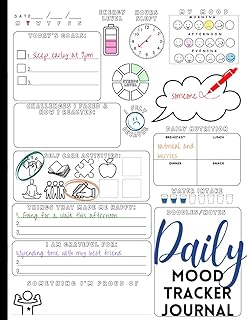
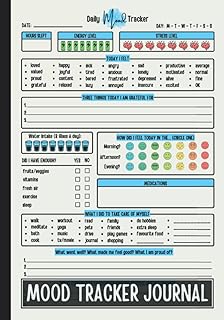
Teens face a barrage of stressors—academic pressure, social dynamics, and the whirlwind of hormonal changes. Without healthy coping mechanisms, these stressors can spiral into anxiety, depression, or worse. Building resilience through mindfulness, problem-solving, and positive self-talk isn’t just a nice-to-have; it’s a lifeline. These skills act as emotional armor, equipping teens to navigate challenges without being overwhelmed.
Mindfulness: The Anchor in the Storm
Start with short, daily mindfulness practices. A 5-minute guided meditation or deep breathing exercise can ground teens in the present moment, reducing the grip of anxiety. Apps like Headspace or Calm offer teen-specific sessions, making it accessible and less intimidating. Encourage them to notice their thoughts without judgment—like clouds passing in the sky. Over time, this practice rewires the brain to respond, not react, to stress. For younger teens (13–15), pair mindfulness with physical activities like yoga or tai chi to keep it engaging. Older teens (16–19) might benefit from journaling their observations post-practice to deepen self-awareness.
Problem-Solving: Turning Chaos into Control
Teach teens a structured problem-solving framework: Identify the problem, brainstorm solutions, evaluate pros and cons, and take action. For instance, if a teen is overwhelmed by homework, break it into smaller tasks and prioritize them. Use real-life scenarios to practice—like resolving a conflict with a friend or managing a tight deadline. Caution: Avoid solving their problems for them. Instead, ask guiding questions like, “What’s one small step you could take right now?” This fosters autonomy and confidence. For teens with ADHD or executive functioning challenges, visual aids like flowcharts or checklists can make this process more manageable.
Positive Self-Talk: Rewriting the Inner Narrative
Teens often internalize criticism, leading to a harsh inner critic. Counteract this by teaching them to reframe negative thoughts. For example, instead of “I’m terrible at math,” encourage, “Math is hard, but I’m improving with practice.” Use the “3 Positives” exercise: Each night, have them write down three things they did well that day. This shifts focus from failures to progress. For teens resistant to journaling, suggest voice memos or sticky notes with affirmations placed where they’ll see them daily. Consistency is key—it takes about 21 days to begin forming a new habit, so patience is essential.
Integrating These Skills: A Holistic Approach
Combine these strategies for maximum impact. For instance, a teen feeling anxious about a test could use mindfulness to calm their nerves, problem-solving to create a study plan, and positive self-talk to stay motivated. Parents and caregivers can model these behaviors, as teens often learn by example. Schools can also play a role by incorporating resilience-building activities into health or homeroom classes. Remember, resilience isn’t about avoiding stress—it’s about bouncing back stronger. By equipping teens with these tools, we empower them to face life’s challenges head-on.
Understanding Mental Health Challenges in Tennessee: Prevalence and Insights
You may want to see also
Frequently asked questions
Parents can look for persistent changes in behavior, mood, or performance, such as withdrawal from social activities, sudden decline in school grades, irritability, or changes in sleep or eating patterns. Open communication and staying involved in their teen’s life can also help identify concerns early.
Approach the conversation with empathy and without judgment. Use open-ended questions, listen actively, and validate their feelings. Avoid blaming or minimizing their experiences, and let them know you’re there to support them unconditionally.
Normalize therapy by discussing it as a positive step toward self-care. Involve them in the decision-making process, and offer to accompany them to appointments. Highlight the benefits of professional support and reassure them that seeking help is a sign of strength.
Encouraging healthy habits like regular exercise, balanced nutrition, adequate sleep, and stress management can significantly improve a teen’s mental well-being. Modeling these behaviors as a parent or caregiver can also reinforce their importance.
Schools can provide mental health resources, such as counseling services, peer support programs, and mental health education. Communities can offer safe spaces, youth groups, and awareness campaigns to reduce stigma and promote early intervention. Collaboration between families, schools, and communities is key.