Ava Ramirez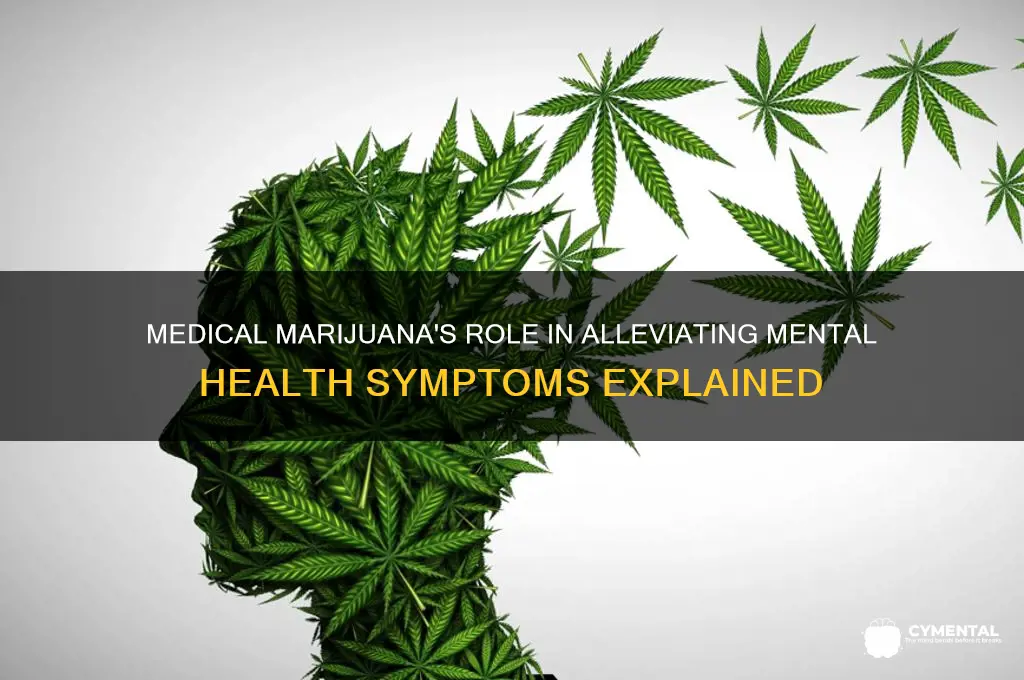
Medical marijuana has emerged as a potential therapeutic option for managing symptoms of mental illness, offering relief for conditions such as anxiety, depression, PTSD, and bipolar disorder. Its active compounds, THC and CBD, interact with the body’s endocannabinoid system, which plays a role in regulating mood, stress, and emotional responses. While research is still evolving, studies suggest that medical marijuana may reduce anxiety, improve sleep, and alleviate symptoms of depression in some individuals. However, its effectiveness and safety vary depending on the specific condition, dosage, and individual response, highlighting the need for careful consideration and consultation with healthcare professionals.
Explore related products


$15.99 $27


What You'll Learn
- Anxiety Reduction: THC and CBD in cannabis may alleviate anxiety symptoms by modulating brain receptors
- Depression Management: Cannabis can boost serotonin levels, potentially easing depressive episodes in some users
- PTSD Symptom Relief: Marijuana may reduce nightmares and hyperarousal in PTSD patients through endocannabinoid system interaction
- Bipolar Mood Stabilization: Some cannabinoids show promise in balancing mood swings, though research is still emerging
- Schizophrenia Symptom Control: CBD might mitigate psychotic symptoms without the side effects of traditional antipsychotics

Anxiety Reduction: THC and CBD in cannabis may alleviate anxiety symptoms by modulating brain receptors
THC and CBD, the primary compounds in cannabis, interact with the brain’s endocannabinoid system, a network of receptors that regulate mood, stress, and fear responses. When these receptors are modulated, they can reduce the hyperactivity often associated with anxiety disorders. For instance, low doses of THC (2.5–7.5 mg) have been shown to decrease anxiety by promoting relaxation, while CBD (15–30 mg) acts as a non-intoxicating counterbalance, mitigating potential paranoia from THC. This dual action highlights how cannabis compounds work synergistically to calm the mind.
Consider the practical application: individuals with generalized anxiety disorder (GAD) or social anxiety may benefit from microdosing THC-dominant strains during stressful situations, such as public speaking or social gatherings. However, high doses of THC (>20 mg) can paradoxically increase anxiety, emphasizing the importance of precision. CBD-dominant products, like oils or capsules, offer a safer alternative for those sensitive to THC’s psychoactive effects. Pairing cannabis use with mindfulness practices, such as deep breathing, can enhance its anxiolytic effects by grounding the user in the present moment.
A comparative analysis reveals that cannabis may offer faster symptom relief than traditional SSRIs, which take weeks to take effect. Unlike benzodiazepines, cannabis carries a lower risk of dependency when used responsibly. For example, a 2020 study found that 79% of participants reported reduced anxiety within 90 minutes of cannabis use. However, long-term efficacy remains under-researched, and individual responses vary based on genetics, metabolism, and pre-existing conditions. This underscores the need for personalized dosing and medical supervision.
To maximize anxiety reduction, start with a 1:1 THC-to-CBD ratio product, such as a tincture or vape cartridge, and titrate slowly. For instance, begin with 2.5 mg THC and 2.5 mg CBD, increasing by 1–2 mg every three days until symptoms improve. Avoid cannabis use in adolescents (<18 years old), as their developing brains are more susceptible to adverse effects. Combining cannabis with therapy, such as cognitive-behavioral therapy (CBT), can address root causes of anxiety while cannabis provides symptomatic relief. Always consult a healthcare provider to avoid interactions with other medications.
The takeaway is clear: THC and CBD’s modulation of brain receptors offers a promising avenue for anxiety relief, but success hinges on informed, controlled use. By understanding dosage, delivery methods, and individual tolerances, users can harness cannabis’s potential without exacerbating symptoms. As research evolves, this natural remedy may become a cornerstone of personalized mental health treatment, bridging the gap between pharmacology and holistic care.
Can Specific Frequencies Boost Your Mood and Mental Well-being?
You may want to see also
Explore related products


Depression Management: Cannabis can boost serotonin levels, potentially easing depressive episodes in some users
Cannabis has been shown to influence serotonin levels in the brain, a key neurotransmitter linked to mood regulation. For individuals grappling with depression, this interaction can be particularly significant. Serotonin deficiency is often associated with depressive symptoms, and certain cannabis compounds, such as THC and CBD, may enhance serotonin receptor activity. While research is still evolving, anecdotal evidence and preliminary studies suggest that controlled cannabis use could offer a complementary approach to managing depressive episodes. However, it’s crucial to approach this with caution, as individual responses vary, and improper use may exacerbate symptoms.
To explore this potential benefit, consider starting with low doses of cannabis products containing balanced THC and CBD ratios, such as 1:1 tinctures or edibles. For instance, a 5mg THC and 5mg CBD dose can be a gentle starting point for adults over 21. Monitoring effects over several weeks is essential, as serotonin modulation is a gradual process. Keep a journal to track mood changes, sleep patterns, and any side effects. This methodical approach allows for adjustments based on personal tolerance and efficacy, ensuring a tailored experience.
One practical tip is to pair cannabis use with other serotonin-boosting activities, such as regular exercise, sunlight exposure, and a diet rich in tryptophan (found in foods like turkey, eggs, and nuts). This holistic strategy maximizes the potential benefits of cannabis while minimizing reliance on it as a sole treatment. For those on antidepressants, consulting a healthcare provider is non-negotiable, as cannabis can interact with medications like SSRIs, potentially altering their effectiveness.
Comparatively, traditional antidepressants often take weeks to show results, whereas some users report quicker mood improvements with cannabis. However, this doesn’t imply cannabis is a replacement for prescribed treatments. Instead, it highlights its potential as an adjunct therapy for select individuals. For example, a 30-year-old with treatment-resistant depression might find that adding a nightly 2.5mg THC microdose enhances the efficacy of their existing medication regimen, provided their psychiatrist approves.
In conclusion, while cannabis’s ability to boost serotonin levels offers a promising avenue for depression management, it’s not a one-size-fits-all solution. Success hinges on informed, cautious use, personalized dosing, and integration with broader mental health strategies. For those considering this approach, collaboration with a knowledgeable healthcare provider is paramount to navigate risks and optimize outcomes.
Boost Productivity: Mental Mapping Strategies for Workplace Success
You may want to see also
Explore related products


PTSD Symptom Relief: Marijuana may reduce nightmares and hyperarousal in PTSD patients through endocannabinoid system interaction
Post-traumatic stress disorder (PTSD) often manifests as relentless nightmares and hyperarousal, trapping individuals in a cycle of fear and vigilance. Emerging research suggests that medical marijuana may offer a novel approach to symptom management by modulating the endocannabinoid system, which plays a critical role in emotional regulation and memory processing. For those struggling with PTSD, this interaction could mean fewer sleep disruptions and a reduction in the heightened anxiety that characterizes hyperarousal.
Consider the mechanism: THC and CBD, the primary compounds in marijuana, interact with CB1 and CB2 receptors in the brain and body. THC’s activation of CB1 receptors may suppress the amygdala’s response to fear-inducing stimuli, potentially diminishing nightmares. Meanwhile, CBD’s anti-anxiety properties could mitigate hyperarousal by promoting balance within the endocannabinoid system. A 2019 study published in the *Journal of Alternative and Complementary Medicine* found that PTSD patients using medical cannabis reported a 75% reduction in CAPS (Clinician-Administered PTSD Scale) symptoms, with nightmares and anxiety being among the most improved.
Practical application requires precision. For instance, a low-THC, high-CBD strain taken sublingually before bed may alleviate nightmares without inducing psychoactive effects. Dosage should start conservatively—5–10 mg of THC and 20–40 mg of CBD—and be adjusted based on individual tolerance. Vaporization offers faster relief for acute hyperarousal episodes, but its effects are shorter-lived compared to edibles or tinctures. Patients should consult a healthcare provider to tailor treatment to their specific needs, particularly if they are taking other medications or have comorbid conditions.
Critics argue that marijuana’s long-term effects on PTSD remain understudied, and its use may risk dependency or cognitive impairment. However, for those who have exhausted conventional treatments—such as SSRIs or cognitive-behavioral therapy—medical marijuana could provide a viable alternative. It’s not a cure, but a tool to reclaim sleep and calm, offering a measure of control over symptoms that often feel insurmountable.
Incorporating medical marijuana into PTSD treatment demands a nuanced approach. Patients should track their symptoms and side effects meticulously, using journals or apps to identify patterns. Combining cannabis with mindfulness practices or therapy may enhance its efficacy, creating a holistic strategy for symptom relief. While not a panacea, its potential to reduce nightmares and hyperarousal underscores the importance of exploring all avenues in the pursuit of mental wellness.
Seeking Support: How Asking for Help Boosts Mental Well-Being
You may want to see also
Explore related products


Bipolar Mood Stabilization: Some cannabinoids show promise in balancing mood swings, though research is still emerging
Bipolar disorder, characterized by extreme mood swings from manic highs to depressive lows, poses significant challenges for both patients and clinicians. Traditional treatments often include mood stabilizers like lithium, but their efficacy varies, and side effects can be burdensome. Emerging research suggests that certain cannabinoids, particularly cannabidiol (CBD) and tetrahydrocannabinol (THC), may offer a novel approach to mood stabilization. While the science is still in its infancy, preliminary studies and anecdotal evidence hint at their potential to modulate emotional extremes without the sedative effects common in conventional medications.
Consider the endocannabinoid system (ECS), a complex cell-signaling network that plays a role in regulating mood, stress, and emotional responses. Cannabinoids interact with the ECS by binding to receptors in the brain and body, potentially restoring balance in individuals with bipolar disorder. For instance, CBD has shown anxiolytic and antipsychotic properties in studies, which may help mitigate manic episodes. THC, on the other hand, requires careful dosing, as high levels can exacerbate anxiety or psychosis in some individuals, while low doses might provide mood-elevating effects during depressive phases. A 2020 study published in *Neuropsychopharmacology* found that a 6:1 CBD-to-THC ratio reduced symptoms in bipolar participants, though larger trials are needed to confirm these findings.
For those considering cannabinoid therapy, starting with a low and slow approach is critical. Begin with a CBD-dominant product (e.g., 20 mg CBD daily) and monitor effects over 2–4 weeks. If tolerated, gradually introduce THC in microdoses (1–2.5 mg) under medical supervision. Patients should avoid self-medicating with unregulated products, as inconsistent potency and contaminants can worsen symptoms. Additionally, individuals under 25 or with a history of substance misuse should exercise caution, as cannabis use in these populations may increase the risk of adverse psychiatric outcomes.
While the promise of cannabinoids in bipolar mood stabilization is intriguing, practical challenges remain. Limited clinical guidelines, legal restrictions, and the stigma surrounding cannabis use hinder widespread adoption. Patients must engage in open dialogue with healthcare providers to weigh the potential benefits against risks. Keeping a mood journal can help track symptom changes and refine dosing strategies. As research progresses, cannabinoids may emerge as a complementary tool in bipolar management, but for now, they remain an experimental option best explored within a structured, medically supervised framework.
Hydrogen Water and Mental Health: Exploring Potential Benefits and Science
You may want to see also
Explore related products


Schizophrenia Symptom Control: CBD might mitigate psychotic symptoms without the side effects of traditional antipsychotics
Schizophrenia, a complex mental disorder characterized by hallucinations, delusions, and cognitive impairments, often relies on antipsychotic medications for symptom management. However, these drugs frequently come with debilitating side effects, including weight gain, movement disorders, and metabolic issues, which can significantly reduce patients' quality of life. Enter CBD (cannabidiol), a non-psychoactive compound derived from cannabis, which has emerged as a potential alternative or adjunctive treatment. Research suggests that CBD may help mitigate psychotic symptoms without the adverse effects associated with traditional antipsychotics, offering a glimmer of hope for those struggling with schizophrenia.
Analyzing the science behind CBD’s potential, studies have shown that it interacts with the endocannabinoid system, which plays a role in regulating mood, cognition, and perception. Unlike THC, CBD does not induce a high, making it a safer option for mental health treatment. A 2020 study published in *The American Journal of Psychiatry* found that CBD, when administered at a dosage of 1,000 mg daily, significantly reduced psychotic symptoms in schizophrenia patients compared to a placebo. This finding aligns with earlier research indicating that CBD may modulate dopamine levels in the brain, a key factor in schizophrenia pathology. While more long-term studies are needed, these results suggest that CBD could be a viable option for symptom control.
For those considering CBD as a treatment, practical implementation requires careful consideration. Start with a low dose, such as 25–50 mg per day, and gradually increase under medical supervision to assess tolerance and efficacy. It’s crucial to choose high-quality, lab-tested CBD products to ensure purity and accurate dosing. Patients should also consult their healthcare provider, especially if they are already taking antipsychotics, as CBD can interact with certain medications. Additionally, combining CBD with lifestyle interventions like cognitive-behavioral therapy (CBT) and stress management techniques may enhance its effectiveness in managing schizophrenia symptoms.
Comparatively, while traditional antipsychotics remain the standard treatment, their side effects often lead to non-adherence, exacerbating the condition. CBD, on the other hand, has a favorable safety profile, with mild side effects like fatigue or diarrhea reported in some users. This makes it an attractive option for individuals seeking a more tolerable alternative. However, it’s essential to approach CBD as a complementary therapy rather than a replacement for proven treatments, at least until further research establishes its long-term efficacy and optimal dosing protocols.
In conclusion, CBD presents a promising avenue for schizophrenia symptom control, potentially offering relief without the burden of traditional antipsychotics’ side effects. While it’s not a cure-all, its unique mechanism of action and safety profile make it a valuable tool in the mental health treatment arsenal. Patients and clinicians alike should stay informed about emerging research and approach CBD with cautious optimism, ensuring it’s used responsibly and in conjunction with comprehensive care strategies.
School Shooters and Mental Health: Addressing the Crisis and Seeking Solutions
You may want to see also
Frequently asked questions
Medical marijuana may help alleviate anxiety by interacting with the endocannabinoid system, which regulates stress responses. Certain strains with higher CBD (cannabidiol) content are believed to promote relaxation without the psychoactive effects of THC (tetrahydrocannabinol). However, high-THC strains may worsen anxiety in some individuals, so dosage and strain selection are crucial.
Some studies suggest that medical marijuana, particularly strains with balanced THC and CBD, may temporarily elevate mood and reduce depressive symptoms by influencing serotonin levels and brain receptors. However, long-term effects are still under research, and it should not replace traditional treatments without medical supervision.
Medical marijuana, especially strains high in CBD, has shown potential in reducing PTSD symptoms like nightmares, flashbacks, and anxiety. THC may also help manage hyperarousal and improve sleep, though individual responses vary. It is often used as a complementary therapy alongside other treatments.
The effects of medical marijuana on bipolar disorder are mixed. Some individuals report mood stabilization with CBD-dominant strains, while THC may trigger manic episodes or worsen mood swings. It is essential to consult a healthcare provider before using marijuana for bipolar disorder due to the risk of adverse effects.
Medical marijuana is generally not recommended for schizophrenia or psychosis, as THC can exacerbate symptoms like hallucinations and paranoia. However, CBD has shown antipsychotic properties in some studies and may be beneficial in low doses. Use should be closely monitored by a mental health professional.