Caleb Wright
Overcoming mental health issues is a deeply personal and often challenging journey that requires patience, self-compassion, and a multifaceted approach. It begins with acknowledging the struggle and seeking professional help, whether through therapy, medication, or both, as these tools provide essential guidance and support. Building a strong support network of trusted friends, family, or support groups can also alleviate feelings of isolation and offer valuable perspectives. Incorporating self-care practices such as mindfulness, exercise, and adequate sleep can significantly improve emotional well-being, while setting realistic goals and celebrating small victories fosters a sense of accomplishment. Ultimately, overcoming mental health challenges is about embracing vulnerability, prioritizing mental wellness, and recognizing that healing is not linear but a process of growth and resilience.
Explore related products


What You'll Learn
- Seek Professional Help: Consult therapists, psychologists, or psychiatrists for tailored treatment and support
- Practice Self-Care: Prioritize sleep, nutrition, exercise, and relaxation to boost mental well-being
- Build a Support Network: Connect with friends, family, or support groups for emotional encouragement
- Mindfulness & Meditation: Use techniques to reduce stress, improve focus, and stay present
- Set Realistic Goals: Break tasks into manageable steps to avoid overwhelm and build confidence

Seek Professional Help: Consult therapists, psychologists, or psychiatrists for tailored treatment and support
Mental health issues are complex and often require more than self-help strategies. Seeking professional help is a critical step toward recovery, offering personalized treatment plans that address the root causes of your struggles. Therapists, psychologists, and psychiatrists are trained to diagnose, treat, and support individuals through evidence-based methods tailored to their unique needs. Unlike generic advice, professional intervention provides a structured approach that adapts to your progress over time.
Consider the process of consulting a mental health professional as a collaborative journey. Therapists use modalities like cognitive-behavioral therapy (CBT) or dialectical behavior therapy (DBT) to help you reframe negative thought patterns and develop coping skills. Psychologists often conduct assessments to identify underlying psychological factors, while psychiatrists can prescribe medication when necessary. For example, selective serotonin reuptake inhibitors (SSRIs) are commonly prescribed for depression and anxiety, with dosages typically starting at 10–20 mg/day and adjusted based on response and side effects. This multidisciplinary approach ensures that all aspects of your mental health are addressed.
One practical tip for starting this journey is to research providers who specialize in your specific concerns, such as trauma, eating disorders, or ADHD. Many therapists offer free consultations to help you determine if they’re the right fit. Additionally, consider the format of therapy—in-person, online, or hybrid—based on your comfort level and schedule. If cost is a barrier, explore sliding-scale fees, community mental health clinics, or employee assistance programs (EAPs) that often provide free sessions.
A common misconception is that seeking professional help is a sign of weakness or failure. In reality, it’s a proactive step toward self-care and recovery. Just as you’d consult a doctor for a physical ailment, mental health professionals are equipped to treat emotional and psychological pain. Their expertise can prevent issues from worsening and provide tools to manage symptoms effectively. For instance, a therapist might teach mindfulness techniques to reduce anxiety, while a psychiatrist could monitor medication side effects to ensure optimal treatment.
Ultimately, professional help offers a level of support that self-help cannot replicate. It provides accountability, validation, and a safe space to explore difficult emotions. While it may take time to find the right provider or treatment plan, the investment in your mental health is invaluable. Remember, recovery is not linear, and seeking help is a courageous act that paves the way for long-term healing and resilience.
Heart-Mind Connection: Unraveling the Link Between Cardiac and Mental Health
You may want to see also
Explore related products


Practice Self-Care: Prioritize sleep, nutrition, exercise, and relaxation to boost mental well-being
Sleep is the cornerstone of mental resilience, yet it’s often the first sacrifice in our overbooked lives. Adults require 7–9 hours nightly, but chronic deprivation disrupts neurotransmitter balance, amplifying anxiety and depression. Prioritize consistency: maintain the same bedtime and wake-up time, even on weekends. Create a ritual—dim lights, avoid screens an hour before bed, and invest in blackout curtains or a white noise machine. For shift workers or those with insomnia, cognitive behavioral therapy for insomnia (CBT-I) offers evidence-based strategies to recalibrate sleep patterns without medication reliance.
Nutrition fuels not just the body, but the brain’s ability to regulate mood. Omega-3 fatty acids (found in salmon, flaxseeds, and walnuts) reduce inflammation linked to depression, while complex carbohydrates (oats, quinoa) stabilize blood sugar to prevent irritability. A 2019 *Psychosomatic Medicine* study found that reducing processed foods and increasing fruits, vegetables, and lean proteins significantly lowered anxiety symptoms in young adults. Practical tip: keep a food-mood journal for 2 weeks to identify trigger foods or nutrient gaps, then consult a dietitian for personalized adjustments.
Exercise is a natural antidepressant, releasing endorphins and BDNF (brain-derived neurotrophic factor), which fosters neural repair. Aim for 150 minutes of moderate activity weekly—brisk walking, cycling, or swimming. For those with severe depression, starting small (5–10 minutes daily) builds momentum without triggering overwhelm. Group activities like yoga or team sports add a social component, combating isolation. Caution: avoid overtraining, as excessive cortisol from intense workouts can worsen anxiety; listen to your body’s fatigue signals.
Relaxation techniques rewire the stress response, counteracting the fight-or-flight mode chronic stress traps us in. Progressive muscle relaxation (tensing and releasing muscle groups) paired with deep breathing reduces cortisol levels within minutes. Apps like Calm or Headspace offer guided sessions, but simplicity works too: 5 minutes of focused breathing (inhale for 4 counts, hold for 4, exhale for 6) daily retrains the nervous system. For tactile learners, incorporate sensory tools like weighted blankets or aromatherapy with lavender oil, proven to lower heart rate and induce calm.
Integrating these practices requires intentionality, not perfection. Start with one change—like swapping evening caffeine for herbal tea—and build from there. Track progress using a habit-tracking app or journal to visualize improvements. Remember, self-care is not selfish; it’s a non-negotiable foundation for mental clarity and emotional endurance. As the saying goes, “You can’t pour from an empty cup”—refilling yours through sleep, nutrition, movement, and relaxation ensures you have reserves to face life’s challenges.
Supporting Mental Health in Special Needs: Strategies for Care and Understanding
You may want to see also
Explore related products


Build a Support Network: Connect with friends, family, or support groups for emotional encouragement
Human connection is a cornerstone of mental well-being. We are inherently social creatures, wired to thrive in communities. Yet, when struggling with mental health issues, isolation often feels like the safest option. This instinct, while understandable, can be counterproductive. Building a support network – whether through friends, family, or dedicated support groups – provides a vital safety net of emotional encouragement, perspective, and practical help.
Imagine carrying a heavy backpack filled with worries, fears, and doubts. Alone, the weight feels crushing. But when you share the load with others, the burden becomes more manageable. This is the essence of a support network.
Who Belongs in Your Network?
Your support network doesn't have to be vast. Quality trumps quantity. Consider individuals who:
- Listen without judgment: People who offer a safe space to express yourself openly, without fear of criticism or dismissal.
- Provide empathy and understanding: Those who can put themselves in your shoes, acknowledge your feelings, and offer genuine compassion.
- Offer practical help: Friends or family who can assist with daily tasks, provide transportation, or simply be present during difficult times.
- Share similar experiences: Connecting with individuals who understand your struggles firsthand through support groups can be incredibly validating and empowering.
Building and Nurturing Your Network:
Building a support network takes time and effort. Start small. Reach out to a trusted friend or family member, even if it feels vulnerable. Be honest about your struggles and what kind of support you need. Remember, asking for help is a sign of strength, not weakness.
Consider joining a support group specific to your mental health concern. These groups provide a unique sense of community and understanding, connecting you with people who truly "get it." Many groups are available online, making access easier than ever.
The Power of Connection:
The benefits of a strong support network are profound. Studies consistently show that social connection is linked to:
- Reduced symptoms of depression and anxiety: Feeling supported and understood can alleviate feelings of loneliness and isolation, key contributors to mental health struggles.
- Improved coping mechanisms: Sharing experiences and strategies with others can equip you with new tools to manage difficult emotions and situations.
- Increased self-esteem and sense of belonging: Feeling valued and accepted by others boosts self-worth and combats feelings of inadequacy.
- Enhanced resilience: A strong support system acts as a buffer against life's stressors, helping you bounce back from setbacks more easily.
Remember: Building a support network is an investment in your mental well-being. It's not always easy, but the rewards are immeasurable. Reach out, connect, and allow yourself to be supported. You don't have to face your struggles alone.
Loving Through Challenges: Supporting Partners with Mental Health Issues
You may want to see also
Explore related products

$11.42 $18.95


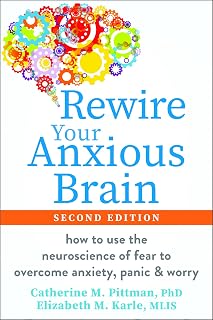
$16.99 $18.95


Mindfulness & Meditation: Use techniques to reduce stress, improve focus, and stay present
Stress, a silent saboteur, infiltrates our lives, clouding focus and pulling us away from the present moment. Mindfulness and meditation offer powerful antidotes, rewiring our brains to respond to stress with clarity and calm.
Consider this: a 2018 study published in *JAMA Internal Medicine* found that mindfulness meditation programs significantly reduced symptoms of anxiety, depression, and pain. The practice isn't about emptying your mind, but observing thoughts and emotions without judgment, like clouds passing in the sky.
Start small. Dedicate 5-10 minutes daily to mindful breathing. Sit comfortably, close your eyes, and focus on the sensation of air entering and leaving your nostrils. When your mind wanders (it will!), gently bring your attention back to the breath. Think of it as mental push-ups – consistency builds strength.
Apps like Headspace and Calm offer guided meditations for beginners, providing structure and variety.
Mindfulness extends beyond formal meditation. Incorporate it into daily activities. While eating, savor each bite, noticing textures and flavors. During a walk, feel the ground beneath your feet and the rhythm of your breath. This "informal" mindfulness trains your brain to stay present, reducing stress reactivity in real-time.
Remember, mindfulness is a practice, not a destination. Be patient with yourself. Some days will be easier than others. The key is to keep showing up, cultivating a kinder, more present relationship with yourself and the world around you.
Effective Strategies to Reduce Mental Health Issues and Improve Well-Being
You may want to see also
Explore related products


Set Realistic Goals: Break tasks into manageable steps to avoid overwhelm and build confidence
Overwhelm often stems from viewing tasks as monolithic, insurmountable challenges. This perception triggers the brain’s stress response, flooding the body with cortisol, which impairs focus and decision-making. By breaking tasks into smaller, actionable steps, you recalibrate your perspective, shifting from "I can’t do this" to "I can start here." For instance, instead of setting a vague goal like "improve my mental health," divide it into daily micro-goals: meditate for 5 minutes, journal for 10 minutes, or walk for 15 minutes. Each completed step releases dopamine, reinforcing motivation and reducing anxiety.
Consider the analogy of climbing a mountain. Attempting to scale it in one leap is not only impractical but dangerous. Climbers set intermediate camps, rest, and reassess. Similarly, mental health recovery requires pacing. If you’re struggling with social anxiety, don’t aim to speak at a conference immediately. Start with texting a friend, then progress to a short phone call, followed by a brief in-person meetup. This incremental approach builds resilience without triggering panic. Research in behavioral psychology supports this: small, consistent actions rewire neural pathways more effectively than sporadic, large efforts.
However, setting realistic goals isn’t just about shrinking tasks—it’s about aligning them with your current capacity. Overestimating your energy or time leads to burnout, while underestimating it fosters complacency. Use the "SMART" framework: Specific, Measurable, Achievable, Relevant, and Time-bound. For example, instead of "exercise more," commit to "walk 30 minutes, three times a week, for the next month." Track progress in a journal or app to visualize growth. If you miss a day, reframe it as data, not failure. Adjust the goal, not your self-worth.
A common pitfall is equating goal-setting with productivity culture, which glorifies busyness over well-being. Realistic goals prioritize sustainability over speed. If you’re managing depression, completing one task per day—even washing dishes—is a victory. Celebrate these wins publicly or privately to reinforce their value. Conversely, avoid comparing your pace to others’. A 20-year-old’s recovery journey differs from a 50-year-old’s, just as someone with PTSD faces distinct challenges from someone with generalized anxiety. Tailor your steps to your unique needs.
Finally, integrate flexibility into your goal structure. Life unpredictably disrupts plans, and rigid adherence to goals can exacerbate stress. If a step feels unattainable, reassess its size or timing. For instance, if daily meditation becomes a source of guilt, reduce it to three times a week. The goal is progress, not perfection. Over time, this approach not only builds confidence but also fosters self-compassion—a cornerstone of mental health recovery. Remember, each manageable step is a brick in the foundation of long-term resilience.
Silent Struggles: Mental Health Challenges in America's Shadow
You may want to see also
Frequently asked questions
Acknowledge your feelings without judgment, educate yourself about your symptoms, and reach out to a trusted friend, family member, or mental health professional for support.
Practice mindfulness or meditation, engage in regular physical activity, maintain a balanced diet, and establish a consistent sleep routine to help reduce anxiety and stress.
While self-help strategies can be beneficial, therapy is often crucial for addressing underlying issues and developing coping mechanisms. A professional can provide tailored guidance and support.
Connect with understanding friends or family, join support groups, and consider online communities. Be open about your needs and seek relationships that foster positivity and encouragement.
Self-care is essential for mental well-being. Prioritize activities that bring you joy, set boundaries to protect your mental space, and practice self-compassion to nurture resilience.