Noah Parker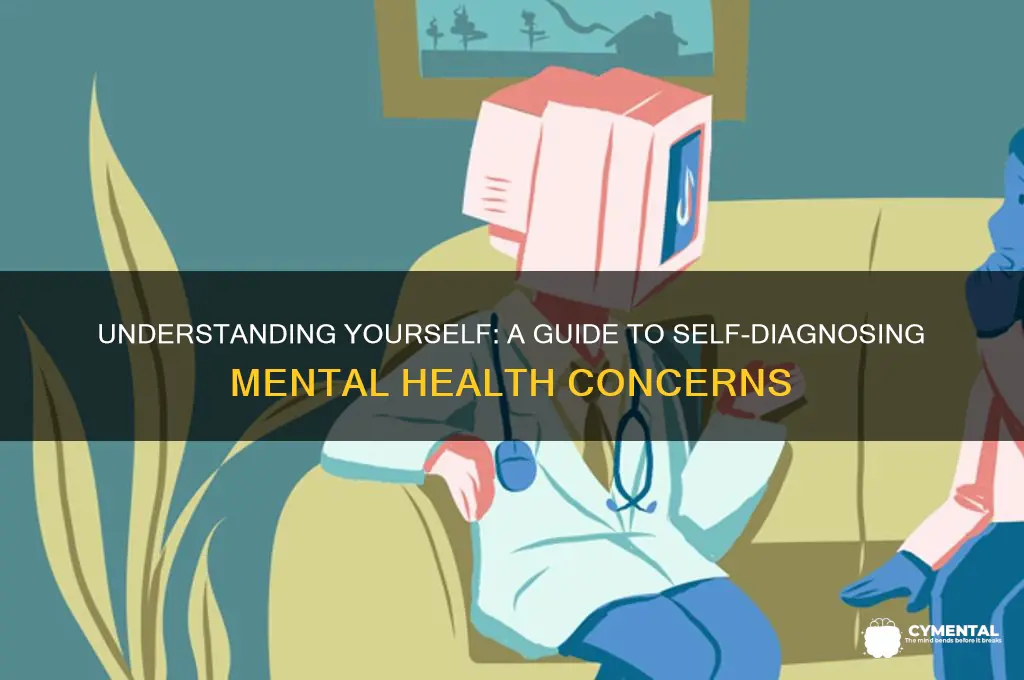
Self-diagnosing mental health issues can be a sensitive and complex topic, as it involves recognizing and interpreting personal symptoms without professional guidance. While it’s important to acknowledge that self-diagnosis is not a substitute for a formal evaluation by a qualified mental health professional, it can serve as a starting point for individuals seeking to understand their emotional and psychological experiences. By educating oneself about common mental health conditions, tracking symptoms over time, and utilizing reputable online resources or self-assessment tools, individuals can gain insights into their struggles and determine whether seeking professional help is necessary. However, it’s crucial to approach self-diagnosis with caution, as misinterpretation of symptoms or reliance on unverified information can lead to unnecessary anxiety or delay in receiving appropriate care. Ultimately, self-awareness and proactive steps toward mental health should always be complemented by consultation with a trained expert for accurate diagnosis and treatment.
| Characteristics | Values |
|---|---|
| Reliability | Self-diagnosis is not a substitute for professional evaluation. |
| Common Symptoms | Persistent sadness, anxiety, mood swings, changes in sleep/appetite. |
| Online Tools | Questionnaires like PHQ-9 (depression), GAD-7 (anxiety) for self-assessment. |
| Limitations | Lack of clinical expertise, potential for misdiagnosis, bias. |
| When to Seek Help | If symptoms interfere with daily life, persist for weeks, or worsen. |
| Resources | Mental health apps (e.g., Calm, Headspace), online therapy platforms. |
| Awareness | Understanding common disorders (e.g., depression, anxiety, PTSD). |
| Journaling | Tracking symptoms, triggers, and patterns over time. |
| Avoid Stigma | Recognizing mental health as a valid concern, not a personal failure. |
| Professional Guidance | Always consult a mental health professional for accurate diagnosis. |
| Educational Purpose | Self-diagnosis can raise awareness but should not replace expert advice. |
Explore related products


What You'll Learn
- Recognizing Symptoms: Identify common signs like mood changes, fatigue, or persistent anxiety
- Journaling Emotions: Track daily feelings to spot patterns or triggers over time
- Online Screenings: Use reputable mental health quizzes for preliminary self-assessment
- Comparing Severity: Differentiate between normal stress and potential disorder indicators
- Seeking Feedback: Ask trusted friends or family for objective observations about behavior

Recognizing Symptoms: Identify common signs like mood changes, fatigue, or persistent anxiety
Mood fluctuations are a natural part of life, but when they become extreme, frequent, or prolonged, they may signal an underlying mental health issue. For instance, persistent sadness lasting more than two weeks could indicate depression, while rapid, unpredictable shifts between euphoria and irritability might suggest bipolar disorder. Tracking these changes in a journal can help identify patterns, such as whether they correlate with specific triggers like stress, lack of sleep, or seasonal changes. This documentation provides valuable insight for both self-awareness and professional consultation.
Fatigue is another symptom often overlooked as a mere byproduct of a busy lifestyle. However, when it persists despite adequate rest, it may be linked to conditions like depression or anxiety disorders. Chronic fatigue can manifest as physical exhaustion, mental fog, or a lack of motivation to engage in once-enjoyable activities. For adults, sleeping 7-9 hours nightly and still feeling drained warrants attention. Teens and younger adults may require slightly more sleep, but consistent fatigue beyond this range should prompt further investigation into potential mental health causes.
Persistent anxiety, characterized by excessive worry or fear that interferes with daily functioning, is a red flag for disorders such as generalized anxiety disorder (GAD) or panic disorder. Physical symptoms like rapid heartbeat, sweating, or trembling often accompany these feelings. A practical tip is to monitor the frequency and intensity of anxious episodes; if they occur multiple times a week and last for six months or more, it’s time to consider seeking help. Mindfulness techniques, such as deep breathing or progressive muscle relaxation, can offer temporary relief but are not long-term solutions for chronic anxiety.
Comparing these symptoms across different mental health conditions highlights their overlap and uniqueness. For example, while fatigue is common in depression, it often coexists with feelings of hopelessness and loss of interest. In contrast, anxiety disorders typically involve hyperarousal and restlessness. Recognizing these distinctions can guide more accurate self-assessment. However, self-diagnosis should never replace professional evaluation, as mental health conditions often require tailored treatment plans that consider individual circumstances.
In conclusion, identifying symptoms like mood changes, fatigue, or persistent anxiety involves keen observation and honest self-reflection. Practical steps, such as maintaining a symptom journal or using tracking apps, can enhance awareness. While these tools empower individuals to recognize potential issues, they are not substitutes for clinical expertise. The ultimate takeaway is to use self-assessment as a starting point for informed conversations with healthcare professionals, ensuring a comprehensive approach to mental well-being.
Supporting Family Mental Health: Strategies for Understanding and Healing Together
You may want to see also
Explore related products





Journaling Emotions: Track daily feelings to spot patterns or triggers over time
Emotions, like the weather, are ever-changing, yet they often follow patterns we can learn to predict. Journaling daily feelings isn’t just a therapeutic outlet—it’s a data-gathering tool. By recording emotions alongside context (time, location, interactions, and physical sensations), you create a personal database. Over weeks or months, this log can reveal recurring themes, such as anxiety spiking before meetings or sadness correlating with lack of sunlight. These patterns act as breadcrumbs, leading you to potential triggers or underlying issues that might otherwise remain invisible.
To start, commit to a simple format. Each entry should include the date, time, emotion (e.g., anger, joy, fatigue), intensity (on a scale of 1–10), and a brief description of the situation. For instance: *“3 PM, 7/10 anxiety, work email about deadline, heart racing.”* Consistency is key—even a sentence or two daily can yield insights. Digital tools like mood-tracking apps or a physical notebook work equally well, depending on your preference. The goal isn’t perfection but persistence, as the accumulation of entries over time transforms raw feelings into actionable information.
One common pitfall is over-analyzing entries too soon. Resist the urge to draw conclusions after just a few days. Instead, review your journal monthly to identify trends. Look for clusters of emotions tied to specific people, activities, or environments. For example, you might notice irritability peaks after scrolling social media or that creativity flourishes after morning walks. These observations can guide experiments, such as limiting screen time or prioritizing exercise, to test their impact on your mental state.
While journaling is a powerful tool, it’s not a substitute for professional diagnosis. It’s best used as a complement to other self-assessment methods, like tracking sleep or physical symptoms. Be mindful of biases—negative emotions often feel more urgent to record than positive ones, skewing your data. To balance this, include moments of gratitude or joy in your entries. Finally, if your journal reveals persistent distress or patterns you can’t manage alone, it’s a sign to seek professional help, armed with concrete examples to share.
In essence, journaling emotions is like mapping your inner terrain. It requires patience, honesty, and curiosity. Over time, this practice doesn’t just help you spot triggers—it fosters self-awareness, empowering you to navigate your mental health with clarity and intention. Whether you’re exploring mild fluctuations or deeper concerns, the journal becomes a mirror, reflecting patterns you can’t afford to ignore.
Rising Mental Health Challenges: Uncovering the Surge in Global Struggles
You may want to see also
Explore related products


$52.99 $64


Online Screenings: Use reputable mental health quizzes for preliminary self-assessment
Online screenings through reputable mental health quizzes offer a structured, accessible way to begin understanding your emotional and psychological state. These tools, often developed by mental health organizations or professionals, provide a preliminary snapshot of potential symptoms or conditions. For instance, the PHQ-9 (Patient Health Questionnaire-9) is widely used to assess depression severity, while the GAD-7 (Generalized Anxiety Disorder-7) screens for anxiety. Each quiz typically consists of 5–10 questions scored on a Likert scale (e.g., 0 = "not at all" to 3 = "nearly every day"), with total scores suggesting mild, moderate, or severe symptoms. While not diagnostic, these screenings serve as a starting point for further exploration or professional consultation.
When selecting an online quiz, prioritize platforms affiliated with trusted organizations like the National Alliance on Mental Illness (NAMI), Mental Health America (MHA), or the Anxiety and Depression Association of America (ADAA). Avoid quizzes on unverified websites or those that promise definitive diagnoses without professional follow-up. For example, MHA’s online screening tools are free, anonymous, and take less than 10 minutes to complete. They cover conditions such as depression, anxiety, PTSD, and bipolar disorder, providing a score and tailored resources at the end. Remember, these screenings are not a substitute for clinical evaluation but can help articulate concerns before meeting a therapist or psychiatrist.
One practical tip is to take screenings in a quiet, distraction-free environment to ensure honest and thoughtful responses. If you’re under 18, involve a trusted adult or guardian, as some quizzes are age-specific or require parental consent. For example, the TeenScreen program focuses on adolescents, while others like the Kessler Psychological Distress Scale (K10) are designed for adults. After completing a quiz, save or screenshot the results to discuss with a healthcare provider. This documentation can streamline conversations and provide a baseline for tracking changes over time.
A comparative analysis reveals that while online screenings are convenient, they have limitations. For instance, self-reported data relies on self-awareness and honesty, which can be skewed by denial or over-reporting. Additionally, cultural or linguistic barriers may affect interpretation, as some quizzes are only available in specific languages or assume Western norms. Despite these drawbacks, screenings can demystify mental health symptoms and reduce stigma by framing emotional struggles as measurable and manageable. They also empower individuals to take proactive steps, such as seeking therapy or lifestyle adjustments, before symptoms escalate.
In conclusion, online screenings are a valuable tool for preliminary self-assessment, offering clarity and direction in navigating mental health concerns. By choosing reputable quizzes, approaching them thoughtfully, and using results as a conversation starter with professionals, individuals can bridge the gap between uncertainty and informed action. While not a replacement for diagnosis, these screenings foster self-awareness and encourage timely intervention, aligning with the broader goal of mental health literacy and care.
Social Media's Dark Side: Uncovering Its Impact on Mental Health
You may want to see also
Explore related products


Comparing Severity: Differentiate between normal stress and potential disorder indicators
Stress is an inevitable part of life, but distinguishing between everyday stress and symptoms of a mental health disorder can be challenging. Normal stress typically arises from identifiable triggers—such as work deadlines, financial pressures, or relationship conflicts—and subsides once the situation resolves. For instance, feeling anxious before a presentation or overwhelmed during a busy week is common and usually manageable. However, when stress persists beyond the triggering event, intensifies without clear cause, or interferes with daily functioning, it may signal something more serious. Tracking the duration and context of your stress can help clarify whether it’s a transient reaction or a potential disorder indicator.
To differentiate severity, consider the impact on your life. Normal stress might cause temporary irritability, difficulty concentrating, or sleep disturbances, but these symptoms generally improve with self-care practices like exercise, mindfulness, or talking to a friend. In contrast, disorder indicators often manifest as persistent, disproportionate, or debilitating symptoms. For example, while occasional sleepless nights are normal, chronic insomnia that lasts weeks despite consistent sleep hygiene efforts could suggest anxiety or depression. Similarly, if stress leads to prolonged social withdrawal, significant changes in appetite, or thoughts of self-harm, it’s critical to seek professional evaluation.
A practical approach to self-assessment involves monitoring both the frequency and intensity of symptoms. Use a journal to record daily stress levels on a scale of 1 to 10, noting triggers and coping strategies. If your stress consistently rates above 7 for more than two weeks, or if it spikes unpredictably without apparent cause, this could indicate a deeper issue. Apps like Daylio or Moodpath can also help track patterns over time, providing data to discuss with a healthcare provider. Remember, self-diagnosis is a starting point, not a substitute for professional assessment.
Age and life stage play a role in this comparison. Adolescents and young adults, for instance, may experience heightened stress due to academic or social pressures, but symptoms like persistent sadness, extreme mood swings, or substance use could point to disorders like depression or bipolar disorder. In older adults, stress related to retirement or health concerns is common, but sudden memory loss, confusion, or severe anxiety might indicate conditions like dementia or generalized anxiety disorder. Tailoring your self-assessment to your age group can improve accuracy.
Ultimately, the key lies in recognizing when stress becomes unmanageable or disproportionate to its cause. While self-reflection tools and symptom tracking can provide insight, they are not diagnostic. If you suspect your stress has crossed into disorder territory, consult a mental health professional. They can offer a comprehensive evaluation, considering factors like family history, medical conditions, and environmental stressors. Differentiating between normal stress and potential disorders is not about labeling yourself but about taking proactive steps toward well-being.
Understanding Mental Health: Effective Strategies to Assess and Address Issues
You may want to see also
Explore related products


Seeking Feedback: Ask trusted friends or family for objective observations about behavior
Self-diagnosis of mental health issues is a delicate process, and one powerful tool often overlooked is the perspective of those closest to us. Seeking feedback from trusted friends or family members can provide invaluable insights into behavioral patterns that might be difficult to recognize on your own. These individuals observe you in various contexts—at home, during social gatherings, or in moments of stress—and their objective observations can highlight changes or trends you might have missed. For instance, a friend might notice that you’ve become increasingly withdrawn in group settings, while a family member could point out subtle shifts in your sleep patterns or communication style. Such feedback acts as a mirror, reflecting aspects of your behavior that are critical for self-assessment.
However, soliciting this feedback requires careful consideration. Start by choosing individuals who are both observant and empathetic—people who can provide constructive, non-judgmental input. Frame your request in a way that encourages honesty while emphasizing your goal of self-improvement. For example, you might say, “I’ve been trying to understand some changes in my behavior lately, and I’d really value your perspective. Have you noticed anything different about how I’ve been acting or reacting?” Be specific about the areas you’re concerned about, such as mood swings, social withdrawal, or changes in productivity, to guide their observations. Remember, the goal is not to seek validation but to gather data that can inform your self-diagnosis.
One caution: not all feedback will be equally useful or accurate. Friends and family may project their own biases or misinterpret behaviors based on their relationship with you. To mitigate this, cross-reference feedback from multiple sources and consider whether the observations align with your own experiences. For example, if several people mention that you seem more irritable, it’s worth examining whether this aligns with your internal feelings or recent stressors. Additionally, be mindful of how you receive feedback—defensiveness can shut down the conversation, while openness fosters a collaborative approach to understanding your mental health.
Practical tips can enhance the effectiveness of this process. Schedule a dedicated time to discuss your concerns, ensuring the conversation isn’t rushed or interrupted. Follow up with questions to deepen your understanding, such as, “Can you give me an example of when you noticed this behavior?” or “How did it seem different from my usual self?” Finally, document the feedback in a journal or notes app, allowing you to reflect on it later and identify recurring themes. This structured approach transforms subjective observations into actionable insights, bridging the gap between external perspectives and internal self-awareness.
In conclusion, seeking feedback from trusted individuals is a proactive step in self-diagnosing mental health issues. It complements self-reflection by providing an external lens on behaviors that may be indicative of underlying challenges. While it requires vulnerability and discernment, the payoff is a richer, more nuanced understanding of your mental health. By integrating these observations into your self-assessment, you can make more informed decisions about seeking professional help or implementing coping strategies. After all, mental health is not solely an individual journey—it thrives on connection and collaboration.
Breaking Stigma: Society's Complex Perception of Mental Health Struggles
You may want to see also
Frequently asked questions
While self-assessment can help identify symptoms, only a qualified mental health professional can provide an accurate diagnosis. Self-diagnosis may lead to misinterpretation or unnecessary worry.
Reputable online screening tools from organizations like Mental Health America (MHA) or the National Alliance on Mental Illness (NAMI) can provide insights, but they are not substitutes for professional evaluation.
If symptoms persist, interfere with daily life, or cause significant distress, it’s time to consult a mental health professional. Self-reflection can guide this decision but isn’t definitive.
Online quizzes and forums are not reliable for diagnosis. They may offer general information but lack the expertise and context needed for accurate assessment.
Document your symptoms, consult a mental health professional, and share your observations with them. They can provide a proper diagnosis and recommend appropriate treatment.