Noah Parker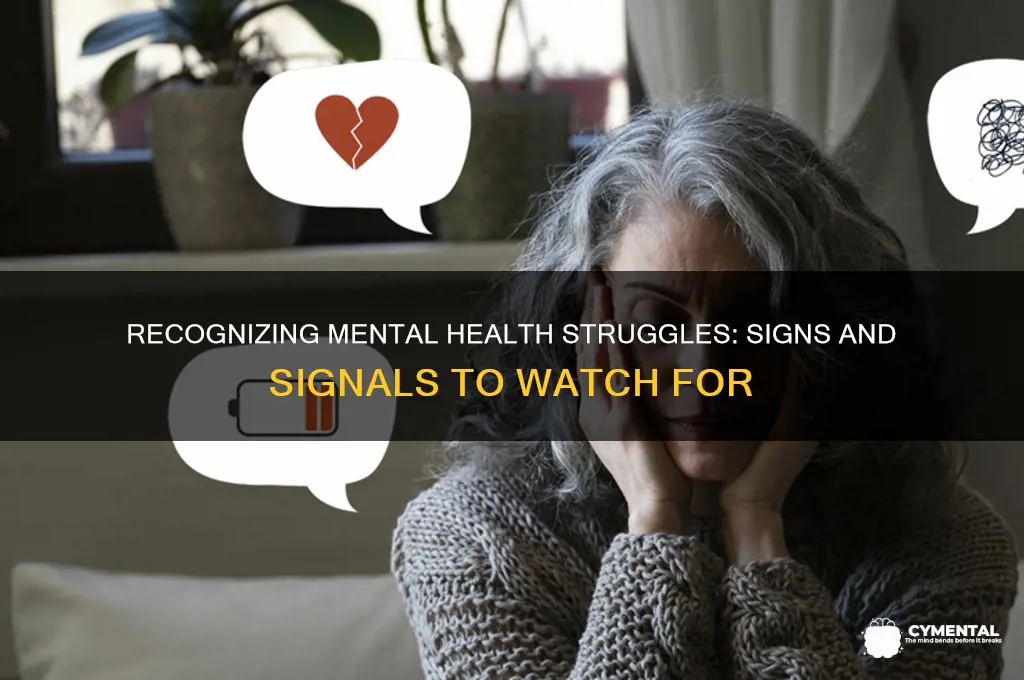
Spotting someone with mental health issues can be challenging, as symptoms often manifest subtly and vary widely depending on the individual and the condition. Common signs may include persistent changes in mood, such as prolonged sadness or irritability, withdrawal from social activities, or a noticeable decline in personal care or performance at work or school. Physical symptoms like unexplained fatigue, changes in appetite or sleep patterns, or frequent headaches can also be indicators. Additionally, behaviors such as increased agitation, difficulty concentrating, or expressions of hopelessness or worthiness should not be overlooked. It’s important to approach the situation with empathy and sensitivity, as stigma and fear of judgment often prevent individuals from seeking help. While these signs can suggest underlying mental health struggles, they are not definitive diagnoses, and professional assessment is essential for accurate understanding and support.
Explore related products


What You'll Learn
- Behavioral Changes: Sudden shifts in mood, energy, or social withdrawal may indicate underlying mental health struggles
- Physical Symptoms: Unexplained fatigue, changes in appetite, or sleep disturbances can signal mental health issues
- Emotional Signs: Persistent sadness, irritability, or unexplained anger may reflect emotional distress or disorders
- Cognitive Changes: Difficulty concentrating, memory issues, or irrational thoughts can point to mental health problems
- Social Withdrawal: Avoiding friends, family, or activities once enjoyed often indicates mental health challenges

Behavioral Changes: Sudden shifts in mood, energy, or social withdrawal may indicate underlying mental health struggles
Observation: A colleague who once radiated enthusiasm now slumps at their desk, snapping at minor queries and skipping team lunches. This isn’t just a "bad week"—it’s a pattern. Sudden, persistent shifts in mood, energy, or social behavior often serve as red flags for underlying mental health struggles.
Analysis: Behavioral changes are the body’s silent alarm system. For instance, a person experiencing depression may exhibit a sharp drop in energy, sleeping 12+ hours daily yet feeling perpetually exhausted. Conversely, someone with anxiety might display irritability or restlessness, their baseline calm replaced by a hair-trigger temper. Social withdrawal, another critical marker, often manifests as canceling plans, ignoring messages, or avoiding eye contact—not out of rudeness, but as a coping mechanism for overwhelming internal turmoil.
Practical Tips: If you notice these shifts, approach with empathy, not judgment. Start by asking open-ended questions like, "I’ve noticed you seem different lately—is everything okay?" Avoid diagnosing or minimizing their experience. For persistent changes, gently suggest professional resources, such as a therapist or helpline. Remember: your role isn’t to fix, but to support.
Comparative Insight: Think of behavioral changes as a fever—a symptom, not the illness itself. Just as a fever can stem from infections, allergies, or stress, mood swings, lethargy, or isolation may signal depression, burnout, or even bipolar disorder. The key is recognizing the anomaly, not the cause.
Takeaway: Behavioral changes aren’t always dramatic, but their consistency speaks volumes. By staying observant and responsive, you can help bridge the gap between silent suffering and meaningful support. Small actions, like checking in or offering a listening ear, can make a world of difference.
Supporting Teens: Practical Strategies for Mental Health and Well-Being
You may want to see also
Explore related products


Physical Symptoms: Unexplained fatigue, changes in appetite, or sleep disturbances can signal mental health issues
Fatigue, appetite changes, and sleep disturbances often masquerade as purely physical ailments, but they can be silent cries for help from a struggling mind. These symptoms, when unexplained and persistent, frequently accompany mental health conditions like depression, anxiety, and bipolar disorder. For instance, someone with depression might experience a crushing fatigue that resists rest, while anxiety can manifest as insomnia or restless sleep. Recognizing these physical markers requires a shift in perspective—viewing them not as isolated complaints, but as potential indicators of deeper emotional distress.
Consider the case of a 28-year-old professional who begins skipping meals, citing a "lack of hunger," yet simultaneously complains of constant exhaustion. Despite adequate sleep, they drag through their days, relying on caffeine to function. This combination of appetite loss and fatigue could signal depression, where the body’s energy systems are hijacked by a dysregulated mood. Similarly, a teenager experiencing sudden weight gain due to binge eating might be coping with anxiety or stress, using food as a temporary emotional crutch. Tracking these changes over time—say, a 10% shift in body weight within a month or persistent fatigue lasting over two weeks—can provide critical clues.
To effectively spot these signs, adopt a systematic approach. First, observe patterns: Does fatigue worsen during stressful periods? Are sleep disturbances accompanied by irritability or mood swings? Second, contextualize the symptoms. For example, a college student pulling all-nighters before exams might experience temporary sleep disruption, but if this persists beyond the academic crunch, it warrants attention. Third, initiate a conversation. Gently inquire about their energy levels, eating habits, and sleep quality, framing it as concern for their overall well-being rather than an accusation.
However, tread carefully. Misinterpreting these symptoms can lead to unnecessary alarm or, conversely, dismissal of genuine issues. For instance, fatigue in older adults might be attributed to aging, but it could also stem from late-onset depression. Similarly, adolescents often experience erratic sleep patterns, but consistent disturbances paired with social withdrawal could indicate a more serious problem. Always encourage professional evaluation; primary care physicians or mental health specialists can differentiate between physical and psychological causes, ensuring appropriate intervention.
In conclusion, physical symptoms like unexplained fatigue, appetite changes, and sleep disturbances are not merely bodily complaints—they are often the body’s way of signaling mental distress. By observing patterns, contextualizing behaviors, and fostering open dialogue, you can help identify when these symptoms transcend the physical realm. Remember, early recognition can pave the way for timely support, transforming silent struggles into opportunities for healing.
Empathetic Strategies for Communicating with Individuals Facing Mental Health Challenges
You may want to see also
Explore related products




Emotional Signs: Persistent sadness, irritability, or unexplained anger may reflect emotional distress or disorders
Persistent sadness, irritability, or unexplained anger can be red flags signaling underlying emotional distress or mental health disorders. These emotions, when prolonged or intense, often transcend typical mood fluctuations and may indicate conditions like depression, anxiety, or bipolar disorder. Recognizing these signs early is crucial, as they can interfere with daily functioning, relationships, and overall well-being. For instance, a person who consistently withdraws from social activities or expresses hopelessness may be grappling with depression, while sudden outbursts of anger without clear triggers could point to unresolved trauma or stress.
To identify these emotional signs effectively, observe patterns rather than isolated incidents. Sadness that lasts for weeks, irritability that disrupts interactions, or anger that seems disproportionate to situations are key indicators. Practical steps include maintaining open communication, asking non-judgmental questions, and encouraging professional help. For example, phrases like, “I’ve noticed you seem upset lately—is there something you’d like to talk about?” can create a safe space for expression. However, avoid diagnosing or minimizing their feelings, as this can alienate the individual and hinder trust.
Comparatively, emotional distress often manifests differently across age groups. In adolescents, irritability or anger might overshadow sadness, as younger individuals may lack the vocabulary to articulate emotional pain. In contrast, older adults might express persistent sadness more overtly, sometimes attributing it to physical ailments or life changes. Tailoring your approach to the person’s age and context can improve both understanding and support. For instance, offering a teenager a creative outlet like journaling might be more effective than direct confrontation, while older adults may benefit from structured routines or social engagement.
A persuasive argument for addressing these signs lies in the long-term consequences of untreated emotional distress. Prolonged sadness or anger can lead to physical health issues, such as weakened immunity or cardiovascular problems, while strained relationships can exacerbate feelings of isolation. Early intervention, whether through therapy, medication, or lifestyle changes, can mitigate these risks. Encouraging self-care practices like regular exercise, mindfulness, or adequate sleep can also provide immediate relief while seeking professional guidance.
In conclusion, recognizing persistent emotional signs requires attentiveness, empathy, and action. By understanding the nuances of sadness, irritability, and anger, you can offer meaningful support and guide individuals toward appropriate resources. Remember, acknowledging these signs is not about fixing the person but about fostering an environment where they feel seen, heard, and valued. Small, consistent efforts can make a significant difference in someone’s mental health journey.
Supporting Your Child’s Mental Health: Practical Strategies for Parents
You may want to see also
Explore related products


Cognitive Changes: Difficulty concentrating, memory issues, or irrational thoughts can point to mental health problems
Cognitive changes often serve as subtle yet significant indicators of underlying mental health issues. Difficulty concentrating, for instance, can manifest as an inability to focus on tasks that were once manageable. Imagine a colleague who suddenly struggles to complete reports on time, despite having years of experience. This isn’t just about being "distracted"—it’s a persistent mental fog that disrupts productivity and decision-making. Such changes may stem from conditions like depression, anxiety, or ADHD, where the brain’s executive functions are compromised. Recognizing this pattern early can prompt a supportive conversation or professional intervention.
Memory issues are another red flag, though they’re often dismissed as mere forgetfulness. A friend who repeatedly misses appointments or forgets important details from conversations might be experiencing more than just a busy mind. Short-term memory lapses, in particular, can signal stress-related disorders or even early stages of conditions like bipolar disorder. Practical steps to address this include gently reminding the person of forgotten details without judgment and encouraging them to use tools like planners or digital reminders. However, if the issue persists, it’s crucial to suggest a mental health evaluation.
Irrational thoughts, such as persistent worries or unfounded fears, can also point to mental health struggles. Consider someone who becomes convinced their partner is unfaithful despite no evidence, or who fixates on catastrophic outcomes for minor issues. These thought patterns often accompany anxiety disorders or obsessive-compulsive disorder (OCD). While it’s tempting to dismiss these thoughts as "overreactions," they’re symptoms of deeper distress. Encouraging the person to challenge these thoughts with evidence-based reasoning or seek cognitive-behavioral therapy (CBT) can be transformative.
The interplay of these cognitive changes—difficulty concentrating, memory issues, and irrational thoughts—can create a cycle that exacerbates mental health problems. For example, a student with untreated anxiety might struggle to focus during exams, leading to poor performance, which then fuels irrational fears of failure. Breaking this cycle requires a multi-faceted approach: mindfulness practices to improve focus, memory exercises like journaling, and therapy to reframe irrational thoughts. Early recognition and intervention are key, as untreated cognitive changes can lead to isolation, decreased self-esteem, and worsening mental health.
In practical terms, spotting these changes involves observing patterns rather than isolated incidents. Keep an eye out for consistent struggles with tasks that were once easy, repeated memory lapses, or irrational beliefs that persist despite logical reassurance. Offering support without stigmatizing the behavior is essential—phrases like "I’ve noticed you’ve been having a hard time with this, and I’m here to help" can open doors to meaningful conversations. Ultimately, cognitive changes are not just personal challenges; they’re opportunities to foster understanding and encourage professional care for those in need.
Supporting Student Mental Health: Strategies for Navigating COVID-19 Challenges
You may want to see also
Explore related products





Social Withdrawal: Avoiding friends, family, or activities once enjoyed often indicates mental health challenges
Social withdrawal is a silent alarm, often the first noticeable sign that someone may be grappling with mental health issues. When a person begins to avoid friends, family, or activities they once cherished, it’s not merely a shift in preferences—it’s a behavioral red flag. This retreat from social engagement can stem from overwhelming anxiety, depression, or a sense of inadequacy, making even the simplest interactions feel exhausting. Recognizing this pattern early is crucial, as prolonged isolation can exacerbate underlying mental health challenges.
Consider the case of a 28-year-old professional who stops attending weekly game nights with friends, citing fatigue or work commitments. Initially, this might seem harmless, but if this behavior persists for weeks or months, it warrants attention. Mental health professionals often note that such withdrawal is a coping mechanism, where individuals distance themselves to avoid perceived judgment or emotional pain. However, this isolation can create a vicious cycle, deepening feelings of loneliness and disconnection. For adolescents, this pattern is particularly concerning, as social interaction is vital for emotional development. Parents and caregivers should monitor sudden changes in social behavior, especially if a teen stops participating in sports, clubs, or family gatherings.
To address social withdrawal effectively, start by approaching the individual with empathy rather than confrontation. Use open-ended questions like, “I’ve noticed you haven’t been joining us lately—is everything okay?” to create a safe space for dialogue. Avoid pressuring them to rejoin activities immediately; instead, suggest smaller, low-stakes interactions, such as a short walk or coffee date. Encourage professional help by offering to assist in finding a therapist or counselor, emphasizing that seeking support is a sign of strength, not weakness. For younger individuals, schools and pediatricians can be valuable resources, providing access to mental health screenings and interventions tailored to their age group.
Comparatively, social withdrawal differs from introversion, a personality trait characterized by a need for solitude to recharge. Introverts typically maintain meaningful relationships and engage in activities they enjoy, albeit in smaller doses. In contrast, withdrawal often involves a complete disengagement, even from once-beloved hobbies or close connections. Understanding this distinction is key to identifying when someone’s behavior crosses from preference to potential mental health concern. By staying observant and proactive, we can help break the isolation cycle and guide individuals toward the support they need.
Navigating Mental Health Conversations: Crafting a Professional Email to Your Boss
You may want to see also
Frequently asked questions
Common signs include persistent sadness, withdrawal from social activities, changes in sleep or appetite, irritability, difficulty concentrating, and expressions of hopelessness or worthlessness.
Yes, physical symptoms like unexplained aches and pains, headaches, digestive issues, or fatigue can sometimes be linked to mental health struggles, such as anxiety or depression.
While stress is often situational and temporary, anxiety is more persistent and can manifest as excessive worry, restlessness, panic attacks, or avoidance of specific situations or places.
Yes, approaching the topic with empathy and sensitivity is appropriate. Use open-ended questions like, "How are you feeling lately?" and let them know you’re there to support them without judgment.