Noah Parker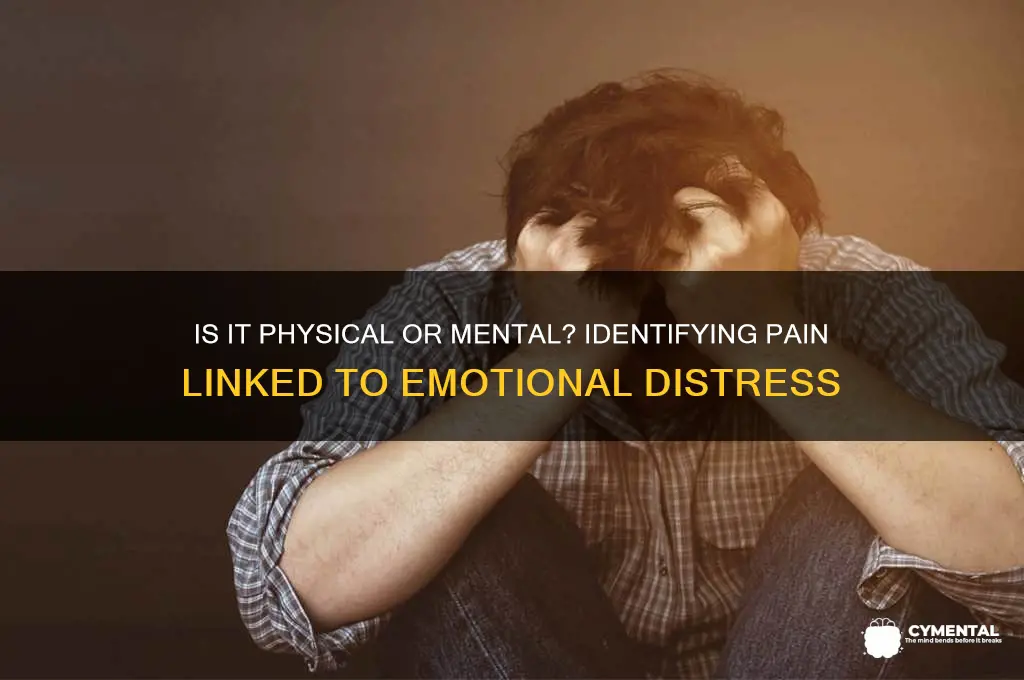
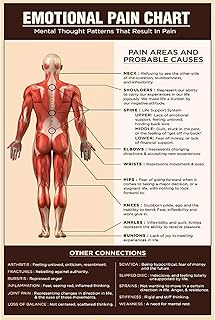
Recognizing whether pain stems from mental health issues can be challenging, as physical discomfort often intertwines with emotional and psychological factors. Unlike purely physical pain, which typically has a clear cause or injury, pain linked to mental health issues—such as anxiety, depression, or trauma—may manifest as chronic, unexplained aches, headaches, or gastrointestinal distress. Key indicators include pain that persists despite medical treatment, worsens during stressful periods, or lacks a clear physiological explanation. Additionally, individuals may notice accompanying symptoms like fatigue, sleep disturbances, or changes in mood. Understanding this connection is crucial, as addressing the underlying mental health issue through therapy, mindfulness, or medication can often alleviate both the emotional and physical discomfort.
Explore related products


What You'll Learn
- Physical Symptoms of Mental Pain: Headaches, stomachaches, fatigue, and unexplained aches can indicate psychological distress
- Emotional Indicators: Persistent sadness, anxiety, irritability, or mood swings may signal mental health issues
- Behavioral Changes: Withdrawal, changes in sleep/appetite, or avoidance behaviors often link to mental pain
- Cognitive Signs: Difficulty concentrating, negative thoughts, or memory issues can stem from mental struggles
- Triggers and Patterns: Pain worsening in stressful situations or specific environments may point to mental causes

Physical Symptoms of Mental Pain: Headaches, stomachaches, fatigue, and unexplained aches can indicate psychological distress
The human body often communicates emotional turmoil through physical discomfort, a phenomenon that can be both perplexing and enlightening. Consider the following scenario: a young professional experiences frequent tension headaches, especially after long workdays. Despite adequate hydration and regular breaks, the headaches persist. This could be a physical manifestation of mental stress, a common yet often overlooked connection.
Unraveling the Mind-Body Connection:
Mental health professionals and researchers have long recognized the intricate link between psychological distress and physical symptoms. When the mind is under duress, the body may respond with a variety of ailments, often referred to as somatization. This process can lead to very real and debilitating physical pain, even in the absence of any identifiable medical condition. For instance, a study published in the *Journal of Psychosomatic Research* found that individuals with depression and anxiety disorders were more likely to report chronic pain, including headaches and musculoskeletal pain.
Identifying the Signs:
- Headaches: Stress-related headaches often present as a constant, dull pain, affecting the forehead, temples, or back of the neck. They may be accompanied by tightness in the jaw or neck muscles. Keeping a headache diary can help identify triggers, which may include work-related stress, personal conflicts, or even financial worries.
- Stomachaches and Digestive Issues: The gut-brain axis is a powerful connection, with emotional stress often leading to gastrointestinal symptoms. This can range from mild stomachaches to more severe conditions like irritable bowel syndrome (IBS). For children, stomachaches are a common physical complaint linked to anxiety, especially in school-related stress.
- Fatigue and Unexplained Aches: Persistent fatigue, even after adequate rest, can be a red flag. It may be accompanied by muscle aches and joint pain, making daily activities exhausting. This is particularly relevant in cases of burnout or prolonged exposure to stressful situations.
Practical Strategies for Relief:
- Stress Management Techniques: Incorporating relaxation practices such as deep breathing exercises, meditation, or yoga can help reduce the frequency and intensity of these physical symptoms. For instance, a simple 10-minute mindfulness meditation session each morning can set a calm tone for the day.
- Physical Activity: Regular exercise is a powerful tool. It releases endorphins, which act as natural painkillers and mood boosters. Even a 30-minute brisk walk can make a difference, especially when done in natural settings, which have been shown to enhance the benefits.
- Seek Professional Guidance: If symptoms persist, consulting a healthcare professional is crucial. They can help differentiate between physical and mental health issues and provide tailored treatment plans. Cognitive-behavioral therapy (CBT) is often effective in managing both the psychological distress and its physical manifestations.
In the realm of mental health, recognizing these physical symptoms as potential indicators of underlying psychological issues is a crucial step towards holistic well-being. By understanding and addressing these mind-body connections, individuals can take proactive steps to manage their mental health and, consequently, alleviate the associated physical pain. This approach empowers people to listen to their bodies and seek appropriate support, fostering a more comprehensive approach to healthcare.
Navigating Change: Strategies to Protect Mental Health in Transition
You may want to see also
Explore related products


$64.68 $56.09

$14.95 $14.95


Emotional Indicators: Persistent sadness, anxiety, irritability, or mood swings may signal mental health issues
Persistent emotional states like sadness, anxiety, irritability, or erratic mood swings often serve as early warning signs of underlying mental health issues. Unlike fleeting emotions tied to specific events, these indicators linger, disrupting daily functioning and relationships. For instance, sadness that persists beyond two weeks without an identifiable trigger may align with symptoms of depression, while chronic anxiety could signal generalized anxiety disorder. Recognizing these patterns requires self-awareness and a willingness to differentiate between normal emotional responses and potential red flags.
To assess whether these emotional indicators warrant concern, consider their intensity, duration, and impact on your life. A practical approach is to track symptoms using a journal or mental health app, noting how often they occur and how they interfere with work, sleep, or social interactions. For example, irritability that leads to frequent conflicts at home or mood swings that make it difficult to concentrate at work should not be dismissed as mere "bad days." Tools like the PHQ-9 (for depression) or GAD-7 (for anxiety) can provide structured self-assessment, though they should not replace professional evaluation.
Comparatively, emotional pain from mental health issues often feels more pervasive and less tied to external circumstances than situational distress. While grief after a loss is expected, unrelenting sadness unconnected to a specific event may suggest clinical depression. Similarly, anxiety that persists even in safe environments differs from the temporary worry one might feel before a presentation. Understanding these distinctions is crucial for timely intervention, as untreated mental health issues can exacerbate over time, leading to more severe consequences.
Persuading someone to seek help for these emotional indicators can be challenging, as stigma and self-doubt often create barriers. Framing mental health care as a form of self-preservation, akin to treating physical ailments, can be effective. Encourage small steps, such as scheduling a single therapy session or speaking with a trusted friend. For adolescents and young adults, who may be more reluctant to acknowledge emotional distress, peer support groups or online resources like Crisis Text Line can provide accessible entry points.
In conclusion, emotional indicators like persistent sadness, anxiety, irritability, or mood swings are not merely personality quirks but potential signals of mental health issues. By tracking their patterns, understanding their distinctions from situational emotions, and addressing them proactively, individuals can take meaningful steps toward healing. Practical tools and supportive conversations can bridge the gap between recognition and action, ensuring that emotional pain does not go unaddressed.
Opioids and Mental Health: Unraveling the Devastating Psychological Impact
You may want to see also
Explore related products


Behavioral Changes: Withdrawal, changes in sleep/appetite, or avoidance behaviors often link to mental pain
Withdrawal from social activities, once enjoyed, often signals a deeper struggle. Imagine someone who used to thrive in group settings now declining invitations, preferring solitude. This shift isn’t merely about introversion; it’s a protective mechanism against emotional overwhelm. Mental pain, unlike physical discomfort, thrives in silence, making isolation its ally. Notice if this withdrawal persists beyond temporary stress—lasting weeks or months—as it may indicate depression, anxiety, or unresolved trauma. Practical tip: Gently encourage reconnection without forcing it; suggest low-pressure activities like a short walk or coffee, which feel less daunting.
Changes in sleep and appetite are the body’s silent alarms. Insomnia or oversleeping, paired with sudden weight loss or gain, often correlate with mental distress. For instance, someone with anxiety might experience restless nights and lose interest in food, while a person battling depression could sleep excessively and crave comfort eating. These patterns disrupt daily functioning and exacerbate mental pain. Dosage of concern: If sleep or eating habits deviate by more than 30% from baseline for over two weeks, it’s a red flag. Keep a journal to track these changes objectively, as self-awareness is the first step to intervention.
Avoidance behaviors, like skipping work or ignoring responsibilities, are coping mechanisms gone awry. Consider someone who avoids places or people tied to past trauma, even if it means sacrificing career or relationships. This isn’t laziness—it’s fear-driven self-preservation. Mental pain distorts perception, making avoidance feel safer than confrontation. Comparative insight: While physical pain prompts immediate action (e.g., resting a sprained ankle), mental pain often leads to procrastination or escape. To address this, break tasks into smaller, manageable steps and celebrate progress, no matter how small.
The interplay of withdrawal, sleep/appetite changes, and avoidance creates a cycle that deepens mental pain. For example, a college student overwhelmed by anxiety might skip classes (avoidance), lose sleep (insomnia), and isolate themselves (withdrawal), further intensifying their distress. Analytically, these behaviors are not random—they’re adaptive responses to unprocessed emotions. The takeaway: Recognize these patterns as cries for help, not character flaws. Offer support by listening without judgment and suggesting professional resources like therapy or support groups. Early intervention can disrupt the cycle before it becomes entrenched.
Enhance Your Well-Being: Practical Strategies to Improve Mental Health Issues
You may want to see also
Explore related products




Cognitive Signs: Difficulty concentrating, negative thoughts, or memory issues can stem from mental struggles
Difficulty concentrating, persistent negative thoughts, and memory lapses often serve as red flags for underlying mental health struggles. These cognitive signs aren’t merely fleeting inconveniences; they can disrupt daily functioning and signal deeper emotional or psychological distress. For instance, someone grappling with anxiety might find their mind racing with worries, making it impossible to focus on a task. Similarly, depression can cloud thinking with self-critical thoughts, while trauma may trigger memory gaps as the brain tries to protect itself from distressing recollections. Recognizing these patterns is the first step toward addressing the root cause rather than dismissing them as personal failings.
To identify whether these cognitive signs stem from mental issues, observe their frequency, intensity, and impact. Occasional forgetfulness or a brief lapse in concentration is normal, but when these issues persist for weeks or interfere with work, relationships, or self-care, it’s time to investigate further. For example, a student who once excelled academically but now struggles to retain information or complete assignments might be experiencing symptoms of burnout or depression. Keeping a journal to track these episodes can provide valuable insights into triggers and patterns, helping differentiate between everyday stress and a more serious mental health concern.
Practical strategies can mitigate cognitive symptoms while seeking professional help. For concentration difficulties, the Pomodoro Technique—working in focused 25-minute intervals followed by a 5-minute break—can improve productivity without overwhelming the mind. To combat negative thought loops, cognitive reframing exercises, such as identifying and challenging irrational beliefs, can shift perspective. For memory issues, mnemonic devices or digital reminders can serve as temporary aids. However, these tools are not substitutes for therapy or medication, which address the underlying mental health issues driving these symptoms.
Comparing cognitive signs to physical pain can help underscore their significance. Just as chronic back pain might indicate an injury, persistent cognitive struggles often point to emotional or psychological wounds. Ignoring these signs can lead to further deterioration, much like neglecting physical pain can worsen an injury. For instance, untreated depression-related concentration issues can spiral into job loss or academic failure, compounding the individual’s distress. Viewing these cognitive symptoms as valid indicators of mental health challenges empowers individuals to seek timely intervention.
Finally, age and life stage play a role in how cognitive signs manifest and are perceived. Younger adults might attribute concentration difficulties to multitasking or digital overload, while older adults may fear memory lapses as early signs of dementia. However, mental health struggles can affect anyone, regardless of age. For adolescents, school performance and social withdrawal may be key indicators, whereas in older adults, sudden disinterest in hobbies or confusion in familiar tasks could signal depression or anxiety. Tailoring awareness to specific age groups ensures that cognitive signs are not overlooked or misattributed, fostering a more nuanced approach to mental health care.
Identifying Mental Health Challenges in Veterans: A Comprehensive Guide
You may want to see also
Explore related products


Triggers and Patterns: Pain worsening in stressful situations or specific environments may point to mental causes
Pain that intensifies during stressful situations or in specific environments often signals a deeper connection between the mind and body. For instance, a person might notice that their headaches flare up during work deadlines or that joint pain worsens when visiting a place linked to past trauma. These patterns suggest that emotional or psychological factors are amplifying physical discomfort. Unlike purely physiological pain, which tends to remain consistent, mentally linked pain is erratic and tied to external or internal stressors. Recognizing this variability is the first step in distinguishing between physical and mental origins of pain.
To identify whether your pain has mental triggers, start by keeping a detailed pain journal. Record when the pain occurs, its intensity, and any accompanying emotions or events. Look for correlations between flare-ups and stressful situations, such as arguments, work pressure, or social gatherings. For example, if back pain consistently worsens after family gatherings, it may be linked to unresolved emotional tension rather than physical strain. Pair this self-observation with input from a healthcare provider to rule out purely medical causes.
Environments can also act as triggers, especially if they evoke negative memories or emotions. A classroom setting might provoke migraines in someone with test anxiety, or a hospital environment could heighten chronic pain in someone who associates it with past illness. If pain consistently worsens in specific locations, consider whether those places carry emotional weight. Techniques like cognitive-behavioral therapy (CBT) can help reframe these associations, reducing the pain’s intensity over time.
Addressing mentally linked pain requires a dual approach: managing stress and treating the underlying psychological cause. Mindfulness practices, such as deep breathing or meditation, can provide immediate relief during flare-ups. For long-term management, therapies like CBT or eye movement desensitization and reprocessing (EMDR) are effective in breaking the cycle of pain and emotional distress. Incorporating physical activity, even gentle exercises like yoga, can also reduce stress and improve pain tolerance.
While mentally linked pain is treatable, ignoring its psychological roots can lead to chronic suffering. Dismissing the connection between stress and pain may result in over-reliance on pain medication, which only masks symptoms without addressing the cause. Instead, acknowledge the role of mental health in your pain and seek holistic treatment. By understanding and addressing triggers, you can regain control over your body’s response to stress and create a more sustainable path to relief.
Supporting Children: Navigating Bio Parent's Mental Health Challenges with Care
You may want to see also
Frequently asked questions
Physical pain linked to mental health issues often lacks a clear medical cause, worsens with stress, and may coexist with symptoms like anxiety, depression, or fatigue. Consulting a healthcare provider can help determine the connection.
Yes, chronic stress or mental health conditions like depression and anxiety can lead to chronic pain by increasing muscle tension, inflammation, or altering pain perception in the brain.
Psychological pain often includes symptoms like persistent pain without a clear physical cause, pain that worsens during emotional distress, and pain that doesn't respond to standard medical treatments.
Physical pain typically has a specific location and cause, while mental pain may be more diffuse and linked to emotional triggers. A healthcare professional can help assess the underlying factors.




![Emotional Release Method [ERM]: Healing Physical Pain by Releasing What the Body and Mind Remembers](https://m.media-amazon.com/images/I/61TAwdBtcqL._AC_UL320_.jpg)