Madison Cole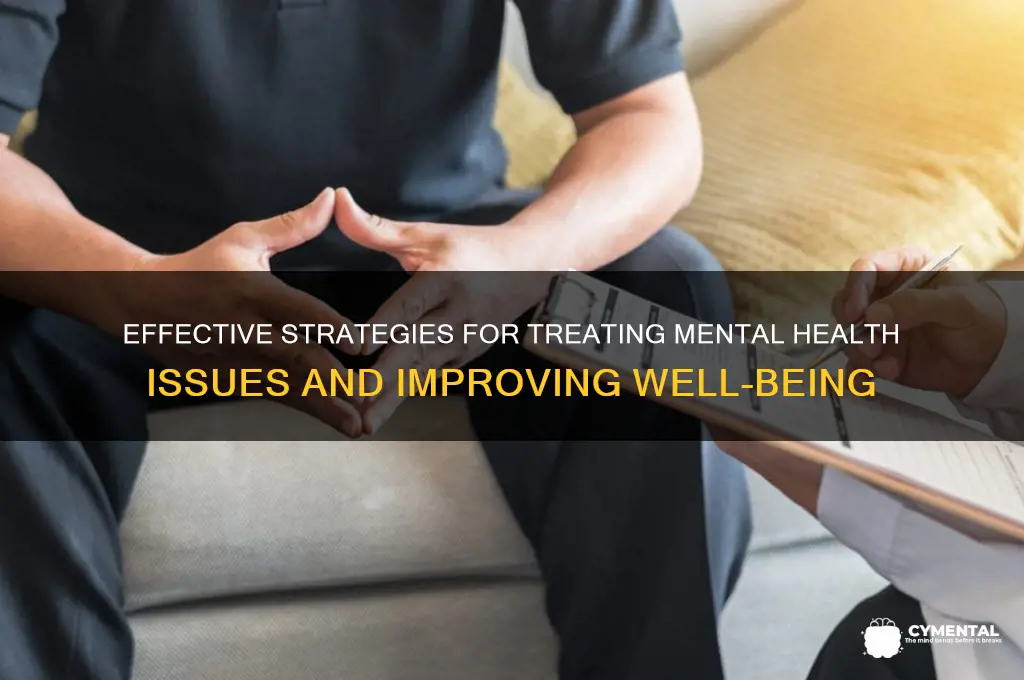
Treating mental health issues requires a multifaceted approach that addresses biological, psychological, and social factors. Effective treatment often begins with a thorough assessment by a qualified mental health professional to diagnose the specific condition and tailor a personalized plan. Common interventions include psychotherapy, such as cognitive-behavioral therapy (CBT) or dialectical behavior therapy (DBT), which helps individuals develop coping strategies and change harmful thought patterns. Medication, prescribed by a psychiatrist, can also play a crucial role in managing symptoms for conditions like depression, anxiety, or bipolar disorder. Lifestyle modifications, such as regular exercise, a balanced diet, and adequate sleep, are essential for overall well-being. Additionally, support networks, including family, friends, or support groups, provide emotional encouragement and reduce feelings of isolation. Holistic approaches, like mindfulness, meditation, or art therapy, can complement traditional treatments, fostering resilience and self-awareness. Early intervention, consistent care, and a compassionate, stigma-free environment are key to improving outcomes and promoting long-term mental health.
| Characteristics | Values |
|---|---|
| Therapy | Cognitive Behavioral Therapy (CBT), Dialectical Behavior Therapy (DBT), Psychodynamic Therapy, Group Therapy, Family Therapy |
| Medication | Antidepressants, Antipsychotics, Mood Stabilizers, Anxiolytics (prescribed by a psychiatrist) |
| Lifestyle Changes | Regular exercise, balanced diet, adequate sleep, stress management techniques |
| Support Systems | Peer support groups, family involvement, community resources, helplines (e.g., Crisis Text Line) |
| Mindfulness Practices | Meditation, yoga, deep breathing exercises, mindfulness-based stress reduction (MBSR) |
| Self-Care | Setting boundaries, engaging in hobbies, journaling, practicing gratitude |
| Professional Help | Psychiatrists, psychologists, licensed therapists, counselors |
| Digital Tools | Mental health apps (e.g., Headspace, Calm), online therapy platforms (e.g., BetterHelp) |
| Education & Awareness | Learning about mental health conditions, reducing stigma, attending workshops |
| Crisis Intervention | Emergency hotlines, hospitalization (if necessary), safety planning |
| Holistic Approaches | Acupuncture, herbal supplements, art therapy, music therapy |
| Workplace Support | Employee Assistance Programs (EAPs), flexible work hours, mental health days |
| Prevention Strategies | Early intervention, regular mental health check-ups, building resilience |
| Cultural Sensitivity | Tailoring treatment to cultural beliefs, involving cultural leaders, using culturally appropriate resources |
| Technology Integration | Teletherapy, wearable devices for mood tracking, AI-based mental health tools |
| Long-Term Management | Ongoing therapy, medication adherence, relapse prevention plans |
Explore related products


What You'll Learn
- Therapy Options: Explore CBT, DBT, and psychodynamic therapy for tailored mental health support
- Medication Management: Understand antidepressants, mood stabilizers, and antipsychotics for symptom control
- Lifestyle Changes: Incorporate exercise, diet, sleep, and mindfulness for mental well-being
- Support Networks: Build connections with friends, family, or support groups for emotional aid
- Self-Care Strategies: Practice journaling, hobbies, and boundaries to manage stress effectively

Therapy Options: Explore CBT, DBT, and psychodynamic therapy for tailored mental health support
Mental health treatment is not one-size-fits-all, and therapy options like Cognitive Behavioral Therapy (CBT), Dialectical Behavior Therapy (DBT), and psychodynamic therapy offer distinct approaches to address specific needs. Each modality targets different aspects of mental health, making them suitable for various conditions and personal preferences. Understanding these therapies can empower individuals to make informed decisions about their care.
CBT: Practical Tools for Immediate Change
Cognitive Behavioral Therapy (CBT) is a short-term, goal-oriented therapy that focuses on identifying and changing negative thought patterns and behaviors. Typically delivered in 12 to 20 sessions, CBT is highly structured and evidence-based, making it effective for conditions like anxiety, depression, and PTSD. For example, a person with generalized anxiety might learn to challenge catastrophic thinking by keeping a thought diary and practicing relaxation techniques. A practical tip for maximizing CBT’s effectiveness is to commit to homework assignments, such as tracking moods or practicing new coping skills between sessions. While CBT is not a quick fix, its structured nature provides tangible tools that can lead to measurable improvements within weeks.
DBT: Skills for Emotional Regulation and Resilience
Dialectical Behavior Therapy (DBT) was originally developed for individuals with borderline personality disorder but has since been adapted for a broader range of issues, including self-harm, suicidal ideation, and emotional dysregulation. DBT combines individual therapy, group skills training, and phone coaching, emphasizing mindfulness, distress tolerance, emotion regulation, and interpersonal effectiveness. Unlike CBT, DBT typically lasts 6 to 12 months and is particularly useful for those who struggle with intense emotions. For instance, a person prone to impulsive reactions might practice the "DEAR MAN" skill to assert themselves effectively in conversations. A caution: DBT requires significant time commitment, but its comprehensive approach can be life-changing for those who engage fully.
Psychodynamic Therapy: Uncovering Root Causes for Long-Term Growth
Psychodynamic therapy delves into unconscious processes and past experiences to understand current behaviors and emotions. Unlike CBT and DBT, it is less structured and more exploratory, often spanning months to years. This therapy is ideal for individuals seeking deep self-awareness and long-term change, particularly for issues like chronic depression, relationship difficulties, or unresolved trauma. For example, a client might explore childhood experiences to understand recurring patterns in adult relationships. While progress may be slower, the insights gained can lead to profound personal transformation. A practical tip for those considering psychodynamic therapy is to approach it with patience and openness, as its benefits often unfold over time.
Choosing the Right Therapy: A Comparative Guide
Selecting the right therapy depends on individual needs, goals, and preferences. CBT is best for those seeking quick, practical solutions to specific problems, while DBT is ideal for individuals needing intensive emotional regulation skills. Psychodynamic therapy suits those willing to invest time in exploring deeper psychological roots. For instance, a college student with exam anxiety might benefit from CBT’s immediate strategies, whereas someone with a history of unstable relationships might find psychodynamic therapy more impactful. Consulting a mental health professional can help determine the most appropriate approach, and some therapists integrate elements from multiple modalities for a tailored treatment plan.
Takeaway: Therapy as a Personalized Journey
Therapy is not a one-time fix but a journey of self-discovery and growth. Whether through CBT’s structured exercises, DBT’s skill-building framework, or psychodynamic therapy’s introspective process, each option offers unique pathways to healing. The key is to approach therapy with an open mind and a willingness to engage actively. By understanding these modalities, individuals can take the first step toward finding the support that best aligns with their mental health needs.
Are Mental Health Issues Hereditary? Unraveling the Genetic Link
You may want to see also
Explore related products




Medication Management: Understand antidepressants, mood stabilizers, and antipsychotics for symptom control
Medication management is a cornerstone of treating mental health issues, particularly when symptoms significantly disrupt daily life. Antidepressants, mood stabilizers, and antipsychotics are the primary classes of drugs used to control symptoms, each targeting specific neurochemical pathways. For instance, selective serotonin reuptake inhibitors (SSRIs), a common type of antidepressant, work by increasing serotonin levels in the brain, often prescribed at dosages ranging from 20 to 60 mg daily for adults. Understanding these medications’ mechanisms and appropriate use is crucial for both patients and caregivers to ensure effectiveness and minimize side effects.
Consider the role of mood stabilizers, such as lithium, in managing bipolar disorder. Lithium is typically prescribed at 900–1,800 mg daily, divided into two or three doses, with regular blood tests to monitor levels and prevent toxicity. Unlike antidepressants, which primarily address depressive symptoms, mood stabilizers aim to prevent manic and depressive episodes alike. This dual action highlights the importance of tailoring medication to the specific condition. For example, while lithium is effective for bipolar disorder, it may not be suitable for unipolar depression, where antidepressants alone are often sufficient.
Antipsychotics, another critical category, are used to treat conditions like schizophrenia, severe anxiety, and bipolar disorder. First-generation antipsychotics, such as haloperidol, are known for their potency but carry a higher risk of extrapyramidal side effects, like tremors. Second-generation antipsychotics, such as quetiapine or olanzapine, are often preferred due to their lower risk profile, though they can cause metabolic side effects like weight gain. Dosages vary widely—quetiapine, for instance, ranges from 50 to 800 mg daily, depending on the condition and patient response. These medications are not one-size-fits-all; careful monitoring and adjustments are essential.
Practical tips for medication management include maintaining a consistent schedule, as missed doses can lead to symptom relapse. For example, taking SSRIs in the morning can help mitigate insomnia, a common side effect. Patients should also communicate openly with their healthcare provider about side effects, as adjustments in dosage or switching medications may be necessary. For adolescents and older adults, special considerations apply—lower starting doses are often recommended due to differences in metabolism and sensitivity.
In conclusion, effective medication management requires a nuanced understanding of how antidepressants, mood stabilizers, and antipsychotics work and their specific applications. By combining this knowledge with practical strategies, patients and providers can optimize treatment outcomes, ensuring that medications serve as a tool for symptom control rather than a source of additional stress. Regular follow-ups and a collaborative approach are key to navigating this complex but vital aspect of mental health care.
Empowering Your Friend: Practical Ways to Support Mental Health Struggles
You may want to see also
Explore related products

$9.79 $17.99


$7.84 $14.99

Lifestyle Changes: Incorporate exercise, diet, sleep, and mindfulness for mental well-being
Physical activity is a powerful tool for mental health, yet it’s often overlooked in favor of medication or therapy. Research shows that just 30 minutes of moderate exercise, such as brisk walking or cycling, five days a week can reduce symptoms of depression and anxiety by up to 47%. The mechanism is clear: exercise increases blood flow to the brain, stimulates the release of endorphins, and promotes neuroplasticity. For those who find structured workouts daunting, even small changes like taking the stairs or gardening can make a difference. The key is consistency—start with manageable goals and gradually increase intensity to build a sustainable habit.
Diet plays a silent but critical role in mental well-being, with gut health emerging as a central player. The gut-brain axis, a bidirectional communication system, means that what you eat directly impacts your mood and cognition. Incorporate omega-3 fatty acids (found in salmon, flaxseeds, and walnuts), probiotics (yogurt, kefir, sauerkraut), and antioxidants (berries, spinach, dark chocolate) into your meals. Conversely, limit processed foods, refined sugars, and excessive caffeine, which can exacerbate anxiety and mood swings. A practical tip: plan meals weekly to ensure balanced nutrition and reduce the temptation to opt for convenience foods.
Sleep deprivation is a silent epidemic, with over 35% of adults reporting less than the recommended 7–9 hours per night. Poor sleep disrupts emotional regulation, impairs cognitive function, and increases the risk of mental health disorders. To improve sleep quality, establish a consistent bedtime routine: dim lights an hour before bed, avoid screens, and incorporate relaxation techniques like deep breathing or reading. For those with insomnia, cognitive behavioral therapy for insomnia (CBT-I) has proven highly effective, often eliminating the need for sleep medications. Remember, sleep isn’t a luxury—it’s a non-negotiable pillar of mental health.
Mindfulness isn’t just a buzzword; it’s a scientifically backed practice for reducing stress and enhancing emotional resilience. Studies show that just 10 minutes of daily mindfulness meditation can alter brain structure, increasing gray matter in areas associated with memory, empathy, and stress regulation. Start with guided apps or simple techniques like focusing on your breath or bodily sensations. For skeptics, consider this: mindfulness isn’t about emptying your mind but observing thoughts without judgment. Over time, this practice cultivates a sense of detachment from negative thought patterns, fostering greater mental clarity and calm.
Combining these lifestyle changes creates a synergistic effect, amplifying their individual benefits. For instance, exercise improves sleep quality, which in turn enhances the benefits of mindfulness and dietary changes. However, it’s crucial to approach these changes with patience and self-compassion. Mental health is a journey, not a destination, and setbacks are part of the process. Start small, track progress, and celebrate victories—even the seemingly minor ones. By integrating exercise, diet, sleep, and mindfulness into daily life, you’re not just treating symptoms but building a foundation for lasting mental well-being.
Mastering Mental Health Advocacy: A Guide to Public Speaking
You may want to see also
Explore related products




Support Networks: Build connections with friends, family, or support groups for emotional aid
Human beings are inherently social creatures, and our connections with others play a pivotal role in our mental well-being. Building a robust support network can be a powerful tool in managing and treating mental health issues. Consider the following scenario: a person struggling with anxiety finds solace in sharing their experiences with a close friend, who listens without judgment and offers a different perspective. This simple act of connection can provide immense relief and a sense of belonging, which are essential for emotional healing.
The Power of Social Connections
Research consistently highlights the impact of social support on mental health. A study published in the *Journal of Consulting and Clinical Psychology* found that individuals with strong social connections had a significantly lower risk of developing depression and anxiety disorders. These connections act as a buffer against life's stressors, providing emotional resilience and a sense of security. For instance, a support group for individuals dealing with grief can offer a safe space to express emotions, share coping strategies, and gain a sense of community, all of which are vital for the healing process.
Building Your Support Network: A Practical Guide
- Identify Your Circle: Start by recognizing the people in your life who you trust and feel comfortable with. This could be family members, friends, or even colleagues who have shown empathy and understanding. Consider their availability and willingness to provide support. For example, a friend who is a good listener and has experienced similar struggles might be an ideal confidant.
- Initiate Conversations: Opening up about your mental health can be daunting, but it's a crucial step. Begin with small, honest disclosures to gauge the response. You might say, "I've been feeling overwhelmed lately and wanted to talk to someone I trust." This approach allows you to assess the person's reaction and gradually build a supportive dialogue.
- Explore Support Groups: Local community centers, mental health organizations, or online platforms often host support groups for various mental health concerns. These groups provide an opportunity to connect with individuals facing similar challenges. For instance, a young adult struggling with social anxiety might find comfort and practical advice in a peer support group, learning coping mechanisms and gaining confidence through shared experiences.
- Maintain and Nurture Relationships: Building a support network is an ongoing process. Regularly engage with your identified support system, whether through weekly catch-ups, shared activities, or simply checking in. Consistency strengthens these bonds, ensuring that help is readily available when needed.
A Comparative Perspective:
While professional therapy and medication are essential components of mental health treatment, support networks offer a unique, complementary approach. They provide a sense of community and understanding that can be particularly beneficial for long-term management of mental health issues. For instance, a person with chronic depression might find that while medication stabilizes their mood, regular meetings with a support group prevent feelings of isolation and provide ongoing motivation.
In conclusion, fostering connections with friends, family, or support groups is a powerful strategy for emotional aid and mental health treatment. It empowers individuals to share their experiences, gain different perspectives, and build resilience. By recognizing the value of these relationships and actively nurturing them, one can create a robust support system, an essential tool in the journey towards better mental well-being. This approach, combined with professional guidance, offers a holistic and effective way to manage and treat various mental health challenges.
Therapy's Impact: Reducing Mental Health Issues and Improving Well-being
You may want to see also
Explore related products


Self-Care Strategies: Practice journaling, hobbies, and boundaries to manage stress effectively
Stress, an inevitable companion in our fast-paced lives, can silently erode mental well-being if left unmanaged. Self-care strategies like journaling, engaging in hobbies, and setting boundaries offer practical, accessible tools to reclaim control. These practices aren’t just feel-good suggestions—they’re backed by research and rooted in the science of neuroplasticity, which shows that consistent, intentional activities can rewire the brain to better handle stress.
Journaling: The Power of Reflection
Start with 10–15 minutes daily, ideally in the morning or before bed. Use prompts like *“What’s weighing on my mind?”* or *“What am I grateful for today?”* to structure your thoughts. Studies show that expressive writing reduces cortisol levels, the body’s primary stress hormone. For maximum benefit, combine free-writing with goal-setting or emotional tracking. Keep a dedicated notebook or use apps like Day One for digital journaling. Avoid overthinking—perfection isn’t the goal; clarity is.
Hobbies: Recharge Through Passion
Engaging in activities you enjoy isn’t indulgent—it’s restorative. Whether it’s painting, gardening, or playing an instrument, hobbies activate the brain’s reward system, releasing dopamine. Aim for 30–60 minutes, 3–4 times a week. If time is scarce, break it into 10-minute chunks. For instance, sketching during a lunch break or practicing guitar chords before bed. The key is consistency, not mastery. Even beginners reap stress-reducing benefits.
Boundaries: Protect Your Mental Space
Setting boundaries is less about saying “no” and more about honoring your limits. Start small: decline one non-essential commitment weekly, or designate tech-free hours after 8 PM. For workaholics, schedule email checks instead of constant notifications. Communicate assertively, not aggressively—for example, *“I’m focusing on personal time right now”* instead of *“I’m too busy.”* Boundaries prevent burnout by preserving energy for what truly matters.
Integrating the Trio: A Holistic Approach
Combine these strategies for compounded impact. Journal about why certain boundaries feel hard to set, or reflect on how hobbies make you feel. For instance, a gardener might note how tending plants mirrors nurturing their own mental health. Over time, these practices create a feedback loop: journaling clarifies needs, hobbies fulfill them, and boundaries protect the space to do both.
In a world that glorifies busyness, self-care isn’t selfish—it’s survival. By journaling, pursuing hobbies, and setting boundaries, you’re not just managing stress; you’re cultivating resilience. Start small, stay consistent, and watch how these simple practices transform your mental landscape.
School Stress: Uncovering the Hidden Toll on Student Mental Health
You may want to see also
Frequently asked questions
The first steps include acknowledging your feelings, reaching out to a trusted friend or family member, and consulting a mental health professional for a proper assessment. Self-care practices like regular exercise, adequate sleep, and a balanced diet can also help while seeking professional guidance.
Yes, many mental health issues can be effectively managed without medication through therapies like cognitive-behavioral therapy (CBT), mindfulness, and lifestyle changes. However, the best approach depends on the individual and the severity of the condition, so consulting a professional is essential.
Therapy is a cornerstone of mental health treatment, providing tools to manage symptoms, understand underlying causes, and develop coping strategies. It can be highly effective for conditions like anxiety, depression, and PTSD, often used in combination with other treatments.
Lifestyle plays a significant role in mental health. Regular physical activity, a healthy diet, sufficient sleep, and stress management techniques like meditation can improve symptoms and overall well-being. Avoiding substance abuse and maintaining social connections are also crucial.