Caleb Wright
Testing your mental health is an important step towards understanding your emotional and psychological well-being. It can help identify potential issues early on, allowing you to seek appropriate support and treatment. There are various ways to assess your mental health, including self-reflection, online quizzes, and professional evaluations. Self-reflection involves taking the time to examine your thoughts, feelings, and behaviors to identify any patterns or changes that may indicate a mental health concern. Online quizzes can provide a quick and convenient way to get a general idea of your mental health status, but they should not be used as a substitute for professional diagnosis. Professional evaluations, conducted by mental health experts, offer a more comprehensive and accurate assessment of your mental health. They can help diagnose specific conditions and develop personalized treatment plans. Remember, taking care of your mental health is just as important as taking care of your physical health, and seeking help is a sign of strength, not weakness.
Explore related products



What You'll Learn
- Self-Assessment Tools: Utilize online questionnaires and surveys to gauge your emotional and psychological state
- Mood Tracking: Keep a daily journal to monitor your feelings, identifying patterns and triggers
- Professional Consultation: Schedule an appointment with a therapist or counselor for an expert evaluation
- Neuropsychological Testing: Engage in cognitive assessments to measure attention, memory, and problem-solving abilities
- Mindfulness Practices: Incorporate meditation and mindfulness exercises to increase self-awareness and emotional regulation

Self-Assessment Tools: Utilize online questionnaires and surveys to gauge your emotional and psychological state
Online self-assessment tools can be a valuable starting point for individuals seeking to understand their mental health better. These tools often come in the form of questionnaires or surveys that are designed to measure various aspects of emotional and psychological well-being. By answering a series of targeted questions, users can gain insights into their mood, stress levels, anxiety, depression, and other mental health indicators.
One of the key benefits of online self-assessment tools is their accessibility. They can be taken at any time and from any location with an internet connection, making them a convenient option for those who may not have easy access to mental health professionals or who prefer the anonymity of online assessments. Additionally, many of these tools are free or low-cost, reducing financial barriers to mental health evaluation.
However, it is important to approach online self-assessment tools with a critical eye. While they can provide a useful snapshot of one's mental health, they are not a substitute for a comprehensive evaluation by a qualified mental health professional. The results of these assessments should be interpreted with caution and ideally discussed with a healthcare provider who can offer a more nuanced understanding of the individual's mental health status.
When selecting an online self-assessment tool, it is essential to choose one that is reputable and evidence-based. Look for tools that have been developed by mental health experts and that use standardized measures and scales. Be wary of assessments that make grandiose claims or that seem overly simplistic, as these may not provide accurate or reliable results.
In conclusion, online self-assessment tools can be a helpful resource for individuals looking to gain a better understanding of their mental health. However, they should be used as a starting point rather than a definitive measure of mental well-being. By approaching these tools with a critical mindset and seeking professional guidance when needed, individuals can take proactive steps towards maintaining and improving their mental health.
Nurturing Your Mind: A Guide to Prioritizing Mental Health
You may want to see also
Explore related products


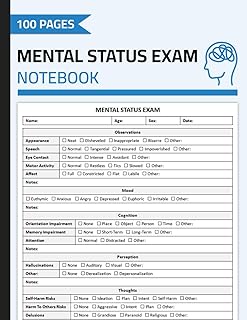

Mood Tracking: Keep a daily journal to monitor your feelings, identifying patterns and triggers
Keeping a daily journal is a powerful tool for mood tracking, allowing you to monitor your feelings over time and identify patterns and triggers that may be affecting your mental health. By committing your thoughts and emotions to paper, you can gain a deeper understanding of your inner world and take steps to improve your well-being.
To get started with mood tracking, set aside a few minutes each day to write in your journal. Begin by noting your overall mood for the day, using a scale from 1 to 10 to rate your feelings. Then, write about any specific events or experiences that may have influenced your mood, such as a stressful situation at work or a pleasant interaction with a friend. Be sure to include both positive and negative experiences, as well as any neutral events that may have had an impact on your emotions.
As you continue to track your mood over time, look for patterns and triggers that may be contributing to your emotional state. For example, you may notice that your mood tends to dip on Mondays, or that you feel more anxious when you haven't gotten enough sleep. By identifying these patterns, you can take steps to address the underlying causes and improve your mental health.
In addition to tracking your mood, it can be helpful to include other information in your journal, such as your sleep patterns, exercise habits, and any medications or supplements you are taking. This can help you to identify potential correlations between your lifestyle choices and your emotional state.
Remember that mood tracking is not a one-size-fits-all approach, and it may take some time to find the method that works best for you. Be patient and persistent, and don't be afraid to experiment with different techniques until you find what works. With time and practice, mood tracking can become a valuable tool for managing your mental health and improving your overall well-being.
Empowering Voices: The Impact of Advocacy in Mental Health
You may want to see also
Explore related products




Professional Consultation: Schedule an appointment with a therapist or counselor for an expert evaluation
Scheduling an appointment with a therapist or counselor is a proactive step towards understanding and managing your mental health. This professional consultation can provide you with an expert evaluation, helping you identify any potential issues and develop strategies for improvement. Here's how to make the most of this process:
First, research and find a qualified mental health professional who specializes in the areas you're concerned about. This could be a psychologist, psychiatrist, licensed therapist, or counselor. Look for recommendations from your primary care physician, insurance provider, or trusted friends and family members. Once you've found a potential professional, review their credentials, experience, and approach to ensure they're a good fit for your needs.
When scheduling your appointment, be prepared to provide some basic information about yourself and your concerns. This may include your personal and medical history, current symptoms, and any specific issues you'd like to address. Be honest and open about your feelings and experiences, as this will help the professional understand your situation and provide the most effective guidance.
During the initial consultation, the therapist or counselor will likely conduct an assessment to evaluate your mental health. This may involve a series of questions, a physical examination, or psychological tests. Be patient and cooperative, as this process is designed to help identify any underlying issues and develop a personalized treatment plan.
After the evaluation, the professional will discuss their findings with you and recommend a course of action. This may include therapy sessions, medication, lifestyle changes, or a combination of these approaches. Be sure to ask any questions you have about the recommended treatment, including potential risks, benefits, and alternatives.
Remember, seeking professional help is a sign of strength, not weakness. By taking this step, you're demonstrating a commitment to your mental well-being and a willingness to address any challenges you may be facing. With the right support and guidance, you can improve your mental health and live a more fulfilling life.
Understanding Mental Health Crises: Signs, Symptoms, and Support
You may want to see also
Explore related products

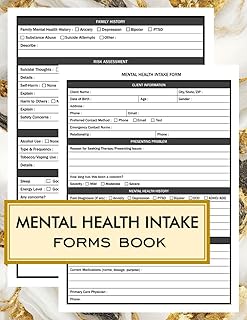


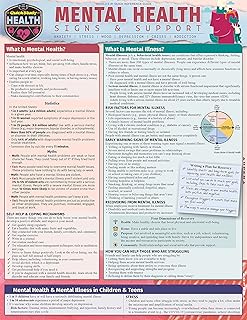
Neuropsychological Testing: Engage in cognitive assessments to measure attention, memory, and problem-solving abilities
Neuropsychological testing is a specialized area of mental health assessment that focuses on evaluating cognitive functions such as attention, memory, and problem-solving abilities. These tests are typically administered by trained professionals, including clinical psychologists, neuropsychologists, and psychiatrists. The primary goal of neuropsychological testing is to identify strengths and weaknesses in cognitive functioning, which can help in diagnosing conditions like ADHD, dementia, traumatic brain injury, and learning disabilities.
The process of neuropsychological testing usually involves a series of standardized tests and tasks that are designed to measure specific cognitive abilities. For example, attention may be assessed using tests that require the individual to focus on certain stimuli while ignoring others, such as the Stroop Color and Word Test. Memory can be evaluated through tests that measure the ability to recall information after a period of time, like the Rey Auditory Verbal Learning Test. Problem-solving abilities might be assessed using tasks that require logical reasoning and planning, such as the Tower of Hanoi.
In addition to these standardized tests, neuropsychologists may also use more informal assessments, such as interviews and observational methods, to gather information about the individual's cognitive functioning in everyday life. The results of these tests are then analyzed and interpreted in the context of the individual's personal and medical history, as well as any presenting symptoms.
Neuropsychological testing can be particularly useful in cases where there is a suspected neurological or psychiatric condition that may be affecting cognitive functioning. For example, if an individual is experiencing difficulties with memory or concentration, neuropsychological testing can help determine whether these symptoms are due to a condition like Alzheimer's disease, depression, or anxiety. The results of these tests can also be used to develop targeted interventions and treatment plans that address specific cognitive deficits.
It is important to note that neuropsychological testing is not a one-size-fits-all approach. The specific tests and assessments used will vary depending on the individual's unique needs and the presenting concerns. Additionally, while neuropsychological testing can provide valuable insights into cognitive functioning, it is typically just one component of a comprehensive mental health evaluation. Other assessments, such as psychological interviews and behavioral observations, may also be used to gain a more complete understanding of the individual's mental health status.
Exploring the Metrics: How Mental Health is Measured
You may want to see also
Explore related products


Mindfulness Practices: Incorporate meditation and mindfulness exercises to increase self-awareness and emotional regulation
Begin by setting aside a few minutes each day for mindfulness meditation. Find a quiet, comfortable space where you can sit without distractions. Close your eyes and focus on your breath, feeling the air move in and out of your nostrils. When your mind wanders, gently bring your attention back to your breath. Start with short sessions, around 5-10 minutes, and gradually increase the duration as you become more comfortable with the practice.
Incorporate mindfulness exercises into your daily routine to increase self-awareness. For example, try mindful eating by savoring each bite of your meal, paying attention to the flavors, textures, and sensations. Another exercise is mindful walking, where you focus on the sensation of your feet touching the ground and the rhythm of your breath. These exercises can help you become more present and aware of your thoughts and emotions.
Use guided meditations to help you get started. There are many apps and online resources that offer guided meditations for beginners. These can provide a helpful structure and guidance as you learn to meditate. You can also try different types of meditation, such as body scan, loving-kindness, or transcendental meditation, to find what works best for you.
Be patient and consistent with your practice. Mindfulness and meditation take time to develop, and it's normal to experience setbacks and challenges. Don't get discouraged if you find it difficult to focus or if your mind wanders frequently. With regular practice, you will begin to notice improvements in your self-awareness and emotional regulation.
Remember that mindfulness practices are not a replacement for professional mental health treatment. If you are experiencing severe mental health symptoms, it's important to seek help from a qualified mental health professional. Mindfulness practices can be a helpful complement to traditional treatment methods, but they should not be used as a substitute.
Launching Your Mental Health Business: A Comprehensive Guide
You may want to see also
Frequently asked questions
Common signs include persistent feelings of sadness, anxiety, or irritability, changes in appetite or sleep patterns, difficulty concentrating, and withdrawal from social activities. If you're experiencing these symptoms, it may be beneficial to assess your mental health.
There are several online mental health screening tools and questionnaires available that can provide an initial assessment. These tools often ask about your mood, thoughts, and behaviors to give you an indication of your mental health status. However, it's important to note that these are not definitive diagnoses and should be followed up with a mental health professional if needed.
Mental health tests can range from self-assessment questionnaires to more comprehensive evaluations by mental health professionals. Some common tests include the Beck Depression Inventory, the Generalized Anxiety Disorder 7-item scale, and the Post-Traumatic Stress Disorder Checklist. These tests can help identify specific mental health conditions and guide treatment plans.
If your test results indicate concerns about your mental health, it's advisable to seek professional help. A mental health professional can provide a thorough evaluation, offer a diagnosis if necessary, and recommend appropriate treatment options. They can also help you develop strategies to manage your symptoms and improve your overall well-being.