Ava Ramirez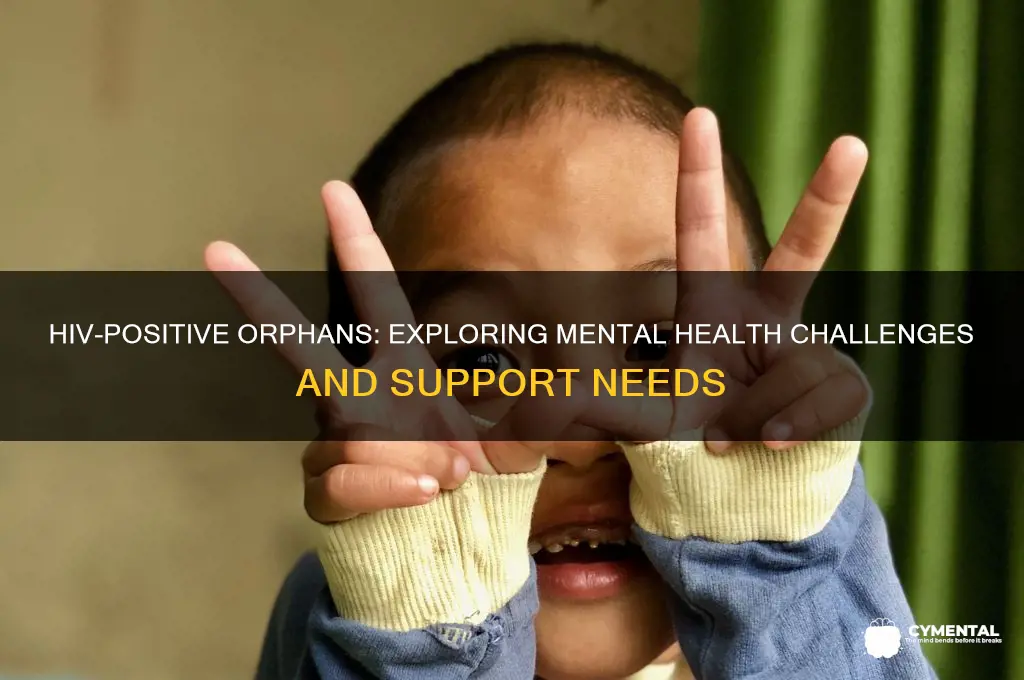
The intersection of HIV/AIDS and mental health in orphaned children presents a complex and often overlooked challenge. Orphaned children living with HIV face a unique set of vulnerabilities, including stigma, limited access to healthcare, and disrupted social support systems, all of which can exacerbate mental health issues. Research suggests that these children are at a heightened risk of developing conditions such as depression, anxiety, and post-traumatic stress disorder (PTSD) due to the cumulative impact of trauma, loss, and chronic illness. Additionally, the biological effects of HIV and its treatment, coupled with the psychological burden of managing a lifelong condition, further complicate their mental well-being. Understanding this link is crucial for developing targeted interventions that address both the physical and emotional needs of this vulnerable population.
| Characteristics | Values |
|---|---|
| Prevalence of Mental Health Issues | Orphaned children with HIV are at a significantly higher risk of developing mental health disorders compared to non-orphaned children or those without HIV. |
| Common Mental Health Disorders | Depression, anxiety, post-traumatic stress disorder (PTSD), attention-deficit/hyperactivity disorder (ADHD), and behavioral problems. |
| Risk Factors | Stigma, social isolation, lack of parental care, poverty, and the psychological impact of HIV itself. |
| Impact of HIV on Brain Development | HIV can directly affect neurocognitive development, leading to learning difficulties, memory problems, and reduced executive functioning. |
| Access to Mental Health Services | Limited access to mental health care due to socioeconomic barriers, stigma, and inadequate healthcare infrastructure, particularly in low-resource settings. |
| Protective Factors | Supportive caregivers, access to antiretroviral therapy (ART), stable living environments, and community-based interventions can mitigate mental health risks. |
| Long-Term Outcomes | Without intervention, mental health issues can lead to poor academic performance, social withdrawal, and increased risk of risky behaviors (e.g., substance abuse). |
| Global Statistics | Approximately 14.9 million children worldwide are orphaned due to AIDS, with a significant proportion living in sub-Saharan Africa, where mental health resources are often insufficient. |
| Intervention Strategies | Psychosocial support, family-based care, school-based programs, and integration of mental health services into HIV care are effective in addressing these challenges. |
| Research Gaps | Limited longitudinal studies on the long-term mental health outcomes of HIV-positive orphaned children, especially in resource-constrained settings. |
| Policy Implications | Need for policies that address the intersection of HIV, orphanhood, and mental health, including funding for comprehensive care and reducing stigma. |
Explore related products


What You'll Learn

Impact of HIV stigma on orphan mental health
HIV stigma casts a long shadow over the lives of orphaned children living with the virus, exacerbating their mental health challenges in profound and often overlooked ways. Research consistently shows that these children face a double burden: the trauma of losing parental care and the societal rejection tied to their HIV status. This dual stigma fosters a toxic environment where feelings of shame, isolation, and worthlessness thrive, significantly increasing the risk of anxiety, depression, and suicidal ideation. For instance, a study in sub-Saharan Africa found that HIV-positive orphans were three times more likely to report severe psychological distress compared to their HIV-negative peers, highlighting the compounded impact of stigma on their mental well-being.
Consider the daily realities these children endure. In many communities, HIV is still shrouded in misinformation and fear, leading to ostracization from peers, teachers, and even extended family. A 12-year-old orphan in rural Kenya, for example, might be excluded from school activities or forced to eat separately due to unfounded fears of transmission. Such experiences erode self-esteem and foster a sense of being "damaged" or "unworthy," which can manifest as behavioral issues, academic decline, or withdrawal. Addressing this requires not just psychological support but also community-wide education to dismantle harmful myths and foster empathy.
From a practical standpoint, interventions must be multi-faceted to mitigate the mental health impact of HIV stigma on orphans. First, integrate mental health screenings into routine HIV care for children, ensuring early detection of issues like depression or PTSD. Second, create safe spaces—such as support groups led by trained counselors—where these children can share their experiences without fear of judgment. Third, involve caregivers in the process; training them to recognize signs of mental distress and provide emotional support can significantly improve outcomes. For example, a program in South Africa that combined caregiver training with peer support groups saw a 40% reduction in anxiety symptoms among participating orphans.
A comparative analysis reveals that regions with robust anti-stigma campaigns and accessible mental health services report better outcomes for HIV-positive orphans. In contrast, areas where stigma remains pervasive see higher rates of mental health disorders and treatment non-adherence. This underscores the need for policy-level changes, such as mandating HIV education in schools and enforcing anti-discrimination laws to protect these children’s rights. Without systemic change, individual interventions will only scratch the surface of this complex issue.
Ultimately, the impact of HIV stigma on orphan mental health is a call to action for compassion, education, and systemic reform. By addressing stigma at its roots and providing tailored support, we can help these children reclaim their sense of self-worth and build a brighter future. The question is not whether we can make a difference, but whether we have the will to do so.
Supporting Mental Health in Kansas: Practical Ways to Help Loved Ones
You may want to see also
Explore related products


Access to mental health care for HIV+ orphans
HIV-positive orphans face a dual burden: the biological challenges of the virus and the psychological scars of loss and stigma. Studies show these children are at heightened risk for depression, anxiety, and post-traumatic stress disorder (PTSD), yet access to mental health care remains abysmally low. In sub-Saharan Africa, where over 90% of HIV-positive orphans reside, fewer than 10% receive any form of psychological support. This gap is not merely a healthcare oversight; it’s a crisis exacerbating their vulnerability to poor treatment adherence, risky behaviors, and social isolation.
Addressing this issue requires a multi-tiered approach. First, integrate mental health screenings into routine HIV care protocols. For instance, the WHO’s mhGAP Intervention Guide provides evidence-based tools for non-specialists to identify and manage conditions like depression in low-resource settings. Second, train community health workers to deliver basic counseling and psychoeducation. In Zimbabwe, peer support groups led by trained adolescents have shown promise in reducing stigma and improving mental well-being among HIV+ youth. Third, leverage technology. SMS-based interventions, such as weekly motivational messages or appointment reminders, have been effective in improving medication adherence and reducing feelings of isolation.
However, barriers persist. Stigma remains a formidable obstacle, often preventing children from seeking help. Caregivers, frequently overwhelmed by their own challenges, may lack the capacity to recognize or address mental health needs. Funding is another critical issue. Mental health accounts for less than 1% of global health spending in low-income countries. Advocacy for policy changes that prioritize mental health within HIV programs is essential. For example, the President’s Emergency Plan for AIDS Relief (PEPFAR) could allocate a specific percentage of its budget to mental health initiatives targeting orphans.
Practical steps can make a difference. Schools can serve as safe spaces for interventions. Incorporating mental health education into curricula and training teachers to identify at-risk students can create a supportive environment. For younger children (ages 6–12), play therapy and art-based interventions have proven effective in processing trauma. Adolescents (ages 13–18) may benefit from skills-building workshops focused on resilience and coping strategies. Caregivers should be provided with resources such as caregiver manuals and access to support groups to better understand and respond to the emotional needs of HIV+ orphans.
Ultimately, ensuring access to mental health care for HIV+ orphans is not just a moral imperative but a strategic one. Untreated mental health issues undermine the effectiveness of antiretroviral therapy and hinder long-term outcomes. By combining systemic interventions with community-based solutions, we can create a holistic support system that addresses both the virus and its psychological toll. The time to act is now—before another generation is lost to the shadows of neglect.
Navigating Mental Health Challenges in the Workplace: Strategies for Success
You may want to see also
Explore related products


Trauma and emotional challenges in HIV-orphaned children
HIV-orphaned children face a unique intersection of trauma and emotional challenges that compound their vulnerability. The loss of parental figures, often due to AIDS-related illnesses, exposes them to profound grief and abandonment issues. Unlike other orphans, these children may also grapple with the stigma of HIV, either as infected individuals or as survivors of a disease that claimed their caregivers. This dual burden—bereavement and societal rejection—creates a fertile ground for mental health issues, including anxiety, depression, and post-traumatic stress disorder (PTSD). Studies show that such children are at a higher risk of developing emotional dysregulation, which can manifest as aggression, withdrawal, or difficulty forming attachments.
Consider the developmental stages of these children, typically aged 6 to 12, when emotional resilience is still forming. Without consistent caregivers, they often lack the scaffolding needed to process trauma healthily. For instance, a 10-year-old HIV-positive orphan might internalize stigma, believing they are unworthy of love or care, which can lead to self-harm or suicidal ideation. Caregivers and educators must recognize that these behaviors are not acts of defiance but cries for help from a child overwhelmed by emotional pain. Practical interventions include trauma-informed therapy, such as cognitive-behavioral therapy (CBT), tailored to address grief and stigma while building coping mechanisms.
Comparatively, HIV-orphaned children in resource-limited settings face additional barriers. In sub-Saharan Africa, where 91% of HIV-affected orphans reside, access to mental health services is scarce. Traditional support systems, such as extended family, may be strained by poverty or their own HIV-related losses, leaving children with inadequate emotional support. In contrast, children in high-income countries may benefit from structured programs like peer support groups or school-based counseling. However, even in these settings, the unique stigma of HIV can deter children from seeking help, underscoring the need for culturally sensitive, confidential interventions.
To address these challenges, a multi-faceted approach is essential. First, integrate mental health screenings into routine HIV care for orphaned children, ensuring early identification of emotional distress. Second, train community health workers to provide basic psychological first aid, focusing on active listening and validation. Third, create safe spaces for these children to express their feelings, such as art therapy workshops or sports programs, which foster resilience through creativity and teamwork. Finally, educate communities to dismantle HIV-related stigma, emphasizing that these children are not defined by their trauma or diagnosis.
In conclusion, the trauma and emotional challenges faced by HIV-orphaned children demand targeted, compassionate responses. By understanding their unique struggles and implementing practical, evidence-based interventions, we can help them navigate their pain and build a foundation for emotional well-being. This is not merely a moral imperative but a critical step toward breaking the cycle of stigma and suffering.
Seeking Support: A Guide to Accessing Mental Health Assistance
You may want to see also
Explore related products


Role of caregivers in supporting HIV+ orphan mental well-being
HIV-positive orphans face a dual burden: the emotional trauma of loss and the stigma of their diagnosis. This combination significantly heightens their risk for mental health issues like anxiety, depression, and post-traumatic stress disorder. Caregivers, whether family members, foster parents, or social workers, play a pivotal role in mitigating these risks and fostering resilience.
Their first and most crucial task is to create a safe and supportive environment. This means ensuring consistent access to antiretroviral therapy (ART) and medical care, but it goes far beyond medication. Caregivers must actively combat stigma within the household and community, providing accurate information about HIV transmission and challenging discriminatory attitudes.
Building trust and open communication is essential. Caregivers should encourage orphans to express their fears and concerns without judgment. Age-appropriate discussions about HIV, its management, and its impact on their lives are vital. For younger children, this might involve using simple language and storytelling, while adolescents may benefit from more direct conversations and access to peer support groups.
Recognizing and addressing mental health concerns early is paramount. Caregivers should be vigilant for signs of distress, such as changes in behavior, appetite, sleep patterns, or school performance. They should not hesitate to seek professional help from mental health specialists experienced in working with HIV-positive youth.
Finally, caregivers must prioritize their own well-being. The emotional toll of caring for an HIV-positive orphan can be significant. Seeking support from other caregivers, joining support groups, and practicing self-care are essential for maintaining the resilience needed to provide effective care. By creating a loving and supportive environment, fostering open communication, and prioritizing both the child's and their own mental health, caregivers can significantly improve the well-being and long-term prospects of HIV-positive orphans.
Supporting Adult Children: Navigating Mental Health Challenges with Compassion
You may want to see also
Explore related products

$14.15 $20

$20.49 $36.99


Prevalence of anxiety and depression in HIV-affected orphans
HIV-affected orphans face a dual burden: the trauma of losing caregivers and the stigma of living with a chronic illness. This combination significantly elevates their risk for mental health disorders, particularly anxiety and depression. Studies indicate that these children are two to three times more likely to experience such conditions compared to their non-affected peers. The prevalence rates vary by region, with sub-Saharan Africa reporting rates as high as 40-50% due to higher HIV prevalence and limited access to mental health services.
The link between HIV and mental health in orphans is multifaceted. Biologically, the virus itself can affect the central nervous system, contributing to mood disorders. Socially, these children often face discrimination, isolation, and economic hardship, which exacerbate stress. Psychologically, the loss of parental figures disrupts attachment patterns, leaving orphans vulnerable to anxiety and depression. For instance, a study in South Africa found that 60% of HIV-positive orphans exhibited symptoms of anxiety, often tied to fears of their own mortality or abandonment.
Addressing this issue requires a multidisciplinary approach. Step one: integrate mental health screenings into routine HIV care for orphans. Step two: provide age-appropriate counseling services, such as cognitive-behavioral therapy (CBT), which has shown efficacy in reducing anxiety symptoms in children as young as 8 years old. Step three: foster supportive environments through community-based programs that combat stigma and provide peer support. For example, support groups for adolescents aged 13-18 have been effective in reducing feelings of isolation.
Caution: Overlooking cultural contexts can hinder intervention success. In many communities, mental health is stigmatized, and traditional healing practices may be preferred. Practical tip: Train local caregivers and community health workers to recognize signs of anxiety and depression, such as withdrawal, irritability, or changes in school performance. Equip them with basic counseling skills and knowledge of referral pathways to professional services.
In conclusion, the prevalence of anxiety and depression in HIV-affected orphans is a pressing issue that demands targeted interventions. By combining medical, psychological, and social strategies, we can mitigate the mental health burden these children face. Early detection, culturally sensitive care, and community involvement are key to fostering resilience and improving outcomes for this vulnerable population.
Navigating Mental Health Conversations: A Guide to Discussing Issues at Work
You may want to see also
Frequently asked questions
Yes, orphan children with HIV are at a higher risk of developing mental health issues due to factors like trauma, stigma, lack of consistent care, and the psychological impact of living with a chronic illness.
Common mental health issues include depression, anxiety, post-traumatic stress disorder (PTSD), and behavioral problems, often exacerbated by their vulnerable living conditions and social isolation.
While HIV medications (antiretroviral therapy) are essential for physical health, some may have side effects that impact mental well-being. Additionally, the stress of adhering to treatment can contribute to anxiety or depression.
Yes, strong social support systems, such as caring caregivers, access to counseling, and supportive communities, can significantly reduce the risk of mental health issues and improve overall well-being.
Yes, interventions like trauma-informed care, psychotherapy, peer support groups, and integrated medical-mental health services are effective in addressing mental health challenges in this population.