Noah Parker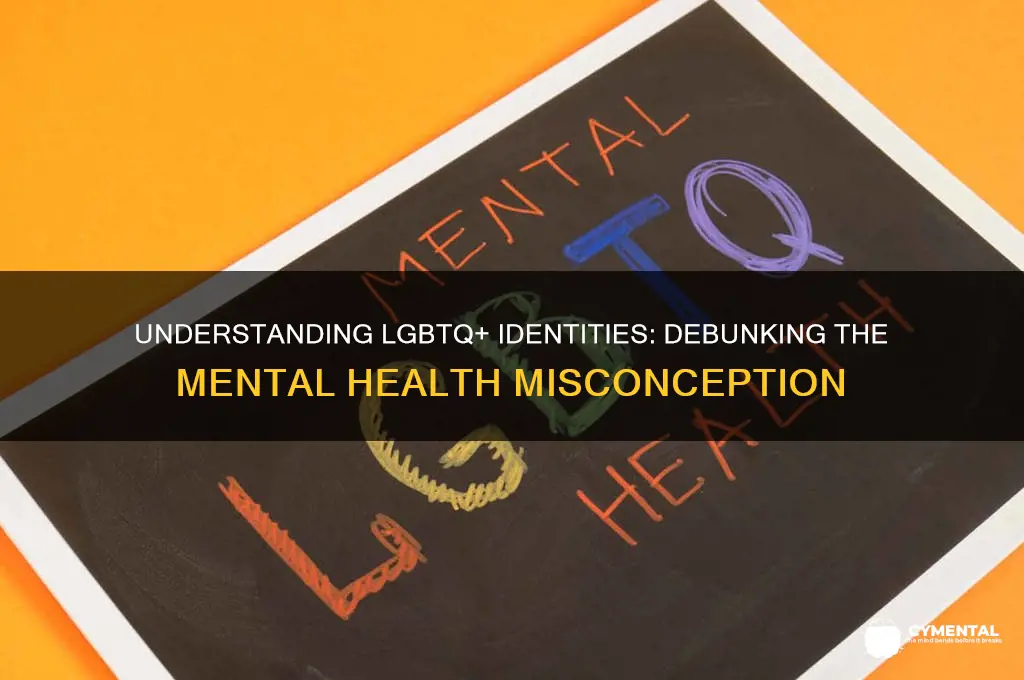
The question of whether LGBTQ identity is a mental issue has been a subject of historical debate, often rooted in outdated and stigmatizing perspectives. Modern scientific consensus, supported by organizations such as the American Psychiatric Association (APA) and the World Health Organization (WHO), unequivocally states that being LGBTQ is not a mental disorder. Homosexuality was removed from the Diagnostic and Statistical Manual of Mental Disorders (DSM) in 1973, and gender identity-related diagnoses have since been reframed to address distress or dysphoria rather than pathologize identity itself. Instead, research highlights that mental health challenges faced by LGBTQ individuals often stem from societal discrimination, prejudice, and lack of acceptance, rather than their sexual orientation or gender identity. Understanding this distinction is crucial for fostering empathy, promoting inclusivity, and ensuring access to affirming mental health care for LGBTQ communities.
Explore related products


What You'll Learn

Historical Misclassification of LGBTQ+ Identities
The historical misclassification of LGBTQ+ identities as mental disorders is a stark reminder of how societal biases can infiltrate scientific and medical discourse. Until 1973, homosexuality was listed in the Diagnostic and Statistical Manual of Mental Disorders (DSM) as a mental illness, a categorization rooted more in cultural prejudice than empirical evidence. This classification not only stigmatized LGBTQ+ individuals but also justified harmful "treatments" such as conversion therapy, electroshock therapy, and lobotomies. The removal of homosexuality from the DSM marked a pivotal moment, but the legacy of this misclassification persists in ongoing discrimination and misconceptions.
Consider the process of depathologization: it began with activism and advocacy from LGBTQ+ communities and allies who challenged the medical establishment’s authority. The 1973 decision to remove homosexuality from the DSM was not driven by a sudden scientific breakthrough but by the relentless pressure to acknowledge the lack of evidence supporting its classification as a disorder. This shift underscores the importance of critically examining the intersection of science and societal norms. It serves as a cautionary tale about the dangers of allowing cultural biases to dictate medical definitions, particularly when those definitions have real-world consequences for marginalized groups.
A comparative analysis reveals how other identities within the LGBTQ+ spectrum, such as transgender and non-binary individuals, continue to face similar struggles. Until 2013, gender identity disorder (GID) was listed in the DSM, pathologizing transgender experiences. Its replacement with gender dysphoria represented progress but still frames transgender identities through a lens of distress rather than affirming their validity. This evolution highlights the ongoing need to disentangle medical terminology from moral judgments, ensuring that diagnoses serve therapeutic purposes without reinforcing stigma.
Practically speaking, the historical misclassification has tangible implications for mental health care today. LGBTQ+ individuals are disproportionately likely to experience anxiety, depression, and suicidal ideation, not because of their identities but due to societal rejection and discrimination. Mental health professionals must be trained to differentiate between distress caused by external factors and intrinsic aspects of LGBTQ+ identities. For example, a transgender individual’s dysphoria may be alleviated through gender-affirming care, not by attempting to change their identity. This distinction is crucial for providing ethical and effective treatment.
In conclusion, the historical misclassification of LGBTQ+ identities as mental disorders serves as a powerful example of how science can be weaponized against marginalized communities. By understanding this history, we can advocate for more inclusive and accurate medical frameworks that prioritize dignity and well-being. The takeaway is clear: identities are not illnesses, and the fight against pathologization is a critical step toward achieving equality and justice for LGBTQ+ individuals.
Stigma Behind Bars: Society's Perception of Mental Health in Prisons
You may want to see also
Explore related products


Scientific Consensus on Sexual Orientation
The scientific community has reached a clear consensus: being LGBTQ+ is not a mental disorder. This understanding is rooted in decades of rigorous research across psychology, biology, and sociology. Major health organizations, including the American Psychiatric Association (APA) and the World Health Organization (WHO), have long removed homosexuality and related identities from diagnostic manuals. The APA’s 1973 decision to declassify homosexuality as a mental illness marked a turning point, reflecting evolving evidence that sexual orientation is a natural variation of human sexuality, not a pathology. Subsequent studies have reinforced this view, emphasizing that LGBTQ+ identities are normal aspects of human diversity, not conditions requiring treatment.
To understand this consensus, consider the biological and psychological evidence. Research in genetics and neuroscience suggests that sexual orientation likely involves a complex interplay of genetic, hormonal, and environmental factors. For instance, twin studies have shown a higher concordance rate for same-sex attraction among identical twins compared to fraternal twins, indicating a genetic component. Similarly, prenatal hormone exposure has been linked to variations in sexual orientation. These findings challenge the notion that LGBTQ+ identities are "chosen" or the result of upbringing, instead framing them as inherent traits shaped by biological processes.
A critical takeaway from this research is the harm caused by pathologizing LGBTQ+ identities. Conversion therapy, often rooted in the false premise that being LGBTQ+ is a mental issue, has been widely discredited and condemned by health professionals. The APA and other organizations have issued clear statements against such practices, citing their ineffectiveness and potential for severe psychological damage, including depression, anxiety, and suicidality. Instead, affirming and supportive environments are recommended to promote mental well-being for LGBTQ+ individuals, particularly youth, who are disproportionately affected by stigma and discrimination.
Comparatively, the historical treatment of LGBTQ+ identities as mental disorders highlights the dangers of conflating societal norms with medical diagnoses. For example, the inclusion of homosexuality in the Diagnostic and Statistical Manual of Mental Disorders (DSM) until 1973 was influenced by cultural biases rather than empirical evidence. This misclassification not only stigmatized LGBTQ+ individuals but also legitimized discriminatory practices. Today, the scientific consensus serves as a corrective, grounding discussions about sexual orientation in evidence rather than prejudice. It underscores the importance of separating medical science from moral judgments.
In practical terms, this consensus has significant implications for healthcare and policy. Providers are encouraged to adopt a culturally competent approach, recognizing LGBTQ+ identities as valid and normal. This includes using inclusive language, avoiding assumptions about patients’ sexual orientation or gender identity, and addressing specific health needs, such as access to gender-affirming care. For parents and educators, understanding the scientific basis of sexual orientation can foster empathy and support for LGBTQ+ youth, creating safer and more accepting environments. Ultimately, the consensus on sexual orientation is not just a scientific finding—it’s a call to action for dignity, respect, and equality.
Empowering Youth: Strategies to Prevent Mental Health Challenges
You may want to see also
Explore related products


Mental Health Impact of Stigma
Stigma against LGBTQ+ individuals operates as a chronic stressor, systematically eroding mental health through mechanisms like minority stress theory. Unlike acute stressors, which resolve, stigma is pervasive—embedded in societal attitudes, policies, and interpersonal interactions. Research shows that LGBTQ+ people exposed to high levels of stigma are 2.5 times more likely to experience anxiety and depression compared to their heterosexual and cisgender peers. This disparity is not inherent to sexual orientation or gender identity but directly linked to external hostility. For example, a 2020 study in *JAMA Psychiatry* found that states with fewer LGBTQ+ protections reported higher rates of mental health crises among queer youth, underscoring the tangible impact of systemic stigma.
Consider the internalization of stigma, a process where marginalized individuals absorb negative societal beliefs about their identity. This internalization manifests as self-loathing, shame, and a distorted self-perception. A 2018 report from the Trevor Project revealed that 40% of LGBTQ+ youth seriously considered suicide in the past year, with internalized stigma identified as a key predictor. Practical interventions, such as cognitive-behavioral therapy (CBT) tailored to address internalized homophobia, have shown efficacy in reducing suicidal ideation by up to 30% in clinical trials. Therapists should incorporate modules on identity affirmation and stigma resilience, particularly for adolescents aged 14–18, who are most vulnerable during identity formation.
Comparatively, the mental health outcomes of LGBTQ+ individuals in supportive environments illustrate the protective role of acceptance. In countries like the Netherlands, where LGBTQ+ rights are robust and stigma is minimal, queer individuals report mental health parity with the general population. Contrast this with regions like Chechnya, where state-sanctioned violence against LGBTQ+ people has led to documented cases of PTSD, severe depression, and forced displacement. This comparison highlights that stigma is not an individual flaw but a societal failure—one that can be mitigated through policy reforms, public education, and community-based support systems.
To combat stigma’s mental health toll, actionable steps include fostering safe spaces in schools, workplaces, and healthcare settings. For instance, implementing LGBTQ+-inclusive curricula in schools reduces bullying by 20%, according to a 2019 study in *Pediatrics*. Employers can mandate diversity training that explicitly addresses anti-LGBTQ+ bias, while healthcare providers should undergo training in culturally competent care. On a personal level, allies can amplify queer voices, challenge stigmatizing language, and advocate for policy changes like nondiscrimination laws. These collective efforts dismantle stigma’s infrastructure, replacing it with a framework of acceptance that safeguards mental well-being.
Supporting Loved Ones: Essential Tips for Mental Health Caregiving
You may want to see also
Explore related products


Gender Dysphoria vs. Being Transgender
Being transgender is an identity; gender dysphoria is a diagnosable condition. The American Psychiatric Association’s *Diagnostic and Statistical Manual of Mental Disorders* (DSM-5) distinguishes between the two, emphasizing that transgender identity itself is not a mental illness. Gender dysphoria, however, refers to the psychological distress experienced when one’s gender identity conflicts with their assigned sex at birth. This distinction is critical: not all transgender individuals experience dysphoria, and dysphoria is not exclusive to transgender people. For example, a transgender man may live authentically without distress, while another may seek medical intervention to alleviate profound discomfort. Understanding this difference prevents pathologizing transgender identity while acknowledging the real challenges dysphoria poses.
Clinically, gender dysphoria is treated through a combination of therapies and, when appropriate, medical interventions. The World Professional Association for Transgender Health (WPATH) outlines standards of care, including hormone therapy (e.g., testosterone or estrogen regimens tailored to age and health) and gender-affirming surgeries. These treatments are not about "changing" someone but alleviating distress and improving quality of life. For instance, a 16-year-old with severe dysphoria might begin hormone blockers under medical supervision, followed by hormone therapy at 18. Conversely, being transgender does not inherently require medical intervention; social transition (name, pronouns, clothing) often suffices for alignment with identity. The key is individualized care, respecting the autonomy of the person.
A common misconception conflates transgender identity with mental illness, often rooted in outdated or biased perspectives. This stigma persists despite evidence that dysphoria, not transgender identity, is the clinical focus. Studies show transgender individuals face higher mental health risks, but these are linked to societal discrimination, not their identity. For example, a 2015 National Transgender Discrimination Survey found 41% of respondents had attempted suicide, primarily due to rejection and violence. Addressing dysphoria through supportive care reduces these risks, underscoring the importance of distinguishing between identity and distress. Advocacy for accurate representation and education is essential to combat harmful stereotypes.
Practically, allies and healthcare providers must approach these topics with clarity and empathy. Start by using correct terminology: "transgender" describes identity, while "gender dysphoria" refers to a specific condition. Avoid assumptions; ask how individuals define their needs. For instance, a transgender woman might prioritize social recognition over medical transition. Provide resources like LGBTQ+ community centers or therapists specializing in gender-affirming care. For parents of transgender youth, WPATH guidelines recommend early support, such as allowing gender expression through clothing or pronouns, which can mitigate dysphoria. The goal is empowerment, not erasure—validating identity while addressing distress when present.
In summary, transgender identity and gender dysphoria are distinct but interconnected. The former is a natural variation of human experience; the latter is a treatable condition. By separating the two, we dismantle stigma and offer targeted support. Whether through medical intervention, therapy, or social affirmation, the focus should be on well-being and self-determination. This nuanced understanding fosters a more inclusive society, where being transgender is recognized as valid and dysphoria is met with compassionate, evidence-based care.
Healing Minds, Bodies: Recovery Centers Tackle Mental Health & Addiction
You may want to see also
Explore related products


Role of Therapy in LGBTQ+ Support
Sexual orientation and gender identity are not mental illnesses, yet LGBTQ+ individuals face higher rates of anxiety, depression, and suicidal ideation due to systemic stigma, discrimination, and minority stress. This disparity highlights the critical need for mental health support tailored to their unique experiences. Therapy plays a pivotal role in addressing these challenges by providing a safe, affirming space where LGBTQ+ individuals can explore their identities, process trauma, and build resilience. Unlike general mental health interventions, LGBTQ+-affirmative therapy explicitly acknowledges and validates diverse sexual orientations and gender identities, fostering trust and effectiveness.
Effective LGBTQ+ therapy begins with creating a nonjudgmental environment where clients feel seen and heard. Therapists must undergo specialized training to understand the intersection of identity, culture, and mental health. For instance, a transgender client may require support navigating gender dysphoria, hormone therapy, or social transition, while a queer youth might struggle with family rejection or peer bullying. Evidence-based modalities like Cognitive Behavioral Therapy (CBT) can help reframe negative self-perceptions, while trauma-informed approaches address internalized homophobia or transphobia. Group therapy or peer support groups, such as those facilitated by organizations like The Trevor Project, can also reduce isolation by connecting individuals with shared experiences.
One practical strategy in LGBTQ+ therapy is the use of gender-affirming language and pronouns, which validates a client’s identity and builds rapport. For example, a therapist working with a non-binary client should consistently use "they/them" pronouns and avoid assumptions about their relationships or appearance. Additionally, therapists can collaborate with clients to develop coping mechanisms for minority stress, such as mindfulness techniques or boundary-setting exercises. For adolescents, family therapy sessions can educate parents and caregivers, fostering acceptance and reducing conflict. Research shows that even one supportive adult can decrease an LGBTQ+ youth’s risk of suicide by 40%, underscoring the impact of therapeutic intervention.
Despite its benefits, accessing LGBTQ+-affirmative therapy remains a challenge for many due to financial barriers, geographic limitations, or fear of discrimination. Telehealth platforms like Pride Counseling or LGBTQ-specific directories such as the Gaylesta directory can improve accessibility, offering remote sessions for those in rural areas or without local resources. However, therapists must remain vigilant about cultural competence, avoiding tokenism or superficial inclusivity. For instance, a therapist should not assume all LGBTQ+ clients have the same needs; a Black queer woman’s experience will differ significantly from that of a white gay man due to intersecting oppressions.
In conclusion, therapy is not a cure for being LGBTQ+, but it is an essential tool for mitigating the mental health disparities caused by societal prejudice. By combining clinical expertise with cultural humility, therapists can empower LGBTQ+ individuals to thrive in a world that often marginalizes them. Whether through individual counseling, group support, or advocacy, the role of therapy in LGBTQ+ support is transformative, offering both healing and hope.
Supporting Refugee Mental Health: Strategies for Inclusive and Compassionate Care
You may want to see also
Frequently asked questions
No, being LGBTQ is not a mental health disorder. The American Psychiatric Association (APA) removed homosexuality from its list of mental disorders in 1973, and the World Health Organization (WHO) followed suit in 1990. Being LGBTQ is a natural variation of human sexuality and gender identity.
LGBTQ individuals may experience higher rates of mental health issues such as depression, anxiety, and suicidal ideation, but this is often due to external factors like discrimination, stigma, and lack of support, not their sexual orientation or gender identity.
No, conversion therapy, which aims to change a person’s sexual orientation or gender identity, is widely condemned by major medical and mental health organizations as ineffective and harmful. Being LGBTQ is not something that needs to be cured.
Gender dysphoria, the distress a person experiences due to a mismatch between their gender identity and assigned sex at birth, is recognized as a medical condition. However, being transgender itself is not a mental illness. Supportive care, such as gender-affirming treatments, is recommended to alleviate dysphoria.
Misinformation, cultural biases, and outdated beliefs persist in some communities. Historical classifications of homosexuality as a mental disorder have left a lasting impact, but scientific consensus and societal understanding have evolved to affirm that being LGBTQ is a normal and healthy aspect of human diversity.