Noah Parker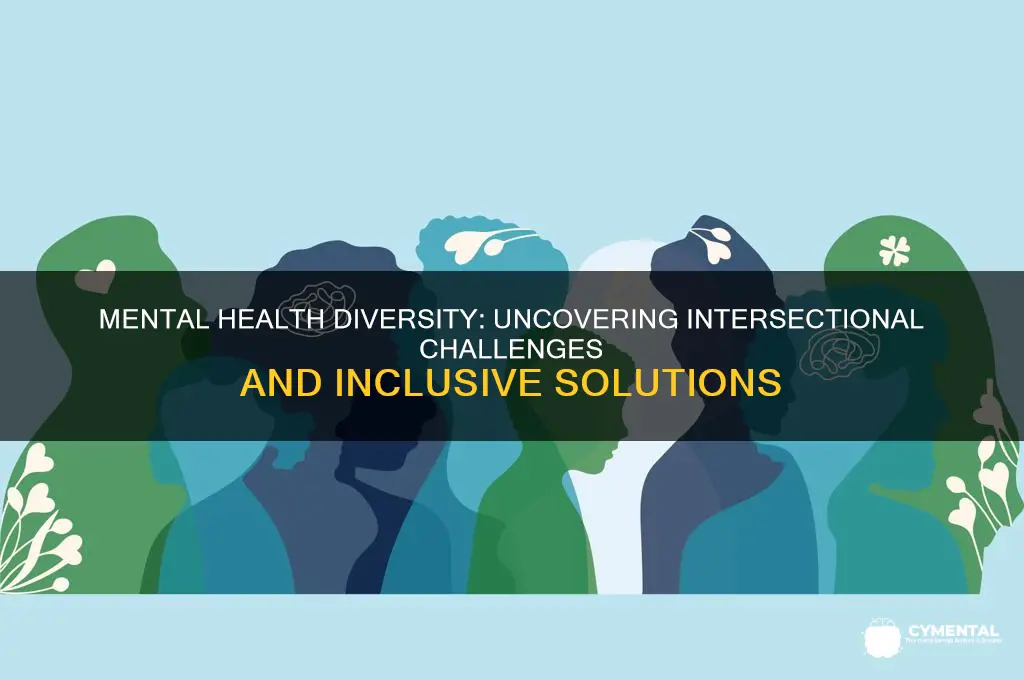
Mental health is increasingly recognized as a critical component of diversity and inclusion efforts, as it intersects with various aspects of identity and experience. While diversity often focuses on visible differences such as race, gender, and ethnicity, mental health challenges affect individuals across all demographics, yet they are often overlooked or stigmatized. Addressing mental health as a diversity issue highlights the need for equitable support systems, inclusive policies, and a workplace or societal culture that fosters understanding and acceptance. By acknowledging mental health as part of the diversity spectrum, organizations and communities can create safer, more supportive environments that empower individuals to thrive, regardless of their mental health status. This perspective also emphasizes the importance of reducing barriers to access care and promoting awareness to combat the pervasive stigma surrounding mental health issues.
| Characteristics | Values |
|---|---|
| Prevalence Across Demographics | Mental health issues affect all populations, but prevalence and access to care vary significantly by race, ethnicity, gender, age, and socioeconomic status. For example, minority groups often face higher rates of mental health disorders due to systemic barriers and discrimination. |
| Cultural Stigma | Different cultures have varying perceptions of mental health, with some communities stigmatizing mental illness more than others. This stigma can prevent individuals from seeking help. |
| Access to Care | Disparities in access to mental health services exist, with marginalized groups (e.g., racial minorities, LGBTQ+ individuals, low-income populations) often facing barriers such as lack of insurance, cultural incompetence in healthcare, and geographic isolation. |
| Intersectionality | Mental health is influenced by the intersection of multiple identities (e.g., race, gender, sexuality, disability). Individuals with intersecting marginalized identities may experience compounded mental health challenges. |
| Workplace Inclusion | Mental health is increasingly recognized as a diversity and inclusion issue in workplaces, with employers implementing policies to support mental well-being and reduce stigma. |
| Policy and Advocacy | Advocacy efforts emphasize the need for mental health policies that address diversity, equity, and inclusion, ensuring that all individuals have equal access to care and support. |
| Representation in Research | Mental health research often lacks diversity, with underrepresentation of minority groups. This limits the understanding of how mental health issues manifest differently across populations. |
| Economic Impact | Mental health disparities contribute to economic inequalities, as untreated mental health issues can lead to reduced productivity, unemployment, and increased healthcare costs, disproportionately affecting marginalized communities. |
| Education and Awareness | Diverse communities require tailored mental health education and awareness campaigns to address unique cultural, linguistic, and social needs. |
| Healthcare Provider Diversity | A lack of diversity among mental health professionals can hinder effective care, as providers may not fully understand the cultural and social contexts of their patients. |
Explore related products


What You'll Learn
- Cultural stigma and mental health access disparities across diverse communities globally
- Intersectionality of race, gender, and socioeconomic status in mental health outcomes
- Language barriers limiting mental health services for non-English speaking populations
- LGBTQ+ mental health challenges due to discrimination and lack of inclusive care
- Workplace diversity policies addressing mental health needs of underrepresented employees

Cultural stigma and mental health access disparities across diverse communities globally
Cultural stigma surrounding mental health remains a formidable barrier to care, particularly in diverse communities where historical, religious, and societal norms intertwine to silence conversations. In many cultures, mental illness is perceived as a personal failing, a spiritual curse, or a source of shame to the family, rather than a treatable medical condition. For instance, in some African communities, mental health issues are often attributed to witchcraft or ancestral displeasure, leading individuals to seek traditional healers instead of professional mental health services. Similarly, in parts of Asia, the stigma of mental illness can lead to social ostracism, discouraging individuals from seeking help. These deeply rooted beliefs not only delay treatment but also exacerbate symptoms, creating a cycle of suffering that perpetuates disparities in mental health access.
To address these disparities, it is essential to implement culturally sensitive interventions that bridge the gap between traditional beliefs and modern mental health care. One effective strategy is the integration of community health workers who are trained in both mental health principles and local cultural practices. For example, in India, the *Manodarpan* initiative employs counselors who are familiar with regional languages and customs to provide mental health support during the COVID-19 pandemic. Similarly, in Latin America, programs like *Familias Fuertes* engage families in workshops that combine mental health education with cultural storytelling, fostering trust and reducing stigma. By embedding mental health care within familiar cultural frameworks, these initiatives make services more accessible and acceptable to diverse communities.
However, cultural stigma is not the sole driver of mental health access disparities; systemic barriers such as language, cost, and geographic isolation also play a critical role. In the United States, for instance, Hispanic and Latino communities often face language barriers that limit their ability to access mental health services, despite the growing availability of bilingual providers. In rural areas of Africa and Southeast Asia, the scarcity of mental health professionals—with ratios as low as 1 psychiatrist per 1 million people—leaves vast populations underserved. Addressing these disparities requires a multi-faceted approach, including policy reforms to increase funding for mental health infrastructure, training programs to expand the workforce, and technology-based solutions like teletherapy to reach remote areas.
A persuasive argument for prioritizing mental health equity lies in its economic and social benefits. Untreated mental health conditions impose significant costs on societies, from reduced productivity to increased healthcare expenditures. For example, the World Health Organization estimates that depression and anxiety disorders cost the global economy $1 trillion annually in lost productivity. By investing in culturally competent mental health services, governments and organizations can not only alleviate human suffering but also stimulate economic growth and social stability. This perspective shifts the conversation from one of charity to one of strategic investment, making a compelling case for urgent action.
Ultimately, dismantling cultural stigma and addressing access disparities requires a collaborative effort that respects the unique needs and values of diverse communities. It begins with education—challenging misconceptions through public awareness campaigns and school curricula that normalize mental health discussions. It continues with advocacy—empowering community leaders to champion mental health as a priority issue. And it culminates in innovation—leveraging technology, policy, and partnerships to build inclusive systems of care. By adopting this holistic approach, we can ensure that mental health is no longer a privilege but a fundamental right for all, regardless of culture or background.
HIV-Positive Orphans: Exploring Mental Health Challenges and Support Needs
You may want to see also
Explore related products


Intersectionality of race, gender, and socioeconomic status in mental health outcomes
Mental health disparities are not random; they are deeply rooted in the intersection of race, gender, and socioeconomic status. For instance, Black women in the United States are 20% more likely to experience serious psychological distress than White women, yet they are less likely to receive adequate mental health treatment. This disparity is not solely due to race or gender but the compounding effect of both, exacerbated by socioeconomic barriers like limited access to healthcare and systemic discrimination. Understanding this intersectionality is crucial for addressing inequities in mental health outcomes.
Consider the following steps to analyze intersectionality in mental health: First, disaggregate data by race, gender, and income level to identify specific vulnerabilities. For example, studies show that low-income Latina adolescents face higher rates of depression due to stressors like immigration status, family instability, and limited access to resources. Second, examine systemic factors such as healthcare policies, cultural stigma, and workplace discrimination that disproportionately affect marginalized groups. Third, design interventions tailored to these intersections—for instance, culturally sensitive therapy programs for Black men or financial assistance for mental health services in underserved communities.
A comparative analysis reveals how these factors interplay differently across populations. Asian American women, for example, often face the "model minority myth," which masks their mental health struggles, while Indigenous communities grapple with intergenerational trauma from colonization. Meanwhile, LGBTQ+ individuals of color experience higher rates of anxiety and depression due to both racial and sexual orientation-based discrimination. These comparisons highlight the need for nuanced approaches that address the unique challenges of each group.
To implement practical solutions, start by advocating for policy changes that address systemic inequalities, such as expanding Medicaid coverage for mental health services. Encourage workplaces to adopt diversity, equity, and inclusion (DEI) initiatives that specifically target mental health support for marginalized employees. On an individual level, educate yourself and others about the intersectional nature of mental health struggles and support community-based organizations that provide culturally competent care. For instance, organizations like the Boris Lawrence Henson Foundation focus on eradicating stigma in the Black community, offering both awareness campaigns and direct services.
In conclusion, the intersectionality of race, gender, and socioeconomic status is not just a theoretical concept but a lived reality that shapes mental health outcomes. By acknowledging these intersections and taking targeted action, we can move toward a more equitable mental health care system. The goal is not just to treat symptoms but to dismantle the systemic barriers that create disparities in the first place.
Rising Mental Health Challenges: Uncovering the Surge in Global Struggles
You may want to see also
Explore related products

$27.69 $55.99


Language barriers limiting mental health services for non-English speaking populations
Language barriers in mental health services disproportionately affect non-English speaking populations, creating a silent crisis that exacerbates disparities in care. For instance, in the United States, over 25 million people are classified as Limited English Proficient (LEP), yet only 6% of psychologists and 5% of psychiatrists are bilingual. This mismatch results in delayed diagnoses, miscommunication, and underutilization of services. A study in *JAMA Psychiatry* found that LEP individuals are 50% less likely to receive adequate mental health treatment compared to English-fluent counterparts, highlighting how linguistic isolation deepens existing inequities.
Consider the practical challenges: a Spanish-speaking patient in a rural clinic might rely on a family member for translation, risking breaches of confidentiality and misinterpretation of symptoms. Even when interpreters are available, cultural nuances often get lost in translation. For example, the concept of "depression" in Western medicine may not align with how a Somali immigrant describes feelings of "heavy heart" or "spiritual unrest." Without culturally sensitive language, providers may misdiagnose or overlook conditions, leaving patients feeling misunderstood or dismissed.
To address this, healthcare systems must adopt multilingual strategies beyond basic translation. Telehealth platforms like *Lark Health* and *InStride* now offer real-time interpretation in over 20 languages, ensuring accessibility for diverse populations. Clinics can also train staff in cultural humility, a practice that emphasizes self-reflection and respect for patients’ linguistic and cultural identities. For instance, the *National Alliance on Mental Illness (NAMI)* provides free workshops on culturally responsive care, equipping providers with tools to bridge communication gaps.
However, reliance on technology and training alone is insufficient. Policy changes are critical. The *Affordable Care Act* mandates language access in healthcare, but enforcement remains inconsistent. Advocacy groups like *Asian Americans Advancing Justice* push for stricter compliance, urging federal agencies to audit healthcare facilities for language accessibility. Simultaneously, funding for bilingual mental health professionals must increase; scholarships and loan forgiveness programs could incentivize more diverse candidates to enter the field.
Ultimately, dismantling language barriers requires a multifaceted approach—combining technology, education, and policy—to ensure mental health services are truly inclusive. Without such measures, non-English speaking populations will continue to face systemic exclusion, perpetuating a cycle of untreated mental illness and widening health disparities. The question is not whether this is a priority but how quickly we can act to rectify it.
Navigating Mental Health Challenges: Strategies for Coping During Lockdown
You may want to see also
Explore related products


$68.5 $88.95


LGBTQ+ mental health challenges due to discrimination and lack of inclusive care
LGBTQ+ individuals face disproportionately higher rates of mental health challenges, with discrimination and lack of inclusive care as primary drivers. Studies show that LGBTQ+ adults are more than twice as likely as their heterosexual peers to experience mental health conditions, such as depression and anxiety. This disparity is not inherent but rather a consequence of systemic biases, societal stigma, and inadequate healthcare practices. For instance, a 2020 report by the Trevor Project found that 40% of LGBTQ+ youth seriously considered attempting suicide in the past year, highlighting the urgent need for targeted interventions.
Discrimination manifests in overt and covert ways, from workplace bias to familial rejection, creating chronic stress that erodes mental well-being. Consider the experience of a transgender individual seeking therapy: they may encounter providers who misgender them, lack knowledge of gender-affirming care, or outright refuse treatment. This lack of inclusive care not only deters LGBTQ+ individuals from seeking help but also exacerbates feelings of isolation and invalidation. A 2019 survey by the Center for American Progress revealed that 29% of LGBTQ+ respondents reported being turned away by a healthcare provider due to their sexual orientation or gender identity.
To address these challenges, healthcare systems must adopt evidence-based practices that prioritize inclusivity. Providers should undergo mandatory training in LGBTQ+ cultural competency, ensuring they understand the unique stressors faced by this population. For example, therapists can integrate gender-affirming language and avoid assumptions about patients’ identities. Additionally, telehealth platforms can offer accessible, anonymous care for those in unsupportive environments. Practical steps include displaying LGBTQ+ pride symbols in clinics, using intake forms with inclusive language, and partnering with local LGBTQ+ organizations for referrals.
A comparative analysis of successful initiatives reveals the power of community-based approaches. Programs like the Ali Forney Center in New York provide housing and mental health services tailored to LGBTQ+ youth, reducing suicide risk by fostering a sense of belonging. Similarly, peer support groups, such as those facilitated by PFLAG, offer safe spaces for individuals to share experiences and coping strategies. These models demonstrate that addressing LGBTQ+ mental health requires not just clinical intervention but also systemic advocacy and community engagement.
In conclusion, the mental health challenges faced by LGBTQ+ individuals are a direct result of discrimination and inadequate care systems. By implementing inclusive practices, educating providers, and leveraging community resources, we can mitigate these disparities. The takeaway is clear: mental health is inherently a diversity issue, and addressing it requires recognizing and dismantling the barriers that disproportionately affect marginalized communities like the LGBTQ+ population.
Understanding Mental Health: Effective Strategies to Assess and Address Issues
You may want to see also
Explore related products


Workplace diversity policies addressing mental health needs of underrepresented employees
Mental health is increasingly recognized as a critical component of workplace diversity, yet many organizations fail to integrate it into their diversity policies effectively. Underrepresented employees—such as racial minorities, LGBTQ+ individuals, and people with disabilities—often face unique mental health challenges due to systemic barriers, discrimination, and microaggressions. Addressing these needs requires policies that go beyond generic wellness programs to tackle the root causes of inequity. For instance, a tech company might implement mandatory bias training for managers, coupled with accessible mental health resources tailored to the experiences of marginalized groups. Without such targeted interventions, diversity initiatives risk perpetuating the very disparities they aim to eliminate.
To design effective policies, organizations must first conduct a needs assessment that centers the voices of underrepresented employees. This involves anonymous surveys, focus groups, and one-on-one interviews to identify specific stressors and barriers to mental health support. For example, a healthcare organization might discover that Black employees experience higher burnout rates due to racial bias from patients and colleagues. Armed with this data, the organization could introduce a peer support program led by Black mental health professionals, offering culturally sensitive counseling and resilience-building workshops. Such initiatives not only address immediate needs but also foster a sense of belonging and validation.
A key challenge in implementing these policies is ensuring they are not tokenistic but embedded in the organization’s culture and operations. This requires leadership buy-in, measurable goals, and accountability mechanisms. For instance, a financial firm could tie manager bonuses to diversity and mental health metrics, such as employee satisfaction scores and utilization rates of mental health benefits. Additionally, offering flexible work arrangements and paid mental health days can reduce stigma and encourage employees to seek help without fear of repercussions. However, organizations must also guard against overburdening underrepresented employees with the responsibility of educating others—a common pitfall in diversity efforts.
Comparing successful policies across industries reveals common elements: accessibility, cultural competence, and proactive outreach. For example, a retail company might partner with telehealth providers to offer free therapy sessions in multiple languages, while a nonprofit could create safe spaces for LGBTQ+ employees to discuss workplace challenges. Both approaches prioritize inclusivity and recognize that mental health needs vary across identities. By adopting such strategies, organizations can move from reactive to preventive care, reducing absenteeism, turnover, and healthcare costs while fostering a more equitable and productive workforce.
Ultimately, addressing the mental health needs of underrepresented employees is not just a moral imperative but a strategic one. Companies that fail to do so risk losing talent, damaging their reputation, and falling behind competitors in an increasingly diverse marketplace. Practical steps include allocating a dedicated budget for mental health initiatives, training HR staff in cultural competency, and regularly reviewing policies for effectiveness. While progress requires sustained effort, the payoff—a workforce that feels valued, supported, and empowered—is well worth the investment.
Overcoming Mental Health Challenges: Effective Strategies for Healing and Recovery
You may want to see also
Frequently asked questions
Yes, mental health is increasingly recognized as a diversity issue because it intersects with various aspects of identity, including race, gender, socioeconomic status, and cultural background, which can influence access to care and experiences of mental health challenges.
Mental health is a critical component of diversity and inclusion in the workplace because employees from diverse backgrounds may face unique stressors, barriers to care, and stigma. Addressing mental health as a diversity issue fosters a more supportive and equitable work environment.
Treating mental health as a diversity issue in healthcare is important because it highlights disparities in access, treatment, and outcomes for marginalized communities. This approach ensures that mental health services are culturally competent and tailored to meet the needs of diverse populations.