Caleb Wright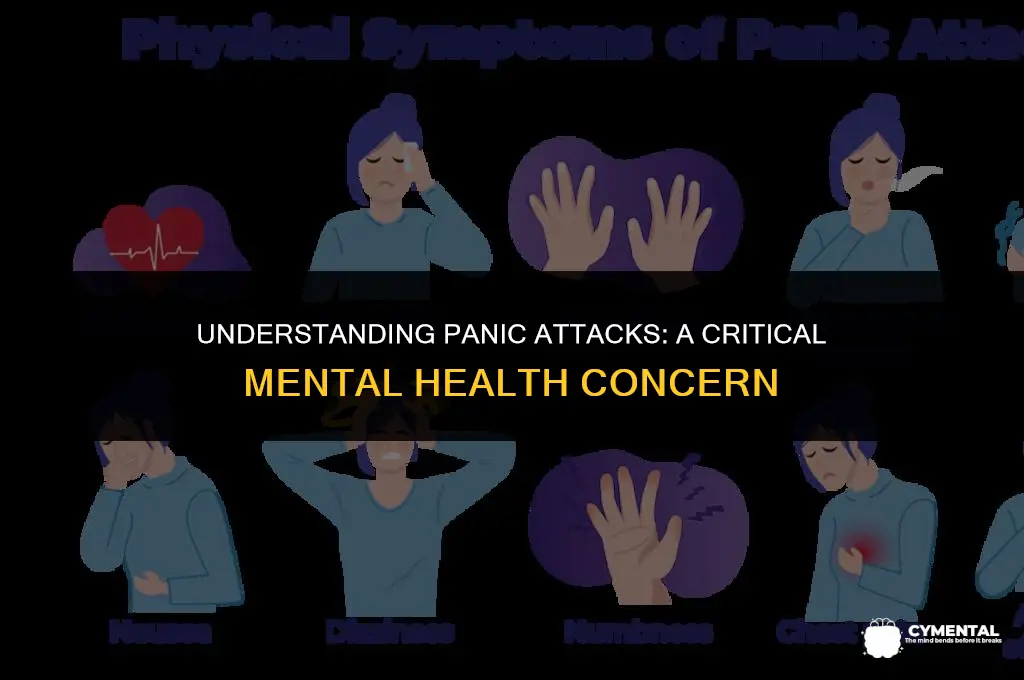
Panic attacks are a significant mental health concern that can profoundly impact an individual's quality of life. Characterized by sudden and intense episodes of fear or anxiety, panic attacks can manifest physically with symptoms such as rapid heartbeat, shortness of breath, and trembling. These attacks often occur without warning and can happen in any situation, leading to a pervasive sense of dread and avoidance behaviors. Understanding panic attacks as a mental health issue is crucial for providing appropriate support and treatment to those affected.
| Characteristics | Values |
|---|---|
| Definition | A panic attack is a sudden episode of intense fear or anxiety that reaches a peak within minutes and includes physical and emotional symptoms. |
| Symptoms | Palpitations, pounding heart, chest pain, shortness of breath, feeling of choking, dizziness, lightheadedness, nausea, vomiting, trembling, shaking, feeling of unreality, fear of losing control or going crazy, fear of dying. |
| Duration | Typically lasts for several minutes, but can persist for hours in severe cases. |
| Frequency | Can occur once or twice in a person's life, or can be a recurring problem. |
| Causes | Often triggered by stress, fear, or anxiety, but can also occur without an obvious cause. |
| Diagnosis | Diagnosed by a mental health professional based on symptoms and medical history. |
| Treatment | Can be treated with therapy, medication, or a combination of both. |
| Prognosis | With proper treatment, most people can learn to manage their panic attacks and lead a normal life. |
| Complications | Can lead to agoraphobia, depression, substance abuse, and other mental health issues if left untreated. |
| Prevention | Practicing stress management techniques, such as deep breathing and meditation, can help prevent panic attacks. |
Explore related products


What You'll Learn

Definition and Symptoms
A panic attack is a sudden episode of intense fear or anxiety that reaches a peak within minutes and includes physical and emotional symptoms. These attacks can occur unexpectedly or be triggered by specific situations, known as phobias. The physical symptoms of a panic attack can be overwhelming and may include a racing heartbeat, shortness of breath, chest pain, trembling, sweating, and feelings of nausea or dizziness. Emotional symptoms often accompany these physical sensations and can manifest as a sense of impending doom, fear of losing control, or fear of death.
It's essential to recognize that panic attacks are a common symptom of several mental health conditions, including panic disorder, social anxiety disorder, and post-traumatic stress disorder (PTSD). While experiencing a panic attack does not necessarily mean an individual has a mental health issue, recurrent panic attacks that interfere with daily life and cause significant distress are indicative of an underlying condition that requires professional evaluation and treatment.
The symptoms of a panic attack can be both terrifying and debilitating, often leading individuals to avoid situations or places where they fear an attack might occur. This avoidance behavior can significantly impact a person's quality of life, limiting their ability to function in social, occupational, or personal contexts. Therefore, understanding the definition and symptoms of a panic attack is crucial for early intervention and effective management of this mental health issue.
In summary, panic attacks are characterized by a sudden onset of intense fear and anxiety, accompanied by physical and emotional symptoms. Recognizing these symptoms and their potential impact on daily life is essential for addressing the underlying mental health condition and improving overall well-being.
Understanding ADHD: Mental Health Condition or Neurodevelopmental Difference?
You may want to see also
Explore related products


$13.5 $13.5


Causes and Triggers
Panic attacks are often triggered by a combination of psychological and physiological factors. One of the primary psychological causes is an underlying anxiety disorder, which can manifest in various forms such as generalized anxiety disorder, social anxiety disorder, or specific phobias. These disorders create a heightened state of alertness and fear, making individuals more susceptible to panic attacks. Additionally, traumatic events, such as physical or emotional abuse, accidents, or the loss of a loved one, can also contribute to the development of panic attacks. These traumatic experiences can lead to long-lasting emotional distress and a heightened sense of vulnerability, increasing the likelihood of panic episodes.
Physiological factors also play a significant role in triggering panic attacks. Certain medical conditions, such as hyperthyroidism, hypoglycemia, or cardiovascular problems, can cause symptoms that mimic those of a panic attack, leading to increased anxiety and fear. Substance abuse, particularly the use of stimulants like cocaine or amphetamines, can also induce panic attacks by disrupting the body's natural balance of neurotransmitters. Furthermore, caffeine and nicotine consumption can exacerbate anxiety symptoms and lower the threshold for panic attacks.
Environmental factors can also contribute to the onset of panic attacks. High-stress situations, such as public speaking, job interviews, or crowded places, can trigger panic in individuals who are already prone to anxiety. Additionally, certain sensory stimuli, such as loud noises, bright lights, or strong smells, can also provoke panic attacks in some individuals. These environmental triggers can activate the body's fight-or-flight response, leading to the sudden onset of panic symptoms.
It is important to note that panic attacks are not a sign of weakness or a lack of willpower. They are a legitimate mental health issue that can be caused by a complex interplay of genetic, psychological, physiological, and environmental factors. Understanding the underlying causes and triggers of panic attacks is crucial for developing effective treatment strategies and providing support to those who suffer from this debilitating condition.
Is Hate a Mental Health Issue? Exploring the Psychological Roots
You may want to see also
Explore related products


$6.79 $14.99

$32.99 $32.99


Diagnosis and Criteria
To diagnose a panic attack as a mental health issue, healthcare professionals rely on specific criteria outlined in the Diagnostic and Statistical Manual of Mental Disorders (DSM-5). The DSM-5 provides a structured approach to diagnosing mental health conditions, ensuring consistency and accuracy across different healthcare settings. According to the DSM-5, a panic attack is characterized by a sudden episode of intense fear or discomfort that reaches a peak within minutes and includes at least four of the following symptoms: palpitations, pounding heart, or accelerated heart rate; sweating; trembling or shaking; sensations of shortness of breath or smothering; feelings of choking; chest pain or discomfort; nausea or abdominal distress; feeling dizzy, unsteady, lightheaded, or faint; chills or hot flashes; and numbness or tingling sensations.
In addition to these physical symptoms, panic attacks often involve psychological symptoms such as feelings of impending doom, fear of losing control, or fear of dying. These symptoms can be extremely distressing and may lead individuals to seek immediate medical attention, fearing they are experiencing a life-threatening physical illness. It is essential for healthcare providers to recognize these symptoms as part of a panic attack rather than a physical health problem to provide appropriate treatment and support.
The diagnosis of panic disorder, which is the condition characterized by recurrent panic attacks, involves a more comprehensive evaluation. Healthcare professionals must assess the frequency, severity, and impact of panic attacks on an individual's daily life. They may also consider the presence of other mental health conditions, such as depression or anxiety disorders, which often co-occur with panic disorder. A thorough diagnostic evaluation may include a physical examination, psychological assessments, and a review of the individual's medical and psychiatric history.
Once a diagnosis is made, healthcare providers can develop a treatment plan tailored to the individual's specific needs. Treatment for panic disorder typically involves a combination of psychotherapy, such as cognitive-behavioral therapy (CBT), and medication, such as selective serotonin reuptake inhibitors (SSRIs) or benzodiazepines. CBT helps individuals identify and challenge negative thought patterns that contribute to panic attacks, while medication can help alleviate symptoms and reduce the frequency of attacks. With proper diagnosis and treatment, individuals with panic disorder can learn to manage their symptoms and improve their overall quality of life.
Understanding Grief: Mental Health Implications and Coping Strategies
You may want to see also
Explore related products


Treatment and Management
Cognitive Behavioral Therapy (CBT) is a frontline treatment for panic attacks, focusing on identifying and challenging negative thought patterns that contribute to the onset of panic. Through CBT, individuals learn to recognize the cognitive distortions that precede panic attacks and develop strategies to reframe these thoughts, thereby reducing the frequency and intensity of their symptoms. This therapeutic approach often involves exposure therapy, where patients are gradually exposed to situations or stimuli that trigger their panic, helping them build resilience and coping mechanisms.
Medication can also play a crucial role in managing panic attacks. Selective Serotonin Reuptake Inhibitors (SSRIs) and Benzodiazepines are commonly prescribed to alleviate symptoms. SSRIs, such as fluoxetine and sertraline, work by increasing the levels of serotonin in the brain, which can help regulate mood and reduce anxiety. Benzodiazepines, like alprazolam and clonazepam, act as sedatives that can quickly alleviate the physical symptoms of panic attacks. However, it's important to note that benzodiazepines can be habit-forming and are typically recommended for short-term use.
In addition to professional treatment, there are several self-help strategies that individuals can employ to manage panic attacks. Deep breathing exercises, progressive muscle relaxation, and mindfulness meditation can help reduce anxiety and promote a sense of calm. Regular physical activity and a balanced diet can also contribute to overall mental health and well-being. Furthermore, avoiding stimulants like caffeine and nicotine, which can exacerbate anxiety, is advisable.
For those experiencing frequent or severe panic attacks, it may be beneficial to develop a crisis plan. This plan should include emergency contact information, a list of coping strategies, and instructions for seeking immediate help if necessary. Sharing this plan with friends, family, and healthcare providers can ensure that support is readily available during a crisis.
In conclusion, effective treatment and management of panic attacks often involve a combination of professional therapy, medication, and self-help techniques. By working with healthcare professionals and implementing these strategies, individuals can learn to control their symptoms and improve their quality of life.
Explore related products


Impact on Daily Life
Panic attacks can significantly disrupt daily life, making routine activities feel daunting or even impossible. For instance, a person experiencing frequent panic attacks may find it challenging to maintain a regular work schedule, as the fear of having an attack in a professional setting can lead to avoidance behaviors. This can result in decreased productivity, strained relationships with colleagues, and potential job loss. Similarly, social interactions can become difficult, as individuals may avoid public places or social gatherings to prevent panic attacks, leading to isolation and loneliness.
The impact of panic attacks on daily life extends beyond work and social interactions. Simple tasks such as grocery shopping, driving, or even leaving the house can become overwhelming. The constant fear of experiencing another panic attack can lead to a state of hypervigilance, where individuals are always on the lookout for potential triggers, further exacerbating anxiety and stress. This can create a vicious cycle, where the fear of panic attacks leads to behaviors that reinforce anxiety and make it more difficult to manage daily responsibilities.
Moreover, panic attacks can affect physical health, as the body's response to panic can lead to symptoms such as chest pain, shortness of breath, and dizziness. These physical manifestations can further disrupt daily life, as individuals may need to seek medical attention or take time off work to recover. The emotional toll of panic attacks should not be underestimated, as the fear and helplessness associated with these episodes can lead to depression and a decreased sense of self-worth.
To mitigate the impact of panic attacks on daily life, it is essential to seek professional help and develop coping strategies. Cognitive-behavioral therapy (CBT) is a highly effective treatment for panic disorder, as it helps individuals identify and challenge negative thought patterns that contribute to anxiety. Medications such as selective serotonin reuptake inhibitors (SSRIs) can also be beneficial in reducing the frequency and severity of panic attacks. In addition to professional treatment, lifestyle changes such as regular exercise, healthy eating, and stress management techniques can help individuals better manage their symptoms and improve their overall quality of life.
In conclusion, panic attacks can have a profound impact on daily life, affecting work, social interactions, physical health, and emotional well-being. However, with the right treatment and coping strategies, individuals can learn to manage their symptoms and regain control over their lives. It is crucial to recognize the signs of panic disorder and seek help, as early intervention can significantly improve outcomes and reduce the disruptive effects of panic attacks on daily life.
Preparing for Mental Health Challenges: A Comprehensive Planning Guide
You may want to see also
Frequently asked questions
Yes, panic attacks are considered a mental health issue. They are often associated with anxiety disorders and can be a symptom of other mental health conditions.
Common symptoms of a panic attack include a sudden onset of intense fear or discomfort, palpitations, sweating, trembling, shortness of breath, chest pain, nausea, dizziness, and feelings of detachment from reality.
Panic attacks can be treated or managed through various methods, including cognitive-behavioral therapy (CBT), medication such as antidepressants or benzodiazepines, relaxation techniques like deep breathing and progressive muscle relaxation, and lifestyle changes such as regular exercise and stress management.