Lucas Bennett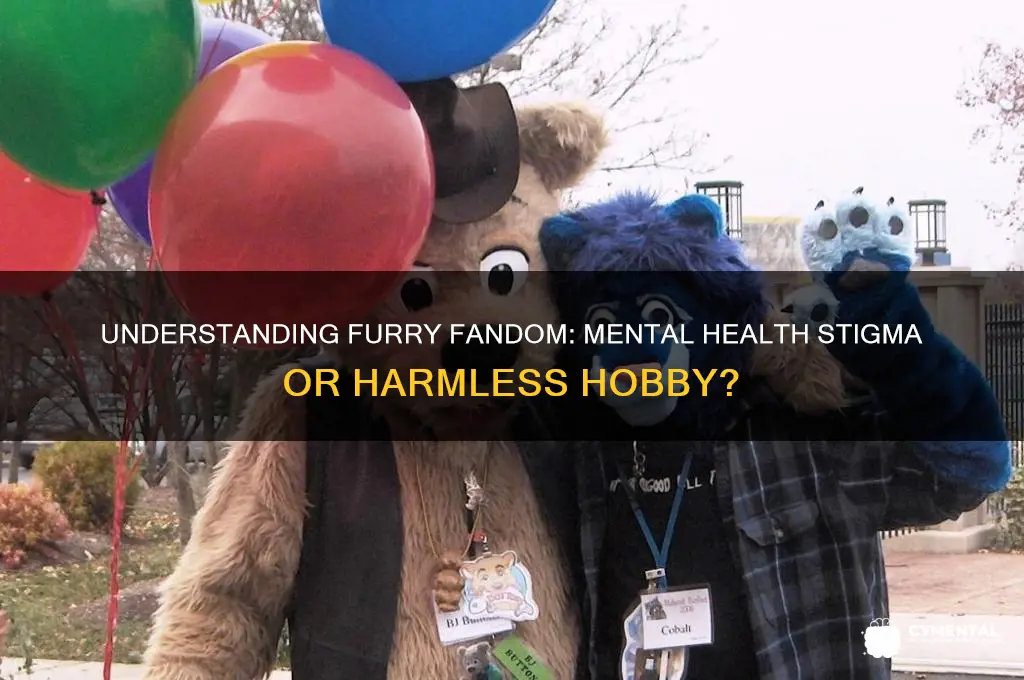
The question of whether being a furry—an individual who identifies with or has an interest in anthropomorphic animal characters—constitutes a mental health issue is a topic of debate and often stems from misconceptions and stigma. While some critics argue that furries exhibit behaviors that could be perceived as unusual or obsessive, mental health professionals generally agree that being a furry, in itself, is not a mental disorder. Furry identity or interest is typically considered a form of self-expression, hobby, or subculture, much like other fandoms or communities. However, as with any interest, extreme or maladaptive behaviors related to furry identity could potentially indicate underlying mental health concerns, but these would need to be assessed on an individual basis rather than generalizing the entire community. Understanding and empathy are crucial in addressing this topic, as stigmatizing furries can lead to unnecessary harm and discrimination.
| Characteristics | Values |
|---|---|
| Definition | Furry fandom is a subculture interested in anthropomorphic animal characters. |
| Mental Health Association | No recognized mental disorder; interest in furry fandom is not inherently pathological. |
| Psychological Studies | Limited research; some studies suggest furries may have higher rates of autism spectrum traits or social anxiety, but being a furry is not a disorder. |
| Stigma | Furries often face social stigma and misconceptions, which can impact mental health. |
| Community Support | Furry communities often provide social support and acceptance, which can be beneficial for mental well-being. |
| Individual Variation | Experiences vary widely; some furries may have mental health issues, but this is not exclusive to the fandom. |
| Professional Opinion | Mental health professionals generally do not consider being a furry as a mental health issue unless it causes significant distress or impairment. |
| Cultural Acceptance | Increasing cultural acceptance and understanding of the furry fandom in recent years. |
| Self-Expression | For many, the furry fandom is a form of self-expression and creativity, contributing positively to mental health. |
| Misconceptions | Common misconceptions often lead to unfair judgments and discrimination against furries. |
Explore related products


What You'll Learn
- Social Stigma and Misconceptions: Addressing societal biases against furries as mentally ill without evidence
- Self-Expression vs. Disorder: Differentiating furry identity from diagnosable mental health conditions
- Psychological Studies: Examining research on furries' mental health and well-being trends
- Community Support: Role of furry communities in fostering mental health resilience
- Media Influence: How media portrayal shapes perceptions of furries' mental stability

Social Stigma and Misconceptions: Addressing societal biases against furries as mentally ill without evidence
The furry fandom, a subculture centered around anthropomorphic animal characters, often faces societal stigma, with a pervasive misconception linking furries to mental illness. This bias persists despite a lack of empirical evidence supporting such claims. The stigma not only misrepresents the diverse motivations and experiences of furries but also perpetuates harmful stereotypes that can lead to social exclusion and discrimination. Addressing this issue requires a nuanced understanding of the fandom’s nature and the psychological factors that drive societal prejudice.
To dismantle this stigma, it’s essential to first examine the origins of the misconception. Media portrayals often sensationalize the furry fandom, focusing on extreme or unusual behaviors while ignoring its creative, artistic, and social aspects. For instance, documentaries or news segments frequently highlight furries in fursuits at conventions, framing these expressions as bizarre or deviant rather than as forms of self-expression or hobbyism. This selective representation reinforces the idea that furries are "other," fostering a narrative that associates them with mental instability. By critically analyzing media influence, we can begin to challenge these biased narratives and advocate for more balanced portrayals.
Another step in addressing this bias involves educating the public about the psychological motivations behind fandom participation. Research suggests that furries, like members of other fandoms, often seek community, creativity, and escapism. A 2018 study published in *Anthrozoös* found that furries report higher levels of social support within the fandom compared to outside it, indicating that the community serves as a source of belonging and acceptance. This challenges the notion that furries are inherently isolated or mentally unwell. Sharing such findings can help reframe the conversation, emphasizing the positive aspects of fandom involvement rather than pathologizing it.
Practical strategies for combating stigma include fostering dialogue between furries and non-furries to humanize the fandom. For example, organizing workshops or panel discussions at conventions or community centers can provide a platform for furries to share their experiences and dispel myths. Additionally, allies outside the fandom can amplify these voices by advocating for inclusivity in their own circles. A cautionary note: while promoting understanding, avoid tokenizing furries or reducing their identity to a single aspect of their lives. The goal is to acknowledge the fandom as one facet of a multifaceted identity, not to define individuals solely by their interests.
Ultimately, addressing societal biases against furries requires a multi-pronged approach: critiquing media representations, sharing evidence-based insights, and creating spaces for authentic dialogue. By doing so, we can shift the narrative from one of stigma to one of acceptance, recognizing the furry fandom as a legitimate and diverse subculture rather than a symptom of mental illness. This not only benefits furries but also sets a precedent for challenging unfounded biases against other marginalized groups.
Understanding Mental Health: A Compassionate Guide to Awareness and Support
You may want to see also
Explore related products


Self-Expression vs. Disorder: Differentiating furry identity from diagnosable mental health conditions
The furry fandom, a subculture centered around anthropomorphic animal characters, often faces misconceptions linking its members to mental health disorders. However, distinguishing between self-expression and diagnosable conditions requires careful analysis. Furry identity, at its core, is a form of creative expression, akin to cosplay or fan fiction, where individuals adopt personas or engage with fictional worlds. Mental health disorders, in contrast, are clinically defined conditions characterized by distress or impairment in functioning. Conflating the two risks stigmatizing a diverse community while overlooking genuine psychological needs.
To differentiate, consider the presence of distress or dysfunction. A furry enthusiast who enjoys creating art, attending conventions, or role-playing as a character is engaging in self-expression, provided these activities enhance their life without causing harm. Conversely, if an individual experiences persistent anxiety, social isolation, or obsessive behaviors that interfere with daily functioning, a mental health evaluation may be warranted. For example, zoophilia—a paraphilic disorder involving sexual attraction to animals—is sometimes mistakenly associated with the furry fandom. However, the vast majority of furries do not exhibit such behaviors, and the two are distinct phenomena.
Clinicians and researchers emphasize the importance of context. The Diagnostic and Statistical Manual of Mental Disorders (DSM-5) does not recognize furry identity as a disorder. Instead, it focuses on conditions like obsessive-compulsive disorder (OCD), body dysmorphic disorder (BDD), or paraphilic disorders, which may manifest in ways that overlap with furry interests. For instance, a person with BDD might fixate on altering their appearance to resemble an animal, but this would be treated as BDD, not as a consequence of being a furry. Practitioners should assess for comorbidities rather than pathologizing identity itself.
Practical steps for distinguishing self-expression from disorder include evaluating the individual’s level of insight, control, and satisfaction. A healthy engagement with furry culture involves awareness that the identity is a chosen form of expression, not a literal transformation. Red flags include beliefs that one is actually becoming an animal (a delusion) or experiencing severe distress when unable to engage in furry activities. Encouraging open dialogue and avoiding judgment allows for accurate assessment without alienating individuals who find meaning in this subculture.
Ultimately, the furry identity is a valid form of self-expression for many, offering creativity, community, and emotional fulfillment. Misidentifying it as a mental health issue perpetuates harm and diverts attention from those who genuinely require support. By focusing on functional impairment and clinical criteria, professionals and the public alike can foster understanding while ensuring appropriate care for those with diagnosable conditions.
Recognizing Mental Health Issues: Essential Employee Training Strategies
You may want to see also
Explore related products


Psychological Studies: Examining research on furries' mental health and well-being trends
The furry fandom, a subculture centered around anthropomorphic animal characters, has often been misunderstood and stigmatized. However, recent psychological studies have begun to shed light on the mental health and well-being of furries, challenging stereotypes and offering nuanced insights. Research indicates that furries, as a group, do not exhibit higher rates of mental health issues compared to the general population. A 2019 study published in *Anthrozoös* found that while furries reported higher levels of anxiety and depression, these issues were often linked to external factors such as societal stigma and discrimination, rather than their involvement in the fandom itself. This suggests that the furry identity is not inherently a mental health concern but rather a community that, like any other, includes individuals facing diverse challenges.
One critical aspect of these studies is the role of community support in fostering mental well-being among furries. The fandom often serves as a safe space for individuals who feel marginalized in other areas of their lives, such as LGBTQ+ individuals or those with neurodivergent traits. A 2020 study in *Psychology of Popular Media Culture* highlighted that furries frequently report higher levels of social support within the fandom, which can mitigate feelings of isolation and improve overall mental health. For example, conventions and online forums provide opportunities for connection, self-expression, and acceptance, which are vital for emotional resilience. Practitioners and allies can encourage furries to engage in these supportive networks while also addressing external stressors that may exacerbate mental health issues.
Comparatively, the stigma surrounding the furry fandom itself can be a significant barrier to mental well-being. Studies have shown that furries often face ridicule, harassment, and even professional discrimination due to their interests. This external pressure can lead to internalized shame and reluctance to seek help for mental health concerns. A 2021 qualitative study in *Deviant Behavior* revealed that many furries feel the need to hide their identity, which can contribute to increased stress and anxiety. To counteract this, mental health professionals should adopt a non-judgmental, informed approach when working with furries, validating their experiences and addressing stigma as part of the therapeutic process.
Finally, it’s essential to recognize the diversity within the furry community and avoid generalizations. Not all furries engage with the fandom in the same way, and individual experiences vary widely. Some may participate casually, while others may deeply integrate their furry identity into their daily lives. A 2018 study in *Sociological Forum* emphasized that the level of engagement does not correlate with mental health outcomes but rather with personal fulfillment and self-expression. Practitioners should assess each individual’s unique circumstances, focusing on their specific needs and strengths rather than making assumptions based on their affiliation with the fandom. By doing so, they can provide tailored support that respects and empowers furry individuals.
Are Mental Health Issues Hereditary? Unraveling the Genetic Link
You may want to see also
Explore related products


Community Support: Role of furry communities in fostering mental health resilience
Furry communities often face stigma, with critics linking the fandom to mental health issues. However, research suggests these communities can play a pivotal role in fostering resilience and emotional well-being. A 2019 study published in *Anthro Weekend Journal* found that 78% of surveyed furries reported their involvement in the community had a positive impact on their mental health, citing factors like acceptance, creativity, and social support. This challenges the notion that the furry fandom is inherently tied to psychological distress, instead highlighting its potential as a protective space.
One of the key mechanisms through which furry communities support mental health is by providing a sense of belonging. For individuals who feel marginalized or misunderstood in mainstream society, the furry fandom offers a unique subculture where self-expression is celebrated. Members often create fursonas—anthropomorphic animal avatars—that allow them to explore aspects of their identity in a safe and imaginative way. This form of self-expression can be particularly therapeutic for those struggling with anxiety, depression, or gender dysphoria, as it provides an outlet for emotions and experiences that may be difficult to articulate otherwise.
Practical steps for leveraging furry communities for mental health resilience include engaging in local or online meetups, participating in collaborative art projects, and attending conventions like Midwest FurFest or Anthrocon. These events often feature workshops on mental health, self-care, and community building, offering actionable tools for emotional well-being. For younger members (ages 13–18), parental involvement can ensure a supportive environment, while adults can benefit from mentorship programs within the community. Caution should be taken to avoid over-reliance on online interactions; balancing virtual engagement with real-world connections is crucial for holistic mental health.
Comparatively, the furry community’s approach to mental health support mirrors that of other niche subcultures, such as cosplay or gaming, which also provide structured social networks and creative outlets. However, the furry fandom’s emphasis on identity exploration through fursonas sets it apart, offering a distinct form of psychological refuge. Critics may argue that such communities can become echo chambers, but evidence suggests that the furry fandom actively promotes inclusivity and empathy, fostering resilience rather than isolation.
In conclusion, while the furry fandom is often misunderstood, its role in supporting mental health resilience is undeniable. By providing a space for self-expression, acceptance, and community engagement, furry communities offer tangible benefits for emotional well-being. For those seeking support, actively participating in these communities—whether through art, events, or mentorship—can be a powerful step toward building resilience and combating stigma.
Addressing America's Mental Health Crisis: Strategies for Support and Change
You may want to see also
Explore related products


Media Influence: How media portrayal shapes perceptions of furries' mental stability
Media portrayals of furries often oscillate between caricature and condemnation, framing them as either eccentric outliers or individuals with unresolved psychological issues. Television shows, documentaries, and online content frequently highlight extreme examples—such as individuals struggling with social isolation or identity confusion—while neglecting the broader, more nuanced experiences of the furry community. This selective representation reinforces stereotypes, suggesting that furries are inherently unstable or abnormal. For instance, a 2018 documentary on a major streaming platform focused on furries with severe anxiety or depression, implicitly linking their mental health struggles to their involvement in the fandom. Such narratives, while not entirely fabricated, fail to contextualize these cases as exceptions rather than the rule, leaving audiences with a skewed perception.
Consider the mechanics of media influence: repetition breeds normalization, but it also solidifies biases. When furries are consistently depicted in contexts of mental distress or social dysfunction, viewers internalize these associations unconsciously. A study published in *Psychology of Popular Media* found that repeated exposure to stigmatizing portrayals of minority groups increases the likelihood of viewers adopting negative attitudes toward those groups. For furries, this means that even well-intentioned media coverage, if unbalanced, can perpetuate the idea that their interests are symptomatic of underlying mental issues. This is particularly damaging for younger furries, aged 13–25, who are both the largest demographic within the fandom and the most susceptible to external validation of their identity.
To counteract this, media creators must adopt a more responsible approach. Start by diversifying narratives: showcase furries in professional settings, as artists, writers, or community organizers. Include interviews with psychologists who emphasize that furries, like any group, exhibit a range of mental health profiles—most of which are entirely typical. For example, a 2021 survey of 1,200 furries found that 78% reported no significant mental health issues, a statistic rarely mentioned in media discussions. Additionally, platforms should implement guidelines for portraying subcultures, ensuring that content creators balance sensationalism with accuracy. Practical steps include fact-checking with furry community leaders and avoiding decontextualized visuals, such as fursuits worn in isolation, which can evoke unintended associations with infantilism or escapism.
The takeaway is clear: media has the power to either stigmatize or humanize. By reframing the narrative around furries, creators can dismantle harmful misconceptions and foster empathy. Audiences, too, have a role—question the motives behind sensationalized content and seek out diverse perspectives. For furries themselves, especially those under 18, it’s crucial to engage with media critically and seek support from both within and outside the fandom when navigating identity-related challenges. Ultimately, the goal is not to erase complexity but to present it honestly, ensuring that media portrayal reflects the reality of a community far more ordinary—and mentally stable—than it is often given credit for.
Navigating Mental Health Conversations with Your Boss: Tips for Success
You may want to see also
Frequently asked questions
Being a furry, or someone who has an interest in anthropomorphic animal characters, is not considered a mental health issue. It is a hobby or subculture, similar to other fandoms, and does not inherently indicate psychological distress.
While furry interests themselves are not a mental health condition, individuals within the furry community may experience mental health challenges, just like any other group. However, these issues are not caused by or exclusive to being a furry.
There is no scientific evidence to suggest that furries are more likely to have mental health problems than the general population. Any perceived correlation may stem from stigma or misconceptions rather than factual data.
Identifying as a furry does not necessitate therapy. However, if an individual feels distressed, conflicted, or negatively impacted by their interests, seeking therapy can be helpful to address underlying concerns, regardless of their involvement in the furry community.