Lucas Bennett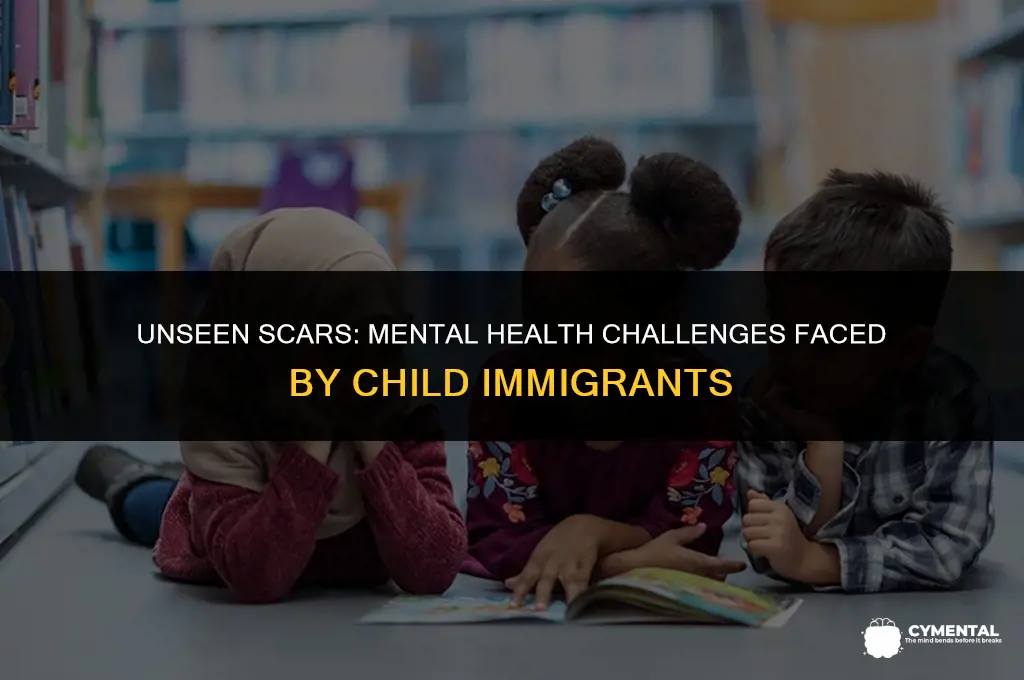
Child immigrants often face significant challenges that can impact their mental health and well-being. These challenges include adapting to a new culture, learning a new language, and coping with the stress of leaving their home country and loved ones behind. Additionally, child immigrants may experience discrimination, social isolation, and economic hardship, all of which can contribute to the development of mental health issues. Some of the most common mental health issues that child immigrants may develop include anxiety, depression, post-traumatic stress disorder (PTSD), and attention deficit hyperactivity disorder (ADHD). It is important to understand the factors that contribute to these mental health issues and to provide child immigrants with the support and resources they need to thrive in their new environment.
Explore related products


What You'll Learn

Anxiety and Depression
Child immigrants often face significant mental health challenges, with anxiety and depression being two of the most prevalent issues. These conditions can stem from a variety of factors, including the stress of migration, separation from family members, and the struggle to adapt to a new environment. Anxiety in child immigrants may manifest as excessive worry, fear, or nervousness, often interfering with their ability to concentrate and participate in daily activities. Depression, on the other hand, can lead to persistent feelings of sadness, hopelessness, and a lack of interest in previously enjoyable activities.
The development of these mental health issues can be exacerbated by the uncertainty and trauma associated with the immigration process. Children may experience anxiety about their legal status, fear of deportation, or worry about the safety of their loved ones. Additionally, the loss of cultural identity and the pressure to assimilate into a new society can contribute to feelings of isolation and low self-esteem, further fueling depressive symptoms.
It is crucial for caregivers and mental health professionals to recognize the signs of anxiety and depression in child immigrants and provide appropriate support. This may include therapy, counseling, and medication, as well as practical assistance with navigating the immigration system and connecting with community resources. By addressing these mental health issues early on, we can help child immigrants build resilience and improve their overall well-being.
In conclusion, anxiety and depression are significant concerns for child immigrants, who face unique challenges related to migration, cultural adjustment, and legal uncertainty. By understanding the root causes of these mental health issues and providing targeted support, we can help these vulnerable children thrive in their new environment.
Silent Struggles: Mental Health Challenges in America's Shadow
You may want to see also
Explore related products


Post-Traumatic Stress Disorder (PTSD)
The symptoms of PTSD in children can manifest in various ways, including emotional distress, behavioral changes, and physical complaints. They may become withdrawn, anxious, or depressed, and may exhibit aggressive behavior or have difficulty sleeping. It is crucial for caregivers and mental health professionals to recognize these symptoms and provide appropriate support and treatment.
One effective treatment approach for PTSD in children is trauma-focused cognitive-behavioral therapy (TF-CBT). This therapy involves helping children process their traumatic experiences, identify and challenge negative thoughts, and develop coping skills to manage their symptoms. Medications, such as selective serotonin reuptake inhibitors (SSRIs), may also be prescribed to help alleviate symptoms of PTSD.
In addition to professional treatment, there are several practical strategies that caregivers can use to support children with PTSD. Creating a safe and stable environment, establishing routines, and providing opportunities for physical activity and social interaction can all help to reduce stress and promote emotional well-being. It is also important to validate the child's feelings and experiences, and to offer reassurance and comfort.
Preventing PTSD in child immigrants involves addressing the root causes of trauma and providing support during the migration process. This can include ensuring access to safe and legal migration routes, providing adequate resources and support for families during the journey, and implementing policies that protect children from exploitation and abuse. By taking these steps, we can help to reduce the risk of PTSD and other mental health issues in child immigrants.
Unveiling the Silent Culprits: Factors Adversely Affecting Mental Health
You may want to see also
Explore related products


$174.99 $175.99


Adjustment Disorders
The development of adjustment disorders in child immigrants can be attributed to several factors. Firstly, the loss of familiar surroundings, friends, and family members can lead to feelings of loneliness and isolation. Secondly, the process of acculturation, or adapting to a new culture, can be overwhelming and stressful for children. They may struggle to understand new customs, languages, and social norms, which can further exacerbate their sense of displacement.
Moreover, child immigrants may face additional stressors such as discrimination, bullying, and language barriers, which can contribute to the development of adjustment disorders. These challenges can impact their self-esteem and confidence, making it difficult for them to integrate into their new community.
Early identification and intervention are crucial in addressing adjustment disorders in child immigrants. Mental health professionals can work with schools and community organizations to provide support and resources for these children. Cognitive-behavioral therapy (CBT) and other forms of psychotherapy can be effective in helping children cope with their emotions and develop strategies for managing stress.
In addition to professional support, there are several practical steps that can be taken to help child immigrants adjust to their new environment. These include providing opportunities for social interaction, encouraging participation in extracurricular activities, and offering language support services. By fostering a sense of belonging and connection, these interventions can help mitigate the risk of adjustment disorders and promote positive mental health outcomes for child immigrants.
Embracing Vulnerability: Is It Okay to Have Mental Health Issues?
You may want to see also
Explore related products


Language and Communication Barriers
Moreover, language barriers can also hinder a child's ability to access essential services, such as healthcare and education. Without proper language support, child immigrants may find it challenging to understand medical instructions, educational materials, or legal information, which can further exacerbate their mental health struggles. For example, a child with a chronic medical condition may not receive adequate care if they cannot communicate their symptoms or understand treatment plans. Similarly, a child who cannot read or write in the new language may fall behind academically, leading to feelings of inadequacy and low self-esteem.
To address these challenges, it is crucial to provide child immigrants with appropriate language support and communication assistance. This can include bilingual education programs, language classes, and access to interpreters or translators. Additionally, mental health professionals should be trained to work with children who have limited language proficiency, using alternative communication methods such as play therapy or visual aids. By addressing language and communication barriers, we can help child immigrants better navigate their new environment, access essential services, and develop the skills they need to thrive.
In conclusion, language and communication barriers are significant factors that can contribute to mental health issues in child immigrants. By providing targeted support and resources, we can help these children overcome these challenges and build a strong foundation for their future well-being.
Navigating Mental Health Challenges in Managerial Roles: A Comprehensive Guide
You may want to see also
Explore related products


$13.95 $13.95


Cultural Adaptation Challenges
Child immigrants often face significant cultural adaptation challenges that can impact their mental health and well-being. One of the primary issues is the loss of their native culture and language, which can lead to a sense of identity confusion and disconnection from their heritage. This cultural loss can be exacerbated by the pressure to assimilate into the new society, which may result in feelings of alienation and marginalization.
Another challenge is the difficulty in navigating the new social and educational systems. Child immigrants may struggle to make friends and fit in with their peers, which can lead to feelings of loneliness and isolation. Additionally, they may face language barriers and cultural differences in the classroom, which can impact their academic performance and self-esteem.
Family dynamics can also play a role in cultural adaptation challenges. Child immigrants may experience changes in family roles and responsibilities, which can lead to conflicts and stress within the family unit. Furthermore, they may feel caught between two worlds, with their parents expecting them to maintain their native culture while they are drawn to the new culture around them.
To address these challenges, it is essential to provide child immigrants with support and resources to help them navigate their new environment. This can include language classes, cultural education programs, and mental health services that are sensitive to their unique needs and experiences. By providing these supports, we can help child immigrants build resilience and thrive in their new communities.
Supporting Student Mental Health: Strategies for Navigating COVID-19 Challenges
You may want to see also
Frequently asked questions
Child immigrants may develop a range of mental health issues, including anxiety, depression, post-traumatic stress disorder (PTSD), and adjustment disorders. These issues can stem from the stress of migration, exposure to trauma, and difficulties adjusting to a new environment.
The immigration process can significantly impact the mental health of children. The uncertainty and stress of migration, separation from family members, and exposure to potentially traumatic events can lead to the development of mental health issues such as anxiety and depression.
Factors that contribute to the development of PTSD in child immigrants include exposure to traumatic events during migration, such as violence or abuse, and the ongoing stress of adjusting to a new country and culture. Additionally, lack of access to mental health services and support can exacerbate the symptoms of PTSD.
Schools and communities can support the mental health of child immigrants by providing access to mental health services, creating a welcoming and inclusive environment, and offering programs that help children adjust to their new surroundings. Additionally, training teachers and community members to recognize the signs of mental health issues and providing resources for families can be beneficial.
The long-term effects of mental health issues on child immigrants can include difficulties in academic and social functioning, increased risk of substance abuse, and ongoing struggles with anxiety and depression. Addressing these issues early on and providing ongoing support is crucial for helping child immigrants thrive in their new environment.