Lucas Bennett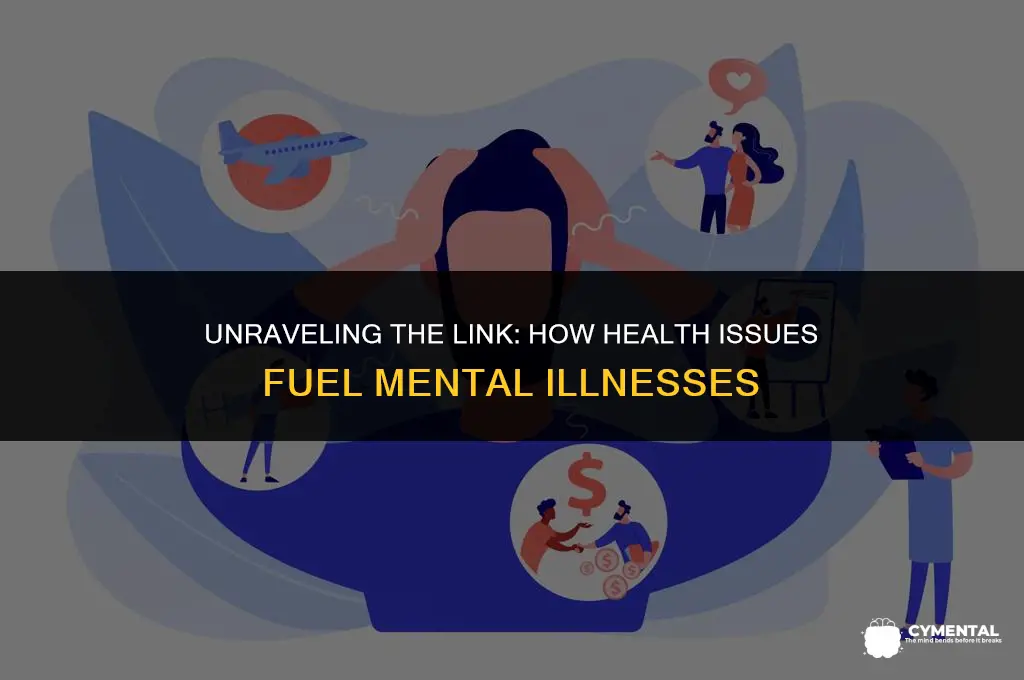
Mental illnesses caused by stress from health issues are a significant concern in the field of psychology and medicine. Prolonged stress can lead to a variety of mental health disorders, including anxiety, depression, and post-traumatic stress disorder (PTSD). When individuals face chronic health problems, the continuous stress can overwhelm their coping mechanisms, leading to psychological distress. This distress can manifest in various ways, such as persistent worry, feelings of hopelessness, and avoidance behaviors. Understanding the link between health-related stress and mental illness is crucial for developing effective treatment strategies that address both the physical and emotional well-being of patients. By recognizing the signs and symptoms of stress-induced mental health issues, healthcare providers can offer timely interventions to mitigate the impact of stress on mental health.
| Characteristics | Values |
|---|---|
| Definition | Mental illnesses caused by stress from health issues are conditions that arise due to the psychological impact of physical health problems. |
| Common Types | Anxiety disorders, depressive disorders, post-traumatic stress disorder (PTSD), adjustment disorders. |
| Symptoms | Symptoms vary depending on the specific mental illness but may include feelings of anxiety, depression, irritability, sleep disturbances, and changes in appetite. |
| Causes | These mental illnesses are triggered by the stress of dealing with chronic or acute health conditions, which can lead to psychological distress. |
| Risk Factors | Individuals with pre-existing mental health conditions, those facing severe or prolonged health issues, and people with limited social support are at higher risk. |
| Diagnosis | Diagnosis is typically made by a mental health professional through a combination of clinical interviews, psychological assessments, and sometimes input from medical professionals treating the underlying health condition. |
| Treatment | Treatment may include psychotherapy, medication, or a combination of both. Lifestyle changes and stress management techniques can also be beneficial. |
| Prognosis | The prognosis varies depending on the severity of the mental illness and the underlying health condition. With appropriate treatment, many individuals can experience significant improvement in their symptoms. |
| Prevention | While not always preventable, managing stress, maintaining a healthy lifestyle, and seeking early intervention for mental health symptoms can help reduce the risk of developing these conditions. |
| Impact on Daily Life | Mental illnesses caused by stress from health issues can significantly impact daily functioning, relationships, and overall quality of life. |
| Support Resources | Support groups, counseling services, and online resources are available to help individuals cope with the challenges of managing both physical and mental health conditions. |
| Research and Development | Ongoing research is focused on better understanding the complex relationship between physical health and mental illness, as well as developing more effective treatment strategies. |
Explore related products


What You'll Learn
- Chronic Illness: Long-term health conditions leading to persistent stress and anxiety
- Pain Management: Inadequate control of chronic pain contributing to mental health decline
- Sleep Disturbances: Health-related sleep problems exacerbating stress and mental illness
- Immune System Dysfunction: Weakened immunity due to stress impacting mental well-being
- Neurological Disorders: Stress-induced neurological symptoms affecting mental health

Chronic Illness: Long-term health conditions leading to persistent stress and anxiety
Chronic illness can significantly impact an individual's mental health, often leading to persistent stress and anxiety. This is due to the ongoing nature of chronic health conditions, which can cause a continuous cycle of physical discomfort, emotional distress, and uncertainty about the future. For example, a person living with a chronic illness such as diabetes may experience constant worry about managing their blood sugar levels, potential complications, and the long-term effects on their health. This persistent stress can contribute to the development of mental health issues such as generalized anxiety disorder or depression.
Moreover, chronic illness can lead to social isolation and a reduced quality of life, further exacerbating mental health problems. Individuals may feel unable to participate in activities they once enjoyed or maintain relationships due to their health limitations. This sense of loss and isolation can contribute to feelings of loneliness, sadness, and hopelessness, which are common symptoms of depression. Additionally, the financial burden of managing a chronic illness, including medical expenses and lost income, can add to the stress and anxiety experienced by individuals and their families.
It is also important to consider the psychological impact of chronic illness on caregivers and family members. They may experience stress and anxiety related to the caregiving responsibilities, the emotional toll of seeing a loved one suffer, and the uncertainty about the future. This can lead to caregiver burnout, which can negatively affect both the caregiver's and the patient's mental health. Therefore, it is crucial to address the mental health needs of individuals with chronic illnesses as well as their caregivers to improve overall well-being.
In conclusion, chronic illness can have a profound impact on mental health, leading to persistent stress and anxiety. The ongoing nature of chronic health conditions, combined with the physical, emotional, and financial challenges they present, can contribute to the development of mental health issues such as anxiety and depression. Addressing these mental health needs is essential for improving the quality of life for individuals with chronic illnesses and their caregivers.
Mental Health Issues: Are They Considered Long-Term Services?
You may want to see also
Explore related products


Pain Management: Inadequate control of chronic pain contributing to mental health decline
Chronic pain is a pervasive issue that affects millions of individuals worldwide, significantly impacting their quality of life. When pain is not adequately managed, it can lead to a decline in mental health, exacerbating conditions such as depression, anxiety, and stress disorders. This intricate relationship between chronic pain and mental health underscores the importance of comprehensive pain management strategies that address both the physical and psychological aspects of pain.
One of the primary challenges in managing chronic pain is the complex interplay between the physical sensations of pain and the emotional responses it elicits. Chronic pain can lead to a state of hypervigilance, where individuals are constantly on guard against potential threats to their well-being. This heightened state of alertness can contribute to anxiety and stress, further intensifying the perception of pain. Moreover, the emotional toll of chronic pain can lead to feelings of hopelessness and despair, which are common precursors to depression.
Effective pain management must therefore incorporate both pharmacological and non-pharmacological interventions. Medications such as opioids, nonsteroidal anti-inflammatory drugs (NSAIDs), and antidepressants can be used to alleviate pain, but they must be prescribed judiciously to avoid potential side effects and dependency. Non-pharmacological approaches, including cognitive-behavioral therapy (CBT), mindfulness meditation, and physical therapy, can help individuals develop coping strategies to better manage their pain and improve their mental health.
In addition to these interventions, lifestyle modifications can also play a crucial role in managing chronic pain and its impact on mental health. Regular exercise, a balanced diet, and adequate sleep are essential components of a holistic approach to pain management. Exercise, in particular, has been shown to release endorphins, which are natural painkillers that can also improve mood. Similarly, a diet rich in anti-inflammatory foods can help reduce pain and inflammation, while adequate sleep is vital for overall health and well-being.
Ultimately, addressing the issue of inadequate pain management requires a multifaceted approach that recognizes the complex relationship between chronic pain and mental health. By integrating pharmacological, non-pharmacological, and lifestyle interventions, individuals can better manage their pain and mitigate its impact on their mental health, leading to an improved quality of life.
Mental Health Disclosure: Risks and Rewards for Job Seekers
You may want to see also
Explore related products


Sleep Disturbances: Health-related sleep problems exacerbating stress and mental illness
Sleep disturbances can significantly exacerbate stress and mental illness, creating a vicious cycle that is difficult to break. Health-related sleep problems, such as insomnia, sleep apnea, and restless leg syndrome, can lead to chronic sleep deprivation, which in turn can worsen symptoms of anxiety, depression, and other mental health conditions. This is because sleep plays a crucial role in regulating mood, consolidating memories, and restoring the body's physiological balance.
One of the most common sleep disturbances associated with mental illness is insomnia. Insomnia can manifest as difficulty falling asleep, staying asleep, or experiencing restful sleep. This can lead to daytime fatigue, irritability, and cognitive impairment, all of which can exacerbate symptoms of stress and mental illness. In addition, sleep apnea, a condition characterized by pauses in breathing during sleep, can lead to fragmented sleep and decreased oxygen levels, further contributing to mental health issues.
Restless leg syndrome (RLS) is another sleep disturbance that can impact mental health. RLS is a neurological disorder characterized by an irresistible urge to move the legs, typically during periods of rest or sleep. This can lead to disrupted sleep patterns and daytime fatigue, both of which can contribute to increased stress and anxiety levels. Furthermore, RLS has been linked to an increased risk of depression and other mood disorders.
The relationship between sleep disturbances and mental illness is complex and bidirectional. Not only can sleep problems exacerbate mental health issues, but mental health issues can also contribute to sleep disturbances. For example, anxiety and depression can lead to racing thoughts and rumination, making it difficult to fall asleep or stay asleep. This bidirectional relationship highlights the importance of addressing sleep disturbances as part of a comprehensive treatment plan for mental illness.
In conclusion, sleep disturbances can have a significant impact on mental health, exacerbating stress and mental illness. Addressing sleep problems is crucial for improving mental health outcomes and breaking the cycle of stress and sleep deprivation. This can be achieved through a combination of lifestyle changes, behavioral therapies, and, in some cases, medication. By prioritizing sleep health, individuals can take an important step towards managing their mental health and improving their overall well-being.
ADHD: Disability, Mental Health Issue, or Both? Exploring the Debate
You may want to see also
Explore related products


Immune System Dysfunction: Weakened immunity due to stress impacting mental well-being
Chronic stress has a profound impact on the immune system, leading to a state of dysfunction that can significantly affect mental well-being. When the body is under constant stress, it releases high levels of cortisol, a hormone that, while useful in short-term fight-or-flight situations, can be detrimental over time. Prolonged exposure to cortisol can suppress the immune system, making the body more susceptible to infections and diseases.
This weakened immunity can lead to a range of mental health issues. For instance, chronic infections can cause inflammation, which has been linked to depression and anxiety. Additionally, a compromised immune system can lead to autoimmune disorders, where the body attacks its own tissues, resulting in conditions such as rheumatoid arthritis or lupus, which can have severe psychological impacts.
Moreover, the gut-brain axis plays a crucial role in this dynamic. The gut is home to a large portion of the immune system, and stress can disrupt the balance of gut bacteria, leading to a compromised immune response. This disruption can send signals to the brain, affecting mood and cognitive function, and potentially leading to mental illnesses such as depression and anxiety.
It's also important to consider the behavioral impact of stress on immunity. Stressed individuals may engage in unhealthy behaviors such as poor diet, lack of exercise, and inadequate sleep, all of which can further weaken the immune system and exacerbate mental health issues. Breaking this cycle requires a multifaceted approach that addresses both the physical and psychological aspects of stress.
In conclusion, the relationship between stress, immune system dysfunction, and mental well-being is complex and bidirectional. Addressing stress through lifestyle changes, therapy, and other interventions can help improve immune function and, in turn, support better mental health. Conversely, managing mental health conditions can also have a positive impact on the immune system, highlighting the importance of a holistic approach to health and well-being.
Compassionate Steps: Guiding Mental Health Admissions with Care and Understanding
You may want to see also
Explore related products


Neurological Disorders: Stress-induced neurological symptoms affecting mental health
Chronic stress has a profound impact on neurological health, often manifesting as a range of disorders that affect both the brain and the mind. One of the most common stress-induced neurological symptoms is anxiety, characterized by persistent worry, fear, and a heightened state of alertness. Anxiety disorders can stem from a variety of stressors, including health issues, and can significantly impair an individual's ability to function in daily life.
Another neurological disorder linked to stress is depression, which is marked by feelings of sadness, hopelessness, and a loss of interest in activities once enjoyed. Stress can trigger depressive episodes by altering the balance of neurotransmitters in the brain, such as serotonin and dopamine, which play crucial roles in regulating mood. Over time, chronic stress can lead to long-term changes in brain structure and function, increasing the risk of developing depression.
Stress can also exacerbate existing neurological conditions, such as migraines and epilepsy. In individuals with migraines, stress can trigger the release of inflammatory substances in the brain, leading to the characteristic throbbing pain and other symptoms. Similarly, stress can lower the seizure threshold in people with epilepsy, making them more susceptible to seizures.
Furthermore, chronic stress can contribute to the development of neurodegenerative diseases, such as Alzheimer's and Parkinson's. Prolonged exposure to stress hormones, like cortisol, can damage brain cells and disrupt the normal functioning of the nervous system, increasing the risk of cognitive decline and motor impairments associated with these diseases.
In addition to these disorders, stress can also lead to a range of physical symptoms that affect mental health, such as chronic pain, sleep disturbances, and gastrointestinal issues. These symptoms can further exacerbate stress, creating a vicious cycle that can be difficult to break without proper intervention and treatment.
Overall, the relationship between stress and neurological disorders is complex and multifaceted. Addressing stress-induced neurological symptoms requires a comprehensive approach that includes both pharmacological and non-pharmacological interventions, such as cognitive-behavioral therapy, mindfulness practices, and lifestyle modifications. By understanding the impact of stress on neurological health, individuals can take proactive steps to manage their stress levels and reduce the risk of developing stress-related mental health issues.
Reporting Mental Health Concerns and Gun Ownership: A Critical Guide
You may want to see also
Frequently asked questions
Common mental illnesses that can arise from stress related to health issues include anxiety disorders, depression, post-traumatic stress disorder (PTSD), and obsessive-compulsive disorder (OCD). These conditions can be triggered or exacerbated by the emotional and psychological strain of dealing with chronic or acute health problems.
Stress from health issues can impact mental health by overwhelming the individual's coping mechanisms, leading to feelings of helplessness, hopelessness, and anxiety. Prolonged stress can alter brain chemistry, disrupt normal thought patterns, and impair emotional regulation, contributing to the development of mental illnesses.
Yes, there are several strategies to manage stress from health issues and reduce the risk of developing mental illnesses. These include practicing relaxation techniques such as meditation and deep breathing, engaging in regular physical activity, maintaining a healthy diet, seeking social support, and utilizing professional counseling or therapy services.
Someone should seek professional help for mental health issues related to stress from health problems when they experience persistent symptoms that interfere with their daily functioning, such as severe anxiety, depression, or suicidal thoughts. It is also advisable to seek help if stress management techniques are not effective or if there is a history of mental illness.