Noah Parker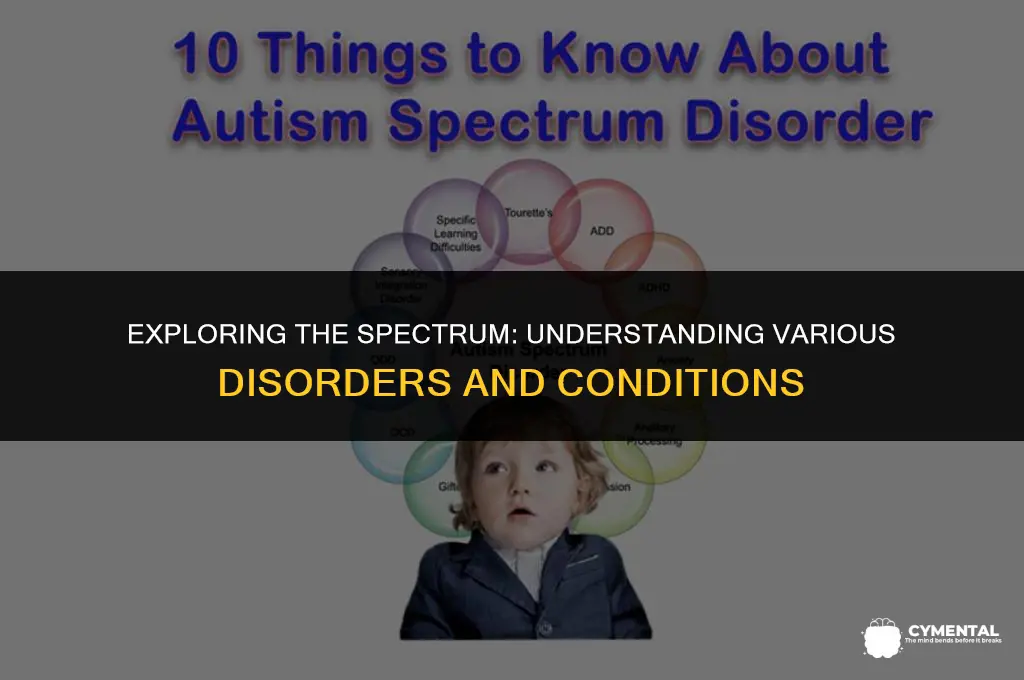
Mental health disorders encompass a wide range of conditions that affect an individual's thinking, feeling, and behavior. These disorders can vary greatly in terms of severity, duration, and impact on daily life. Some common categories of mental health disorders include anxiety disorders, such as generalized anxiety disorder and panic disorder; mood disorders, including depression and bipolar disorder; personality disorders, like borderline personality disorder; and psychotic disorders, such as schizophrenia. Additionally, there are disorders related to substance use, eating, and sleep. Understanding these disorders is crucial for promoting awareness, reducing stigma, and ensuring that those affected receive appropriate support and treatment.
| Characteristics | Values |
|---|---|
| Types of Disorders | Anxiety Disorders, Mood Disorders, Personality Disorders, Psychotic Disorders, Eating Disorders, Sleep Disorders, Dissociative Disorders, Neurodevelopmental Disorders, Neurocognitive Disorders, Substance Use Disorders, Addictive Disorders, Impulse Control Disorders, Conduct Disorders, Adjustment Disorders, Somatoform Disorders, Factitious Disorders, Sexual Disorders, Gender Dysphoria, Paraphilias, Pervasive Developmental Disorders |
| Common Symptoms | Excessive worry, fear, sadness, mood swings, irritability, withdrawal, changes in appetite, sleep disturbances, fatigue, lack of concentration, confusion, memory problems, delusions, hallucinations, disordered eating patterns, substance abuse, addictive behaviors, impulsivity, aggression, defiance, somatic complaints, sexual dysfunction, gender identity issues, paraphilic behaviors |
| Causes | Genetic predisposition, environmental factors, brain chemistry imbalances, trauma, stress, infections, nutritional deficiencies, hormonal imbalances, personality traits, substance abuse, family history, cultural factors, societal pressures, childhood experiences, neurological conditions, medical illnesses |
| Diagnostic Criteria | Specific symptoms and their duration, severity, and impact on daily functioning, exclusion of other medical or psychiatric conditions, assessment of personal and family history, physical examination, laboratory tests, psychological evaluations, behavioral observations |
| Treatment Options | Medications (antidepressants, antipsychotics, mood stabilizers, anxiolytics), psychotherapy (cognitive-behavioral therapy, interpersonal therapy, dialectical behavior therapy, exposure therapy), lifestyle changes (exercise, diet, sleep hygiene), support groups, family therapy, stress management techniques, relaxation exercises, mindfulness practices |
| Prognosis | Varies depending on the specific disorder, early diagnosis and treatment generally lead to better outcomes, some disorders may be chronic or recurrent, requiring ongoing management and support |
| Prevention | Healthy lifestyle choices, stress management, early intervention for symptoms, education and awareness about mental health, access to mental health services, social support networks, resilience training, coping skills development |
| Comorbidity | Common occurrence of multiple disorders simultaneously, such as anxiety and depression, substance abuse and psychosis, eating disorders and mood disorders, personality disorders and anxiety disorders |
| Impact on Daily Life | Interference with work, school, relationships, and overall quality of life, reduced productivity, increased healthcare utilization, financial burden, social isolation, stigma and discrimination |
| Research and Development | Ongoing studies on the causes, mechanisms, and treatment of various disorders, development of new medications and therapies, focus on personalized and precision medicine approaches, integration of technology in mental health care |
Explore related products




What You'll Learn
- Anxiety Disorders: Conditions causing excessive fear, worry, or anxiety, impacting daily life and functioning
- Mood Disorders: Illnesses affecting emotional states, such as depression, bipolar disorder, and cyclothymia
- Personality Disorders: Long-term patterns of thinking and behavior that are inflexible and maladaptive
- Eating Disorders: Abnormal eating habits leading to nutritional deficiencies or health complications, like anorexia or bulimia
- Sleep Disorders: Conditions disrupting normal sleep patterns, including insomnia, sleep apnea, and restless leg syndrome

Anxiety Disorders: Conditions causing excessive fear, worry, or anxiety, impacting daily life and functioning
Anxiety disorders are a group of mental health conditions characterized by excessive and persistent fear, worry, or anxiety that interfere with an individual's daily life and functioning. These disorders can manifest in various ways, including generalized anxiety disorder, panic disorder, social anxiety disorder, and specific phobias. Each type of anxiety disorder has its own unique set of symptoms and triggers, but all share the common thread of causing significant distress and impairment.
One of the most common anxiety disorders is generalized anxiety disorder (GAD), which is characterized by excessive worry and anxiety about a variety of everyday situations. Individuals with GAD may experience physical symptoms such as restlessness, fatigue, and muscle tension, as well as psychological symptoms like irritability and difficulty concentrating. Another type of anxiety disorder is panic disorder, which involves recurrent panic attacks—sudden episodes of intense fear or discomfort that can include symptoms like palpitations, sweating, and shortness of breath.
Social anxiety disorder, also known as social phobia, is another prevalent anxiety disorder that causes individuals to experience intense fear or anxiety in social situations. This fear can lead to avoidance of social interactions, which can significantly impact a person's ability to function in daily life. Specific phobias are another type of anxiety disorder, characterized by an excessive and irrational fear of a particular object or situation, such as heights, spiders, or flying.
Treatment for anxiety disorders typically involves a combination of psychotherapy and medication. Cognitive-behavioral therapy (CBT) is a common form of psychotherapy used to treat anxiety disorders, as it helps individuals identify and change negative thought patterns and behaviors that contribute to their anxiety. Medications such as selective serotonin reuptake inhibitors (SSRIs) and benzodiazepines may also be prescribed to help manage symptoms of anxiety disorders.
In addition to professional treatment, there are several self-help strategies that individuals can use to manage their anxiety. These include practicing relaxation techniques like deep breathing and meditation, engaging in regular physical activity, and maintaining a healthy diet. It's also important for individuals with anxiety disorders to seek support from friends and family, as social support can play a crucial role in recovery.
Overall, anxiety disorders are serious mental health conditions that can significantly impact an individual's quality of life. However, with proper treatment and support, it is possible for individuals to manage their symptoms and lead fulfilling lives.
Exploring Alzheimer's Disease: Mental Disorder or Neurological Condition?
You may want to see also
Explore related products


Mood Disorders: Illnesses affecting emotional states, such as depression, bipolar disorder, and cyclothymia
Mood disorders are a category of mental health conditions that profoundly affect a person's emotional state, often disrupting daily life and relationships. Depression, bipolar disorder, and cyclothymia are among the most common mood disorders, each characterized by distinct patterns of emotional highs and lows.
Depression, also known as major depressive disorder, is marked by persistent feelings of sadness, hopelessness, and a lack of interest in activities once enjoyed. It can lead to physical symptoms such as fatigue, changes in appetite, and sleep disturbances. Depression can be triggered by various factors, including genetic predisposition, environmental stressors, and biochemical imbalances in the brain.
Bipolar disorder, previously known as manic-depressive illness, involves extreme mood swings between manic highs and depressive lows. Manic episodes are characterized by elevated mood, increased energy, and impulsive behavior, while depressive episodes mirror the symptoms of major depression. The frequency and severity of these episodes can vary greatly among individuals.
Cyclothymia, or cyclothymic disorder, is a milder form of bipolar disorder, featuring less severe mood swings that do not meet the full criteria for manic or depressive episodes. Individuals with cyclothymia may experience periods of mild depression and hypomania, which can last for days or weeks.
Effective treatment for mood disorders often involves a combination of medication and psychotherapy. Antidepressants, mood stabilizers, and antipsychotic medications can help regulate mood and alleviate symptoms. Cognitive-behavioral therapy (CBT), interpersonal therapy (IPT), and other forms of talk therapy can provide valuable tools for managing symptoms and improving overall functioning.
It is crucial for individuals experiencing symptoms of mood disorders to seek professional help, as early intervention can significantly improve outcomes. With appropriate treatment and support, many people with mood disorders can lead fulfilling and productive lives.
Unraveling Trichotillomania: Understanding the Complexity of Hair-Pulling Disorder
You may want to see also
Explore related products


Personality Disorders: Long-term patterns of thinking and behavior that are inflexible and maladaptive
Personality disorders are a group of mental health conditions characterized by long-standing patterns of thinking and behavior that are inflexible and maladaptive. These patterns often cause significant distress or impairment in social, occupational, or other important areas of functioning. Unlike other mental disorders, personality disorders typically begin in adolescence or early adulthood and persist throughout life.
One of the key features of personality disorders is the presence of pervasive and enduring patterns of behavior that deviate markedly from the expectations of the individual's culture. These patterns are not simply a result of situational factors or temporary emotional states but are deeply ingrained in the individual's personality structure. For example, a person with borderline personality disorder may exhibit a pattern of intense emotional instability, impulsive behavior, and unstable relationships, while someone with narcissistic personality disorder may display a pattern of grandiosity, need for admiration, and lack of empathy for others.
Personality disorders are often grouped into three clusters based on their underlying characteristics and symptoms. Cluster A includes paranoid, schizoid, and schizotypal personality disorders, which are characterized by odd or eccentric behavior and a tendency to be suspicious or mistrustful of others. Cluster B includes antisocial, borderline, histrionic, and narcissistic personality disorders, which are marked by dramatic, emotional, or erratic behavior and a tendency to seek attention or manipulate others. Cluster C includes avoidant, dependent, and obsessive-compulsive personality disorders, which are characterized by anxious or fearful behavior and a tendency to be overly cautious or perfectionistic.
Diagnosing personality disorders can be challenging, as the symptoms often overlap with those of other mental health conditions. Mental health professionals typically use a combination of clinical interviews, psychological assessments, and observation of behavior over time to make a diagnosis. Treatment for personality disorders usually involves a form of psychotherapy, such as cognitive-behavioral therapy or dialectical behavior therapy, which aims to help individuals identify and change maladaptive patterns of thinking and behavior. In some cases, medication may also be used to manage specific symptoms, such as depression or anxiety.
Living with a personality disorder can be difficult, both for the individual and their loved ones. However, with proper treatment and support, many people are able to manage their symptoms and lead fulfilling lives. It is important for individuals with personality disorders to seek help from qualified mental health professionals and to be patient and persistent in their treatment journey.
Understanding Personality Disorders: A Guide to Their Unique Traits
You may want to see also
Explore related products


Eating Disorders: Abnormal eating habits leading to nutritional deficiencies or health complications, like anorexia or bulimia
Eating disorders are a group of conditions characterized by abnormal eating habits that can lead to serious nutritional deficiencies and health complications. Two of the most well-known eating disorders are anorexia nervosa and bulimia nervosa. Anorexia nervosa is an eating disorder in which individuals severely restrict their food intake, leading to significant weight loss and malnutrition. Bulimia nervosa, on the other hand, involves cycles of binge eating followed by purging behaviors such as vomiting or laxative use. Both disorders can have severe physical and psychological consequences if left untreated.
The causes of eating disorders are complex and multifaceted, often involving a combination of genetic, environmental, and psychological factors. Societal pressures to conform to certain beauty standards, family dynamics, and individual personality traits can all contribute to the development of these disorders. It is important to recognize that eating disorders are not simply a matter of willpower or choice, but rather are serious mental health conditions that require professional treatment.
Diagnosis of eating disorders typically involves a thorough medical and psychological evaluation. Healthcare providers may use criteria outlined in the Diagnostic and Statistical Manual of Mental Disorders (DSM-5) to determine if an individual meets the specific criteria for an eating disorder. Treatment for eating disorders often involves a combination of nutritional counseling, psychotherapy, and medication. In severe cases, hospitalization may be necessary to address immediate health concerns and stabilize the individual.
Prevention of eating disorders involves promoting healthy eating habits and body image from a young age. Education about nutrition and the dangers of extreme dieting can help individuals develop a balanced relationship with food. Additionally, fostering a supportive and non-judgmental environment can encourage individuals to seek help if they are struggling with disordered eating behaviors.
In conclusion, eating disorders are serious mental health conditions that can have severe physical and psychological consequences. Understanding the causes, symptoms, and treatment options for these disorders is crucial for promoting early intervention and preventing long-term health complications. By promoting healthy eating habits and body image, we can work towards reducing the prevalence of eating disorders and supporting individuals in their recovery.
Exploring Narcissism: Understanding Its Place in Mental Health
You may want to see also
Explore related products


$11.94 $17.99


Sleep Disorders: Conditions disrupting normal sleep patterns, including insomnia, sleep apnea, and restless leg syndrome
Sleep disorders encompass a range of conditions that disrupt normal sleep patterns, leading to daytime fatigue, cognitive impairment, and other health issues. Insomnia, characterized by difficulty falling asleep or staying asleep, is one of the most common sleep disorders. It can be caused by various factors, including stress, anxiety, depression, and certain medications. Sleep apnea, another prevalent disorder, involves repeated interruptions in breathing during sleep, often resulting in loud snoring and daytime sleepiness. This condition can be linked to obesity, smoking, and alcohol consumption. Restless leg syndrome (RLS) is a neurological disorder that causes an irresistible urge to move the legs during sleep, leading to fragmented sleep and daytime fatigue. RLS is often associated with iron deficiency, pregnancy, and certain medications.
Diagnosing sleep disorders typically involves a combination of medical history, physical examination, and sleep studies. Polysomnography (PSG), a type of sleep study, monitors brain waves, heart rate, breathing, and leg movements during sleep to identify abnormalities. Treatment for sleep disorders varies depending on the specific condition and its underlying causes. For insomnia, cognitive-behavioral therapy for insomnia (CBT-I) and medications such as benzodiazepines or melatonin may be prescribed. Sleep apnea is often treated with continuous positive airway pressure (CPAP) therapy, which uses a machine to deliver a steady stream of air through a mask to keep the airway open. RLS may be managed with lifestyle changes, such as reducing caffeine and alcohol intake, and medications like dopamine agonists or iron supplements.
In addition to these common sleep disorders, there are several other conditions that can disrupt normal sleep patterns. Narcolepsy, for example, is a neurological disorder that causes excessive daytime sleepiness and sudden attacks of sleep. It is often treated with medications that promote wakefulness, such as modafinil or armodafinil. Sleepwalking, or somnambulism, is a disorder that causes individuals to walk or perform other activities while asleep. It is typically treated with behavioral interventions and, in some cases, medications.
Sleep disorders can have a significant impact on overall health and quality of life. Chronic sleep deprivation has been linked to an increased risk of obesity, diabetes, cardiovascular disease, and cognitive decline. It is essential for individuals experiencing persistent sleep problems to seek medical attention to determine the underlying cause and appropriate treatment. By addressing sleep disorders, individuals can improve their sleep quality, daytime functioning, and overall well-being.
Exploring the Thin Line: Delusions and Mental Health Disorders
You may want to see also
Frequently asked questions
Some common mental health disorders include anxiety disorders, depression, bipolar disorder, schizophrenia, and obsessive-compulsive disorder (OCD).
Symptoms of anxiety disorders can include excessive worry, restlessness, difficulty concentrating, irritability, and sleep disturbances.
Depression is often treated with a combination of medication, such as antidepressants, and psychotherapy, like cognitive behavioral therapy (CBT).
Types of personality disorders include borderline personality disorder, narcissistic personality disorder, antisocial personality disorder, and paranoid personality disorder.
Common eating disorders include anorexia nervosa, bulimia nervosa, binge eating disorder, and avoidant/restrictive food intake disorder (ARFID).