Harper Lewis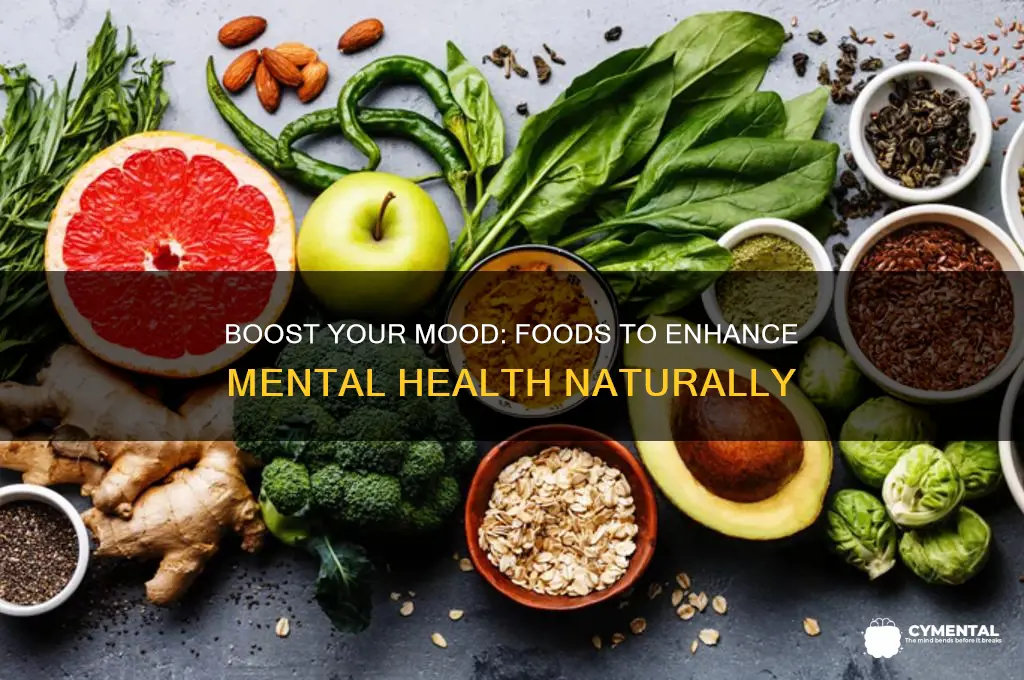
Maintaining good mental health is essential for overall well-being, and nutrition plays a significant role in supporting cognitive function and emotional balance. Certain foods are rich in nutrients that can positively impact mood, reduce stress, and enhance brain health. For instance, fatty fish like salmon and mackerel are high in omega-3 fatty acids, which are linked to lower rates of depression and improved brain function. Leafy greens such as spinach and kale provide folate and magnesium, nutrients that help regulate mood and reduce anxiety. Additionally, foods like nuts, seeds, and dark chocolate contain antioxidants and minerals that support mental clarity and resilience. Incorporating these foods into a balanced diet can be a simple yet effective way to nurture both the mind and body.
Explore related products


What You'll Learn
- Omega-3 Rich Foods: Salmon, walnuts, flaxseeds boost brain function and reduce depression symptoms effectively
- Probiotic Foods: Yogurt, kefir, sauerkraut support gut health, linked to improved mood and anxiety reduction
- Antioxidant-Packed Foods: Berries, spinach, dark chocolate combat oxidative stress, enhancing cognitive function and mental clarity
- Complex Carbohydrates: Whole grains, oats stabilize blood sugar, promoting serotonin production and emotional balance
- Vitamin D Sources: Eggs, fortified milk, sunlight exposure aid in reducing symptoms of depression and fatigue

Omega-3 Rich Foods: Salmon, walnuts, flaxseeds boost brain function and reduce depression symptoms effectively
Omega-3 fatty acids are essential nutrients that play a pivotal role in brain health, yet the body cannot produce them independently. Incorporating omega-3 rich foods like salmon, walnuts, and flaxseeds into your diet can significantly enhance cognitive function and alleviate symptoms of depression. These foods are not just nutritional powerhouses; they are backed by scientific research for their mental health benefits. For instance, studies show that omega-3s can increase gray matter in the brain, improve memory, and reduce inflammation, which is often linked to mood disorders.
To harness these benefits, aim for at least two servings of fatty fish like salmon per week, as recommended by dietary guidelines. If fish isn’t your preference, walnuts and flaxseeds offer plant-based alternatives. Sprinkle ground flaxseeds on yogurt or oatmeal, or snack on a handful of walnuts daily. For those with dietary restrictions or higher needs, consider an omega-3 supplement, but consult a healthcare provider for personalized dosage, typically ranging from 250 to 500 mg of combined EPA and DHA daily.
While omega-3s are potent, their effectiveness isn’t instantaneous. Consistent intake over weeks to months is necessary to notice improvements in mood and cognitive function. Pairing these foods with a balanced diet rich in fruits, vegetables, and whole grains maximizes their impact. Conversely, avoid excessive consumption of processed foods and sugars, which can counteract their benefits by promoting inflammation.
A practical tip for integrating these foods into your routine is meal planning. For example, start your day with a flaxseed-infused smoothie or end it with a walnut-crusted salmon dinner. For children and older adults, who may have different dietary needs, smaller portions or creative recipes like walnut energy balls can make omega-3 intake more appealing. By making these foods a staple, you’re not just eating—you’re actively investing in your mental well-being.
Supporting Your Son: Steps to Access Mental Health Facilities
You may want to see also
Explore related products


Probiotic Foods: Yogurt, kefir, sauerkraut support gut health, linked to improved mood and anxiety reduction
The gut-brain axis is a bidirectional communication system between the gastrointestinal tract and the central nervous system, influencing mood, cognition, and behavior. Probiotic-rich foods like yogurt, kefir, and sauerkraut nourish the gut microbiome, fostering a healthier dialogue between gut and brain. These fermented foods introduce beneficial bacteria that produce neurotransmitters such as serotonin and GABA, which regulate mood and anxiety. For instance, a 2017 study in the *Journal of Psychiatric Research* found that participants who consumed probiotic-rich foods reported reduced symptoms of depression and anxiety compared to a control group.
Incorporating these foods into your diet doesn’t require drastic changes. Start with a daily serving of plain, unsweetened yogurt (150–200 grams) topped with berries for added antioxidants. Kefir, a fermented milk drink, can replace your morning smoothie base, offering 10–30 billion CFUs (colony-forming units) of probiotics per cup. For those avoiding dairy, sauerkraut (2–3 tablespoons daily) provides a plant-based alternative rich in lactobacilli strains. Pairing these foods with prebiotic fibers (e.g., garlic, bananas, or oats) enhances their effectiveness by feeding the beneficial bacteria.
While probiotic foods are generally safe, overconsumption can lead to bloating or digestive discomfort, especially in individuals with sensitive guts. Begin with small portions and gradually increase intake over 2–3 weeks. For children or older adults, consult a healthcare provider to ensure appropriate dosages. Store-bought options often contain added sugars, so opt for homemade or low-sugar varieties. Fermenting your own sauerkraut or kefir allows control over ingredients and ensures live, active cultures.
The evidence linking probiotics to mental health is promising but not definitive. Individual responses vary based on gut microbiome composition, diet, and lifestyle. Combining probiotic foods with stress management techniques (e.g., mindfulness, exercise) may amplify their benefits. Think of these foods as part of a holistic approach to mental well-being, not a standalone solution. Small, consistent changes in diet can yield significant long-term improvements in mood and anxiety reduction.
Free Mental Health Support: Accessible Resources for Emotional Well-Being
You may want to see also
Explore related products


$20.85 $21.95



Antioxidant-Packed Foods: Berries, spinach, dark chocolate combat oxidative stress, enhancing cognitive function and mental clarity
Oxidative stress, a byproduct of metabolic processes and environmental factors, can wreak havoc on brain cells, impairing cognitive function and contributing to mental fog. Fortunately, nature provides a powerful antidote in the form of antioxidant-rich foods. Berries, spinach, and dark chocolate are not just culinary delights; they are potent tools in the fight against oxidative damage, offering a pathway to enhanced mental clarity and cognitive resilience.
Consider the humble blueberry, a tiny fruit packed with anthocyanins, flavonoids that neutralize free radicals and reduce inflammation. Studies suggest that regular consumption of blueberries, approximately 1 cup per day, can improve memory and cognitive performance in older adults. Similarly, spinach, a leafy green powerhouse, contains lutein and zeaxanthin, antioxidants that protect the brain from oxidative stress and support overall brain health. Incorporating a handful of spinach into daily meals, whether in salads, smoothies, or sautéed dishes, can provide a significant antioxidant boost.
Dark chocolate, often hailed as a guilt-free indulgence, contains high levels of flavonoids, particularly epicatechin, which enhances blood flow to the brain and promotes neuroplasticity. For maximum benefit, opt for dark chocolate with at least 70% cocoa content and limit intake to 1 ounce per day to avoid excessive sugar and calorie consumption. Pairing dark chocolate with berries or spinach in a smoothie or dessert can create a synergistic effect, amplifying the antioxidant benefits.
While these foods are powerful allies, their impact is maximized when integrated into a balanced diet rich in whole, nutrient-dense foods. For instance, combining berries with Greek yogurt and nuts provides a trifecta of antioxidants, healthy fats, and protein, supporting both brain health and sustained energy. Similarly, pairing spinach with fatty fish like salmon enhances the absorption of fat-soluble antioxidants and provides omega-3 fatty acids, another cornerstone of cognitive health.
Incorporating antioxidant-packed foods into daily routines need not be complicated. Start small: add a handful of blueberries to breakfast oatmeal, toss spinach into pasta dishes, or savor a square of dark chocolate as an afternoon treat. For those with busy lifestyles, blending these ingredients into a morning smoothie—such as a mix of spinach, frozen berries, dark chocolate chips, and almond milk—offers a convenient and delicious way to combat oxidative stress. By making these foods a staple, individuals can fortify their mental health, one bite at a time.
Supporting a Friend Through Mental Health Struggles: Practical Ways to Help
You may want to see also
Explore related products



Complex Carbohydrates: Whole grains, oats stabilize blood sugar, promoting serotonin production and emotional balance
The link between what we eat and how we feel is undeniable, and complex carbohydrates play a starring role in this intricate dance. Unlike their refined counterparts, whole grains and oats release glucose slowly into the bloodstream, preventing the spikes and crashes that can leave us feeling irritable and fatigued. This steady supply of energy is crucial for maintaining optimal brain function, as our brains rely heavily on glucose as their primary fuel source.
Imagine your brain as a high-performance engine. Just as a race car needs premium fuel for peak performance, your brain thrives on the sustained energy provided by complex carbohydrates.
This stable blood sugar level is key to unlocking the mood-boosting benefits of serotonin, a neurotransmitter often referred to as the "feel-good" chemical. Serotonin production relies on tryptophan, an amino acid that competes with other amino acids for absorption into the brain. When blood sugar levels are stable, tryptophan has a better chance of crossing the blood-brain barrier, leading to increased serotonin synthesis. Think of it as clearing a crowded highway for tryptophan to reach its destination, allowing serotonin production to flourish.
Incorporating whole grains and oats into your diet doesn't have to be complicated. Start your day with a bowl of oatmeal topped with fresh fruit and nuts, swap white bread for whole-wheat varieties, and experiment with quinoa or brown rice in your meals. Aim for at least half of your daily grain intake to be whole grains, as recommended by most dietary guidelines.
While the benefits of complex carbohydrates are clear, it's important to remember that they are just one piece of the dietary puzzle for mental well-being. A balanced diet rich in fruits, vegetables, lean protein, and healthy fats is essential for overall health and happiness. Additionally, factors like regular exercise, adequate sleep, and stress management play crucial roles in maintaining a healthy mind.
By embracing the power of complex carbohydrates, you're not just nourishing your body; you're investing in your mental well-being. So, ditch the refined carbs and embrace the wholesome goodness of whole grains and oats. Your brain will thank you for it.
Zinc's Role in Mental Health: Benefits, Research, and Potential Impact
You may want to see also
Explore related products




Vitamin D Sources: Eggs, fortified milk, sunlight exposure aid in reducing symptoms of depression and fatigue
Vitamin D, often dubbed the "sunshine vitamin," plays a pivotal role in mental health, particularly in combating depression and fatigue. While sunlight is the most natural source, dietary options like eggs and fortified milk offer reliable alternatives, especially during winter months or for those with limited sun exposure. A single large egg provides about 40 IU of vitamin D, primarily in the yolk, while a cup of fortified milk typically contains 100 IU. For context, adults should aim for 600-800 IU daily, though individual needs may vary based on factors like age, skin tone, and geographic location.
Consider this: a study published in the *Journal of Internal Medicine* found that vitamin D supplementation significantly reduced depressive symptoms in individuals with deficiencies. However, relying solely on food sources may not suffice for those with severe deficiencies or limited sun exposure. Fortified foods, such as certain cereals and orange juices, can supplement intake, but pairing them with sunlight exposure remains ideal. Aim for 10-30 minutes of midday sun exposure on your face, arms, or legs 2-3 times weekly, adjusting for skin sensitivity and UV index.
For those unable to meet their vitamin D needs naturally, supplements can be a practical solution. Opt for vitamin D3 (cholecalciferol), the form most effective at raising blood levels, and consult a healthcare provider for personalized dosing. Over-supplementation can lead to toxicity, so avoid exceeding 4,000 IU daily unless advised otherwise. Pregnant women, older adults, and individuals with darker skin are particularly at risk of deficiency and may require higher doses.
Incorporating vitamin D-rich foods into your diet doesn’t require drastic changes. Start your day with scrambled eggs paired with fortified milk, or add a glass of fortified orange juice to your breakfast routine. For a midday boost, take a brief walk outdoors to soak up some sun. These small, consistent steps can collectively make a significant impact on your mental well-being, reducing fatigue and enhancing mood over time.
The takeaway? Vitamin D is a simple yet powerful tool for mental health, accessible through everyday foods and sunlight. By combining dietary sources like eggs and fortified milk with mindful sun exposure, you can effectively support your emotional resilience. Remember, consistency is key—whether it’s cracking an egg or stepping outside, every bit counts in nurturing a healthier mind.
Mental Illness and Justice: Reforming the System to Help, Not Harm
You may want to see also
Frequently asked questions
Foods rich in omega-3 fatty acids (e.g., salmon, walnuts, flaxseeds), antioxidants (e.g., berries, dark chocolate), and probiotics (e.g., yogurt, kefir) are known to support brain health and improve mood.
Leafy greens like spinach, kale, and Swiss chard are high in folate, magnesium, and vitamins C and E, which help reduce inflammation, support neurotransmitter function, and combat oxidative stress, all of which are linked to improved mental well-being.
Yes, whole grains like quinoa, brown rice, and oats provide complex carbohydrates that stabilize blood sugar levels, ensuring a steady supply of energy to the brain. They also contain B vitamins, which are essential for producing neurotransmitters like serotonin, promoting a sense of calm and happiness.